Behavior
What are quick tips for managing Belgian Malinois PRA?
Keep your home well-lit and free of clutter to help your dog navigate safely. Use consistent commands and maintain a predictable routine.

Quick answer
What are quick tips for managing Belgian Malinois PRA?
Keep your home well-lit and free of clutter to help your dog navigate safely. Use consistent commands and maintain a predictable routine.
Belgian Malinois progressive retinal atrophy (PRA) leads to gradual vision loss in dogs. Understanding this condition is vital for your dog's health.
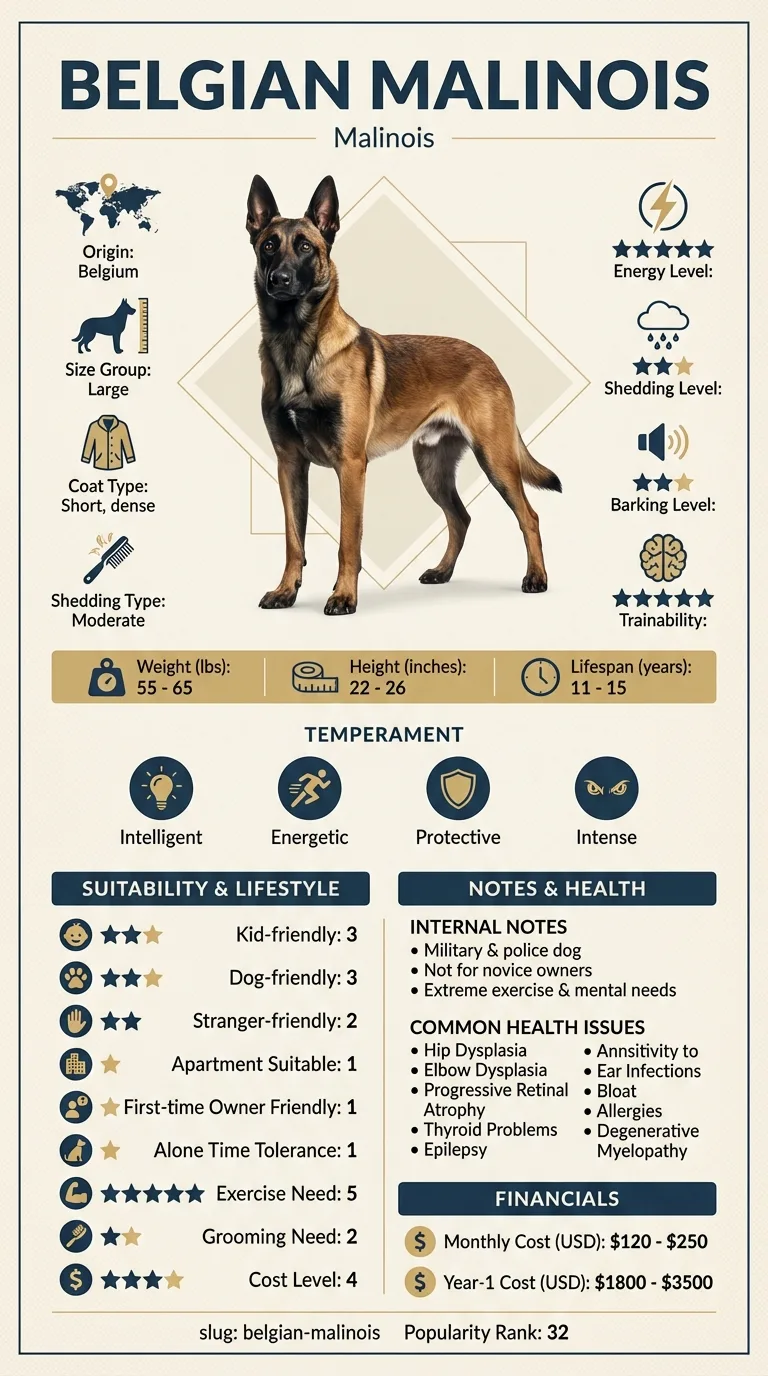
Owners of Belgian Malinois may struggle with PRA, especially those unaware of its genetic risks. Active families and individuals who rely on their dog's vision for activities may find this condition particularly challenging.
This guide is not medical advice. If your dog shows pain, sudden behavior change, or worsening symptoms, consult a licensed veterinarian.
Some links may be affiliate links. We may earn a commission at no extra cost to you. We only suggest products we believe are helpful for dog owners.
We research and check what we publish, but we do not warrant that any figure, date, price, or statement is accurate, complete, or current, and we accept no liability for any loss, cost, injury, or other harm arising from the use of this site. Use it as one reference among several. You remain responsible for your own decisions and for your dog's care - confirm anything that matters with a licensed veterinarian or another qualified professional before you act on it. Full disclaimer.
Check this first
Recognizing when Belgian Malinois progressive retinal atrophy (PRA) becomes an emergency is crucial. If your dog shows sudden signs of blindness, struggles to navigate familiar spaces, or experiences extreme disorientation, it's time to call your vet immediately. These symptoms can indicate rapid deterioration of their condition, requiring urgent care.
On the other hand, if your Malinois is showing mild symptoms like occasional stumbling or hesitance in low light, you can monitor the situation. It's important to track these changes over time and maintain regular vet check-ups. Keeping a log of behavior can help you and your vet decide on the best course of action.
In general, always trust your instincts. If you feel something is off with your dog's vision or behavior, don't hesitate to reach out to a professional for advice. Early intervention can make a significant difference in managing PRA and maintaining your dog's quality of life.
If any of these apply, call your vet or an emergency clinic now. The rest of this page is for the cases that are not an emergency.
Belgian Malinois progressive retinal atrophy (PRA) is a genetic condition leading to gradual vision loss. Owners may notice their dog bumping into furniture, struggling to navigate stairs, or hesitating in unfamiliar environments. This progressive condition often starts with night blindness and can eventually lead to complete blindness, making it essential to monitor your Malinois closely.
PRA is relatively common in Belgian Malinois, particularly as they age. Approximately 25% of Malinois may develop this condition, especially if they have a family history of eye issues. Early detection and management can help maintain their quality of life.
Belgian Malinois are predisposed to progressive retinal atrophy (PRA) due to genetic factors. This breed is known for its high intelligence and energy, but unfortunately, they can inherit certain eye conditions from their lineage. PRA leads to a gradual loss of vision, affecting their quality of life.
While genetics play a significant role, environmental factors can exacerbate the progression of PRA. For example, poor lighting conditions can make it harder for a Malinois to navigate their surroundings. Additionally, a lack of proper mental stimulation and physical activity may contribute to negative behavior as they adapt to their vision loss.
Always talk to your vet if you notice any signs of vision loss or if you're concerned about your dog's overall well-being. If your Malinois exhibits sudden changes in behavior or difficulties in navigating their environment, a vet can provide specific guidance and treatment options.
Avoiding certain common mistakes can help manage Belgian Malinois progressive retinal atrophy (PRA) more effectively. Here are some behaviors that can worsen the situation, along with safer alternatives.
Start here: Belgian Malinois Most Common Genetic Disorders: Screening
See all Belgian Malinois health problems, which breeds are prone to progressive retinal atrophy pra, or the full Belgian Malinois breed guide for temperament, exercise needs and ownership costs.
Managing Belgian Malinois progressive retinal atrophy (PRA) usually takes several months of consistent care and attention. Early diagnosis and intervention can help slow the progression and adapt care routine over time.
Success means developing a routine that accommodates your dog's changing vision. You will notice improved confidence in your dog as they adapt to their environment, along with effective communication and training strategies.
When Sarah adopted Max, her Belgian Malinois, she was excited for their adventures together. However, she quickly noticed that Max was struggling to navigate stairs and often bumped into furniture. After a vet diagnosed him with progressive retinal atrophy (PRA), Sarah felt overwhelmed. Determined to help him, she researched and implemented training techniques that used sound and scent cues. Gradually, Max learned to navigate their home confidently. With patience and dedication, Sarah not only improved Max's quality of life but also strengthened their bond.
Key takeaway: With the right approach and commitment, you can help your Belgian Malinois adapt to progressive retinal atrophy (PRA) and enhance their quality of life.
Belgian Malinois progressive retinal atrophy (PRA) is a genetic condition that leads to progressive vision loss in dogs. It affects the retina, causing it to degenerate over time, which can eventually result in blindness.
While there's no cure for PRA, you can help your dog adapt to vision loss. Create a safe environment by removing obstacles and using consistent verbal cues to guide them.
Unfortunately, PRA cannot be stopped as it is a degenerative condition. However, early detection and management strategies can help maximize your dog's quality of life.
Yes, training can assist your dog in adapting to vision loss. Focus on using voice commands and tactile cues to help them navigate their surroundings safely.
Since PRA is genetic, preventing it is challenging. Choosing a reputable breeder who screens for genetic conditions can help reduce the risk of acquiring a dog with PRA.
Early signs of Belgian Malinois progressive retinal atrophy (PRA) can include difficulty seeing in low light, bumping into objects, or hesitance in unfamiliar environments. If you notice these behaviors, it's important to consult a vet for a proper diagnosis and guidance.
For older Belgian Malinois with PRA, consider creating a safe and familiar environment. Use consistent furniture placement and avoid rearranging items. Additionally, keep their routine predictable to help them navigate their surroundings with confidence.
Currently, there is no cure for Belgian Malinois progressive retinal atrophy (PRA). However, regular vet check-ups can help monitor the condition, and some supportive care techniques can ease challenges associated with vision loss.
Dogs with Belgian Malinois progressive retinal atrophy (PRA) may become anxious or disoriented due to their vision loss. This can lead to changes in behavior, such as increased clinginess or avoidance of new situations. Training and positive reinforcement can help ease their anxiety.
Yes, progressive retinal atrophy (PRA) can be hereditary in Belgian Malinois. If you're considering breeding, ensure both parents have been tested for PRA to avoid passing this condition on to future puppies.
Keep your home well-lit and free of clutter to help your dog navigate safely. Use consistent commands and maintain a predictable routine.
Take your Belgian Malinois to the vet for a thorough eye examination to confirm a PRA diagnosis. Early detection is crucial for management.
While there is no treatment for PRA, regular vet visits for check-ups can range from $120 to $250 per month, depending on your location and vet services.
Yes, many dogs with PRA adapt well and lead happy lives. With proper care and a supportive environment, they can thrive despite their vision loss.
Yes, PRA is one of the common health issues found in Belgian Malinois. Awareness and early detection are key to managing the condition.
A one-page prep sheet for this condition: the signs, the questions to ask, what to get priced. Unlocks here.
You get: Vet visit prep sheet
No spam. One-click unsubscribe. See our privacy policy.
Preview page 1 before you decide.