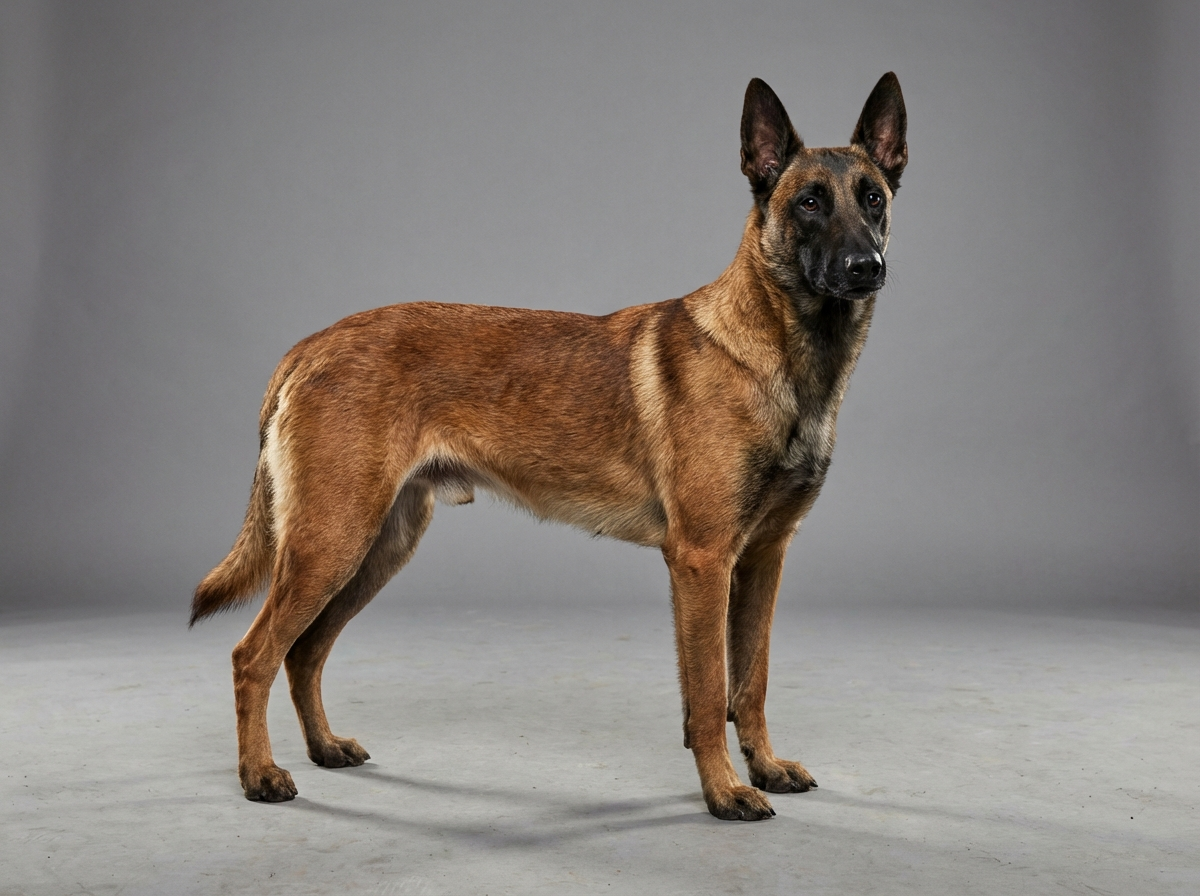
What are quick tips for managing Belgian Malinois obesity?
To manage Belgian Malinois obesity, monitor their food intake, ensure daily exercise, and avoid table scraps. Regular vet visits for weight checks can also help keep their weight in check.
Belgian Malinois obesity is a growing concern that can lead to serious health issues. Managing your dog's weight is crucial for their overall well-being.

Typically, owners of Belgian Malinois who might struggle with obesity include busy professionals, families with kids, or first-time dog owners. They may find it challenging to provide enough exercise or proper diet, leading to weight management issues.
This guide is not medical advice. If your dog shows pain, sudden behavior change, or worsening symptoms, consult a licensed veterinarian.
Some links may be affiliate links. We may earn a commission at no extra cost to you. We only suggest products we believe are helpful for dog owners.
Belgian Malinois obesity is a growing problem that can lead to serious health issues. This breed, known for its high energy and intelligence, can easily become overweight if not properly managed. Day-to-day, you might notice your Malinois struggling to keep up during walks, showing less interest in play, or having difficulty performing usual activities.
Obesity in Belgian Malinois is increasingly common, especially among those that live in less active households. Many owners underestimate their dog's exercise needs, leading to weight gain over time. Regular vet check-ups can help monitor their weight and prevent obesity-related health problems.
Belgian Malinois are large, energetic dogs. Their natural instinct is to be active, but without enough exercise, they can gain weight. If they are not mentally stimulated, they may also turn to food for comfort, leading to obesity.
Obesity in Belgian Malinois can also stem from an environment that lacks physical activity. Living in a small space or having an owner with a busy schedule can limit their exercise. Additionally, improper feeding practices, like free-feeding or giving too many treats, can contribute to weight gain.
If your Belgian Malinois is not responding to your weight management efforts, consider hiring a professional trainer. A trainer can create a tailored exercise and training plan to address their specific needs.
If your dog is significantly overweight or has health issues related to obesity, consult a vet. They can rule out underlying health problems and recommend a safe weight loss plan.
You can expect to see noticeable improvements in your Belgian Malinois's weight and energy levels within 8 to 12 weeks with consistent efforts in diet and exercise.
Success looks like your Malinois achieving a healthy weight, increased stamina, and improved mood. You'll notice them being more active and engaged during playtime.
Here are some common mistakes that can worsen Belgian Malinois obesity and alternatives to consider.
Recognizing when Belgian Malinois obesity becomes an emergency is crucial for your dog's health. If your Malinois is experiencing rapid weight gain, lethargy, or difficulty breathing, you need to call your vet immediately. These can be signs of serious health issues that require prompt attention.
Other red flags include persistent vomiting, refusal to eat, or signs of pain such as whining or hiding. These symptoms may indicate underlying problems caused by obesity, like diabetes or joint issues, and should not be overlooked.
On the other hand, if your Belgian Malinois is overweight but still active and playful, you may have some time to monitor the situation. You can create a weight management plan that includes a balanced diet and regular exercise. Gradual weight loss is typically safer than drastic changes, so aim for a steady approach.
Keep an eye on your dog's behavior and adjust their routine as needed. Regular vet check-ups can help catch any developing issues early. If your Malinois shows no immediate health concerns but is gaining weight, consider adjustments in food portions and increase exercise gradually. Remember, it’s always better to err on the side of caution and consult with your vet if you're unsure.

Sophie, a busy nurse in San Diego, noticed her Belgian Malinois, Max, was gaining weight. Despite regular walks, Max often seemed lethargic and uninterested in play. After consulting a vet, Sophie learned that Max needed more structured exercise and a better diet. She started a strict feeding schedule and added daily training sessions combined with fun activities like agility courses. Over three months, Max lost weight and his energy soared. Sophie loved seeing him chase after balls again, and they now enjoy their outdoor adventures together.
Key takeaway: With dedication to a structured diet and exercise routine, you can help your Belgian Malinois overcome obesity and regain their vitality.
Belgian Malinois obesity can stem from a few factors, including overfeeding, lack of exercise, and medical conditions. These dogs are active and need regular physical activity to maintain a healthy weight. If your Malinois is gaining weight, consider evaluating their diet and exercise routine.
To stop Belgian Malinois obesity, focus on a balanced diet and regular exercise. Measure their food portions and consult with your vet about suitable dog food. Aim for at least 60 minutes of vigorous activity each day to help them burn off calories.
Incorporating training sessions that involve physical activity can help combat obesity in your Belgian Malinois. Activities like agility training or fetch not only engage their minds but also provide the exercise they need. Consistency in training will yield the best results.
You can assess if your Belgian Malinois is overweight by checking their body condition score. You should be able to feel their ribs without excess fat covering them and see a defined waist when viewed from above. If you're unsure, your vet can help evaluate their weight.
Obesity can lead to several health problems for your Belgian Malinois, including joint issues, diabetes, and heart disease. Maintaining a healthy weight extends their lifespan and improves their quality of life. Regular vet check-ups can help monitor their health.
Yes, obesity can impact your Belgian Malinois's behavior negatively. They may become lethargic, lose interest in play, or even show signs of anxiety. Addressing their weight can improve their overall energy levels and mood.
Common signs of obesity in a Belgian Malinois include difficulty feeling their ribs, lack of energy, and an inability to exercise as they used to. You may also notice they have a wider waistline and struggle with mobility. If you notice these signs, it's time to evaluate their weight.
As Belgian Malinois age, their metabolism slows down, making them more prone to obesity. Older dogs may also be less active due to joint issues or decreased energy. It's important to adjust their diet and exercise routine as they age to maintain a healthy weight.
Yes, health issues like hypothyroidism and certain medications can lead to weight gain. If you suspect a health issue is affecting your dog's weight, consult your veterinarian for an evaluation. They can help identify underlying problems and suggest appropriate treatments.
If your Belgian Malinois is significantly overweight or you can’t manage their weight through diet and exercise, it’s time to consult a vet. Additionally, if you notice any sudden weight gain or loss, it’s essential to seek professional advice. Early intervention can help prevent serious health issues.
Incorporating interactive games and regular exercise into your Belgian Malinois's routine can help prevent obesity. Training sessions that include agility exercises or obedience training can also keep them mentally stimulated and physically active. Consistency is key to maintaining a healthy weight.
To manage Belgian Malinois obesity, monitor their food intake, ensure daily exercise, and avoid table scraps. Regular vet visits for weight checks can also help keep their weight in check.
A Belgian Malinois needs at least 60 minutes of exercise daily to help prevent obesity. Activities should include both physical and mental challenges to keep them engaged.
Switching to a low-calorie dog food and reducing portion sizes can help your Belgian Malinois lose weight. Always consult your vet before making significant dietary changes.
Yes, there are training programs specifically designed to help with weight management in Belgian Malinois. Look for classes that incorporate physical activity and mental stimulation.