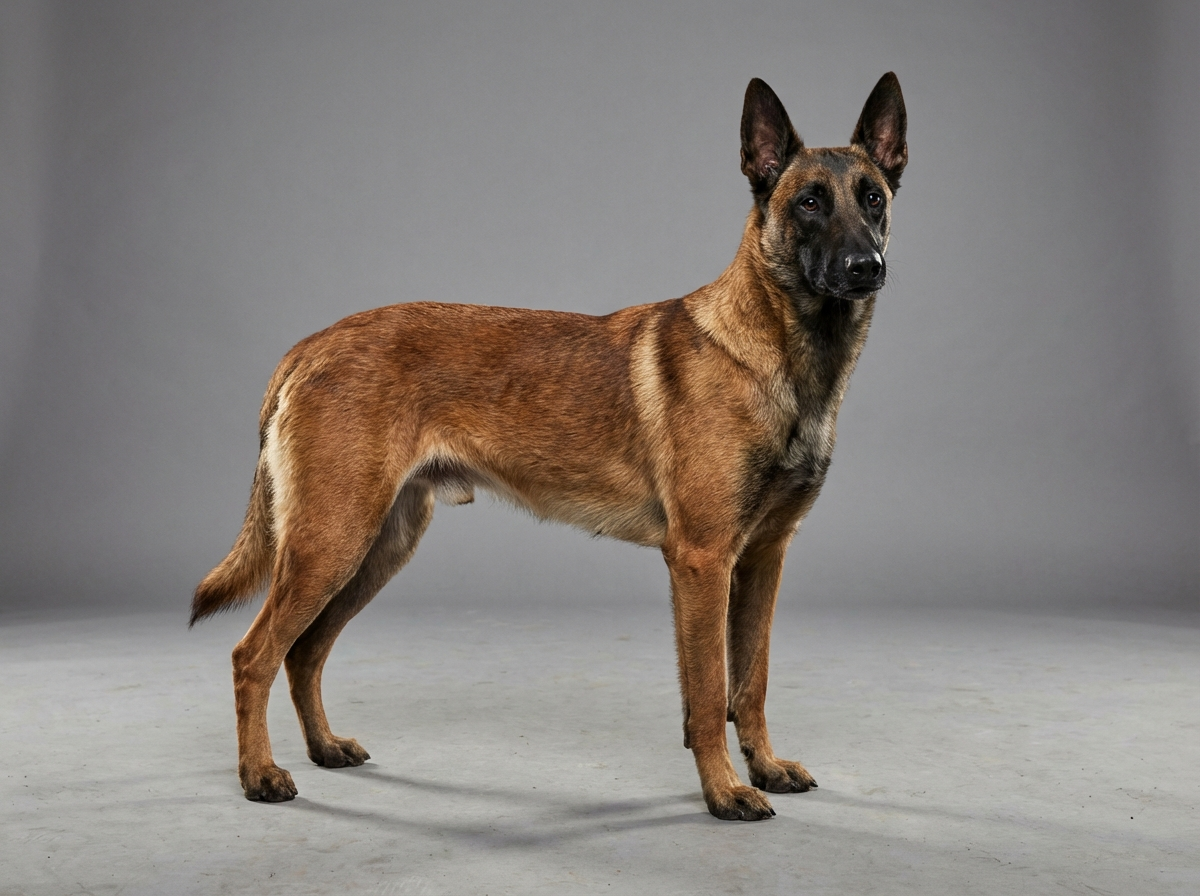
Behavior
What are quick tips for dealing with myotonia congenita?
Regular gentle exercise and stretching can help manage symptoms of myotonia congenita in your Belgian Malinois. Always consult your vet for tailored advice.

Quick answer
What are quick tips for dealing with myotonia congenita?
Regular gentle exercise and stretching can help manage symptoms of myotonia congenita in your Belgian Malinois. Always consult your vet for tailored advice.
Belgian Malinois myotonia congenita can cause muscle stiffness, impacting your dog's mobility and comfort.
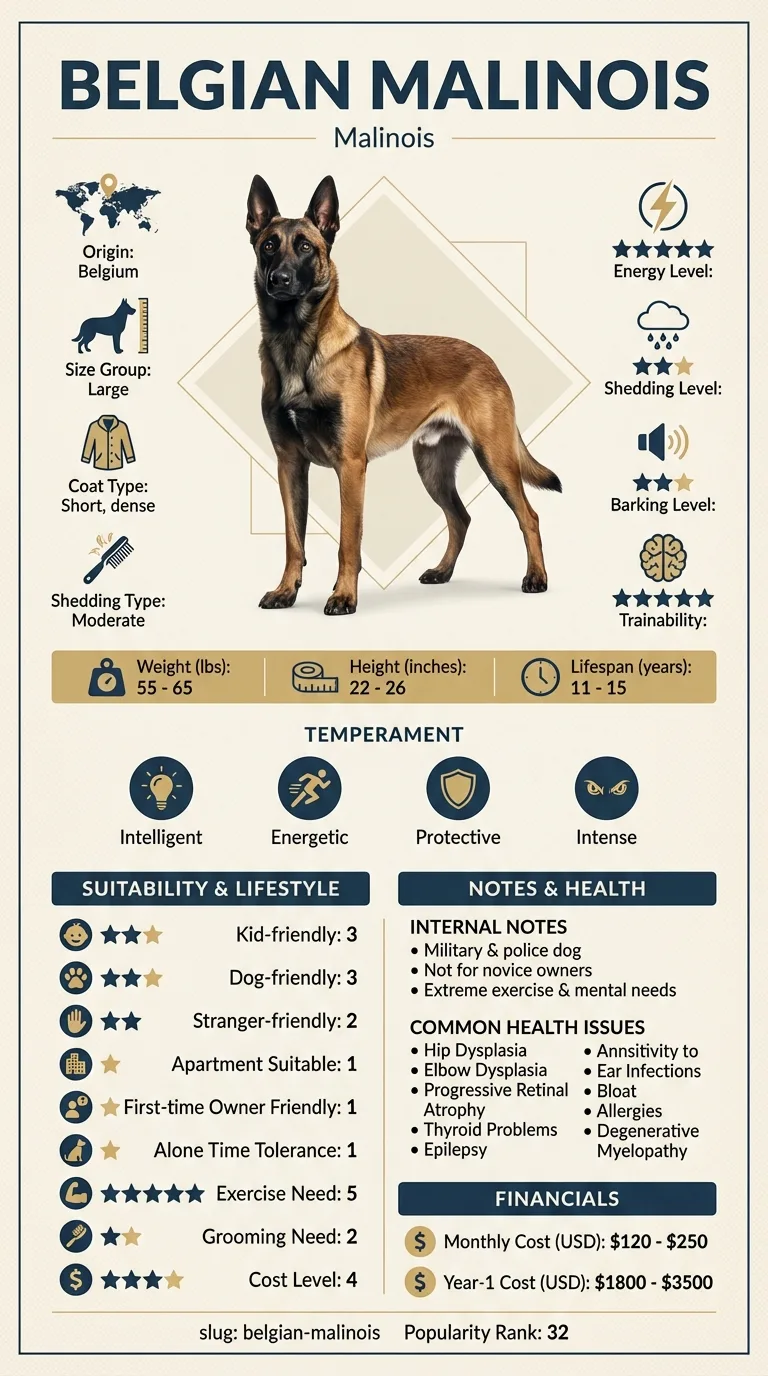
Typically, owners of Belgian Malinois face this issue, especially those who may be first-time pet parents or those unfamiliar with breed-specific health concerns. It's essential for them to understand how to manage this condition effectively.
This guide is not medical advice. If your dog shows pain, sudden behavior change, or worsening symptoms, consult a licensed veterinarian.
Some links may be affiliate links. We may earn a commission at no extra cost to you. We only suggest products we believe are helpful for dog owners.
We research and check what we publish, but we do not warrant that any figure, date, price, or statement is accurate, complete, or current, and we accept no liability for any loss, cost, injury, or other harm arising from the use of this site. Use it as one reference among several. You remain responsible for your own decisions and for your dog's care - confirm anything that matters with a licensed veterinarian or another qualified professional before you act on it. Full disclaimer.
Check this first
Call your vet immediately if you notice any of the following red flags:
- Persistent muscle stiffness that doesn't resolve within a few minutes. - Difficulty breathing or coughing. - Sudden weakness or inability to stand. - Seizures or loss of consciousness. - Pain or discomfort that appears severe.
These symptoms may indicate more serious underlying issues that require urgent care.
On the other hand, if your Belgian Malinois shows mild muscle stiffness that resolves quickly after rest, or if they have occasional stiffness that does not interfere with their daily activities, it may be safe to monitor them at home. Keep a note of their symptoms and how often they occur.
Also, maintaining a consistent exercise routine and providing a balanced diet may help manage their condition. Regular check-ups with your vet can also help track any changes in their health. Always err on the side of caution, and if you’re unsure, it’s best to consult your veterinarian.
If any of these apply, call your vet or an emergency clinic now. The rest of this page is for the cases that are not an emergency.
Belgian Malinois myotonia congenita is a condition that causes muscle stiffness, making everyday activities challenging. You might notice your Malinois struggling to move after resting or experiencing difficulty getting up after lying down. This can affect their playtime, exercise routines, and overall quality of life.
Myotonia congenita is relatively rare in dogs, but it can occur in Belgian Malinois. While not extremely common, it is important for owners to be aware of its symptoms and seek help if they notice unusual stiffness in their dogs.
Belgian Malinois myotonia congenita is often linked to genetic factors within the breed. This condition causes muscle stiffness, which can be exacerbated by their high energy levels and intense nature. As intelligent and energetic dogs, they may push through discomfort, making the symptoms more noticeable.
Environmental factors can also play a role in how myotonia congenita affects your Belgian Malinois. Stressful situations, lack of exercise, or inadequate mental stimulation may increase their discomfort and stiffness. A busy household or a chaotic environment can amplify their anxiety, worsening their symptoms.
If symptoms worsen, or if your dog experiences any additional health issues, it's essential to consult your veterinarian. They can evaluate your dog's condition and recommend treatments or therapies to help manage myotonia congenita effectively.
Avoiding common pitfalls can help you manage Belgian Malinois myotonia congenita more effectively. Here are some mistakes to watch out for.
Start here: Belgian Malinois Most Common Genetic Disorders: Screening
See all Belgian Malinois health problems, which breeds are prone to myotonia congenita, or the full Belgian Malinois breed guide for temperament, exercise needs and ownership costs.
With consistent care and follow-up with your vet, noticeable improvements in your Belgian Malinois myotonia congenita can take 3 to 6 months. Regular vet check-ups and adjustments in care may also be necessary.
Success means your Malinois can manage muscle stiffness better, has increased mobility, and shows reduced discomfort during activities. You'll also notice a more engaged and happy dog during training sessions.
Sarah, a first-time dog owner in Seattle, adopted Max, a Belgian Malinois, only to discover he had myotonia congenita. Initially, she was overwhelmed as Max struggled with muscle stiffness, especially after playtime. After speaking with her vet, Sarah learned that with tailored training and regular exercise, Max could improve. She started a routine that included gentle stretching and shorter, more frequent training sessions. Over time, Max showed significant progress; he could run and play more freely, and Sarah felt a deep bond with him as they worked together.
Key takeaway: Addressing myotonia congenita requires patience and adaptability. With the right approach and support, you can help your Belgian Malinois thrive despite their challenges.
Myotonia congenita in Belgian Malinois is a genetic condition that causes muscle stiffness. It can be inherited, so it's important to understand your dog's lineage. If you notice excessive stiffness, it's best to consult a vet for proper diagnosis and management.
To help your Belgian Malinois with myotonia congenita, focus on regular, gentle exercise to improve muscle flexibility. Stretching and warm-up activities can also be beneficial. Consult a vet to develop a tailored exercise plan.
Positive reinforcement training works well for Belgian Malinois with myotonia congenita. Use treats and praise to encourage desired behaviors. Consistency and patience are key, as muscle stiffness may affect their learning pace.
Ensure your Belgian Malinois has a balanced diet that supports muscle health. Consult your vet for dietary recommendations tailored to your dog's specific needs. Monitor their weight, as maintaining a healthy weight can help manage stiffness.
Yes, myotonia congenita can impact your Belgian Malinois's quality of life due to muscle stiffness. However, with proper care, exercise, and training, many dogs can lead happy, fulfilling lives. Regular vet check-ups are essential.
Belgian Malinois myotonia congenita is often caused by a genetic mutation that affects muscle function. This condition leads to muscle stiffness and difficulty relaxing after contraction, which can impact their mobility and overall quality of life.
For older dogs with myotonia congenita, it's essential to focus on gentle exercise and a supportive environment. Consulting with your vet for tailored advice and possibly physical therapy can greatly improve their comfort and mobility.
If your Belgian Malinois shows signs of severe muscle stiffness, difficulty walking, or any sudden changes in behavior, it's wise to consult your vet. Regular check-ups can help monitor their condition and adjust care as needed.
Training can be beneficial but should be approached carefully. Focus on positive reinforcement techniques and avoid overly strenuous activities that may exacerbate muscle stiffness.
While there are no specific medications to cure myotonia congenita, your vet may suggest treatments to alleviate symptoms or manage discomfort. Always consult your vet before starting any medication.
Regular gentle exercise and stretching can help manage symptoms of myotonia congenita in your Belgian Malinois. Always consult your vet for tailored advice.
While there is no cure for myotonia congenita, managing symptoms through exercise and training can improve your dog's quality of life.
Signs of myotonia congenita include muscle stiffness and difficulty moving after rest. If you see these symptoms, visit your vet for a diagnosis.
Yes, positive reinforcement training can help your Belgian Malinois adapt to their condition and encourage mobility.
A one-page prep sheet for this condition: the signs, the questions to ask, what to get priced. Unlocks here.
You get: Vet visit prep sheet
No spam. One-click unsubscribe. See our privacy policy.
Preview page 1 before you decide.