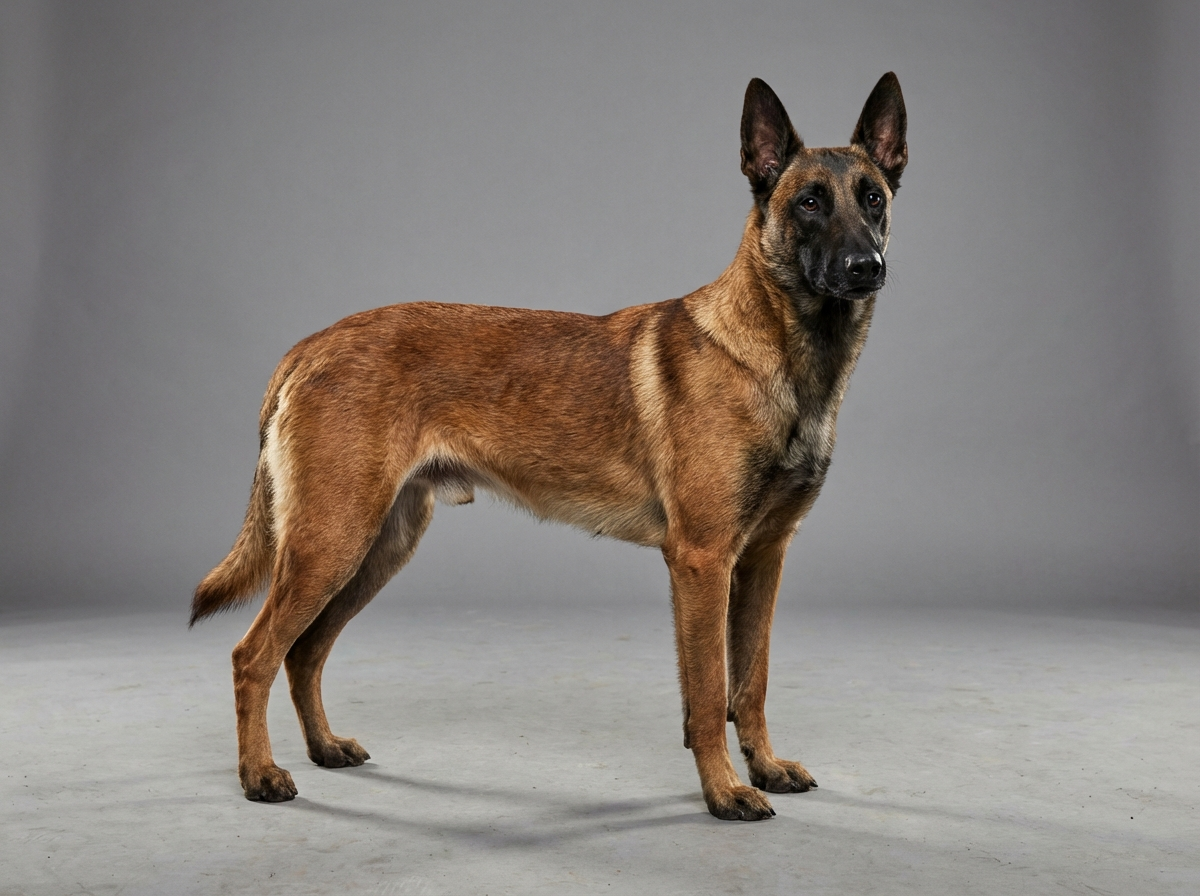
Behavior
What are quick tips for managing genetic load in Belgian Malinois?
Regular vet check-ups and a balanced diet are crucial for managing genetic load. Keep your Malinois mentally and physically active through training and exercise.

Quick answer
What are quick tips for managing genetic load in Belgian Malinois?
Regular vet check-ups and a balanced diet are crucial for managing genetic load. Keep your Malinois mentally and physically active through training and exercise.
If you're a Belgian Malinois owner, understanding genetic load is essential. This issue refers to the concentration of harmful genetic variants in the breed.
New and experienced Malinois owners alike often face the challenges of genetic load. Those who aren't prepared for the breed’s intense exercise and mental stimulation needs may find it especially difficult.
This guide is not medical advice. If your dog shows pain, sudden behavior change, or worsening symptoms, consult a licensed veterinarian.
Some links may be affiliate links. We may earn a commission at no extra cost to you. We only suggest products we believe are helpful for dog owners.
We research and check what we publish, but we do not warrant that any figure, date, price, or statement is accurate, complete, or current, and we accept no liability for any loss, cost, injury, or other harm arising from the use of this site. Use it as one reference among several. You remain responsible for your own decisions and for your dog's care - confirm anything that matters with a licensed veterinarian or another qualified professional before you act on it. Full disclaimer.
Check this first
Not all signs of genetic load in your Belgian Malinois are cause for immediate concern. However, certain symptoms indicate that you should call your vet right away. If your dog exhibits severe lethargy, sudden weight loss, or persistent vomiting, these are red flags. Other emergency signs include difficulty breathing, seizures, or any drastic changes in behavior, such as aggression or withdrawal.
On the other hand, mild cases can often be monitored at home. If your Malinois seems a bit off but is still playful and eating normally, you might consider observing them for a short period. It’s wise to keep track of any changes and consult your vet if symptoms persist or worsen. Problems like mild skin irritations or slight digestive upset can often be resolved with careful management.
Remember, while it’s essential to be vigilant, knowing when to act is key. If in doubt, don’t hesitate to reach out to your veterinarian for guidance. They can provide the best advice tailored to your situation and your dog's needs.
If any of these apply, call your vet or an emergency clinic now. The rest of this page is for the cases that are not an emergency.
The Belgian Malinois genetic load refers to the presence of harmful genetic variants that can affect the dog's health. Daily life for a Malinois dealing with genetic load can include frequent vet visits and potential health issues. These dogs may display symptoms like lethargy, unusual behavior, or increased sensitivity to exercise, which can be concerning for owners.
Genetic load is relatively common in Belgian Malinois due to their breeding history. Many Malinois may carry one or more genetic issues, leading to potential health challenges throughout their lives.
The Belgian Malinois is known for its intelligence and high energy. Unfortunately, this breed also has a higher concentration of harmful genetic variants. These genetic predispositions can lead to various health and behavioral issues, often referred to as genetic load.
The environment plays a crucial role in how a Belgian Malinois manifests genetic load. Stressful situations, lack of exercise, and insufficient mental stimulation can exacerbate behavioral problems. An unsuitable living environment can also lead to anxiety and increased aggression.
If you notice signs of physical discomfort, unusual aggression, or persistent anxiety in your Malinois, it's essential to talk to a vet. They can rule out underlying health issues that may be contributing to your dog's genetic load challenges.
Avoiding common pitfalls can help manage your Belgian Malinois's genetic load effectively. Here are some mistakes to watch out for, along with safer alternatives.
Start here: Belgian Malinois Most Common Genetic Disorders: Screening
See all Belgian Malinois health problems, which breeds are prone to genetic load, or the full Belgian Malinois breed guide for temperament, exercise needs and ownership costs.
You can expect to see improvements in your Belgian Malinois's behavior within 6 to 12 weeks of consistent care and follow-up with your vet.
Success looks like a well-adjusted dog who displays fewer behavioral issues, is more trainable, and enjoys a better quality of life.
When Jenna adopted her Belgian Malinois, Ace, she was excited about having a loyal companion. However, she quickly realized that Ace was prone to anxiety and had behavioral challenges linked to his genetic load. After some research, Jenna found a local trainer who specialized in high-energy breeds. With dedication, she committed to a structured training program that included regular exercise, mental stimulation, and socialization. Over several weeks, Ace transformed into a calmer, more focused dog, allowing Jenna to enjoy their time together without constant worry.
Key takeaway: With the right training and support, you can manage the challenges of a Belgian Malinois's genetic load and improve their overall well-being.
The Belgian Malinois has a genetic load due to the presence of harmful genetic variants that can lead to health issues. This is often a result of selective breeding practices that prioritize traits like intelligence and energy over genetic diversity. Understanding this can help you prepare for potential health concerns.
Managing your Belgian Malinois's genetic load involves regular veterinary check-ups and being aware of common health issues like hip dysplasia and epilepsy. Providing a balanced diet and ensuring mental stimulation can also help mitigate some effects. Early intervention is key to addressing any health problems that arise.
Belgian Malinois can suffer from various health issues linked to genetic load, including hip and elbow dysplasia, progressive retinal atrophy, and thyroid problems. Being proactive about these conditions through regular health screenings can help detect issues early. It's vital to consult with your veterinarian for tailored care.
While you can't eliminate genetic load entirely, you can reduce its impact. Focus on maintaining a healthy lifestyle for your Belgian Malinois, including exercise, mental stimulation, and a proper diet. Regular vet visits will also help catch any potential health problems early on.
Training your Belgian Malinois with positive reinforcement can help manage behavioral issues associated with genetic load. Engaging them in activities that challenge both their mind and body is essential. Consistency and patience in training can lead to a well-adjusted dog.
A diet rich in omega fatty acids, antioxidants, and high-quality proteins can support the overall health of a Belgian Malinois with a genetic load. Consult your vet for personalized dietary recommendations. A tailored diet can help in managing potential health issues.
Signs of a high genetic load in a Belgian Malinois can include increased health issues, such as hip dysplasia or epilepsy. If your dog frequently experiences health problems or shows unusual behavior patterns, it may be worth discussing with your vet.
Yes, a Belgian Malinois with a genetic load can still be trained effectively, but it may require more patience and specialized training techniques. Focus on positive reinforcement methods and consider seeking help from a professional dog trainer experienced in working with behavioral issues.
While you can't change a dog's genetic makeup, you can manage the effects by providing a healthy diet, regular vet check-ups, and a structured exercise regimen. Consistent training and mental stimulation can also help mitigate some behavioral issues linked to genetic load.
It's best to start addressing potential genetic load issues in your Belgian Malinois as early as possible, ideally during puppyhood. Early training and socialization can help prevent behavioral problems, and regular vet visits can catch health issues early.
Yes, genetic testing can provide valuable insights into your Belgian Malinois's genetic health and potential risks. Understanding your dog's genetic background can help you make informed decisions about their care and training.
Regular vet check-ups and a balanced diet are crucial for managing genetic load. Keep your Malinois mentally and physically active through training and exercise.
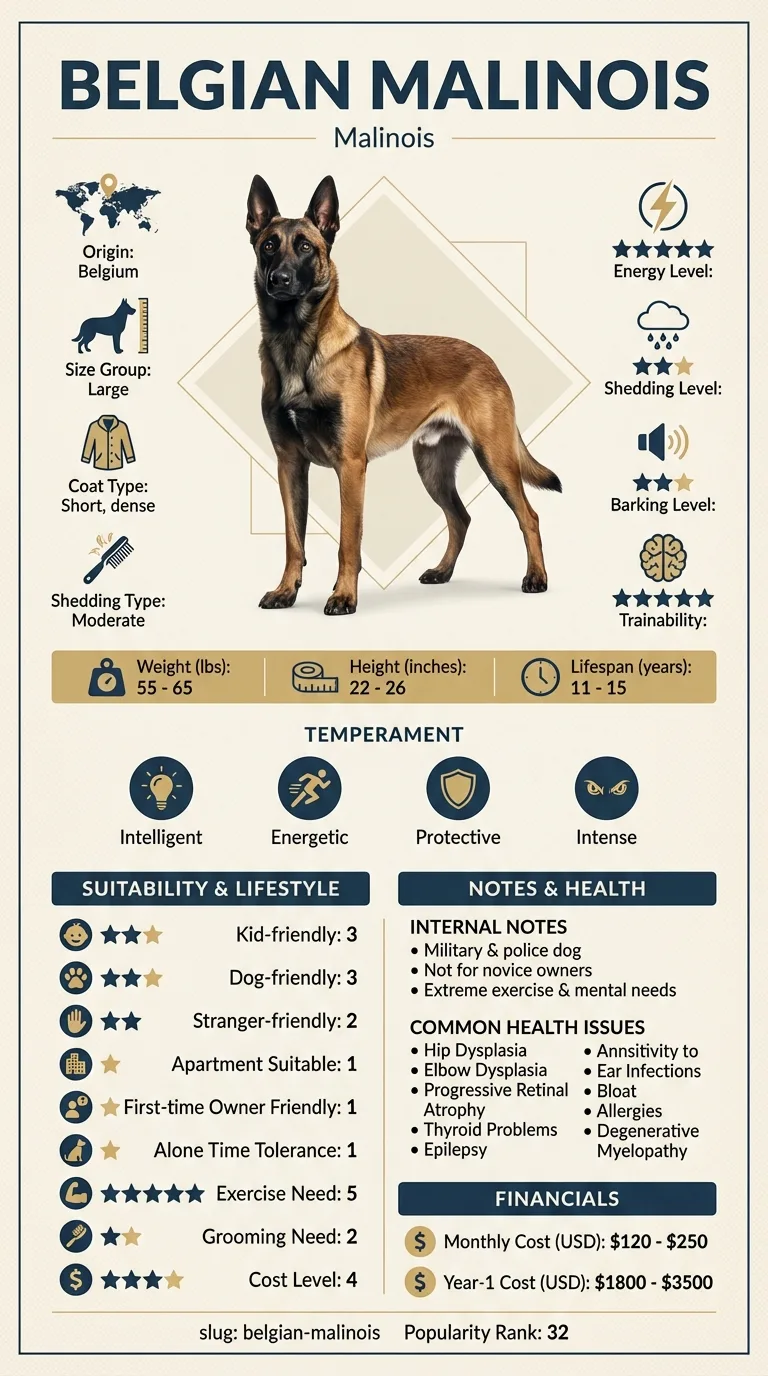
Expect to spend between $120 to $250 monthly for a Belgian Malinois, including vet visits and food. Yearly costs can range from $1,800 to $3,500.
Common issues include hip dysplasia, elbow dysplasia, and progressive retinal atrophy. Regular vet visits can help catch these early.
Positive reinforcement training is effective for Belgian Malinois. Engaging in mentally stimulating activities is key to their training success.
Look for signs like a shiny coat, good energy levels, and a healthy appetite. Consult your vet for regular health screenings.
A one-page prep sheet for this condition: the signs, the questions to ask, what to get priced. Unlocks here.
You get: Vet visit prep sheet
No spam. One-click unsubscribe. See our privacy policy.
Preview page 1 before you decide.