Behavior
What are common signs of gdv/bloat in dogs?
Common signs of gdv/bloat include a distended belly, drooling, and unsuccessful attempts to vomit.
Belgian Malinois gastric dilatation-volvulus (GDV/bloat) is a serious condition that can threaten your dog's life. Recognizing the signs early is crucial.
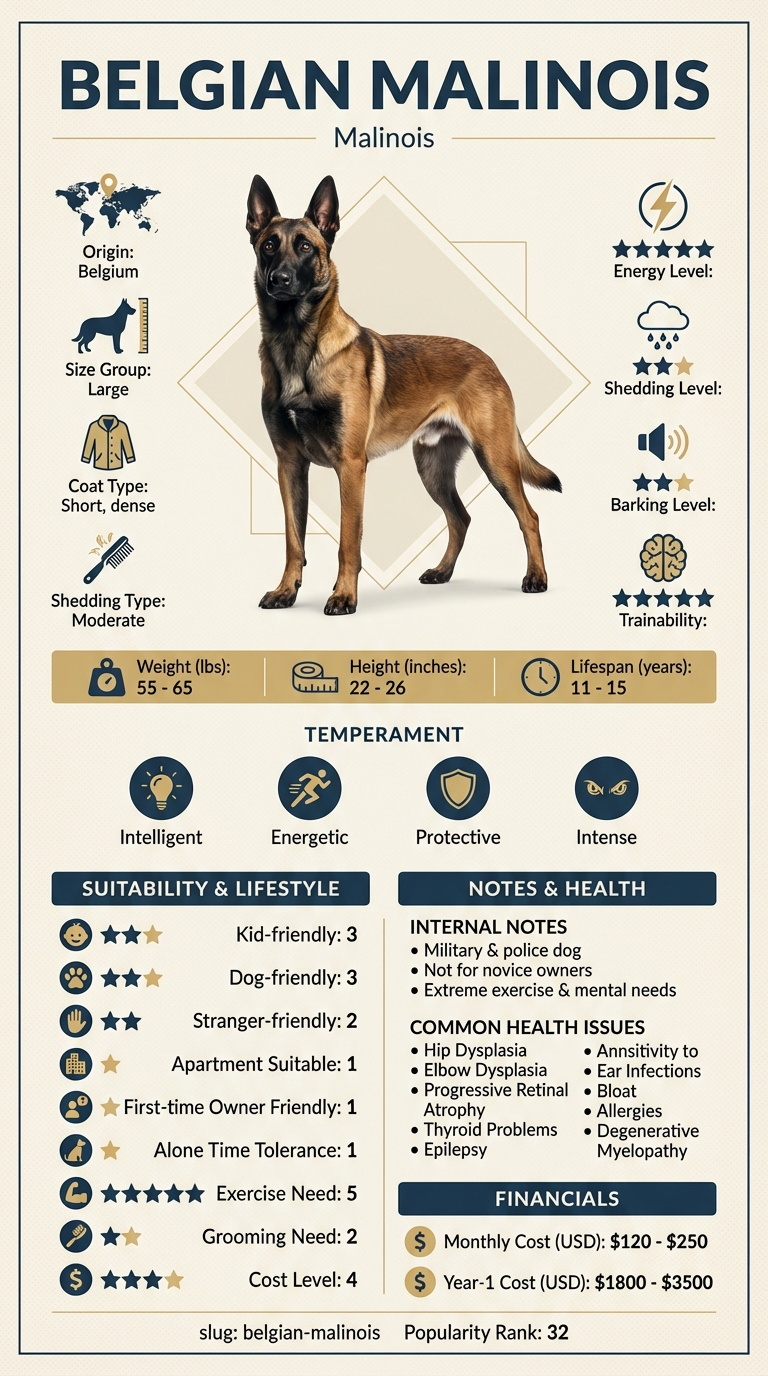
Owners of Belgian Malinois often face challenges related to GDV, especially those who are new to the breed. High-energy dogs may show signs of distress quickly, making it essential for all owners to be informed.
This guide is not medical advice. If your dog shows pain, sudden behavior change, or worsening symptoms, consult a licensed veterinarian.
Some links may be affiliate links. We may earn a commission at no extra cost to you. We only suggest products we believe are helpful for dog owners.
Belgian Malinois gastric dilatation-volvulus (GDV/bloat) is a serious, life-threatening condition. It occurs when the dog's stomach fills with gas and twists, trapping the gas inside. This can cause immense pain and can be fatal if not treated immediately.
This condition is relatively common in large breeds like the Belgian Malinois, especially those with deep chests. It's crucial for owners to be aware of the signs, as quick action can save a dog's life.
Belgian Malinois are large, deep-chested dogs, making them more susceptible to gastric dilatation-volvulus (GDV). Their energetic nature can lead to rapid eating and drinking, increasing the risk of bloat. Additionally, this breed's intense temperament can cause anxiety, which may contribute to gastrointestinal issues.
Stressful environments, such as loud noises or frequent changes, can trigger bloat in dogs. Feeding habits also play a role; meals that are too large or given too quickly can exacerbate the problem. Lack of proper exercise and conditioning can further increase the likelihood of GDV.
If your Belgian Malinois shows signs of anxiety or stress during feeding or other situations, consulting a professional trainer may help. They can provide tailored strategies to improve your dog's behavior and eating habits. A trainer can also assist in teaching commands to help manage anxiety effectively.
If you notice signs of GDV, like bloating, restlessness, rapid panting, or attempts to vomit without success, seek veterinary care immediately. Regular check-ups can help identify any underlying health issues early. Always consult your vet if you're unsure about your dog's eating habits or if they exhibit changes in behavior.
Managing Belgian Malinois gastric dilatation-volvulus (GDV/bloat) can take several months. Early intervention and prevention strategies should be established immediately after diagnosis.
Success means recognizing the signs of GDV early, implementing dietary changes, and ensuring your dog is comfortable and active. Regular vet check-ups will also help maintain your dog's health.
Avoiding certain common mistakes can help manage Belgian Malinois gastric dilatation-volvulus (GDV/bloat). Here are some behaviors to watch out for.
Gastric dilatation-volvulus (GDV), or bloat, is a serious condition that requires immediate attention. Recognizing the signs can save your Belgian Malinois's life. If your dog shows any of the following red flags, call your vet right away:
- Distended abdomen that feels tight or swollen. - Unproductive attempts to vomit or retch. - Excessive drooling or signs of distress. - Rapid heart rate or difficulty breathing. - Weakness or lethargy.
These symptoms can indicate that your dog is in severe danger and needs urgent medical help.
On the other hand, there are milder cases of bloat that may not need immediate vet care but still require monitoring. If your Malinois has a slightly bloated stomach but is still eating, drinking, and acting normally, you can keep an eye on them. Here are some signs to watch for:
- Mild bloating without discomfort. - Occasional burping or gassiness. - Normal energy levels and behavior.
In these situations, you should still plan to consult your vet to discuss preventive measures. Remember, it's always better to be cautious. If you're ever unsure, it's best to err on the side of caution and contact your veterinarian. Keeping your Belgian Malinois healthy starts with being aware of potential emergencies.
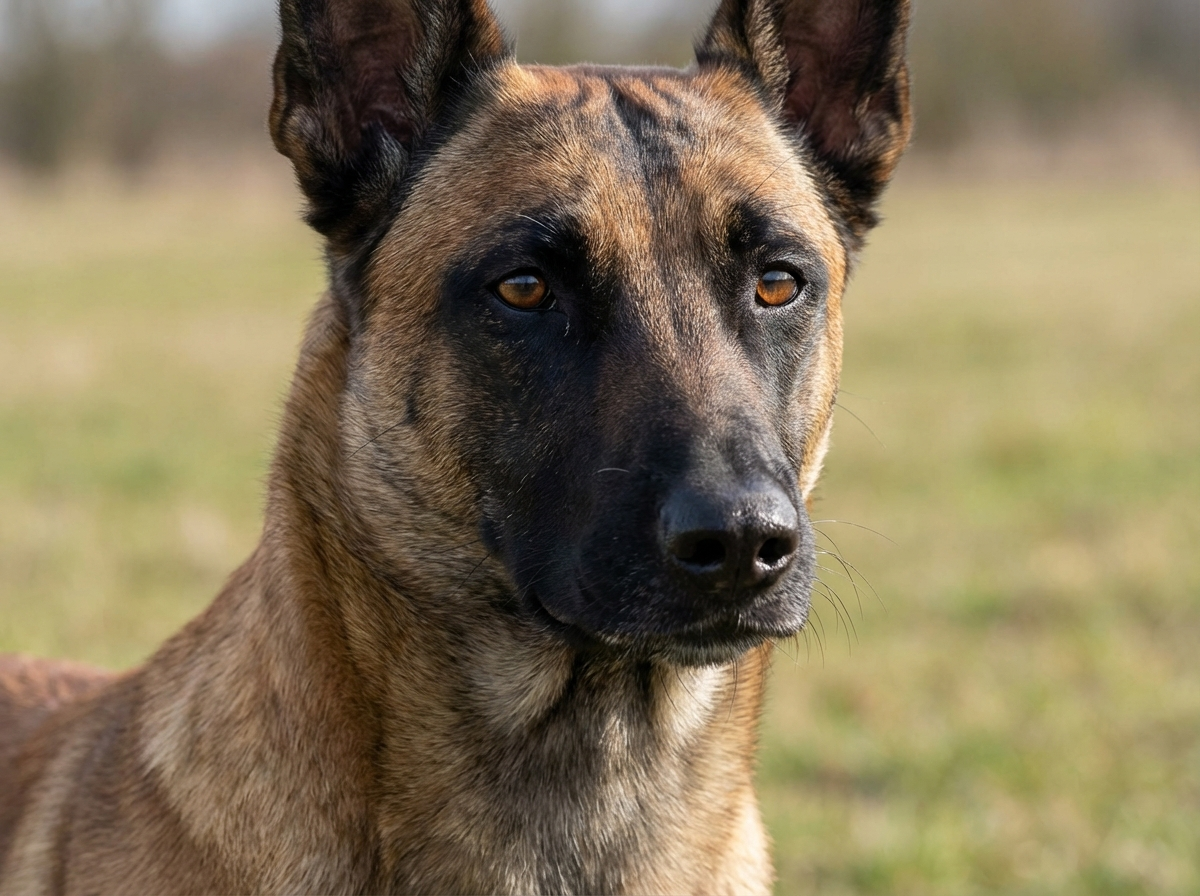
Sarah, a busy nurse in Denver, adopted Max, her Belgian Malinois, without knowing much about the breed's health risks. One evening, she noticed Max was restless and had a swollen abdomen. After rushing him to the vet, they diagnosed him with GDV. Determined to help her pup, Sarah learned about proper feeding techniques and introduced a slow feeder to prevent gulping. With consistent monitoring and a tailored exercise plan, Max’s health improved dramatically, giving Sarah peace of mind.
Key takeaway: Understanding your dog's specific health risks and taking preventive measures can make a big difference. Early detection and proactive care are crucial in managing conditions like GDV.
Belgian Malinois gastric dilatation-volvulus (gdv/bloat) is a serious condition where the stomach expands with gas and can twist. This can restrict blood flow and cause severe pain. It's important to recognize the signs early, as it can be life-threatening.
Symptoms of gdv/bloat include a swollen abdomen, excessive drooling, restlessness, and attempts to vomit without success. If you notice these signs, seek veterinary care immediately. Early intervention is crucial.
To help prevent gdv/bloat, feed your Belgian Malinois smaller, more frequent meals instead of one large meal. Avoid vigorous exercise right after eating, and consider using a slow feeder to reduce gulping. Regular vet check-ups are also recommended.
While the exact cause of gdv/bloat isn't fully understood, certain factors like genetics, age, and diet can play a role. Large, deep-chested breeds like the Belgian Malinois are at higher risk. Monitoring their eating habits and behavior can help mitigate risks.
If your Belgian Malinois exhibits signs of gdv/bloat, take them to the vet immediately. Delaying treatment can lead to severe complications or death. Always trust your instincts if something seems off.
While training won't prevent gdv/bloat, teaching your dog to eat slowly and remain calm around mealtime can help. Positive reinforcement methods can encourage these behaviors. Always consult with a trainer experienced with high-energy breeds like the Malinois.
Treatment for gdv/bloat usually involves emergency surgery to untwist the stomach and remove any gas. After surgery, your dog may need to stay in the hospital for monitoring. Following your vet's post-operative care plan is essential.
Early signs of gastric dilatation-volvulus (gdv/bloat) in your Belgian Malinois can include restlessness, a swollen abdomen, and attempts to vomit without producing any food. If you notice these symptoms, it’s crucial to seek veterinary assistance immediately, as this condition can progress rapidly.
Yes, older Belgian Malinois may be at a higher risk for developing gastric dilatation-volvulus (gdv/bloat). Factors such as age, previous episodes of bloat, and certain dietary habits can increase their susceptibility to this life-threatening condition.
To help prevent gastric dilatation-volvulus (gdv/bloat), feed your Belgian Malinois smaller, more frequent meals instead of one large meal. Additionally, avoid vigorous exercise right after eating and consider using a slow-feed bowl to reduce gulping.
If your Belgian Malinois shows signs of gastric dilatation-volvulus (gdv/bloat), such as a distended abdomen or excessive drooling, take them to the vet immediately. Time is critical, and prompt veterinary treatment can be lifesaving.
While there’s no one-size-fits-all diet, feeding your Belgian Malinois high-quality, easily digestible food in smaller portions can help reduce the risk of gastric dilatation-volvulus (gdv/bloat). Consult your vet for personalized dietary recommendations.
Common signs of gdv/bloat include a distended belly, drooling, and unsuccessful attempts to vomit.
To help prevent gdv/bloat, feed smaller meals, avoid exercise right after eating, and keep water available at all times.
If you suspect gdv/bloat, take your dog to a vet immediately, as this condition requires urgent medical attention.
Regularly observe your dog, especially after meals, to catch any early signs of gdv/bloat.
While training won't directly prevent gdv/bloat, teaching calm eating habits can reduce the risk.