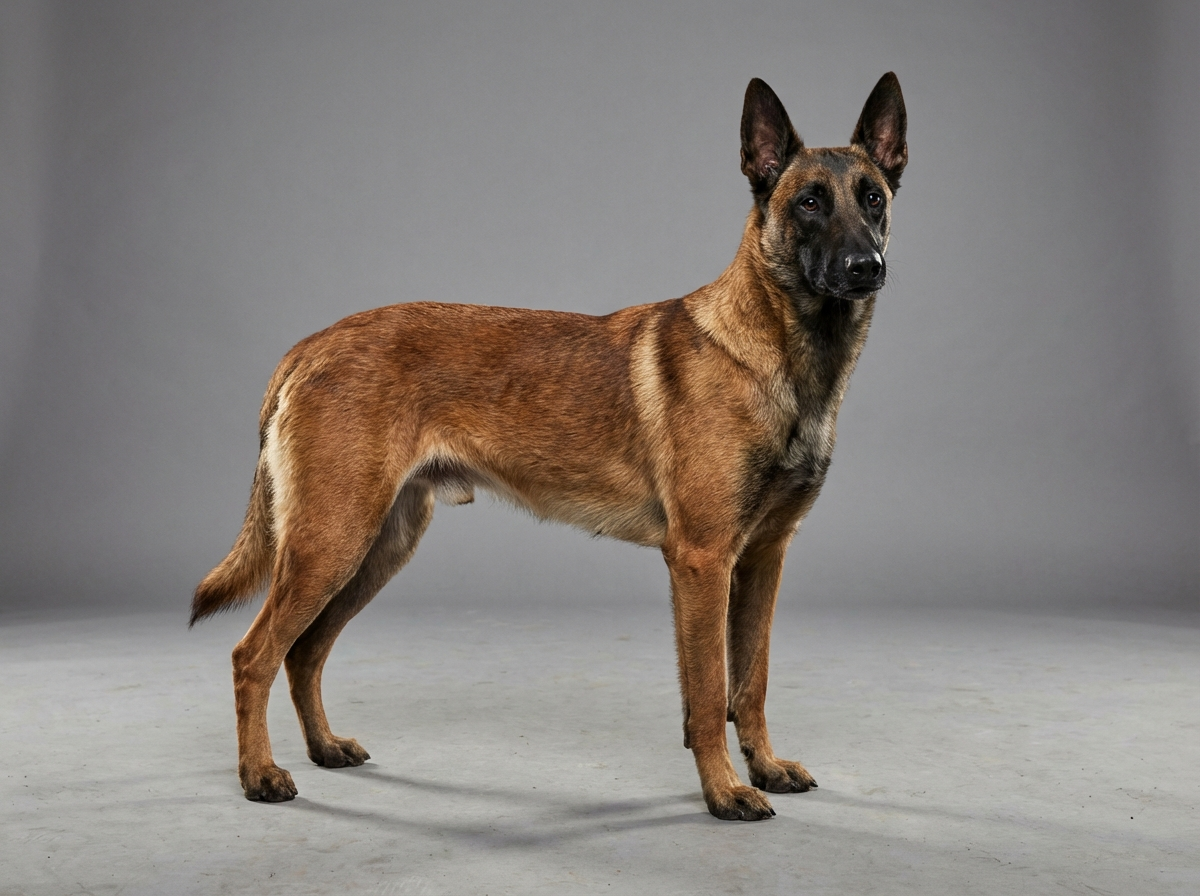
Behavior
How to manage exercise-induced collapse (eic) in my Belgian Malinois?
Limit intense exercise and ensure plenty of rest breaks during activities.

Quick answer
How to manage exercise-induced collapse (eic) in my Belgian Malinois?
Limit intense exercise and ensure plenty of rest breaks during activities.
Belgian Malinois exercise-induced collapse (EIC) can be a serious concern for owners. This sudden collapse during or after exercise can leave you worried about your dog's health.
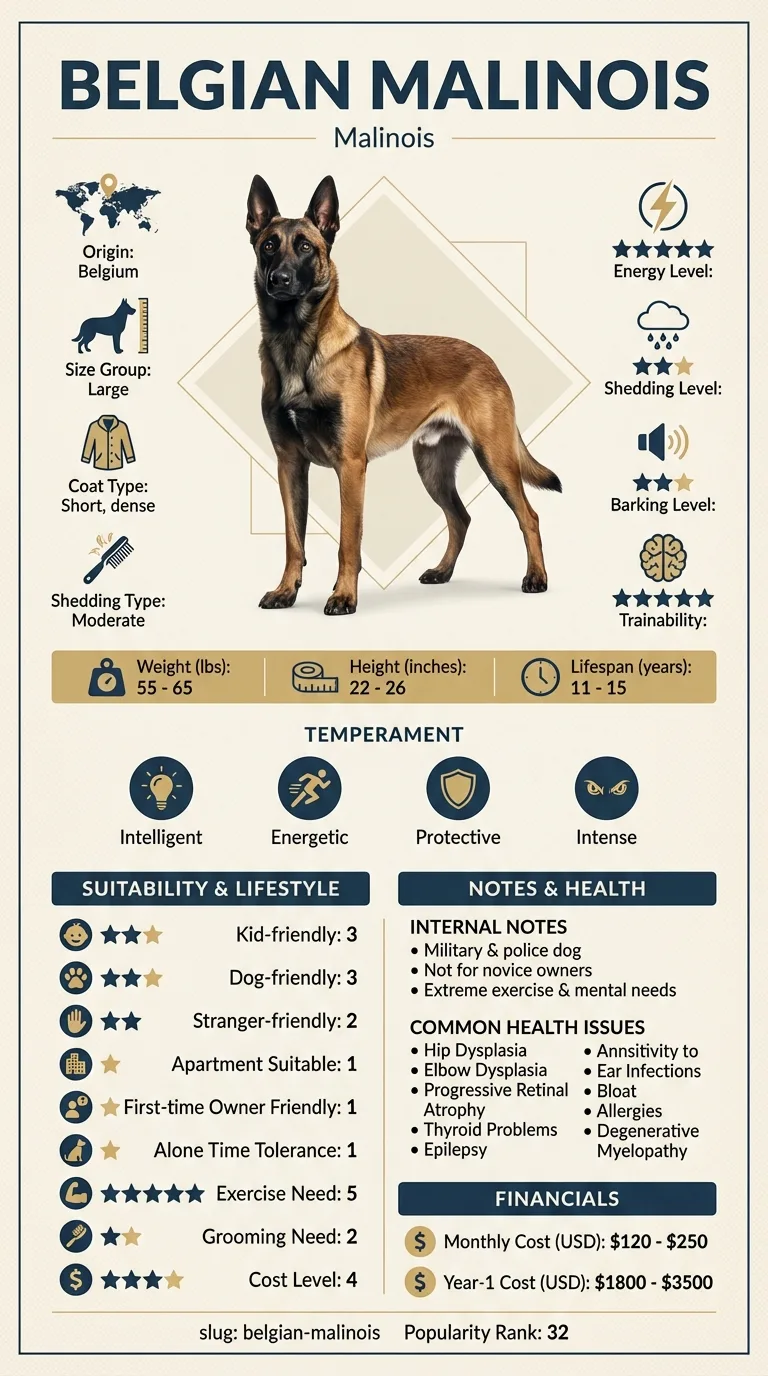
Owners of Belgian Malinois, especially those who lead active lifestyles, often face this challenge. If you're a first-time pet parent or someone living in a busy household, this issue can be especially daunting.
This guide is not medical advice. If your dog shows pain, sudden behavior change, or worsening symptoms, consult a licensed veterinarian.
Some links may be affiliate links. We may earn a commission at no extra cost to you. We only suggest products we believe are helpful for dog owners.
We research and check what we publish, but we do not warrant that any figure, date, price, or statement is accurate, complete, or current, and we accept no liability for any loss, cost, injury, or other harm arising from the use of this site. Use it as one reference among several. You remain responsible for your own decisions and for your dog's care - confirm anything that matters with a licensed veterinarian or another qualified professional before you act on it. Full disclaimer.
Check this first
Recognizing when a Belgian Malinois is experiencing exercise-induced collapse (EIC) is crucial for their safety. Some signs require immediate veterinary attention, while others can be monitored at home with a plan. Understanding these distinctions can help you take the right action for your furry friend.
Call your vet immediately if your Belgian Malinois shows signs such as loss of consciousness, seizures, or inability to stand. Additionally, excessive panting, rapid heartbeat, or unusual lethargy after exercise can indicate a serious problem that needs urgent care. These symptoms can be red flags that your dog's health is at risk, so don’t hesitate to seek help.
On the other hand, if your Malinois experiences mild symptoms like brief weakness or slight unsteadiness after play, you may be able to monitor them at home. In these cases, it’s important to ensure your dog rests and stays hydrated. Keeping track of the frequency and duration of these episodes can help you discuss the situation with your vet. Also, adjusting exercise intensity and frequency might be beneficial. Always consult your vet for personalized guidance based on your dog's unique needs and health status.
If any of these apply, call your vet or an emergency clinic now. The rest of this page is for the cases that are not an emergency.
Belgian Malinois exercise-induced collapse (EIC) is a serious issue that can occur during or after vigorous activity. This problem manifests as sudden weakness or collapse, often alarming to owners. It’s especially common in high-energy activities like running or playing fetch, where the Malinois is naturally inclined to excel.
EIC is relatively common in Belgian Malinois, particularly in those with a strong drive for exercise. Many dogs may experience it at some point, particularly if they are pushed too hard without adequate rest or acclimatization.
Belgian Malinois have a high energy level and are bred for intense physical activities. Their athleticism can lead to exercise-induced collapse (EIC) during or after strenuous exertion. This condition is often inherited, making them genetically predisposed to EIC.
Environmental factors can also play a role. Overheating in hot weather or excessive exercise without sufficient recovery can trigger EIC episodes. Stressful situations or lack of proper conditioning may worsen their chances of collapsing.
Talk to your vet if EIC episodes occur regularly or if your dog shows other concerning symptoms. A vet can provide guidance on potential underlying health issues and may recommend specific tests or treatment options.
Avoiding these common mistakes can help improve your Belgian Malinois's condition and make training more effective.
Start here: Belgian Malinois Most Common Genetic Disorders: Screening
See all Belgian Malinois health problems, which breeds are prone to exercise induced collapse eic, or the full Belgian Malinois breed guide for temperament, exercise needs and ownership costs.
Addressing Belgian Malinois exercise-induced collapse (EIC) typically takes 2 to 6 months of consistent care and management.
Success looks like your Malinois being able to engage in regular exercise without experiencing collapse symptoms, while also enjoying a happy and active life.
Jenna, a busy nurse in Chicago, was excited to bring home Max, her Belgian Malinois. However, after a few weeks of energetic play, she noticed that Max would suddenly collapse after intense exercise. Worried, Jenna sought advice from her vet and discovered that Max was experiencing exercise-induced collapse (EIC). With guidance, she learned to gradually increase his exercise intensity and incorporate rest periods. After a few months of consistent training and monitoring, Max was able to enjoy his runs without collapsing, allowing Jenna to take him on longer outdoor adventures.
Key takeaway: With patience and the right training approach, you can help your Belgian Malinois manage EIC and lead a fulfilling, active life.
Signs of exercise-induced collapse (EIC) in a Belgian Malinois typically include sudden weakness, staggering, or collapsing during or shortly after intense exercise. These symptoms can appear after just a few minutes of vigorous activity, especially in hot weather. If you notice these signs, it’s crucial to stop the activity and allow your dog to rest.
To manage Belgian Malinois exercise-induced collapse (EIC), avoid high-intensity activities, especially in warm weather. Gradually build up their exercise routine, incorporating rest breaks. Training to recognize their limits can also help keep them safe.
If your Belgian Malinois shows signs of exercise-induced collapse (EIC), it's best to consult a vet immediately. Persistent symptoms or recurrences should be evaluated promptly. Early intervention can prevent further complications.
While there is no cure for exercise-induced collapse (EIC), management techniques can help. These include controlled exercise, building stamina slowly, and cooling down your dog after activity. Your vet may also recommend specific training strategies.
Yes, exercise-induced collapse (EIC) is a hereditary condition in Belgian Malinois. It can be passed down from their parents. Responsible breeding practices can help reduce the incidence of EIC in future generations.
Yes, older Belgian Malinois can develop exercise-induced collapse (EIC), especially if they have a history of the condition. While EIC is often seen in younger dogs, older dogs may also experience symptoms if they engage in strenuous activities. It's important to consult with your vet to adjust their exercise routine accordingly.
To help prevent exercise-induced collapse (EIC) in your Belgian Malinois, gradually build their exercise tolerance and avoid intense workouts, especially in hot or humid weather. Incorporating rest periods and staying hydrated can also be key. Always monitor your dog during exercise and be prepared to stop if they show signs of distress.
Yes, if your Belgian Malinois shows symptoms of exercise-induced collapse (EIC), you should see a vet. They can help rule out other health issues and provide guidance on managing your dog's exercise routine. Early intervention can help prevent more serious complications.
The long-term outlook for a Belgian Malinois with exercise-induced collapse (EIC) can vary. Many dogs can lead happy lives with proper management, including modified exercise regimens. However, it’s essential to work closely with your vet to ensure your dog remains healthy and active without risking episodes of collapse.
Limit intense exercise and ensure plenty of rest breaks during activities.
Stay calm, move them to a cool, shaded area, and contact your vet for guidance.
Yes, focus on positive reinforcement training to build their confidence and stamina gradually.
A one-page prep sheet for this condition: the signs, the questions to ask, what to get priced. Unlocks here.
You get: Vet visit prep sheet
No spam. One-click unsubscribe. See our privacy policy.
See a sample page before you decide.
Early access list
The free prep sheet covers the same-day warning signs, a symptom log and the questions to ask. We are considering a fuller kit that adds a cost worksheet for the usual tests and treatments (US price ranges with their sources) and a plain-English guide to ways of covering the bill. It is not built yet; this list tells us whether it is worth building.
One email, no spam, unsubscribe anytime. Information only, not veterinary advice.