Health
What are quick tips for managing Belgian Malinois cardiac disease?
Keep up with regular vet visits, feed a heart-healthy diet, and manage their exercise levels carefully.

Quick answer
What are quick tips for managing Belgian Malinois cardiac disease?
Keep up with regular vet visits, feed a heart-healthy diet, and manage their exercise levels carefully.
Belgian Malinois cardiac disease can be a serious concern for owners. It can significantly affect your dog's quality of life and requires careful management.
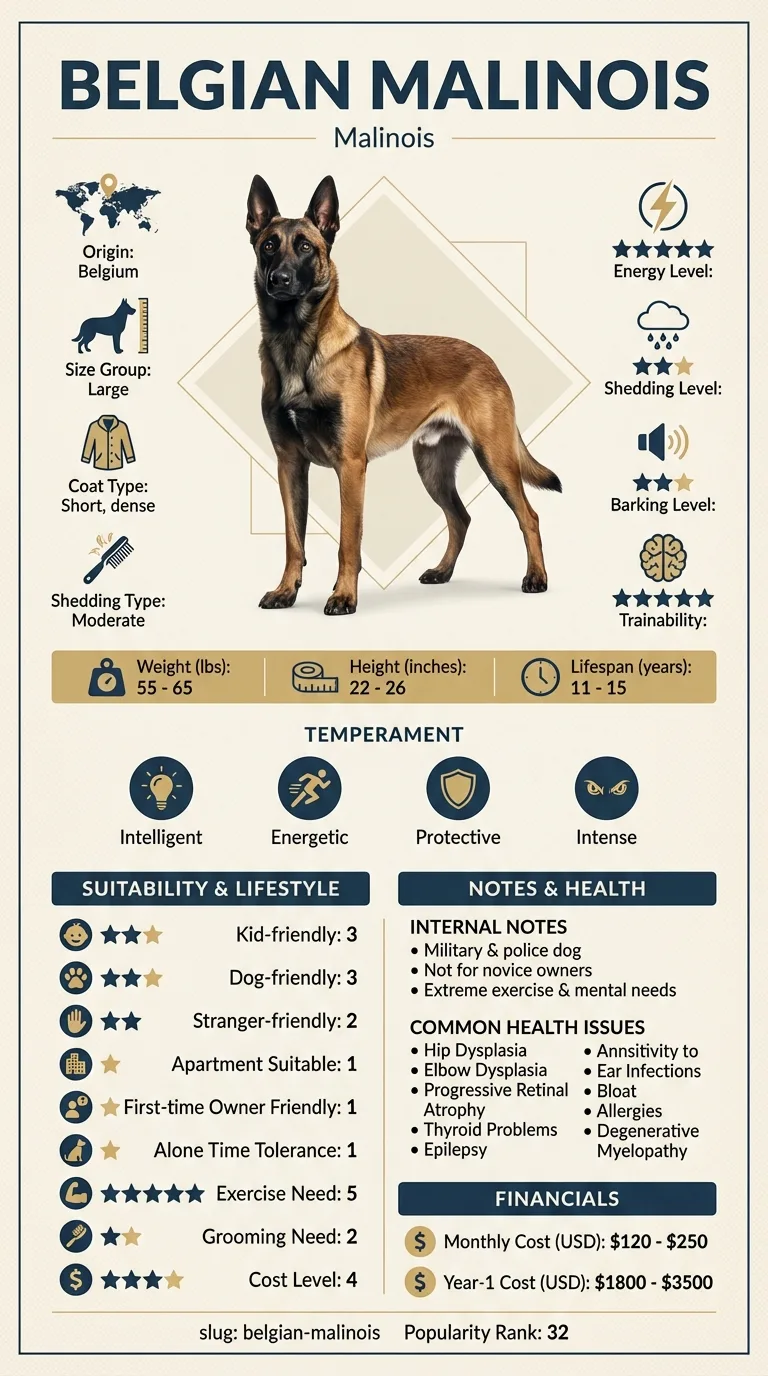
Typically, first-time owners and families with busy lifestyles may struggle to identify and manage cardiac disease in their Belgian Malinois. Owners who may not be familiar with the breed's specific health issues might find it challenging to navigate the symptoms and treatment options.
This guide is not medical advice. If your dog shows pain, sudden behavior change, or worsening symptoms, consult a licensed veterinarian.
Some links may be affiliate links. We may earn a commission at no extra cost to you. We only suggest products we believe are helpful for dog owners.
We research and check what we publish, but we do not warrant that any figure, date, price, or statement is accurate, complete, or current, and we accept no liability for any loss, cost, injury, or other harm arising from the use of this site. Use it as one reference among several. You remain responsible for your own decisions and for your dog's care - confirm anything that matters with a licensed veterinarian or another qualified professional before you act on it. Full disclaimer.
Check this first
Recognizing when your Belgian Malinois is facing a cardiac emergency is crucial. Some signs indicate immediate veterinary attention is needed, while others may simply require monitoring. If your Malinois exhibits any of the following red flags, call your vet right away:
- Severe coughing or wheezing: This can indicate fluid in the lungs or other serious issues. - Difficulty breathing: If your dog is struggling to breathe, it’s critical to seek help immediately. - Unusual lethargy: If your Malinois suddenly becomes excessively tired or weak, this could signal a heart problem. - Fainting or collapsing: Any loss of consciousness is a clear emergency. - Swollen abdomen: This can be a sign of heart failure or other serious conditions.
On the other hand, there are mild symptoms that you can monitor. If your dog shows signs like occasional coughing, slight lethargy, or minor changes in appetite, you may not need to rush to the vet. Instead, keep a close eye on these symptoms and consider scheduling a vet visit for a thorough check-up if they persist or worsen. Maintaining a log of symptoms can also help your vet understand your dog's condition better.
It's essential to trust your instincts as a pet owner. If you are ever in doubt, it’s always better to be safe and consult your veterinarian. They may recommend a treatment plan or further testing to ensure your Belgian Malinois stays healthy.
If any of these apply, call your vet or an emergency clinic now. The rest of this page is for the cases that are not an emergency.
Belgian Malinois cardiac disease can lead to serious health issues for your dog. This condition often manifests as lethargy, difficulty breathing, or cough. It’s important to recognize these signs early, as they can indicate worsening heart function.
While cardiac disease is more prevalent in older dogs, Belgian Malinois can be affected due to their genetics and lifestyle. Regular vet check-ups are essential for early detection.
Belgian Malinois are known for their high energy and intense nature. Unfortunately, this breed can be predisposed to cardiac disease due to their physical demands and stress levels. Their protective instincts and need for mental stimulation can also contribute to heart issues if not properly managed.
Environmental factors, such as a lack of exercise and poor nutrition, can worsen heart problems in Belgian Malinois. If they don't get enough physical activity or are fed a low-quality diet, their risk of developing cardiac disease increases. Stressful environments, like chaotic households, may further impact their heart health.
If you notice symptoms like coughing, fatigue, or difficulty breathing, contact your vet immediately. Early intervention is crucial for managing cardiac disease effectively.
Understanding what not to do is just as important as knowing how to help your Belgian Malinois with cardiac disease. Here are some common mistakes that can worsen their condition.
Start here: Belgian Malinois Most Common Genetic Disorders: Screening
See all Belgian Malinois health problems, which breeds are prone to cardiac disease, or the full Belgian Malinois breed guide for temperament, exercise needs and ownership costs.
Managing Belgian Malinois cardiac disease can take several weeks to months. Regular vet visits and continuous monitoring are essential.
Success means finding a treatment plan that stabilizes your dog's condition and helps them maintain a good quality of life. You'll notice improved energy levels and overall well-being.
When Lisa adopted Max, her energetic Belgian Malinois, she was excited. However, she soon discovered he had cardiac disease after a routine vet check. It was tough for Lisa to see Max struggle with fatigue and shortness of breath. With guidance from her vet, she adjusted his diet, started a gentle exercise routine, and learned techniques to keep him calm. Over time, Max showed signs of improvement, and Lisa felt hopeful again. They even enjoyed their daily walks, albeit at a slower pace.
Key takeaway: Understanding and managing your dog's cardiac disease requires patience, care, and support from your vet. With the right approach, you can enhance your dog's quality of life.
Belgian Malinois can develop cardiac disease due to genetics, age, and lifestyle factors. Regular vet check-ups are essential for early detection. Maintaining a healthy diet and exercise can also help mitigate risks. This answer relates to Belgian Malinois cardiac disease.
To reduce the risk of cardiac disease in your Belgian Malinois, ensure they get regular exercise and a balanced diet. Keep their weight in check and schedule routine veterinary check-ups. Monitoring their heart health is crucial as they age.
Yes, training should focus on low-impact activities that don't overexert your dog. Incorporate mental stimulation through puzzle toys or obedience training to keep them engaged without straining their heart.
Absolutely! A heart-healthy diet rich in omega-3 fatty acids can support cardiac health. Consult your veterinarian for specific dietary recommendations based on your dog's needs.
Exercise is essential, but it should be moderate and tailored to your dog's condition. Short, frequent walks and gentle play can help maintain their overall health without putting too much strain on their heart.
Early signs of cardiac disease may include coughing, difficulty breathing, and decreased exercise tolerance. If you notice these symptoms, it's important to consult your vet as soon as possible.
Managing a Belgian Malinois with cardiac disease often involves a combination of medication, a specialized diet, and regular vet check-ups. Ensuring your dog maintains a healthy weight and gets appropriate exercise is crucial.
Yes, cardiac disease can have hereditary factors in Belgian Malinois. Responsible breeding practices can help reduce the risk, so it's important to choose breeders who screen for health issues.
Low-impact exercise, such as short walks and gentle play, is generally recommended for Belgian Malinois with cardiac disease. Always consult your vet to tailor an exercise plan that suits your dog's condition.
Euthanasia is a difficult decision and should be considered when your dog is suffering and their quality of life is significantly diminished. Discussing your concerns with your vet can help you make the best decision for your pet.
Keep up with regular vet visits, feed a heart-healthy diet, and manage their exercise levels carefully.
Aim for short, gentle walks multiple times a day instead of long, strenuous sessions.
Look for signs like coughing, lethargy, or any changes in appetite or behavior.
Yes, stress can have a negative impact on heart health, so it's important to create a calm environment for your dog.
Yes, avoid high-impact activities like running or jumping that can strain their heart.
A one-page prep sheet for this condition: the signs, the questions to ask, what to get priced. Unlocks here.
You get: Vet visit prep sheet
No spam. One-click unsubscribe. See our privacy policy.
Preview page 1 before you decide.