DogBreedCompass
← Back to breed profile

Belgian Malinois Brachycephalic Airway Syndrome (BOAS)

Belgian Malinois brachycephalic airway syndrome (BOAS) can cause serious breathing issues, especially in hot weather.

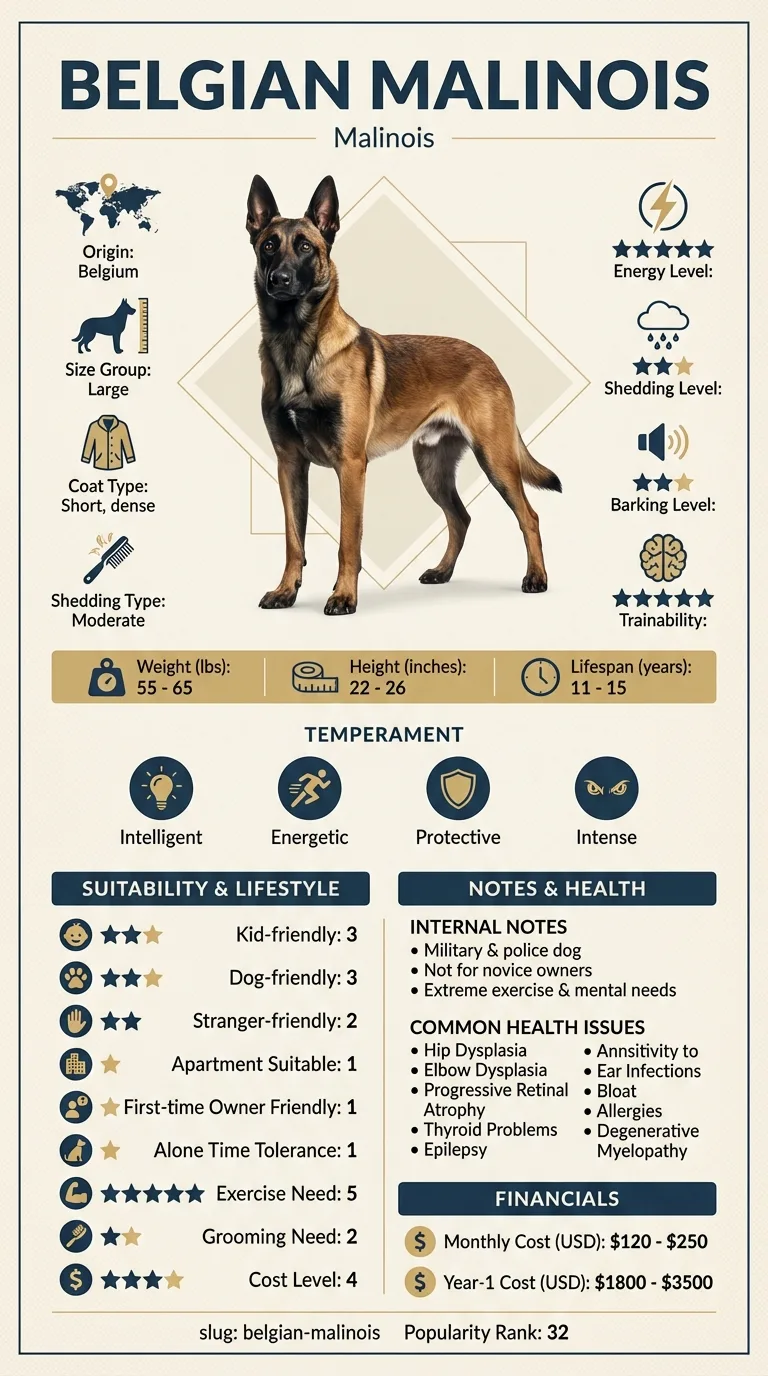
Belgian Malinois Brachycephalic Airway Syndrome (BOAS) infographic

Owners of Belgian Malinois, especially those living in warmer climates or with active lifestyles, often struggle with managing this condition. First-time dog owners may find it particularly challenging to recognize the signs and take necessary precautions.

Important reminder

This guide is not medical advice. If your dog shows pain, sudden behavior change, or worsening symptoms, consult a licensed veterinarian.

Some links may be affiliate links. We may earn a commission at no extra cost to you. We only suggest products we believe are helpful for dog owners.

What this problem looks like

Belgian Malinois brachycephalic airway syndrome (boas) is a serious health issue that affects the dog's ability to breathe normally. This condition is characterized by restricted airflow due to anatomical abnormalities in the airways. Owners may notice their Malinois struggling to breathe, especially during exercise or in hot weather, which can lead to distress and health complications.

Common triggers

  • Hot weather and high humidity
  • Excessive exercise or play
  • Being overly excited or stressed
  • Obesity, which can exacerbate breathing difficulties

Brachycephalic airway syndrome is relatively common in Belgian Malinois, particularly as they age. It's important for owners to be aware of the signs and manage their dog's activity levels to minimize risks.

Why this happens

Breed factors

Belgian Malinois are not typically classified as brachycephalic breeds; however, some individual dogs may have anatomical traits that lead to breathing difficulties. These traits can include a short muzzle and a narrow trachea, which can contribute to Brachycephalic Airway Syndrome (BOAS). This condition often leads to obstructed airflow, making it hard for the dog to breathe comfortably, especially during exercise or in hot weather.

Environment factors

Environmental factors can also play a role in exacerbating BOAS. High temperatures, humidity, and airborne allergens can increase discomfort for your Malinois. Additionally, stress from a hectic environment or lack of proper exercise can worsen breathing issues, making it important to create a calm and controlled space for your dog.

What you can try

At-home strategies

  • Keep your Belgian Malinois in a cool, well-ventilated area, especially during hot weather. Ensure they stay hydrated and take breaks during exercise.
  • Monitor your dog's breathing closely. If they show signs of distress, such as panting heavily or coughing, reduce activity levels immediately.
  • Implement gentle training techniques to help your dog remain calm during stressful situations. Use positive reinforcement to encourage relaxed behavior.

When to consider a trainer

If your Belgian Malinois continues to show signs of anxiety or breathing difficulties despite your efforts, consider consulting a professional dog trainer. A trainer can provide personalized strategies for managing your dog's stress and improving their overall behavior.

When to talk to your vet

If your dog frequently struggles to breathe, especially during exercise or in heat, it's crucial to consult a veterinarian. They can assess your dog's condition and recommend treatments or interventions to ease their symptoms.

Realistic expectations

Expect noticeable improvements in 4 to 6 weeks with consistent training and management.

Success means your Belgian Malinois can breathe more easily during exercise and shows fewer signs of distress in warm weather.

Mistakes that make this worse

Avoiding common mistakes can help alleviate your Belgian Malinois's brachycephalic airway syndrome (boas). Here are some behaviors to steer clear of.

  • Ignoring symptoms: If your Belgian Malinois shows signs of breathing difficulties, like excessive panting or wheezing, don’t dismiss them. Consult your vet promptly to address potential health issues.
  • Overexerting during exercise: While Malinois need exercise, pushing them too hard can worsen breathing problems. Opt for shorter, more frequent walks instead of long runs, especially in hot weather.
  • Using a collar instead of a harness: Collars can put pressure on your dog's throat, making breathing harder. Always use a front-clip harness to distribute pressure evenly and keep their airways clear.
  • Allowing weight gain: Extra weight can exacerbate breathing issues. Maintain a healthy diet and regular exercise routine to keep your Malinois in shape.
  • Neglecting temperature control: Heat can severely impact a Malinois's breathing. Ensure they have access to cool areas and plenty of water, especially during summer outings.
  • Forgetting to monitor during stress: Stress can trigger breathing problems. Be mindful of situations that might cause anxiety, and provide a calm environment for your dog.
  • Delaying training: Failing to train your dog can lead to behavioral issues that increase anxiety and stress, worsening their breathing. Start basic obedience training early to help your Malinois feel secure.

When Belgian Malinois Brachycephalic Airway Syndrome (BOAS) is an Emergency

Brachycephalic Airway Syndrome (BOAS) can vary in severity. It's crucial to know when it's an emergency and when it might be manageable at home. If your Belgian Malinois shows any of the following red-flag signs, call your vet immediately: severe difficulty breathing, blue-tinged gums, excessive panting even at rest, or collapsing. These symptoms indicate that your dog may need urgent care.

On the other hand, if your Malinois is mildly affected—showing some breathing noises or slight lethargy—monitor them closely. Ensure they are kept in a cool environment, as heat can exacerbate their condition. You can create a plan to manage their symptoms, including regular vet check-ups and gradual exercise routines. Keeping calm and observing is key in these situations, but don’t hesitate to reach out to a professional if you're unsure.

Understanding these distinctions can save your dog's life. Remember, always err on the side of caution; if you feel something is wrong, it's better to consult your vet.

Belgian Malinois Brachycephalic Airway Syndrome (BOAS) - When Belgian Malinois Brachycephalic Airway Syndrome (BOAS) is an Emergency

Overcoming Breathing Challenges: Max's Journey

Emily, a first-time owner of a Belgian Malinois named Max, noticed he struggled to breathe during walks, especially on hot days. Concerned, she learned about Belgian Malinois brachycephalic airway syndrome (boas) and how to stop it. With guidance from a vet, she adjusted Max's exercise routine, incorporating shorter sessions, and focused on training techniques to keep him calm. After several weeks, Max showed significant improvement, enjoying longer walks without panting excessively.

Key takeaway: With proper management and training, you can help your Belgian Malinois thrive, even with brachycephalic airway syndrome.

Frequently asked questions

Why does my Belgian Malinois have brachycephalic airway syndrome (boas)?

Brachycephalic airway syndrome (boas) occurs due to the unique physical characteristics of certain breeds, including the Belgian Malinois. Their shorter snouts can lead to breathing difficulties, especially during exercise or in hot weather. Consult your vet if you notice signs of distress.

How can I help my Belgian Malinois with brachycephalic airway syndrome (boas)?

To assist your Belgian Malinois, ensure they have a cool, safe environment and avoid strenuous exercise, especially in heat. Regular vet check-ups can monitor their condition and suggest treatments like surgery if necessary.

Are there specific training techniques for Belgian Malinois with boas?

Yes, training should incorporate positive reinforcement techniques that minimize stress. Short training sessions are best, as they can help manage their breathing while still providing mental stimulation.

What are the signs of breathing problems in a Belgian Malinois with boas?

Signs can include excessive panting, coughing, or difficulty breathing, especially after exercise. If your Malinois displays these symptoms, contact your veterinarian for a thorough evaluation.

What modifications should I make at home for a Belgian Malinois with boas?

Create a comfortable living space with ample ventilation and avoid extreme temperatures. Additionally, consider using a harness instead of a collar to prevent pressure on their neck when walking.

What are the signs of brachycephalic airway syndrome (boas) in a Belgian Malinois?

Common signs of Belgian Malinois brachycephalic airway syndrome (boas) include noisy breathing, snoring, and difficulty breathing, especially during exercise or in hot weather. If your Malinois shows signs of distress or excessive panting, it's important to consult a vet.

Can older Belgian Malinois develop brachycephalic airway syndrome (boas)?

Yes, older Belgian Malinois can develop brachycephalic airway syndrome (boas), especially if they have a history of breathing issues. Regular vet check-ups can help catch any developing problems early.

How can I help my Belgian Malinois with brachycephalic airway syndrome (boas) during exercise?

To help your Belgian Malinois with brachycephalic airway syndrome (boas) during exercise, choose cooler times of the day for walks and avoid strenuous activities. Always carry water and take frequent breaks to allow your dog to rest and cool down.

Is surgery an option for treating brachycephalic airway syndrome (boas) in my Belgian Malinois?

Surgery can be an option for treating severe cases of Belgian Malinois brachycephalic airway syndrome (boas). Consult with your veterinarian to determine if your dog's condition warrants surgical intervention.

What lifestyle changes can help manage my Belgian Malinois with brachycephalic airway syndrome (boas)?

Managing your Belgian Malinois with brachycephalic airway syndrome (boas) involves providing a cool, stress-free environment and avoiding high temperatures. Also, monitor their weight and ensure they get regular, light exercise to maintain overall health.

Quick answers

View more answers
Behavior

What are quick tips for managing Belgian Malinois brachycephalic airway syndrome (boas)?

Ensure your Belgian Malinois stays cool and hydrated, especially during warm weather. Monitor their breathing during exercise and keep training sessions short and positive.

Costs

How much does treatment for Belgian Malinois brachycephalic airway syndrome (boas) cost?

Treatment costs can vary widely, but initial vet visits may range from $100 to $300, while surgical options can cost upwards of $1,000.

Health

Is brachycephalic airway syndrome (boas) serious for my Belgian Malinois?

Yes, it can lead to serious health issues if not managed properly. Keeping your Malinois at a healthy weight and monitoring their breathing is crucial.

Training

Can I train my Belgian Malinois with boas without causing stress?

Absolutely! Use short training sessions with plenty of breaks. Focus on positive reinforcement to keep them motivated without overexerting them.

Living

What lifestyle changes can help my Belgian Malinois with boas?

Create a calm home environment, avoid strenuous activities in heat, and schedule regular vet check-ups to monitor their health.

Related DogBreedCompass guides

Related guides