Behavior
What are some quick tips for Belgian Malinois bloat (gastric dilatation-volvulus/gdv)?
Feed smaller, more frequent meals, avoid exercise right after eating, and use slow feeder bowls.
Belgian Malinois bloat (gastric dilatation-volvulus) is a serious, potentially life-threatening condition. Understanding its symptoms and prevention can save your dog's life. (Belgian Malinois bloat (gastric dilatation-volvulus/gdv))
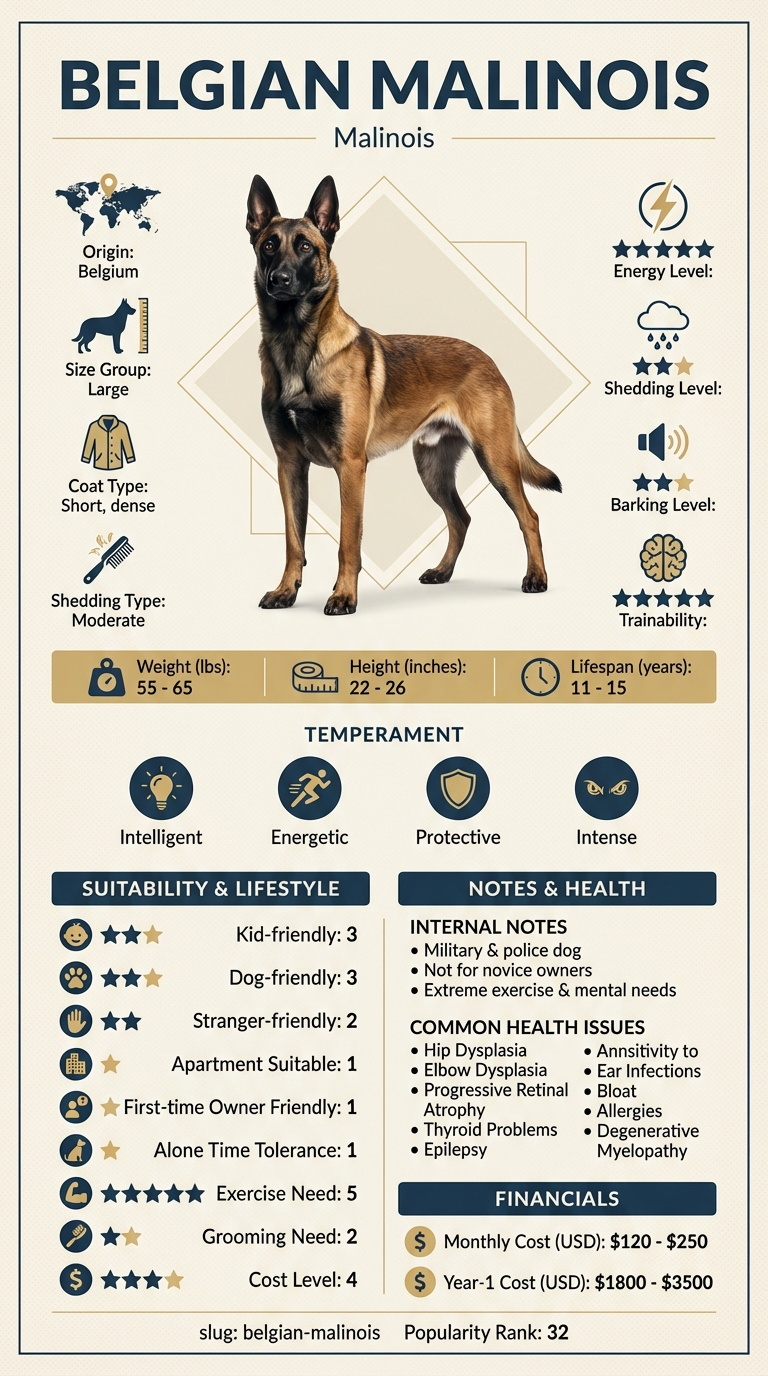
Owners of Belgian Malinois, especially those who are new to the breed, often face challenges with bloat. This breed is active and energetic, which can contribute to the problem if not managed properly.
This guide is not medical advice. If your dog shows pain, sudden behavior change, or worsening symptoms, consult a licensed veterinarian.
Some links may be affiliate links. We may earn a commission at no extra cost to you. We only suggest products we believe are helpful for dog owners.
Belgian Malinois bloat, also known as gastric dilatation-volvulus (GDV), is a serious condition that can cause a dog's stomach to fill with gas and twist. This leads to severe pain and can be life-threatening if not treated immediately. Common signs include a distended abdomen, restlessness, and excessive drooling.
Bloat is a significant concern for Belgian Malinois, especially in larger breeds. It's not uncommon, and owners should be aware of the signs to act quickly if it occurs.
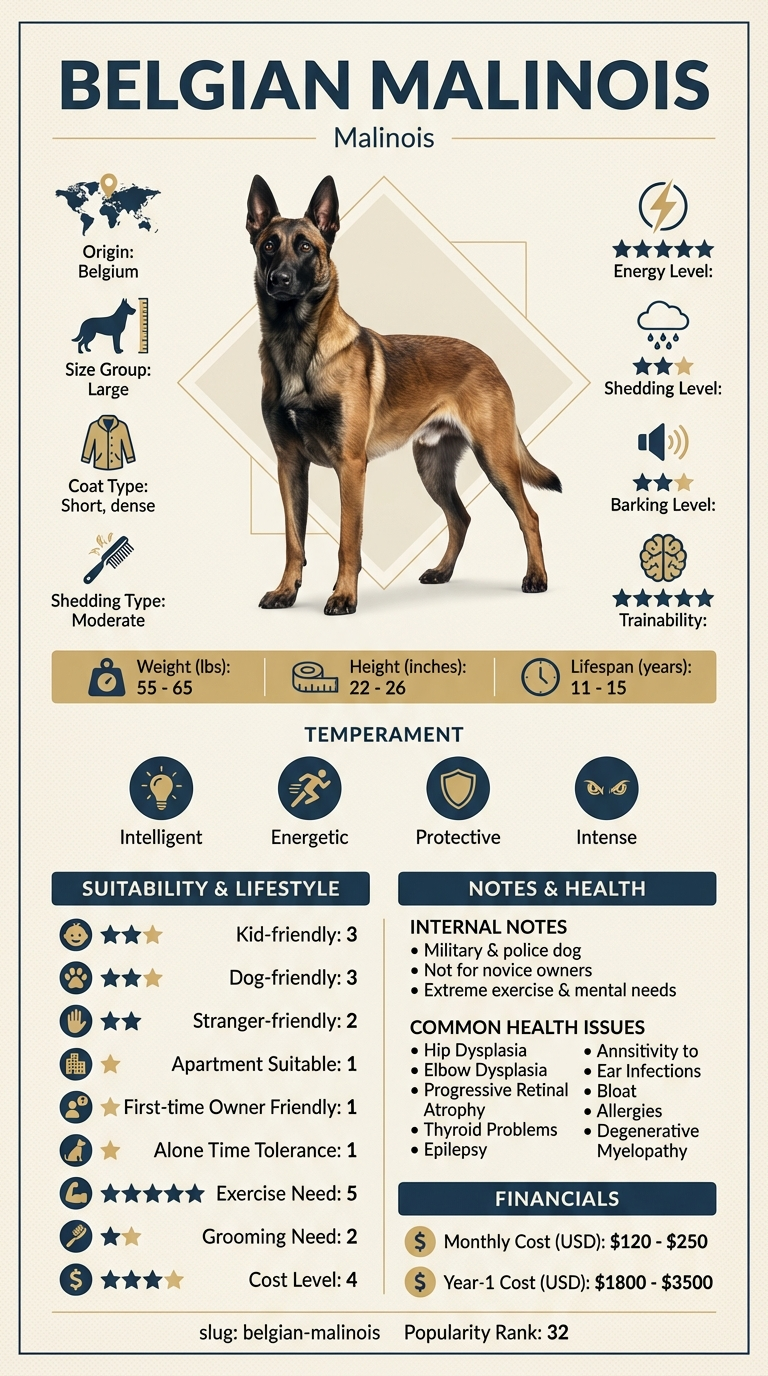
Belgian Malinois are large, athletic dogs with deep chests, making them more prone to bloat (gastric dilatation-volvulus). Their high energy and rapid eating can contribute to this dangerous condition. Additionally, certain genetic factors may increase the likelihood of bloat in this breed.
Bloat can also be triggered by environmental factors such as stressful situations, eating too quickly, or consuming large meals in a single sitting. If your Malinois is often anxious or has a routine that includes heavy exercise right before or after meals, the risk of bloat can increase.
If your Belgian Malinois shows signs of anxiety during meals or has trouble calming down, a professional trainer can help. They can teach strategies to create a more relaxed feeding environment, which can help prevent bloat.
If your dog displays symptoms of bloat, such as a distended belly, excessive drooling, or restlessness, contact your vet immediately. Bloat is a medical emergency and requires urgent treatment to prevent severe complications.
With consistent care and training, you can expect to see improvements in your Belgian Malinois's habits regarding bloat within 2 to 3 months. However, monitoring and preventive measures should be a lifelong commitment.
Success means your dog shows fewer signs of discomfort after eating, maintains a healthy weight, and has a regular feeding schedule that reduces the risk of bloat. You should feel confident in managing their diet and behavior.
Avoiding these common mistakes can help prevent exacerbating Belgian Malinois bloat (gastric dilatation-volvulus/GDV). Here are several behaviors that can lead to further issues.
Recognizing when Belgian Malinois bloat, or gastric dilatation-volvulus (GDV), is an emergency can be life-saving. If your Malinois shows any signs of severe distress, it's crucial to act quickly. This condition can escalate rapidly, so be aware of the red flags that signal it's time to call your vet immediately.
Watch for these urgent signs that indicate GDV: severe abdominal swelling, unproductive vomiting, restlessness, excessive drooling, or a rapid heartbeat. If your dog has difficulty breathing or collapses, don’t hesitate—these are critical signs of shock or severe pain.
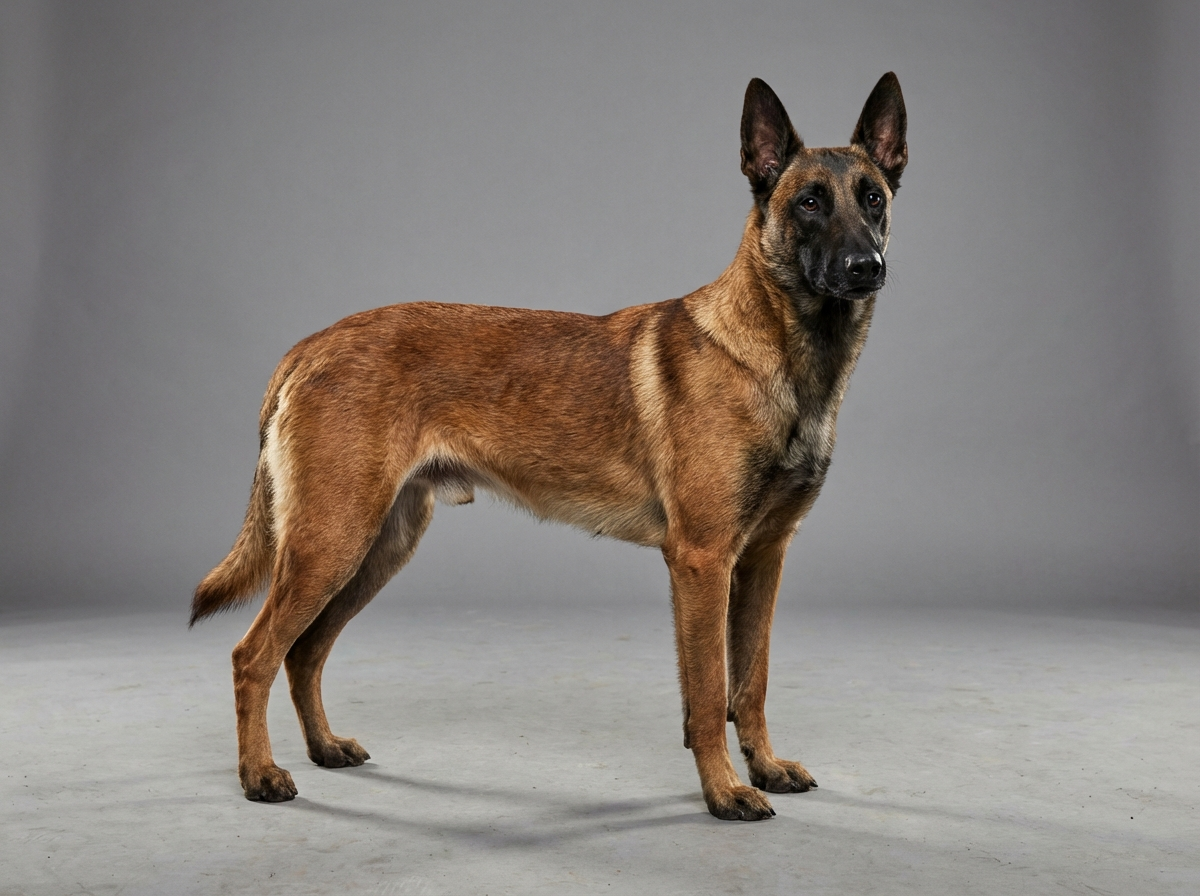
Not all cases of bloat will escalate to an emergency. If your Belgian Malinois shows mild discomfort, like slight bloating or minor vomiting without distress, monitor their behavior closely. Keep a watchful eye for changes over a few hours, but don't wait too long to seek help if symptoms worsen.
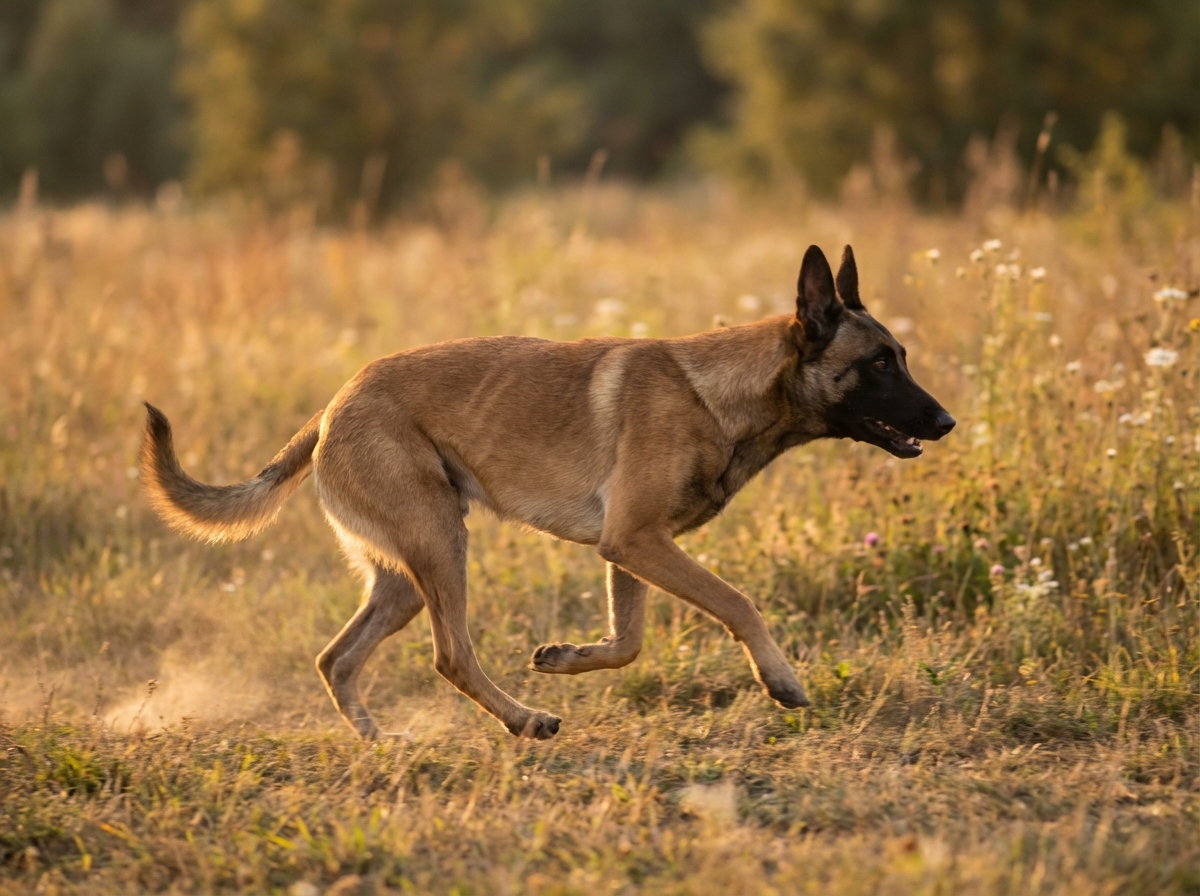
Rita, a busy nurse in Chicago, adopted Max, a high-energy Belgian Malinois. Soon after bringing him home, she noticed he was bloating after meals, causing her significant worry. After consulting her vet, she learned about the risks of GDV and implemented a feeding schedule with smaller meals throughout the day, along with regular exercise. Gradually, Max's bloating decreased, and Rita felt relieved knowing she was taking proactive steps to keep him healthy.
Key takeaway: Understanding the signs of bloat and adjusting feeding habits can dramatically improve your Belgian Malinois's health and your peace of mind.
Belgian Malinois can develop bloat due to several factors, including eating too quickly, being overly active after meals, or having a genetic predisposition. If your dog shows signs like a swollen abdomen or attempts to vomit without success, seek immediate veterinary care. This answer relates to Belgian Malinois bloat (gastric dilatation-volvulus/gdv).
To prevent bloat, feed your Belgian Malinois smaller meals throughout the day instead of one large meal. Avoid vigorous exercise for at least an hour after eating, and consider using a slow feeder bowl to encourage slower eating.
Common signs include a distended stomach, restlessness, drooling, and attempts to vomit without success. If you notice these symptoms, it's crucial to get your dog to a vet immediately.
Treatment typically involves emergency surgery to relieve the pressure and reposition the stomach. Costs can range from $1,500 to $7,500, depending on the severity and required care.
While training cannot directly prevent bloat, it can teach your dog to eat more slowly and follow feeding routines. Consistent training and reinforcement can reduce anxiety around meals, which may help.
Signs of bloat in a Belgian Malinois can include a distended abdomen, restlessness, excessive drooling, and attempts to vomit without success. If you notice these symptoms, it's crucial to seek veterinary help immediately, as bloat can progress rapidly.
Yes, older Belgian Malinois can be at a higher risk for bloat due to age-related health changes. However, bloat can occur in younger dogs as well, especially those with certain risk factors like rapid eating or high anxiety levels.
If you suspect your Belgian Malinois has bloat, take them to the vet immediately. Time is critical, as this condition can lead to severe complications or even death if not treated quickly.
To reduce the risk of bloat, consider feeding smaller, more frequent meals and avoiding vigorous exercise immediately after eating. Also, using a slow feeder bowl can help prevent rapid eating, which is a contributing factor.
While there is no definitive proof that bloat is hereditary, certain breeds, including the Belgian Malinois, may have a genetic predisposition. It's essential to monitor dogs with a family history of bloat closely and consult a veterinarian for personalized advice.
Feed smaller, more frequent meals, avoid exercise right after eating, and use slow feeder bowls.
Get your dog to a vet immediately if you notice signs like a swollen belly or unsuccessful vomiting.
Treatment costs can range from $1,500 to $7,500, depending on the required medical care.