Behavior
What are Belgian Malinois allergies quick tips?
Regularly clean your dog's living area and bathe them with hypoallergenic shampoos to reduce allergens. Consult your vet for appropriate medications to manage symptoms.
Belgian Malinois allergies can cause discomfort and health issues for your dog. Understanding these allergies is crucial for their well-being.
Owners of Belgian Malinois, especially first-time dog parents, may struggle with managing these allergies. Busy families or individuals who are not familiar with dog health issues often find it challenging to identify and treat allergy symptoms effectively.
This guide is not medical advice. If your dog shows pain, sudden behavior change, or worsening symptoms, consult a licensed veterinarian.
Some links may be affiliate links. We may earn a commission at no extra cost to you. We only suggest products we believe are helpful for dog owners.
Belgian Malinois allergies can manifest in various ways, including itchy skin, red eyes, and frequent ear infections. These symptoms can be triggered by certain foods, pollen, dust, or even household cleaning products. Owners often notice their Malinois scratching, licking, or shaking their head more than usual, which can be distressing for both the dog and the owner.
Allergies are relatively common in Belgian Malinois, with many owners reporting at least one allergy issue during their dog's lifetime. While not every Malinois will face this problem, the breed's sensitivity means that allergies can be a regular concern for many owners.
Belgian Malinois are known for their sensitive skin and immune systems. This breed can inherit allergies from their parents, leading to reactions from food, pollen, or flea bites. Their energetic and intense nature can also make them more prone to stress-related allergies.
Environmental factors play a huge role in allergies for Malinois. Dust, mold, and pollen in their surroundings can trigger allergic reactions. Additionally, a diet that includes common allergens like grains or certain proteins can exacerbate their symptoms.
If your dog's allergies are leading to behavioral issues, such as excessive scratching or anxiety, consider consulting a trainer. A professional can help address these behaviors and suggest ways to manage stress related to allergies.
If your Belgian Malinois shows signs of severe allergic reactions, like persistent vomiting, swelling, or difficulty breathing, seek veterinary help immediately. Also, consult a vet if home remedies do not improve their condition or if you suspect food allergies.
You can expect to see improvements in your Belgian Malinois allergies within 4 to 8 weeks of implementing a consistent management plan.
Success means reduced allergy symptoms, such as less itching and fewer ear infections, allowing your dog to enjoy a better quality of life.
Avoiding these common mistakes can help improve your Belgian Malinois's allergy issues. Here are some behaviors to steer clear of.
Recognizing when your Belgian Malinois allergies need immediate attention is crucial. Some signs are clear red flags, while others can wait for a vet appointment. If your dog experiences severe swelling, difficulty breathing, or persistent vomiting, it’s time to call your vet right away. These symptoms can indicate a serious allergic reaction that requires urgent care.
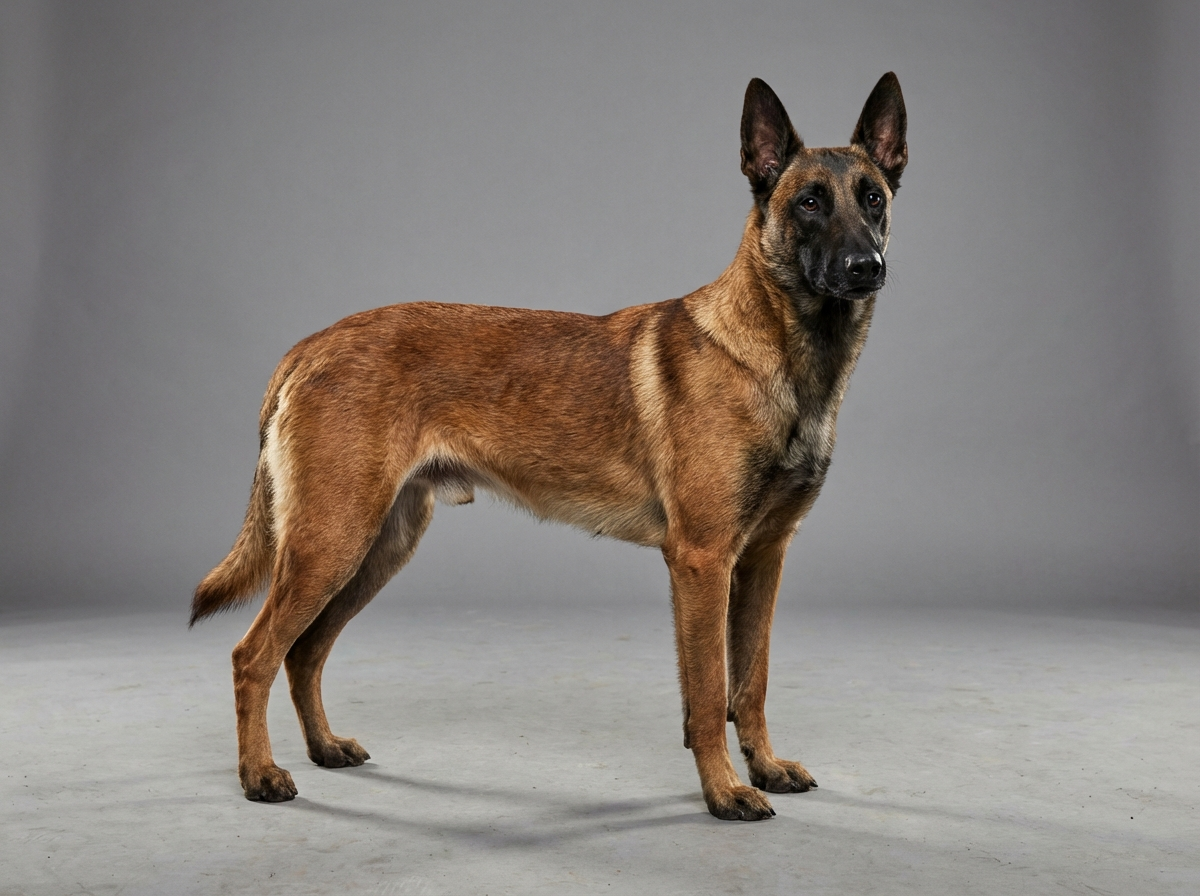
In less severe cases, you can monitor your Belgian Malinois at home. Mild symptoms like occasional itching, sneezing, or watery eyes can often be managed with over-the-counter remedies or changes in diet. Keep an eye on their behavior, and if symptoms persist for more than a few days, consult a vet for further advice.
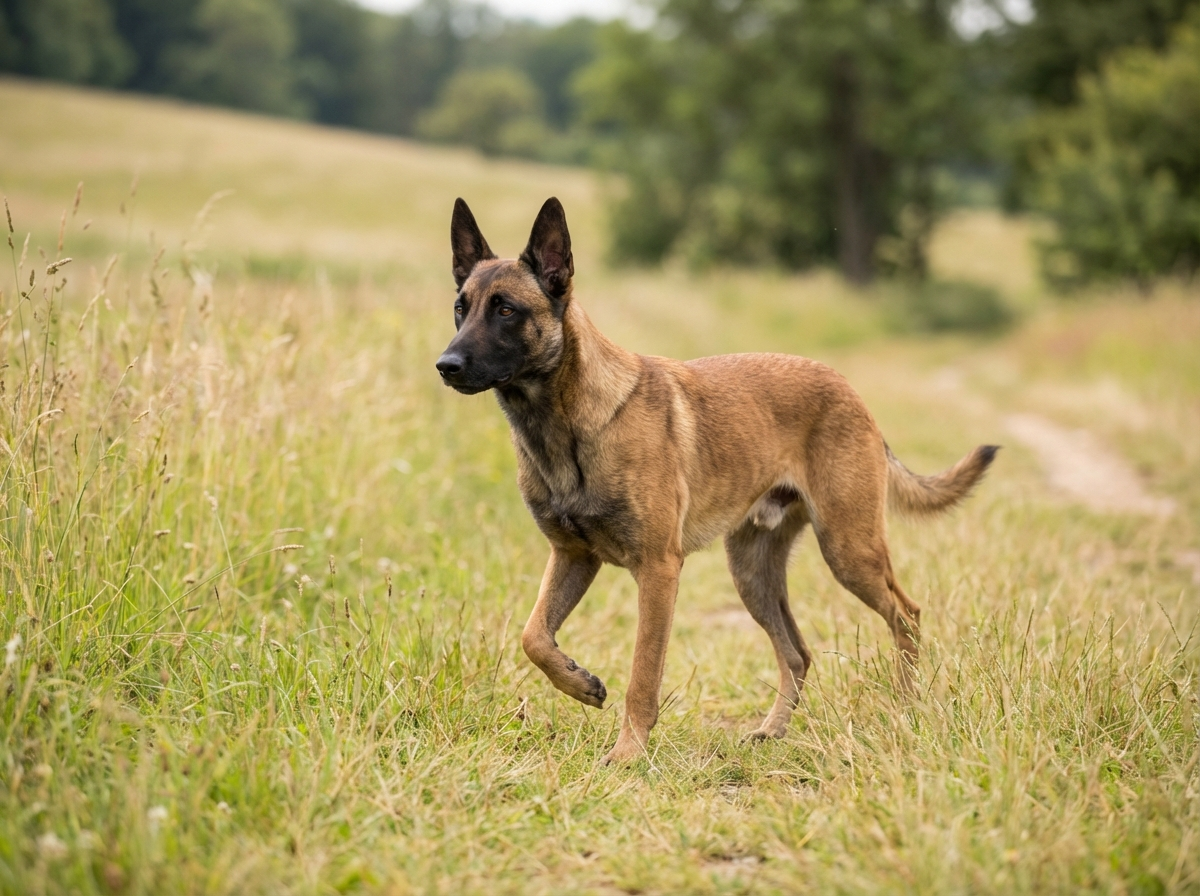
When Sarah adopted Max, her Belgian Malinois, she quickly noticed he was constantly scratching and had persistent ear infections. After a vet visit revealed food and environmental allergies, Sarah faced a tough road ahead. She revamped Max's diet, switching to a hypoallergenic food, and started a strict cleaning routine to minimize allergens at home. Within weeks, Max was scratching less and his ears began to clear up. They also incorporated regular vet check-ups and allergy tests to adjust his care. Sarah learned that managing Max’s allergies required patience, consistency, and a willingness to adapt.
Key takeaway: With the right approach, it's possible to manage Belgian Malinois allergies effectively, improving your dog's comfort and happiness.
Belgian Malinois can develop allergies due to various triggers, including food ingredients, pollen, dust mites, and mold. If you notice excessive itching, skin infections, or ear problems, it’s essential to consult a vet for proper diagnosis and treatment.
Start by keeping a detailed diary of your dog's symptoms and their environment or diet changes. Your vet may recommend allergy testing or an elimination diet to pinpoint specific allergens.
Symptoms often include itchy skin, excessive scratching, ear infections, and gastrointestinal upset. Look for signs like red, inflamed skin or persistent ear shaking, which are common indicators.
Managing Belgian Malinois allergies typically involves avoiding identified allergens and using medications prescribed by your vet. Regular baths with hypoallergenic shampoos can help soothe irritated skin.
Some dog owners find that limited-ingredient diets or hypoallergenic dog foods reduce allergy symptoms. Consult your vet for recommendations tailored to your dog's specific needs.
While training doesn’t directly address allergies, it can help manage behaviors associated with discomfort, like scratching. Training can reinforce positive behaviors when your dog is feeling anxious or itchy.
If your dog shows persistent symptoms like itching, ear infections, or gastrointestinal issues, it's time to see the vet. Early intervention can prevent more severe health issues.
Common signs of Belgian Malinois allergies include excessive scratching, watery eyes, and skin rashes. You might also notice your dog shaking their head frequently or developing ear infections. If you see any of these symptoms, it's best to consult your vet.
Yes, allergies can be hereditary in Belgian Malinois. If a parent has allergies, their puppies may also be predisposed to develop similar issues. Keeping an eye on the health history of the breed can help you anticipate potential problems.
You should take your Belgian Malinois to the vet if symptoms persist for more than a few days or worsen over time. Signs like severe itching, swelling, or difficulty breathing are particularly urgent. Early intervention can help prevent more serious health issues.
Some foods formulated for sensitive dogs can help manage Belgian Malinois allergies. Look for diets with limited ingredients that avoid common allergens like grains or specific proteins. Always consult your vet before making significant changes to your dog's diet.
Training alone won't reduce allergy symptoms, but it can help your dog cope better with discomfort. Teaching commands like 'leave it' can prevent your dog from scratching or irritating their skin further. Combine training with veterinary care for the best results.
Regularly clean your dog's living area and bathe them with hypoallergenic shampoos to reduce allergens. Consult your vet for appropriate medications to manage symptoms.
Create a dust-free environment by vacuuming often and using air purifiers. Limit outdoor exposure during high pollen seasons.
Treatments may include anti-histamines, corticosteroids, or specialized diets recommended by your vet. Always consult your vet before starting any treatment.
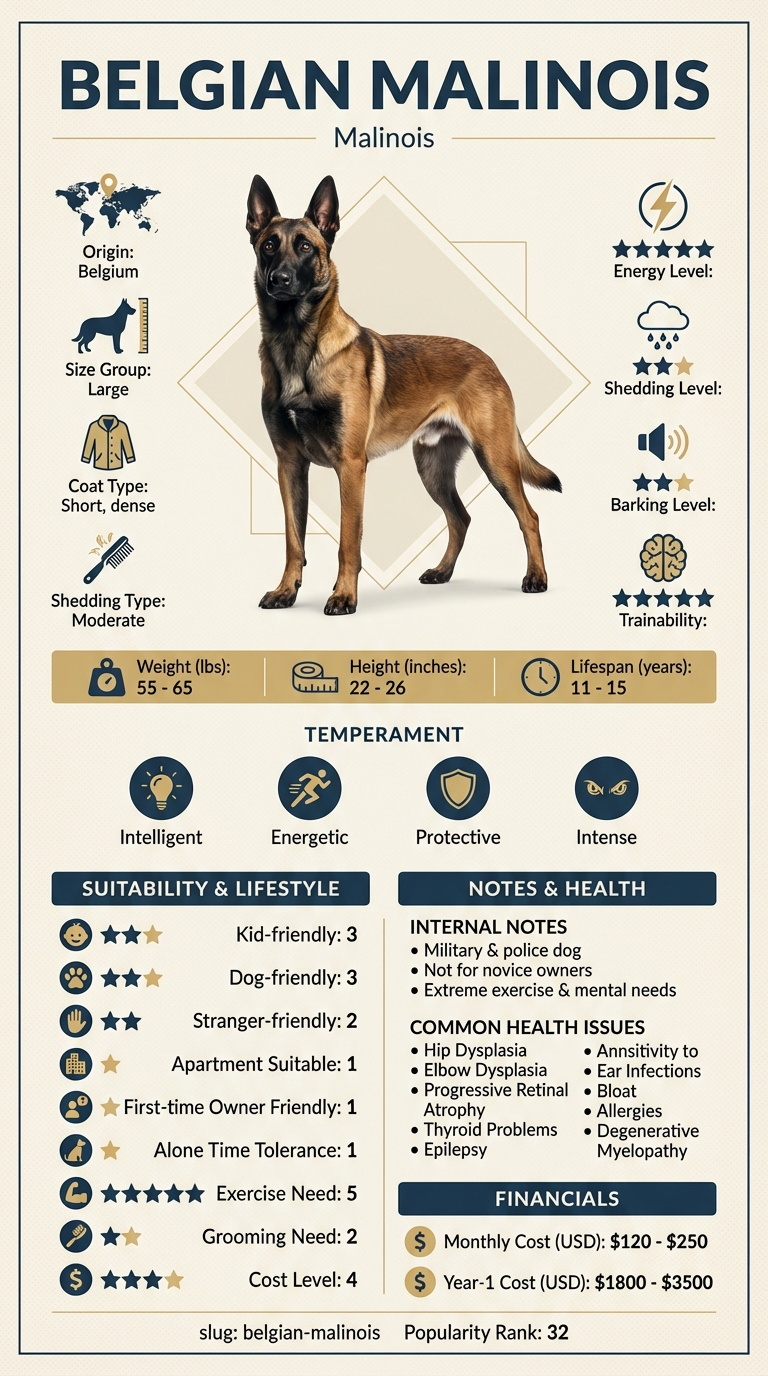
Treatment costs can vary widely, averaging between $120 to $250 monthly, depending on the severity and type of treatment required.