Health
What are some Beagle dilated cardiomyopathy (DCM) quick tips?
Keep regular vet appointments, maintain a healthy diet, and limit strenuous activities. Early intervention makes a big difference in managing DCM.

Quick answer
What are some Beagle dilated cardiomyopathy (DCM) quick tips?
Keep regular vet appointments, maintain a healthy diet, and limit strenuous activities. Early intervention makes a big difference in managing DCM.
Beagle dilated cardiomyopathy (DCM) is a serious heart condition that can significantly impact your dog's health. It's vital for Beagle owners to recognize the signs and manage this condition.
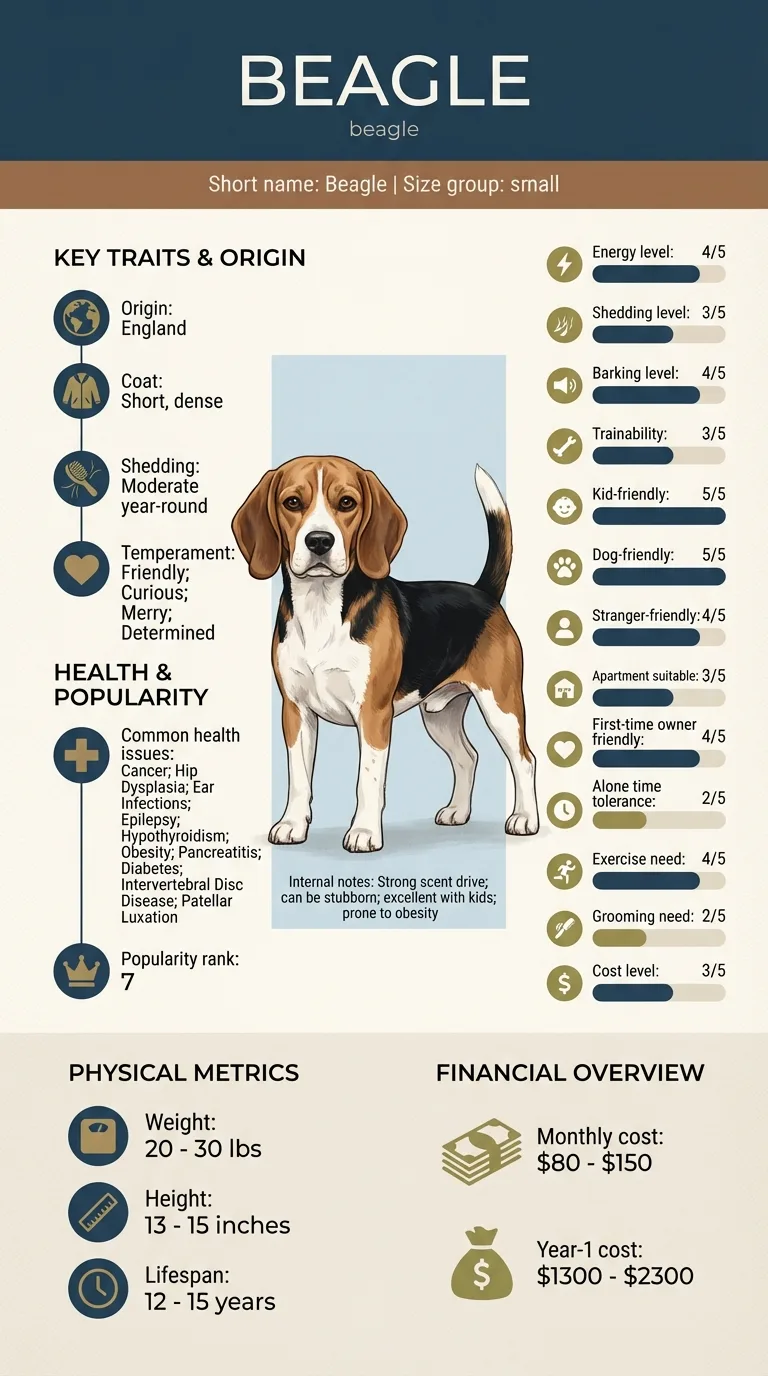
This issue often affects owners who may notice their Beagle becoming lethargic or having difficulty breathing. It's particularly concerning for first-time dog owners who may not recognize the symptoms or know how to respond.
This guide is not medical advice. If your dog shows pain, sudden behavior change, or worsening symptoms, consult a licensed veterinarian.
Some links may be affiliate links. We may earn a commission at no extra cost to you. We only suggest products we believe are helpful for dog owners.
We research and check what we publish, but we do not warrant that any figure, date, price, or statement is accurate, complete, or current, and we accept no liability for any loss, cost, injury, or other harm arising from the use of this site. Use it as one reference among several. You remain responsible for your own decisions and for your dog's care - confirm anything that matters with a licensed veterinarian or another qualified professional before you act on it. Full disclaimer.
Check this first
Recognizing when Beagle dilated cardiomyopathy (DCM) becomes an emergency is crucial. It's important to know the signs that require immediate veterinary attention versus those that can be monitored at home. If your Beagle shows any of the following red-flag symptoms, call your vet right away: sudden collapse, severe lethargy, difficulty breathing, or persistent coughing. These could indicate that the heart is struggling significantly, which can lead to serious complications.
In contrast, if your Beagle is showing mild symptoms such as occasional coughing, reduced exercise tolerance, or slight lethargy without distress, you might not need to rush to the vet immediately. Instead, create a plan to monitor your dog's condition closely. Schedule an appointment for a thorough check-up to evaluate heart function and discuss a management plan with your vet. It's always better to err on the side of caution, so if you have doubts, reach out to a professional.
DCM can be a daunting diagnosis, but knowing when to act can make a significant difference in your Beagle's health. Keep a close eye on any changes in behavior or physical condition, and do not hesitate to seek help when needed.
If any of these apply, call your vet or an emergency clinic now. The rest of this page is for the cases that are not an emergency.
Beagle dilated cardiomyopathy (DCM) is a serious heart condition that can affect your Beagle's daily life. This condition often leads to a weakened heart muscle, causing the heart to enlarge and struggle to pump blood effectively. Signs of DCM include lethargy, coughing, difficulty breathing, and fainting spells, which can be alarming for any dog owner.
DCM is relatively common among Beagles and can lead to serious complications, including sudden cardiac death. Regular vet check-ups are crucial for early detection, especially in older dogs.
Beagles are prone to certain genetic conditions, including dilated cardiomyopathy (DCM). This heart condition can develop due to inherited traits that affect the heart's ability to pump blood efficiently. If your Beagle has a family history of DCM, they may be at higher risk.
Environmental factors can also contribute to the onset of DCM. For example, obesity can strain a Beagle's heart, making this condition more likely. Additionally, lack of exercise or poor diet can exacerbate heart issues, leading to more serious health problems.
Consult your vet if you notice symptoms like coughing, lethargy, or difficulty breathing. Early detection of DCM can significantly improve treatment options and outcomes.
Many Beagle owners unknowingly delay progress in managing dilated cardiomyopathy (DCM). Here are some common mistakes to avoid, along with safer alternatives.
Start here: Beagle Most Common Genetic Disorders: What to Screen For
See all Beagle health problems, which breeds are prone to dilated cardiomyopathy dcm, or the full Beagle breed guide for temperament, exercise needs and ownership costs.
Managing Beagle dilated cardiomyopathy (DCM) can take several months. Initial assessment and diagnosis may happen within weeks, but ongoing treatment and monitoring will be continuous.
Success means stabilizing your Beagle's condition, improving their quality of life, and extending their lifespan. Regular vet check-ups and adherence to treatment plans are crucial.
When Sarah adopted Bella, a five-year-old Beagle, she was thrilled to have a friendly companion. However, after a few months, Bella started showing unusual fatigue and coughing. A trip to the vet revealed Bella had dilated cardiomyopathy (DCM). It was a tough diagnosis, but Sarah committed to following the vet's recommendations, which included a special diet, medications, and daily low-impact exercise. Over time, Bella's condition stabilized, allowing her to enjoy walks and playtime again. The experience brought Sarah and Bella closer together, proving that with the right care, even a serious health issue can be managed effectively.
Key takeaway: Staying proactive and following a vet's guidance can significantly improve a Beagle's quality of life when facing DCM.
Beagle dilated cardiomyopathy (DCM) is a serious heart condition that affects the heart's ability to pump blood effectively. It can lead to heart failure and even sudden cardiac death if not managed properly. It's essential to recognize the signs early and consult a vet.
To help your Beagle with dilated cardiomyopathy (DCM), focus on regular veterinary check-ups and a heart-healthy diet. Medication may be required to manage the condition, and reducing stress can also be beneficial for your dog’s overall well-being.
Watch for symptoms like lethargy, coughing, difficulty breathing, or fainting spells. If you notice any of these signs, contact your vet immediately. Early detection can improve your Beagle's quality of life.
While training won't cure Beagle dilated cardiomyopathy (DCM), it can help maintain a healthy weight and improve overall fitness. Focus on gentle exercises and mental stimulation to keep your Beagle engaged without overexerting them.
Yes, Beagle dilated cardiomyopathy (DCM) can be inherited. If your Beagle comes from a line with a history of heart issues, they may be more susceptible. Consider genetic testing if you're concerned, and consult your vet about preventive measures.
While there's no one-size-fits-all diet for Beagles with dilated cardiomyopathy (DCM), a low-sodium diet can help reduce strain on their heart. Always talk to your vet about the best dietary choices for your dog's specific health needs.
Seek emergency care for your Beagle with dilated cardiomyopathy (DCM) if they experience severe difficulty breathing, collapse, or sudden lethargy. Quick action can be crucial in preventing serious complications, so trust your instincts if something feels off.
Keep regular vet appointments, maintain a healthy diet, and limit strenuous activities. Early intervention makes a big difference in managing DCM.
Treatment costs can vary widely, typically ranging from $80 to $150 monthly, depending on medication and care.
Yes, Beagles can suffer from various health problems, including obesity, hip dysplasia, and ear infections. Regular vet check-ups are crucial.
Providing mental stimulation and regular, light exercise can help prevent behavior issues. Focus on positive reinforcement training.
A one-page prep sheet for this condition: the signs, the questions to ask, what to get priced. Unlocks here.
You get: Vet visit prep sheet
No spam. One-click unsubscribe. See our privacy policy.
Preview page 1 before you decide.