DogBreedCompass
← Back to breed profile

Understanding Basset Hound Osteochondritis Dissecans (OCD)

Basset Hound osteochondritis dissecans (OCD) can lead to joint pain and discomfort in your furry friend. This condition affects their mobility and quality of life.

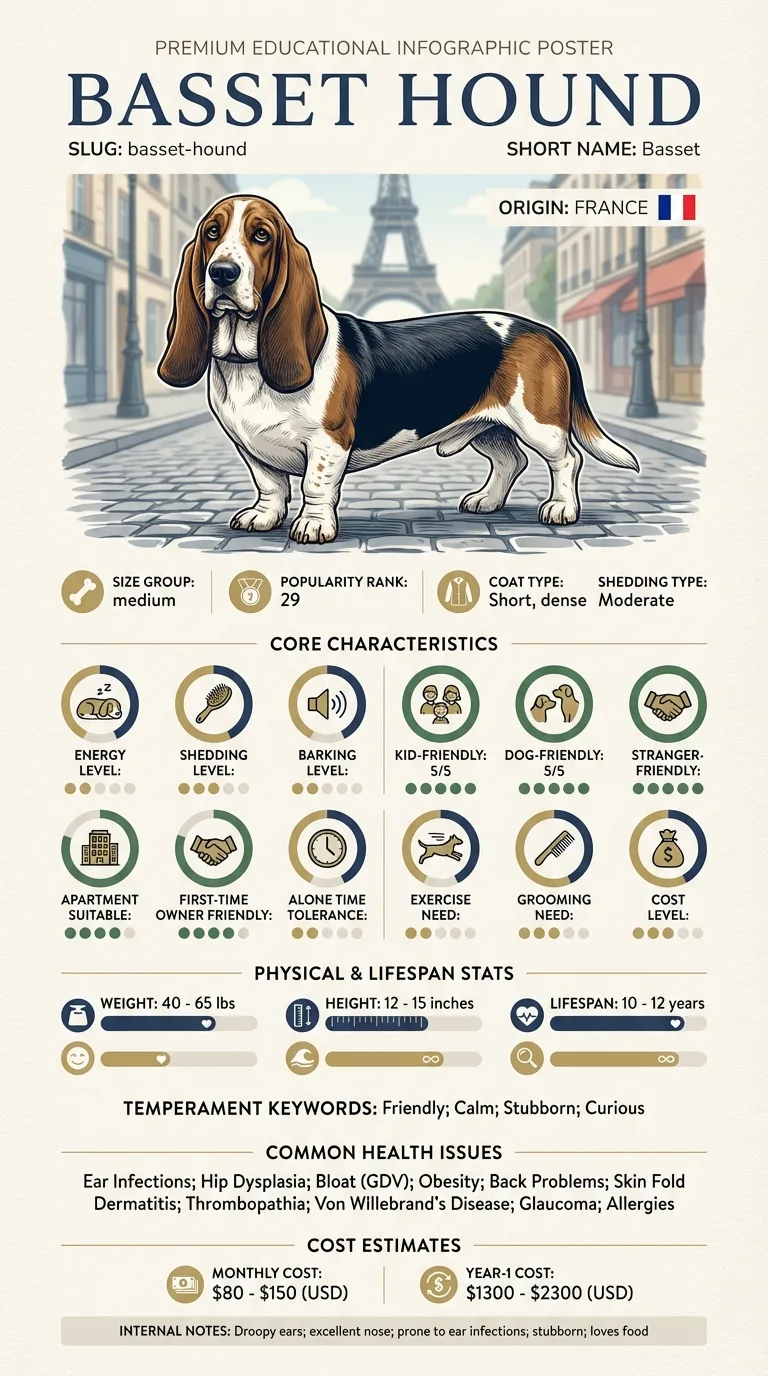
Understanding Basset Hound Osteochondritis Dissecans (OCD) infographic

Typically, Basset Hound owners may face challenges with this issue, especially if they have a young dog or a pup that shows signs of discomfort. Those who are not familiar with joint issues might find it particularly stressful.

Important reminder

This guide is not medical advice. If your dog shows pain, sudden behavior change, or worsening symptoms, consult a licensed veterinarian.

Some links may be affiliate links. We may earn a commission at no extra cost to you. We only suggest products we believe are helpful for dog owners.

What this problem looks like

Basset Hound osteochondritis dissecans (OCD) is a painful joint condition that often affects younger dogs. It occurs when cartilage doesn't develop properly, leading to discomfort and mobility issues. Daily life for a Basset with OCD may involve limping, reluctance to play, or difficulty standing up, making even simple activities a challenge.

Common triggers

  • Genetic predisposition, especially in certain breeds like Basset Hounds.
  • Rapid growth during puppyhood, making young dogs more susceptible.
  • High-impact activities that put stress on developing joints.

Osteochondritis dissecans (OCD) is relatively common in Basset Hounds, especially those between 4 to 12 months old. Many owners notice signs during this growth phase, which can lead to early diagnosis and treatment.

Why this happens

Breed factors

Basset Hounds are medium-sized dogs known for their friendly but stubborn nature. They can be prone to joint issues like osteochondritis dissecans (OCD) due to their physical structure and genetic predisposition. Their weight and body shape can increase stress on their joints, making them more susceptible to this condition.

Environment factors

Environmental factors like lack of proper exercise and obesity can worsen OCD in Basset Hounds. If they don't get enough movement, their joints may not develop correctly. Additionally, slippery surfaces can lead to injuries or exacerbate existing joint problems.

What you can try

At-home strategies

  • Ensure your Basset Hound is at a healthy weight. Monitor their diet and portion sizes to manage their weight effectively.
  • Provide low-impact exercises like short walks or gentle playtime to keep their joints moving without overexertion. Avoid high-impact activities that could stress their joints.
  • Consider using joint supplements, like glucosamine, after consulting with your vet. These can support joint health and potentially ease discomfort.

When to consider a trainer

If your Basset Hound shows persistent issues with mobility or seems reluctant to engage in activities, a professional trainer can help design a tailored exercise program. They can also assist with behavior training if your dog is hesitant due to discomfort.

When to talk to your vet

If you notice signs of pain, limping, or swelling in your Basset Hound's joints, consult your vet as soon as possible. Early intervention is crucial for managing osteochondritis dissecans effectively.

Realistic expectations

It typically takes 3 to 6 months of consistent care and management to see significant improvement in a Basset Hound with osteochondritis dissecans (OCD).

Success means your Basset Hound is experiencing reduced joint pain, improved mobility, and can participate in light activities without discomfort.

Mistakes that make this worse

Avoiding these common mistakes can help improve your Basset Hound's condition. Here are some behaviors to watch for.

  • Ignoring early signs of discomfort: If your Basset Hound shows signs of pain or limping, delaying a vet visit can worsen the condition. Seek veterinary advice sooner rather than later.
  • Overexercising: While exercise is important, excessive activity can aggravate joint issues. Stick to moderate, low-impact activities that are easier on their joints.
  • Neglecting weight management: Keeping your Basset Hound at a healthy weight is crucial. Obesity can add extra strain on their joints, so monitor their diet closely.
  • Inconsistent training: Lack of structure in training can lead to frustration for both you and your dog. Consistent, positive reinforcement training helps your Basset learn better behaviors.
  • Using harsh training methods: Punitive training can increase anxiety and exacerbate behavior issues. Focus on positive reinforcement instead to build your Basset's confidence.
  • Disregarding pain relief options: Some owners hesitate to explore medication or supplements for pain. Consult your vet about safe options to help manage your Basset's discomfort.

When Basset Hound Osteochondritis Dissecans (OCD) is an Emergency

If your Basset Hound is experiencing severe limping, difficulty walking, or refuses to bear weight on a leg, these are red flags. Other emergency signs include swelling around the joints, persistent crying or yelping when touched, and sudden changes in behavior like aggression or withdrawal. If you notice any of these symptoms, call your vet right away.

On the other hand, mild cases of OCD can often be managed with a watch-and-wait approach. If your dog shows occasional limping after exercise, is slightly less active than usual, or seems stiff after resting, these symptoms can usually be monitored. Creating a plan that includes regular vet check-ups and controlled exercise may be effective. Keep an eye on their behavior and report any changes to your vet during your next visit.

In summary, act quickly if your Basset Hound displays severe symptoms. For mild discomfort, keep a close watch and consult your vet to determine the best course of action.

Understanding Basset Hound Osteochondritis Dissecans (OCD) - When Basset Hound Osteochondritis Dissecans (OCD) is an Emergency

Emma's Journey with Charlie the Basset Hound

Emma, a first-time dog owner, noticed her Basset Hound, Charlie, limping after playtime. After a vet visit confirmed he had osteochondritis dissecans (OCD), she felt overwhelmed. With the vet's guidance, Emma adjusted Charlie's diet and introduced low-impact exercises. She also learned how to keep him calm at home, gradually helping him regain mobility without pain. In just a few months, Charlie was happily trotting around the backyard, and Emma felt relieved knowing she could help him thrive.

Key takeaway: With the right care and patience, managing Basset Hound osteochondritis dissecans (OCD) can lead to a happier, healthier dog.

Frequently asked questions

Why does my Basset Hound have osteochondritis dissecans (OCD)?

Basset Hounds can develop osteochondritis dissecans (OCD) due to genetic factors, rapid growth, and excessive weight. This condition causes abnormal cartilage development, leading to joint discomfort. It’s important to monitor their weight and seek veterinary advice if you notice signs of pain or limping.

How can I stop my Basset Hound from having issues with osteochondritis dissecans (OCD)?

Managing Basset Hound osteochondritis dissecans (OCD) involves maintaining a healthy weight and engaging in low-impact exercises. Regular vet check-ups can help tailor a treatment plan, including pain management or physical therapy. If necessary, surgical options may be considered for severe cases.

What are the signs of osteochondritis dissecans (OCD) in Basset Hounds?

Signs of OCD in Basset Hounds include limping, reluctance to play, and difficulty getting up after resting. You may also notice swelling around the joints or decreased range of motion. If you observe these symptoms, consult your vet for a proper diagnosis.

Is there a specific diet that can help my Basset Hound with OCD?

A balanced diet with controlled calories can help manage your Basset Hound's weight, which is crucial for dogs with osteochondritis dissecans (OCD). Consider consulting your vet for specific dietary recommendations that suit their health needs and weight management goals.

Can training help with my Basset Hound's osteochondritis dissecans (OCD)?

Yes, gentle training can help strengthen the muscles around the joints and improve mobility. Focus on low-impact activities and avoid strenuous exercises. Positive reinforcement training can also help ensure your Basset Hound stays engaged without overexerting themselves.

What causes Basset Hound osteochondritis dissecans (OCD)?

Basset Hound osteochondritis dissecans (OCD) is often caused by abnormal cartilage development in the joints. Factors like genetics, rapid growth, and joint stress during early development can contribute to this condition. It's essential to monitor your Basset's activity levels to help prevent joint issues.

How can I manage my Basset Hound's OCD symptoms at home?

Managing your Basset Hound's OCD symptoms at home includes providing a comfortable space for rest and limiting high-impact activities. Gentle, controlled exercise can help maintain joint health and reduce discomfort. Always consult your vet for tailored advice based on your dog's specific needs.

When should I consider surgery for my Basset Hound's OCD?

Surgery for Basset Hound osteochondritis dissecans (OCD) may be considered if your dog experiences severe pain or limited mobility despite conservative treatment. Your vet will help you assess the situation and determine the best course of action. Early intervention can lead to better outcomes.

Are older Basset Hounds more prone to osteochondritis dissecans (OCD)?

While osteochondritis dissecans (OCD) is more common in younger dogs, older Basset Hounds can still show symptoms. Joint health can worsen with age, making it important to monitor for signs of discomfort. Regular veterinary check-ups can help catch potential issues early on.

Can training help with my Basset Hound's OCD-related behavior problems?

Training can be beneficial for Basset Hounds with OCD-related behavior problems. Positive reinforcement techniques can help manage anxiety and encourage calm behavior. Consider working with a professional trainer who understands your dog's specific challenges to create an effective training plan.

Quick answers

View more answers
Behavior

What are quick tips for managing Basset Hound osteochondritis dissecans (OCD)?

Keep your Basset Hound at a healthy weight, limit high-impact activities, and provide consistent vet check-ups for monitoring. Regular, gentle exercises can help maintain joint health.

Health

Are there any common health issues related to Basset Hound osteochondritis dissecans (OCD)?

Yes, Basset Hounds with OCD may also face issues like hip dysplasia and obesity, which can further complicate their joint health. Regular vet visits can help catch these problems early.

Costs

How much does it cost to treat Basset Hound osteochondritis dissecans (OCD)?

Treatment costs can vary widely, typically ranging from $500 to $3,000 depending on the severity and type of treatment required. Always consult with your vet for an accurate estimate based on your dog's specific needs.

Related DogBreedCompass guides

  • Basset Hound behavior problemsLearn more about common health issues in Basset Hounds and how to manage them.
  • Basset Hound cost breakdownUnderstanding the factors that affect the cost of owning a Basset Hound can help in budgeting for care.
  • Basset Hound osteochondritis dissecans (ocd) trainingExplore training methods specifically for Basset Hounds to address OCD and other behavioral issues.
  • Basset Hound separation anxiety guideFind tips on how to support your Basset Hound with separation anxiety to improve their overall well-being.
  • Basset Hound health issuesDiscover how to address various health and behavior challenges in Basset Hounds for a happier pet.

Related guides