Behavior
What are quick tips for Basset Hound exercise intolerance?
Start with short, frequent walks and allow plenty of rest. Keep exercise sessions cool and enjoyable to avoid fatigue.

Quick answer
What are quick tips for Basset Hound exercise intolerance?
Start with short, frequent walks and allow plenty of rest. Keep exercise sessions cool and enjoyable to avoid fatigue.
Basset Hound exercise intolerance is a common issue that can affect your dog's health and happiness.

Typically, new Basset Hound owners or those living in warmer climates may struggle with exercise intolerance. Busy families or individuals may also find it challenging to balance exercise needs with their dog’s limitations.
This guide is not medical advice. If your dog shows pain, sudden behavior change, or worsening symptoms, consult a licensed veterinarian.
Some links may be affiliate links. We may earn a commission at no extra cost to you. We only suggest products we believe are helpful for dog owners.
We research and check what we publish, but we do not warrant that any figure, date, price, or statement is accurate, complete, or current, and we accept no liability for any loss, cost, injury, or other harm arising from the use of this site. Use it as one reference among several. You remain responsible for your own decisions and for your dog's care - confirm anything that matters with a licensed veterinarian or another qualified professional before you act on it. Full disclaimer.
Check this first
Recognizing when Basset Hound exercise intolerance becomes an emergency is crucial for your dog's health. If your Basset is unable to stand, shows signs of severe panting, or collapses, you need to contact your vet immediately. These symptoms can indicate overheating or serious underlying health issues that require urgent attention.
On the other hand, if your Basset Hound is simply reluctant to exercise or shows mild fatigue during play, this can typically be monitored. Signs like slow recovery after activity, slight lethargy, or shortness of breath during gentle walks can often be managed at home with a careful exercise plan. However, keep track of these symptoms and consult your vet if they persist or worsen.
If any of these apply, call your vet or an emergency clinic now. The rest of this page is for the cases that are not an emergency.
Basset Hound exercise intolerance is a common issue that many owners face. These dogs often show reluctance to engage in physical activities, which can be confusing for owners who expect a more energetic pet. Day-to-day, this may look like your Basset Hound lagging behind on walks or refusing to play fetch, often needing frequent breaks.
This problem is relatively common among Basset Hounds due to their unique body structure and lower energy levels. Many owners report issues with their Basset Hounds becoming easily fatigued or overheated, especially in warmer weather.
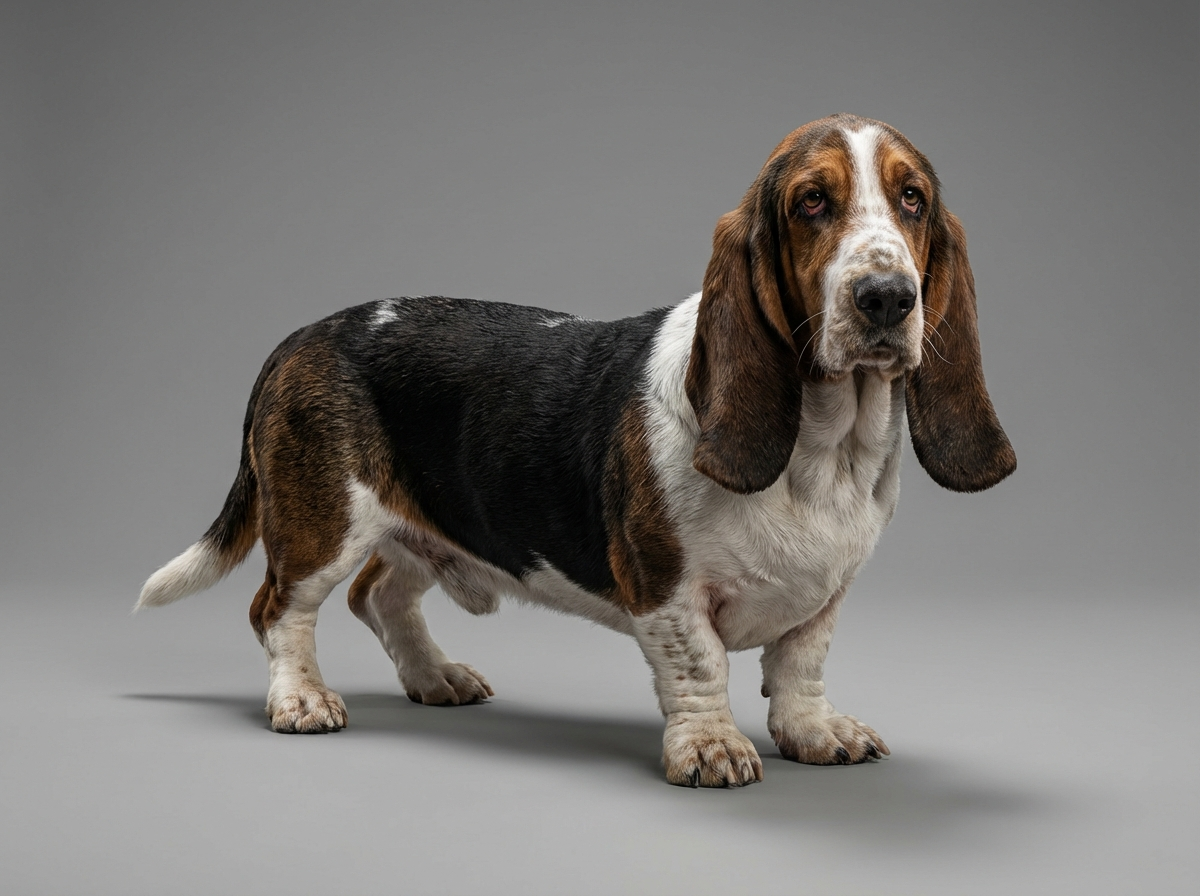
Basset Hounds have a unique build with short legs and a long body. This physical structure can lead to difficulty in regulating their body temperature, making them prone to overheating. Additionally, their stubborn nature might cause them to resist exercise if they feel uncomfortable.
High temperatures or humid conditions can exacerbate exercise intolerance. If a Basset Hound is not gradually conditioned to exercise, sudden bursts of activity can lead to fatigue or overheating. Lack of suitable outdoor space or stimulating activities can also contribute to their reluctance to engage in exercise.
If your Basset Hound exhibits severe signs of fatigue, persistent coughing, or shows distress during exercise, it's crucial to consult your veterinarian. They can assess for underlying health issues, such as heart problems or obesity, that may be contributing to exercise intolerance.
Here are common mistakes that can worsen your Basset Hound's exercise intolerance and safer alternatives to consider.
Start here: Basset Hound Most Common Genetic Disorders: Screening
See all Basset Hound health problems, which breeds are prone to exercise intolerance, or the full Basset Hound breed guide for temperament, exercise needs and ownership costs.
You may see improvements in your Basset Hound's exercise tolerance within 4 to 6 weeks of consistent care and gradual increases in activity.
Success looks like your Basset Hound being able to participate in daily walks and play sessions without excessive fatigue or overheating.
Meet Lisa, a busy nurse living in a small apartment with her Basset Hound, Max. At first, Max struggled with exercise intolerance, becoming easily tired during walks and showing signs of overheating. Lisa felt frustrated, worried that Max wouldn't enjoy outdoor activities. After researching how to stop Basset Hound exercise intolerance, she started a gradual training program. Lisa increased Max's activity level slowly, incorporating short walks and playtime into their routine. Over the next few weeks, Max began to show more stamina and enthusiasm during their outings. Lisa enjoyed watching him thrive as they discovered a balance between fun and safety.
Key takeaway: Patience and gradual increases in activity can help your Basset Hound overcome exercise intolerance, allowing them to enjoy a more active lifestyle.
Basset Hounds can experience exercise intolerance due to their unique physiology. Their short legs and heavy bodies make them prone to overheating and fatigue during physical activity. It's essential to monitor their behavior and provide breaks during exercise.
To help your Basset Hound, start with short walks and gradually increase the duration. Always ensure they have access to water and rest breaks, especially on hot days. Training sessions should also be kept short to avoid overexertion.
Signs of exercise intolerance include excessive panting, lethargy, or reluctance to continue walking. If your Basset Hound seems unusually tired or shows signs of distress, it's best to stop the activity immediately and let them rest.
Yes, you can train your Basset Hound to improve their exercise tolerance gradually. Start with light activities and increase the intensity over time. Always pay attention to their comfort level and adjust accordingly.
If your Basset Hound refuses to exercise, check for any signs of pain or discomfort. If they seem healthy, try different activities that they might enjoy, like playing fetch or gentle tug-of-war, to make exercise more appealing.
Yes, exercise intolerance can lead to health issues like obesity and joint problems if not managed properly. Regular, moderate exercise is crucial for maintaining their weight and overall health, so keep exercise sessions manageable.
If your Basset Hound shows signs of exercise intolerance, such as excessive panting or reluctance to continue walking, it's essential to stop the activity immediately. Allow them to rest in a cool place and provide water. If symptoms persist, consult your veterinarian to rule out any underlying health issues.
Yes, Basset Hound exercise intolerance can often be managed with proper training. Gradual increases in exercise, combined with positive reinforcement, can help build their stamina. However, always monitor their response to exercise and adjust accordingly.
Serious exercise intolerance can be indicated by collapse, severe lethargy, or persistent vomiting after exercise. If you notice these symptoms, it's crucial to contact your veterinarian. Early intervention can prevent more serious health issues.
Yes, exercise intolerance can be more common in older Basset Hounds due to age-related health issues like arthritis or heart conditions. Regular vet check-ups can help monitor their health and adjust their activity levels as needed.
To manage Basset Hound exercise intolerance, focus on shorter, more frequent walks rather than long sessions. Keep activities during cooler parts of the day and provide plenty of water. Additionally, consider engaging in low-impact activities like swimming to maintain fitness without overexertion.
Start with short, frequent walks and allow plenty of rest. Keep exercise sessions cool and enjoyable to avoid fatigue.
Basset Hounds typically need about 30 minutes of moderate exercise daily. Split this into shorter walks to prevent overexertion.
Yes, many Basset Hounds enjoy swimming, which is a low-impact way to exercise. Always supervise them to ensure safety.
Avoid strenuous activities like running or jumping for extended periods, especially in warm weather. Focus on low-intensity exercises instead.
A one-page prep sheet for this condition: the signs, the questions to ask, what to get priced. Unlocks here.
You get: Vet visit prep sheet
No spam. One-click unsubscribe. See our privacy policy.
See a sample page before you decide.
Early access list
The free prep sheet covers the same-day warning signs, a symptom log and the questions to ask. We are considering a fuller kit that adds a cost worksheet for the usual tests and treatments (US price ranges with their sources) and a plain-English guide to ways of covering the bill. It is not built yet; this list tells us whether it is worth building.
One email, no spam, unsubscribe anytime. Information only, not veterinary advice.