Health
What are American Staffordshire Terrier kidney stones quick tips?
Ensure your dog drinks plenty of water and consider a vet-recommended diet to manage their kidney health.

Quick answer
What are American Staffordshire Terrier kidney stones quick tips?
Ensure your dog drinks plenty of water and consider a vet-recommended diet to manage their kidney health.
Kidney stones can be a painful and serious issue for American Staffordshire Terriers. They may lead to discomfort and require medical attention.
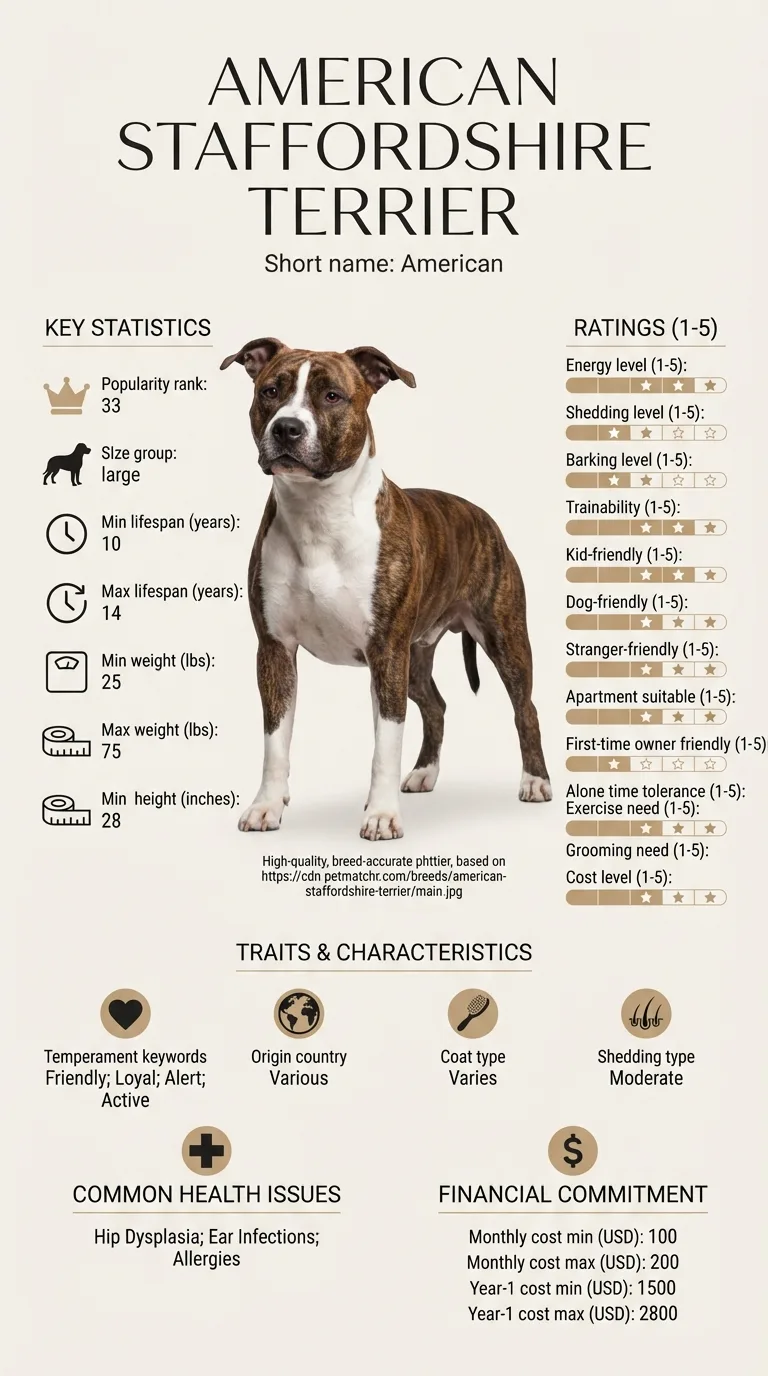
Owners of American Staffordshire Terriers, especially those new to the breed, often face this challenge. Busy families or individuals may find it tough to recognize the signs early, which can lead to complications.
This guide is not medical advice. If your dog shows pain, sudden behavior change, or worsening symptoms, consult a licensed veterinarian.
Some links may be affiliate links. We may earn a commission at no extra cost to you. We only suggest products we believe are helpful for dog owners.
We research and check what we publish, but we do not warrant that any figure, date, price, or statement is accurate, complete, or current, and we accept no liability for any loss, cost, injury, or other harm arising from the use of this site. Use it as one reference among several. You remain responsible for your own decisions and for your dog's care - confirm anything that matters with a licensed veterinarian or another qualified professional before you act on it. Full disclaimer.
Check this first
Call your vet now if you notice any of the following red-flag signs:
- Severe pain or discomfort, often indicated by whining or inability to sit still. - Blood in urine or a noticeable change in urination patterns. - Vomiting, lethargy, or loss of appetite. - Swollen abdomen or signs of distress such as pacing or hiding.
These symptoms may indicate a blockage or an infection that requires immediate attention.
On the other hand, if your American Staffordshire Terrier displays only mild symptoms, you might monitor them at home. For example:
- Occasional straining to urinate without other severe signs. - Mild lethargy or a temporary decrease in appetite. - Slight discomfort that resolves with rest.
In these cases, keep a close watch on your dog for any worsening symptoms or changes. If your pet doesn’t show improvement within a day or two, it’s best to consult your vet.
Acting quickly can help your American Staffordshire Terrier recover faster and avoid serious complications. Remember, when in doubt, it’s better to be safe and seek professional advice.
If any of these apply, call your vet or an emergency clinic now. The rest of this page is for the cases that are not an emergency.
American Staffordshire Terrier kidney stones can lead to painful urination and frequent trips outside. This condition often manifests as straining to urinate or blood in the urine. If you notice these signs, it's crucial to seek veterinary care as soon as possible.
Kidney stones are a concern for American Staffordshire Terriers, especially if they have a history of urinary issues. While not every American will face this problem, being vigilant about their health is essential.
American Staffordshire Terriers can be prone to kidney stones due to genetic factors that affect their urinary tract. Their diet and hydration levels also play a significant role in stone formation. Certain breeds, including the American Staffordshire Terrier, tend to have a higher risk of developing urolithiasis.
Environmental factors, such as a high-protein diet and inadequate water intake, can contribute to kidney stones. Stress, lack of exercise, and access to fresh water are also important. Additionally, living in hot climates can increase dehydration, further elevating the risk.
Contact your vet if you suspect kidney stones. Symptoms like frequent urination, straining to urinate, or blood in urine should prompt a visit. Regular check-ups can help monitor your dog's kidney health.
Avoiding common mistakes can help manage American Staffordshire Terrier kidney stones more effectively. Here are some behaviors to watch out for.
Start here: American Staffordshire Terrier Most Common Genetic Disorders
See all American Staffordshire Terrier health problems, which breeds are prone to kidney stones, or the full American Staffordshire Terrier breed guide for temperament, exercise needs and ownership costs.
It typically takes 4 to 6 weeks for noticeable improvements when managing American Staffordshire Terrier kidney stones through dietary changes and regular vet visits.
Success means reduced stone formation, fewer vet visits for treatment, and your dog feeling more comfortable and healthy.
When Sarah adopted Max, her American Staffordshire Terrier, she noticed he was frequently lethargic and had trouble urinating. After a vet visit, she learned that Max had kidney stones, which were causing him discomfort. Determined to help him, Sarah adjusted his diet to include more moisture-rich foods and started giving him plenty of fresh water. She also made regular vet appointments to monitor his condition. Over a few weeks, Max's energy returned, and he seemed much happier. Sarah felt relieved to see him back to his playful self.
Key takeaway: Managing kidney stones in dogs requires commitment, but with the right diet and veterinary care, you can greatly improve their quality of life.
Kidney stones in American Staffordshire Terriers can be caused by factors like diet, dehydration, and genetic predisposition. High protein diets or insufficient water intake can lead to mineral build-up, which forms stones. Regular vet check-ups are essential to catch issues early. This answer relates to American Staffordshire Terrier kidney stones.
Preventing kidney stones involves ensuring your dog stays hydrated and feeding a balanced diet. Consider providing fresh water at all times and possibly consulting your vet about dietary changes. Regular exercise can also support overall kidney health.
Yes, kidney stones can be treated through dietary changes, medication, or surgery in more severe cases. Your vet will determine the best course of action based on the size and type of stones. Follow-up care is essential to prevent recurrence.
It’s advisable to have your American Staffordshire Terrier checked at least once a year, or more frequently if they have a history of kidney stones. Regular check-ups allow for early detection and management of potential issues.
Yes, diet plays a significant role in preventing kidney stones. Feeding your dog a balanced diet rich in moisture, along with avoiding excessive protein or certain minerals, can help reduce the risk of stone formation.
It's best to consult your vet before trying home remedies. Some treatments may not be effective or could even worsen the problem, so professional guidance is crucial.
If your dog has recurrent kidney stones, a vet may recommend a specialized diet or additional diagnostic tests to identify underlying issues. Regular check-ups can help manage their health more effectively.
Yes, older dogs can be more prone to kidney stones due to changes in their metabolism and kidney function. Ensuring regular vet visits can help detect any issues early and keep your senior dog healthy.
Ensure your dog drinks plenty of water and consider a vet-recommended diet to manage their kidney health.
Look for signs like frequent urination, blood in urine, or discomfort while urinating.
Contact your veterinarian immediately to discuss symptoms and possible examinations.
Yes, consult your vet for a diet that helps prevent stone formation, often low in certain minerals.
A one-page prep sheet for this condition: the signs, the questions to ask, what to get priced. Unlocks here.
You get: Vet visit prep sheet
No spam. One-click unsubscribe. See our privacy policy.
Preview page 1 before you decide.