Behavior
What are quick tips for preventing American Staffordshire Terrier bloat?
Feed smaller portions more frequently, avoid strenuous activity after meals, and use slow-feeding bowls to reduce gulping.
American Staffordshire Terrier bloat, also known as gastric dilatation-volvulus (GDV), is a serious and potentially life-threatening condition. This issue can cause your dog’s stomach to swell and twist, requiring immediate veterinary attention. (American Staffordshire Terrier bloat (gastric dilatation-volvulus/gdv))
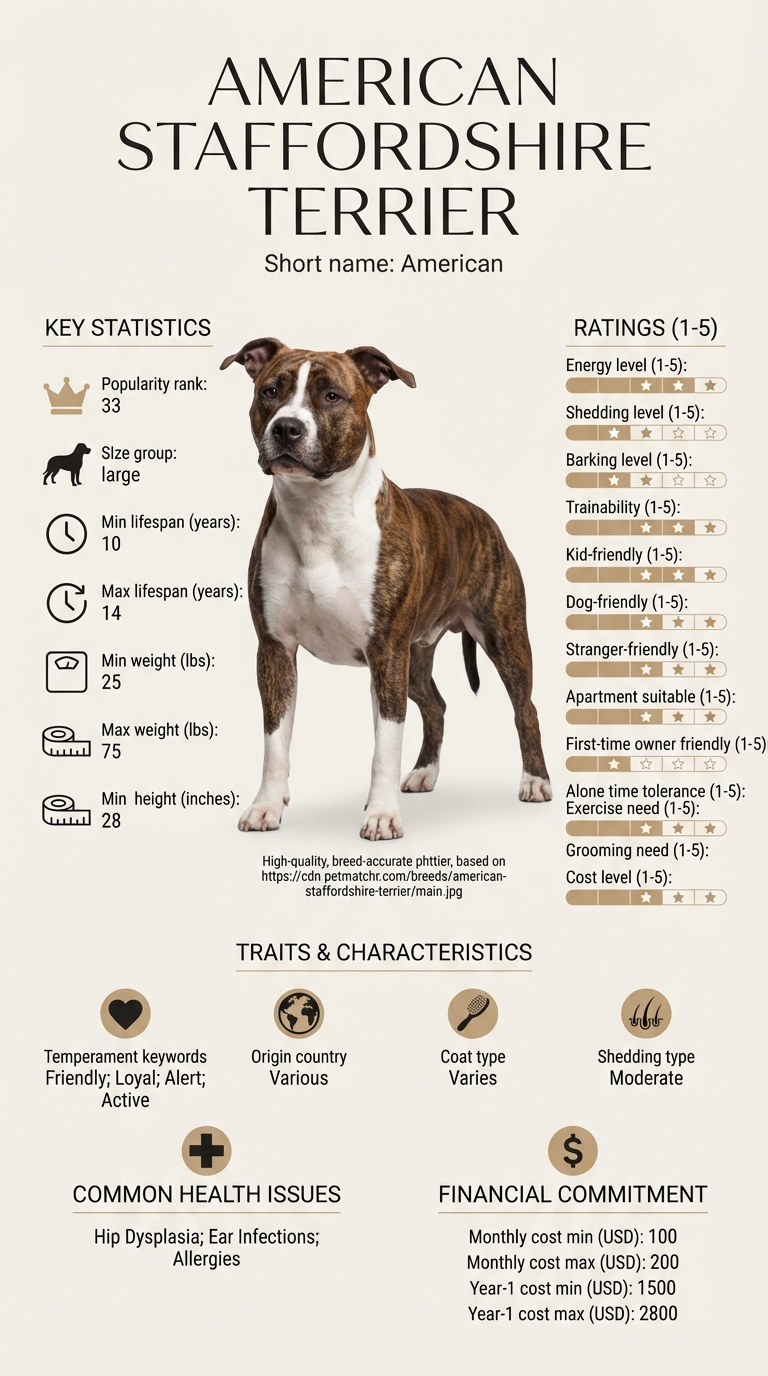
Typically, owners who have high-energy American Staffordshire Terriers may notice bloat. This problem often affects dogs that eat too quickly, over-exercise after meals, or have a family history of GDV. First-time pet owners and busy families may find themselves particularly concerned about managing this serious health risk.
This guide is not medical advice. If your dog shows pain, sudden behavior change, or worsening symptoms, consult a licensed veterinarian.
Some links may be affiliate links. We may earn a commission at no extra cost to you. We only suggest products we believe are helpful for dog owners.
American Staffordshire Terrier bloat, or gastric dilatation-volvulus (GDV), is a serious condition that can occur rapidly. It often presents with symptoms like a swollen stomach, retching without producing anything, drooling, and signs of distress. This condition can be life-threatening and requires immediate veterinary attention.
Bloat is relatively common in larger dog breeds, including the American Staffordshire Terrier. While not every dog will experience it, awareness and prevention strategies are crucial for owners.
American Staffordshire Terriers, being a large breed, are more prone to bloat due to their deep chests. Their physical structure can lead to issues with stomach positioning, making them more vulnerable to gastric dilatation-volvulus (GDV). Additionally, some genetic factors can increase the risk of bloat in this breed.
Bloat can also be triggered by environmental factors such as rapid eating, vigorous exercise immediately after meals, and stress. Feeding from elevated bowls or giving large meals can exacerbate the risk. Changes in routine or new experiences may also contribute to anxiety that can lead to bloat.
If your American Staffordshire Terrier shows signs of anxiety around mealtimes or during routine changes, consider consulting a professional dog trainer. They can help with desensitization strategies and teach your dog to feel more comfortable in different situations.
Talk to your vet immediately if your dog shows symptoms of bloat, such as a swollen abdomen, restlessness, or attempts to vomit without producing anything. It's crucial to get medical attention quickly, as GDV is a serious and life-threatening condition.
Addressing American Staffordshire Terrier bloat typically takes several weeks of consistent management and training.
Success means your dog shows fewer signs of discomfort, has regular eating habits, and maintains a healthy weight.
Avoiding these common mistakes can help manage American Staffordshire Terrier bloat effectively. Here are some behaviors to watch out for.
Recognizing when American Staffordshire Terrier bloat (gastric dilatation-volvulus/GDV) is an emergency can save your dog's life. Immediate veterinary care is crucial if you notice any of the following red-flag signs. These include a swollen abdomen, retching without producing vomit, excessive drooling, or signs of distress such as pacing, restlessness, or rapid breathing. If your dog exhibits these symptoms, do not wait—call your vet now.
On the other hand, if your American Staffordshire Terrier shows mild discomfort, such as occasional burping or a slightly upset stomach, you can monitor the situation at home. Create a plan that includes keeping your dog calm, ensuring they have access to fresh water, and observing any changes in behavior. If these milder symptoms persist for more than a few hours or worsen, it’s time to consult your vet for further guidance.
In summary, take any sudden signs of distress seriously. Quick action can prevent serious complications. Always err on the side of caution when it comes to your dog's health.
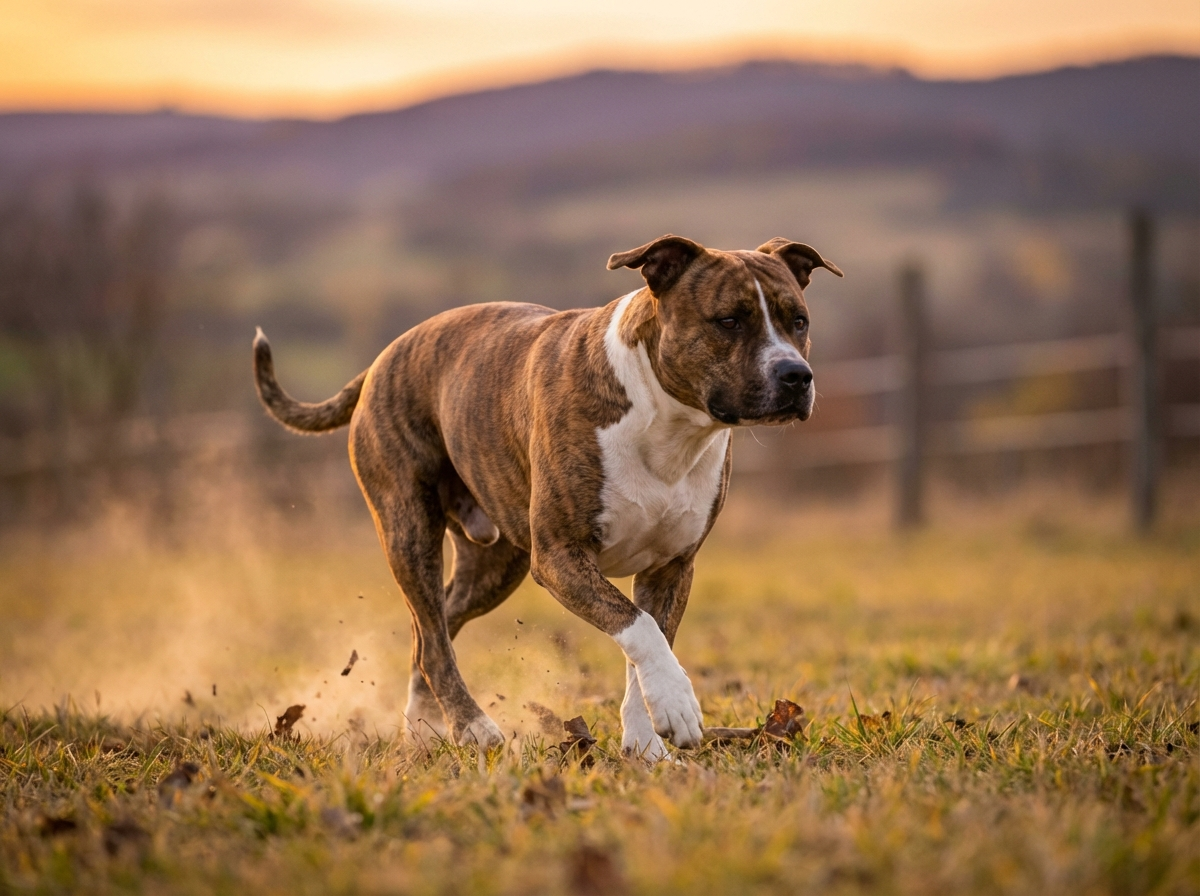
Jenny, a busy nurse in Chicago, noticed her American Staffordshire Terrier, Max, frequently bloating after meals. After researching, she learned about GDV and its risks. Jenny worked with her vet to create a feeding schedule, using smaller portions and more frequent meals. She also incorporated slow-feed bowls to help Max eat at a controlled pace. Over several weeks, Max's bloating decreased significantly, and he seemed much happier and healthier.
Key takeaway: Consistent management and veterinary guidance are essential in addressing American Staffordshire Terrier bloat effectively.
American Staffordshire Terrier bloat is a serious condition where the stomach fills with gas and twists, leading to reduced blood flow. This can be life-threatening and requires immediate veterinary attention.
Bloat can occur due to several factors, including eating too quickly, consuming large meals, or exercising right after eating. Stress and genetics may also play a role in its occurrence.
To reduce the risk of bloat, feed smaller, more frequent meals and avoid vigorous exercise after meals. Consider using slow-feeding bowls to help your dog eat at a slower pace.
Symptoms include a distended abdomen, retching without vomiting, excessive drooling, and signs of distress. If you notice these signs, seek veterinary help immediately.
Treatment for bloat can be expensive, typically ranging from $1,500 to $7,500 depending on the severity and necessary procedures. Early intervention is crucial for a better outcome.
While training cannot directly prevent bloat, teaching your dog to eat calmly and not rush their meals can help minimize risks. Incorporating positive reinforcement during feeding can be beneficial.
Early signs of bloat in American Staffordshire Terriers can include restlessness, a distended abdomen, and attempts to vomit without success. You may also notice signs of discomfort, such as pacing or whining. If you see these symptoms, it's crucial to get your dog to a vet immediately.
Yes, certain factors can increase the risk of bloat in American Staffordshire Terriers. Dogs that eat quickly, are older, or have a family history of bloat are at higher risk. Keeping an eye on your dog's eating habits and overall health can help mitigate these risks.
Preventing bloat involves several strategies, such as feeding smaller, more frequent meals and ensuring your dog does not exercise immediately after eating. You can also consider using a slow feeder bowl to prevent rapid eating, which can be a risk factor for bloat.
If your American Staffordshire Terrier is diagnosed with bloat, immediate veterinary intervention is essential. Treatment often requires surgery and can be quite costly, ranging from $1,500 to $7,500. Always follow your vet's advice for recovery and follow-up care.
Yes, older American Staffordshire Terriers are at a higher risk for bloat due to age-related changes in their digestive system. Regular vet check-ups can help catch any potential issues early and provide guidance on managing your senior dog's health.
Feed smaller portions more frequently, avoid strenuous activity after meals, and use slow-feeding bowls to reduce gulping.
Look for a swollen belly, attempts to vomit without success, excessive drooling, and restlessness. If these appear, contact your vet immediately.
Take your American Staffordshire Terrier to the vet right away, as this condition can turn critical quickly.
While genetics can play a role in bloat, lifestyle factors like diet and feeding habits are also significant contributors.
Training to eat slowly and calmly can help. Consider using positive reinforcement techniques during feeding times.