DogBreedCompass
← Back to breed profile

American Staffordshire Terrier Allergic Reactions: What You Need to Know

American Staffordshire Terriers can suffer from allergic reactions, which can cause discomfort and health issues. Understanding these reactions is crucial for your pet's well-being. (American Staffordshire Terrier allergic reactions)

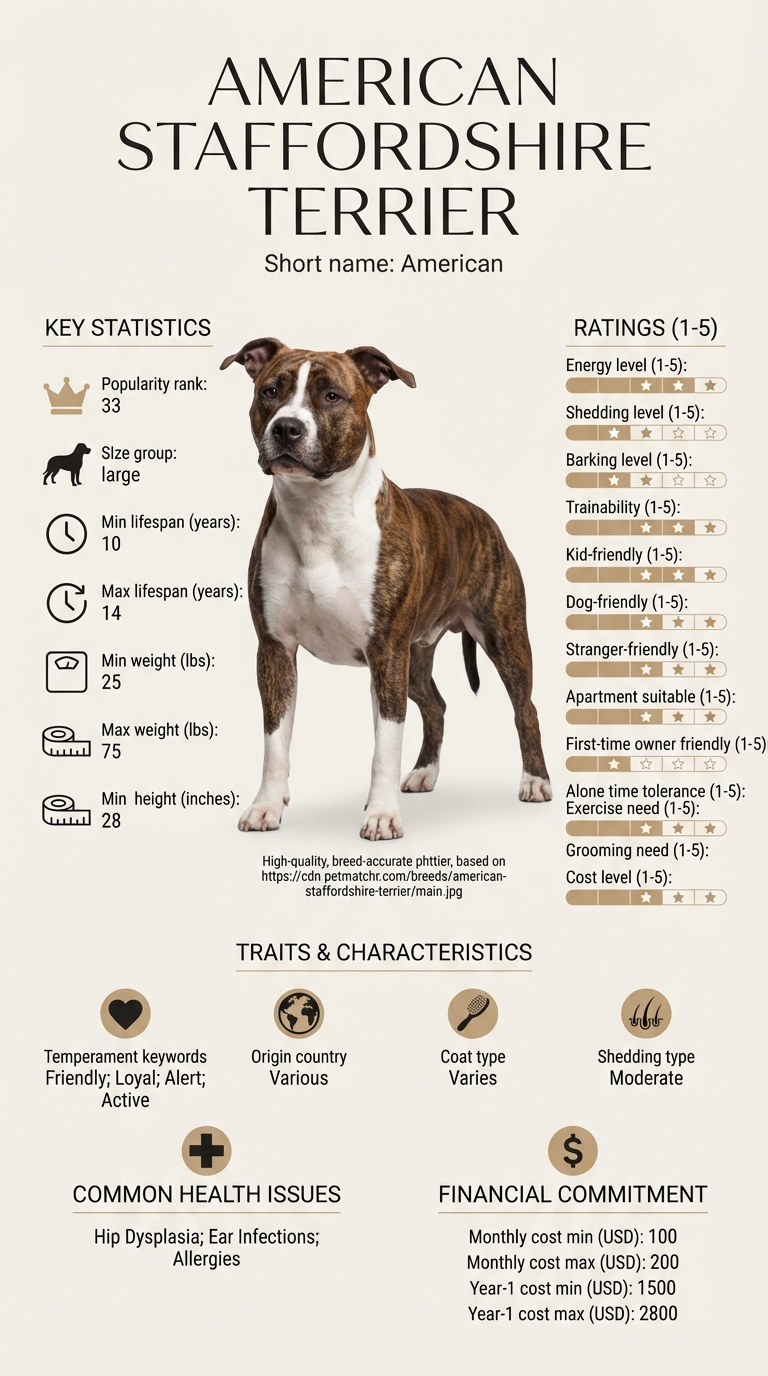
American Staffordshire Terrier Allergic Reactions: What You Need to Know infographic

Many pet owners, especially those new to the American Staffordshire Terrier breed, find themselves puzzled when their dog shows signs of allergies. It can be particularly challenging for families with kids or those living in urban environments where allergens are more prevalent.

Important reminder

This guide is not medical advice. If your dog shows pain, sudden behavior change, or worsening symptoms, consult a licensed veterinarian.

Some links may be affiliate links. We may earn a commission at no extra cost to you. We only suggest products we believe are helpful for dog owners.

What this problem looks like

American Staffordshire Terrier allergic reactions can manifest as skin irritations, itching, or gastrointestinal issues. These reactions can be triggered by various allergens, including food, pollen, or dust mites. Living with an American Staffordshire Terrier experiencing allergies can be challenging, as their discomfort may lead to behavioral changes like increased scratching or restlessness.

Common triggers

  • Food ingredients (like chicken or beef)
  • Environmental allergens (such as pollen or dust)
  • Flea bites
  • Certain cleaning products or fragrances

Allergic reactions are a common health issue for American Staffordshire Terriers, with many experiencing them at some point in their lives. In fact, these dogs face a 276% higher risk of developing allergies compared to other breeds. This makes it essential for owners to be vigilant and proactive in managing their pet's exposure to potential allergens.

Why this happens

Breed factors

American Staffordshire Terriers can be prone to allergies due to their genetic makeup. Their immune systems might overreact to certain substances, leading to allergic reactions. Common triggers include food ingredients, pollen, and dust mites.

Environment factors

Environmental factors also play a significant role in allergic reactions. Changes in climate, exposure to chemicals in cleaning products, and even certain plants can trigger allergies. Keeping a clean living space and minimizing exposure to potential allergens can help.

What you can try

At-home strategies

  • Monitor your dog's environment. Keep their living area clean and free of dust and allergens.
  • Maintain a consistent diet. If you suspect food allergies, try a limited ingredient diet and introduce new foods one at a time.
  • Use hypoallergenic grooming products. Regularly bathe your American Staffordshire Terrier with gentle, hypoallergenic shampoos to reduce allergens on their skin.
  • Consider using air purifiers. They can help remove airborne allergens, improving your dog's overall comfort.

When to consider a trainer

If your dog's allergic reactions are linked to anxiety or behavioral issues, consulting a trainer may be beneficial. A trainer can help with strategies to reduce stress triggers that may worsen allergies.

When to talk to your vet

If you notice severe allergic reactions, such as swelling, difficulty breathing, or persistent itching, consult your vet immediately. They can provide medications or recommend allergy testing to identify specific triggers.

Realistic expectations

You may start to see improvements within 4 to 6 weeks of consistent training and management.

Success looks like your American Staffordshire Terrier experiencing fewer allergic reactions, showing signs of comfort, and enjoying their daily activities without constant itching or discomfort.

Mistakes that Make American Staffordshire Terrier Allergic Reactions Worse

Avoid these common mistakes to help your American Staffordshire Terrier manage allergic reactions effectively.

  • Ignoring Symptoms: Many owners dismiss signs like itching or skin irritation as normal behavior. Pay attention to your dog's discomfort and consult a vet for advice.
  • Inconsistent Diet: Switching dog food frequently can cause dietary sensitivities. Stick to a consistent, high-quality diet and introduce new foods gradually.
  • Using Harsh Cleaning Products: Chemicals in cleaners can irritate your dog's skin and respiratory system. Opt for pet-friendly cleaning supplies to create a safer environment.
  • Neglecting Regular Grooming: Allergens can accumulate in your dog's coat. Regular grooming helps reduce exposure and keeps their skin healthy.
  • Failing to Identify Allergens: Many owners don't investigate potential allergens in their dog's environment. Keep a log of symptoms and consult your vet to identify triggers.
  • Skipping Vet Check-ups: Some owners rely solely on home remedies instead of seeking professional help. Regular vet visits are crucial for managing allergies and discussing treatment options.
  • Overlooking Stress Factors: Stress can exacerbate allergic reactions in dogs. Create a calm environment and consider training or behavior modification to reduce anxiety.

When American Staffordshire Terrier Allergic Reactions Are an Emergency

Call your vet immediately if your dog experiences severe swelling, difficulty breathing, excessive vomiting, or diarrhea. These signs can indicate a life-threatening reaction, such as anaphylaxis. Additionally, if your dog is lethargic, has pale gums, or is unresponsive, you should seek emergency care without delay.

In contrast, minor symptoms may not need urgent attention but should still be observed. If your American Staffordshire Terrier has mild itching, minor skin irritation, or a slight upset stomach, you can monitor their condition at home. Keep a close watch on their behavior and note any changes.

For mild cases, create a plan to manage the symptoms. For example, you might try changing their diet or reducing potential allergens in their environment. However, if symptoms persist or worsen, don’t hesitate to contact your veterinarian for advice. Staying proactive can prevent minor issues from escalating into emergencies.

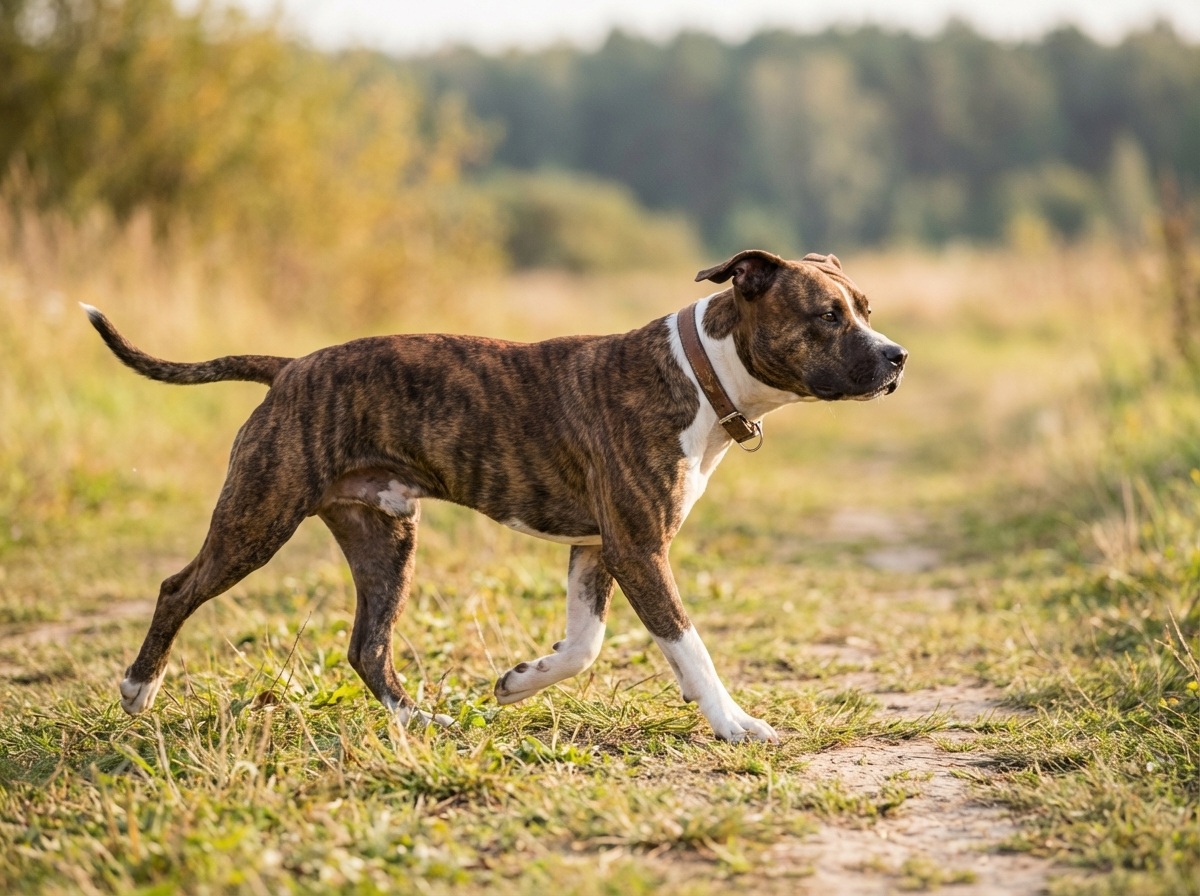
American Staffordshire Terrier Allergic Reactions: What You Need to Know - When American Staffordshire Terrier Allergic Reactions Are an Emergency

Learning to Manage Allergies: A Journey with Max

When Lisa adopted Max, her American Staffordshire Terrier, she quickly noticed he was scratching excessively. After some research, she discovered that he was having allergic reactions, possibly to his food or environmental factors. Determined to help him, she consulted her vet and started a food elimination diet to identify triggers. It was a challenging process, but after several weeks, they found a diet that worked. Alongside this, they implemented a regular grooming routine to reduce allergens. Now, Max is much happier, with fewer flare-ups, and Lisa enjoys their time together without worrying about his allergies.

Key takeaway: Identifying and managing allergic reactions in your American Staffordshire Terrier requires patience and commitment, but it’s possible to improve their quality of life significantly.
Frequently asked questions

Why does my American Staffordshire Terrier have allergic reactions?

American Staffordshire Terriers can have allergic reactions due to environmental factors, food, or even flea bites. Common allergens include pollen, dust mites, and certain proteins in dog food. To identify the cause, consider keeping a food diary and noting any symptoms. This answer relates to American Staffordshire Terrier allergic reactions.

How can I stop my American Staffordshire Terrier from having allergic reactions?

To manage allergic reactions, consult your vet for appropriate tests and treatment options. They may recommend hypoallergenic diets, medication, or allergy shots. Regular grooming can also help reduce allergens in your home.

What are the signs of allergic reactions in American Staffordshire Terriers?

Signs of allergic reactions can include itching, redness, swelling, and gastrointestinal upset. Look for excessive scratching, licking, or changes in appetite. If you notice these symptoms, consult your vet promptly.

Are there specific foods that trigger allergic reactions in American Staffordshire Terriers?

Yes, certain foods like beef, chicken, dairy, and wheat are common allergens for dogs. Switching to a limited ingredient diet can help identify and eliminate problematic foods. Always consult your vet before making dietary changes.

Can I train my American Staffordshire Terrier to avoid allergens?

Training can help manage allergic reactions by teaching commands to stay away from certain areas or items. However, it’s crucial to address the underlying allergy with your vet. Training is more effective when combined with proper medical management.

What are the signs of allergic reactions in my American Staffordshire Terrier?

Signs of allergic reactions can include itching, red or inflamed skin, excessive licking, and gastrointestinal upset. If you notice any of these symptoms, it's best to consult your vet to identify the cause.

Can American Staffordshire Terriers develop allergies as they age?

Yes, it's possible for American Staffordshire Terriers to develop allergies later in life. Environmental changes, new foods, or even changes in their immune system can trigger allergies, so monitoring their health is crucial.

How can I differentiate between food allergies and environmental allergies in my American Staffordshire Terrier?

Food allergies often cause gastrointestinal issues and skin problems after eating, while environmental allergies usually lead to symptoms like itching and sneezing during specific seasons. A vet can help conduct tests to pinpoint the exact allergy.

What should I do if my American Staffordshire Terrier has a severe allergic reaction?

If your dog shows signs of a severe allergic reaction, such as difficulty breathing or swelling, seek emergency veterinary care immediately. Quick treatment can be critical in these situations.

Are there any home remedies to help with my American Staffordshire Terrier's allergic reactions?

Some home remedies, like oatmeal baths or coconut oil applications, may help soothe your dog's skin. However, it's important to consult your vet before trying any remedies to ensure they're safe and effective.

Quick answers

View more answers
Behavior

What are quick tips for managing American Staffordshire Terrier allergic reactions?

Keep a clean environment, use air purifiers, and groom your dog regularly to minimize allergens. Consult your vet for tailored advice and consider hypoallergenic dog food.

Health

How can I tell if my American Staffordshire Terrier has food allergies?

Watch for signs like itching, vomiting, or diarrhea after eating. A vet can help determine if a food allergy is present through elimination diets.

Health

What should I do if my American Staffordshire Terrier has a severe allergic reaction?

If your dog shows signs of a severe allergic reaction, such as difficulty breathing or swelling, seek emergency veterinary care immediately. Time is crucial in these situations.

Related DogBreedCompass guides

  • American Staffordshire Terrier behavior problemsIf you're looking to understand your dog's behavior and training needs related to allergies, this guide offers insights.
  • American Staffordshire Terrier separation anxiety guideLearn how to manage separation anxiety, which can be a factor in allergenic reactions in dogs.
  • American Staffordshire Terrier cost breakdownThis page breaks down the costs of owning an American Staffordshire Terrier, including potential allergy-related expenses.
  • Understanding dog allergiesExplore common allergic reactions in dogs and how they relate to the American Staffordshire Terrier breed.
  • How to stop American Staffordshire Terrier allergic reactionsFind tips and strategies on how to stop American Staffordshire Terrier allergic reactions effectively.

Related guides


