DogBreedCompass
← Back to breed profile

American Pit Bull Terrier Wobbler Syndrome: What You Need to Know

American Pit Bull Terrier wobbler syndrome is a serious health issue that affects your dog's neck and spine.

American Pit Bull Terrier Wobbler Syndrome: What You Need to Know infographic

Many first-time Pit Bull owners or those unfamiliar with this breed might struggle to notice the symptoms. Additionally, owners of older dogs or those with a history of neck issues may find themselves facing this challenge.

Important reminder

This guide is not medical advice. If your dog shows pain, sudden behavior change, or worsening symptoms, consult a licensed veterinarian.

Some links may be affiliate links. We may earn a commission at no extra cost to you. We only suggest products we believe are helpful for dog owners.

What this problem looks like

American Pit Bull Terrier wobbler syndrome is a neurological condition that causes instability in the cervical spine. This can lead to wobbly movements, difficulty walking, and even potential paralysis in severe cases. Owners may notice their Pit Bull struggling to maintain balance, tripping frequently, or having trouble with coordination.

Common triggers

  • Age-related changes in the spine
  • Genetic predisposition
  • Injury or trauma to the neck
  • Rapid growth during puppyhood

Wobbler syndrome is not extremely common but does occur in some American Pit Bull Terriers, particularly as they age. Regular vet check-ups can help catch early signs and manage the condition effectively.

Why this happens

Breed factors

American Pit Bull Terriers can be prone to Wobbler Syndrome due to their large size and specific genetic traits. The breed's structure may lead to cervical vertebral instability, which affects balance and coordination. This condition often arises from inherited factors that make certain dogs more susceptible.

Environment factors

Environmental factors also play a role in Wobbler Syndrome. High-impact activities like jumping or rough play can exacerbate the condition. Additionally, a lack of proper exercise and weight management may contribute to the development and severity of the syndrome.

What you can try

At-home strategies

  • Limit high-impact activities to reduce stress on your dog's neck and spine. Instead, focus on gentle walks and controlled playtime.
  • Maintain a healthy weight through a balanced diet and regular exercise. This helps reduce the strain on your dog's joints.
  • Implement a consistent routine of low-impact exercises that promote strength without overexertion. Swimming can be a great option for this.

When to consider a trainer

If your American Pit Bull Terrier shows signs of Wobbler Syndrome, like instability or difficulty walking, consider consulting a professional trainer. They can help you create a tailored exercise plan and teach you techniques to manage your dog's behavior effectively.

When to talk to your vet

Always consult your vet if you notice wobbly movements or any changes in your dog's coordination. They can provide a proper diagnosis and discuss treatment options, which may include medications or surgery depending on the severity of the condition.

Realistic expectations

You can expect to see improvements within 2 to 6 months with consistent training and care.

Success means your American Pit Bull Terrier will experience reduced wobbling and better mobility. They should be able to engage in regular activities without excessive discomfort.

Mistakes that make this worse

Avoid these common pitfalls to help manage your American Pit Bull Terrier's wobbler syndrome effectively.

  • Ignoring symptoms: Many owners dismiss early signs of wobbler syndrome, thinking it’s just normal aging. Addressing symptoms early can prevent further complications.
  • Overexerting your dog: Pushing your Pit Bull to exercise too much can worsen instability. Instead, provide gentle, controlled activities like short walks or swimming.
  • Neglecting vet visits: Some owners delay veterinary care, hoping the condition will improve. Regular check-ups are crucial for monitoring your dog's health and adjusting treatment.
  • Using harsh training methods: Frustrated owners may resort to yelling or punishment during training. Positive reinforcement is more effective and less stressful for your dog.
  • Failing to follow a care plan: Skipping prescribed medications or therapies can hinder recovery. Stick to the vet’s recommendations for the best results.
  • Not modifying the environment: Owners often overlook simple adjustments at home, like removing slippery rugs. Making your space safer can help prevent falls and injuries.
  • Avoiding support groups: Many owners feel isolated in dealing with wobbler syndrome. Connecting with others can provide valuable advice and emotional support.

When American Pit Bull Terrier Wobbler Syndrome is an Emergency

Recognizing when American Pit Bull Terrier wobbler syndrome is an emergency can be crucial for your pet's health. Watch for signs that indicate immediate veterinary attention is necessary. These include severe loss of coordination, inability to stand, sudden paralysis, or extreme pain when moving. If your dog exhibits any of these symptoms, don't hesitate—call your vet right away.

On the other hand, if your American Pit Bull Terrier shows mild wobbliness or occasionally struggles with balance but still engages in normal activities, it may be manageable. Monitor their condition closely, keep a journal of any changes, and maintain regular vet check-ups. If the wobbling increases, or if they show signs of pain or distress, it's time to seek professional help. Early intervention can often make a significant difference in treatment outcomes.

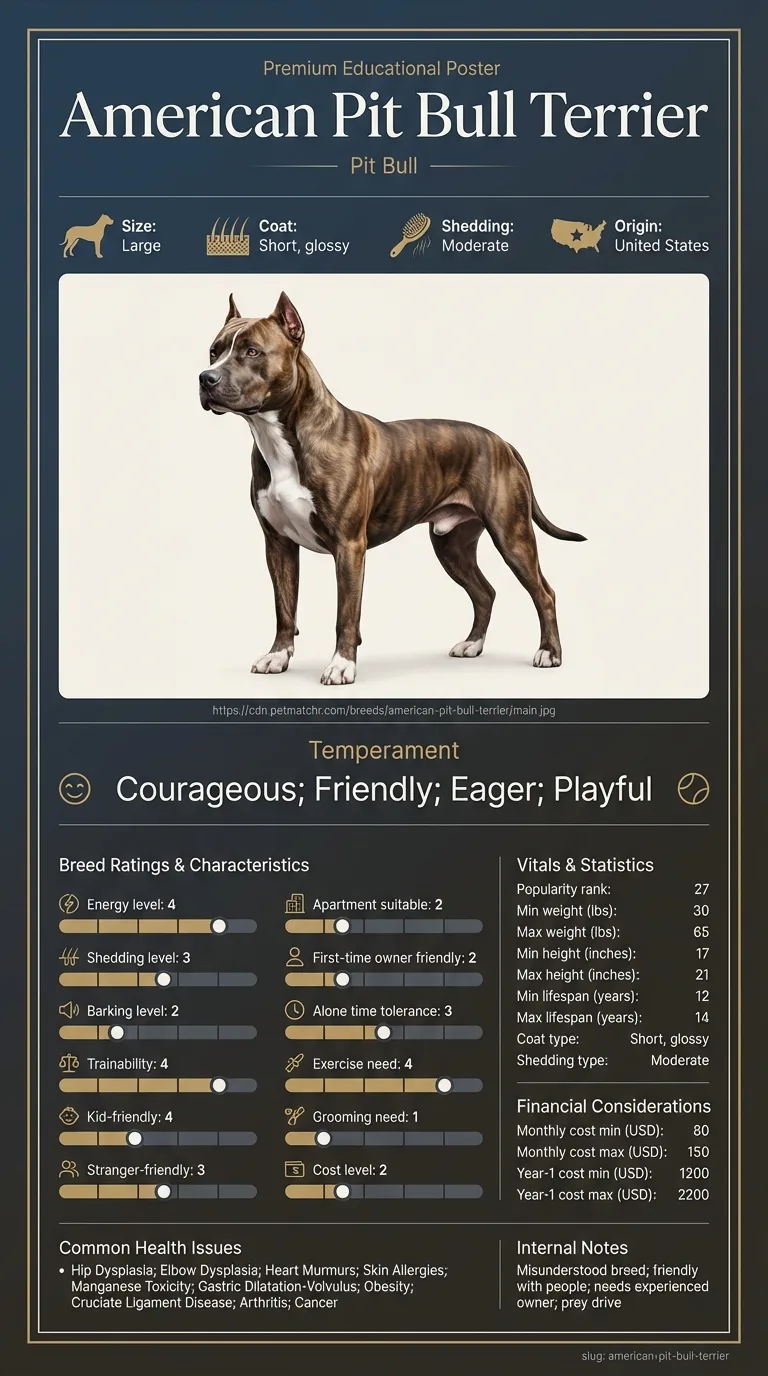
American Pit Bull Terrier Wobbler Syndrome: What You Need to Know - When American Pit Bull Terrier Wobbler Syndrome is an Emergency

Finding Balance: A Journey with Wobbler Syndrome

Sarah, a dedicated dog owner from Denver, noticed her American Pit Bull Terrier, Max, wobbling when he walked. After a vet visit, she learned about wobbler syndrome and felt overwhelmed. Sarah started a structured training program and adjusted Max's diet to support his health. With patience, she saw Max’s wobbling decrease over several months. Sarah’s commitment to his care and training made a significant difference in his quality of life.

Key takeaway: Early intervention and consistent training can greatly improve the quality of life for dogs with wobbler syndrome.

Frequently asked questions

What is American Pit Bull Terrier wobbler syndrome?

American Pit Bull Terrier wobbler syndrome is a neurological condition caused by cervical vertebral instability. It affects the neck vertebrae, leading to wobbling, weakness, or difficulty walking. Early detection and treatment are crucial for improving your dog's quality of life.

Why does my American Pit Bull Terrier have wobbler syndrome?

Wobbler syndrome can occur due to genetic factors, rapid growth in young dogs, or injuries. It’s more common in larger breeds like the American Pit Bull Terrier. If you notice symptoms, consult your vet for a thorough examination.

How can I stop my American Pit Bull Terrier from having wobbler syndrome?

While you can't always prevent wobbler syndrome, you can manage symptoms through proper care. Regular vet check-ups, a balanced diet, and controlled exercise can help maintain your dog's health. In some cases, surgical options may be necessary.

What are the signs of wobbler syndrome in my American Pit Bull Terrier?

Signs include unsteady walking, weakness in the legs, and difficulty maintaining balance. You may also see your dog acting hesitant when jumping or climbing stairs. If you notice these signs, contact your vet immediately.

Can training help with American Pit Bull Terrier wobbler syndrome?

Training can assist in improving coordination and strength in dogs with wobbler syndrome. However, it should be gentle and tailored to your dog's abilities. A professional trainer with experience in neurological issues can be a helpful resource.

Can older American Pit Bull Terriers develop wobbler syndrome?

Yes, older American Pit Bull Terriers can develop wobbler syndrome. As dogs age, they may experience degenerative changes in their spine, which can lead to this condition. Regular vet check-ups can help monitor any signs of this issue.

What are the early signs of wobbler syndrome in an American Pit Bull Terrier?

Early signs of wobbler syndrome include unsteadiness, difficulty in walking, and neck pain. If you notice your Pit Bull stumbling or having trouble keeping their head up, it’s important to consult a vet for a thorough evaluation.

Is surgery always necessary for American Pit Bull Terriers with wobbler syndrome?

Not always. While surgery can be effective for severe cases of wobbler syndrome, some dogs may improve with conservative treatment like medication and physical therapy. A veterinarian can help determine the best course of action based on your dog's specific situation.

How can I help my American Pit Bull Terrier with wobbler syndrome at home?

You can help your Pit Bull by providing a safe environment to prevent falls and offering gentle exercise to maintain mobility. Additionally, using supportive harnesses can make walks easier and more comfortable for your dog.

Why does my American Pit Bull Terrier have wobbler syndrome?

Wobbler syndrome in American Pit Bull Terriers can be caused by genetic factors or environmental influences. It’s often related to the instability of the cervical vertebrae, and a vet can help identify the specific cause and recommend treatment options.

Quick answers

View more answers
Behavior

What are quick tips for managing American Pit Bull Terrier wobbler syndrome?

Keep your dog’s weight in check and provide a safe environment to prevent falls. Regular vet visits for monitoring are essential. Controlled exercise can also help maintain muscle strength.

Costs

How much does treatment for wobbler syndrome cost?

Treatments can range from $500 to $7,000 depending on the severity and options chosen. Discuss costs with your vet to understand the best plan for your dog.

Living

Is wobbler syndrome hereditary in American Pit Bull Terriers?

Yes, wobbler syndrome can have genetic components. Responsible breeding practices can help reduce the incidence of this condition in future litters.

Related DogBreedCompass guides

Related guides