Behavior
How can I help my American Pit Bull Terrier with anxiety?
Provide a safe space for your dog and consider using calming products like anxiety wraps or pheromone diffusers.

Quick answer
How can I help my American Pit Bull Terrier with anxiety?
Provide a safe space for your dog and consider using calming products like anxiety wraps or pheromone diffusers.
Choosing between an American Pit Bull Terrier purebred and a mixed breed can be tough. This decision can impact your dog's health, behavior, and overall experience as a pet owner.
New dog owners or those considering adopting a Pit Bull often struggle with this decision. They may worry about health issues, training challenges, and whether a purebred or mixed breed fits their lifestyle better.
This guide is not medical advice. If your dog shows pain, sudden behavior change, or worsening symptoms, consult a licensed veterinarian.
Some links may be affiliate links. We may earn a commission at no extra cost to you. We only suggest products we believe are helpful for dog owners.
We research and check what we publish, but we do not warrant that any figure, date, price, or statement is accurate, complete, or current, and we accept no liability for any loss, cost, injury, or other harm arising from the use of this site. Use it as one reference among several. You remain responsible for your own decisions and for your dog's care - confirm anything that matters with a licensed veterinarian or another qualified professional before you act on it. Full disclaimer.
Check this first
Understanding when to call your vet is crucial for your American Pit Bull Terrier, whether it's a purebred or mixed breed. Some signs indicate a true emergency requiring immediate attention, while others can be monitored at home. Knowing the difference can save your dog's life.
Red-Flag Signs to Call Your Vet Immediately: 1. Uncontrollable bleeding or severe injuries. 2. Difficulty breathing or persistent coughing. 3. Signs of severe pain, such as whining or inability to move. 4. Loss of consciousness or seizures. 5. Vomiting or diarrhea that lasts more than 24 hours, especially if accompanied by lethargy.
These symptoms suggest serious health issues that need urgent care.
Mild Cases to Monitor: 1. Occasional sneezing or mild coughing without other symptoms. 2. Changes in appetite or energy level that last a day or two but are not extreme. 3. Mild gastrointestinal upset without other alarming signs.
In these cases, observe your dog closely and consult your vet if things don't improve within a few days. Keeping track of any changes in your American Pit Bull Terrier's behavior can help you determine if a vet visit is necessary. Remember, it's always better to err on the side of caution. If you're unsure, don't hesitate to reach out to your veterinarian for advice.
If any of these apply, call your vet or an emergency clinic now. The rest of this page is for the cases that are not an emergency.
Understanding the differences between American Pit Bull Terrier purebreds and mixed breeds is crucial for potential dog owners. Each type may show different behaviors and health issues due to their genetic backgrounds. This knowledge can help you make a more informed choice about which dog is right for your lifestyle.
This issue is quite common among dog owners, especially those considering adopting an American Pit Bull Terrier. Many people are unaware of the significant differences between purebreds and mixed breeds, leading to confusion and potential challenges in ownership.
The American Pit Bull Terrier, whether purebred or mixed, can inherit certain health issues that affect behavior. For example, their strong prey drive might come from their breeding, which can lead to anxiety or aggression in some situations. Additionally, purebred Pit Bulls may face a higher risk of genetic disorders, which can contribute to behavioral problems.
The environment plays a significant role in shaping a dog's behavior. Factors like lack of socialization, high-stress living conditions, or inconsistent training can cause anxiety in American Pit Bull Terriers. Moreover, if they are left alone for long periods, they may develop separation anxiety, which can exacerbate behavioral issues.
If you notice severe anxiety symptoms, such as excessive barking or destructive behavior, it’s time to talk to your vet. They can rule out any underlying health issues. Additionally, if your dog shows signs of aggression, a vet can recommend behavioral specialists or medication if necessary.
Here are some common mistakes owners make when dealing with the American Pit Bull Terrier purebred vs. mixed breeds situation. Avoiding these can help improve your dog's behavior and health.
Start here: American Pit Bull Terrier Most Common Genetic Disorders
See all American PIT Bull Terrier health problems, which breeds are prone to purebred vs mixed breeds, or the full American PIT Bull Terrier breed guide for temperament, exercise needs and ownership costs.
You can expect to see improvements in behavior within 3 to 6 months with consistent care and a steady routine.
Success looks like a well-adjusted American Pit Bull Terrier that is comfortable around other dogs and people, with reduced anxiety and improved social skills.
When Sarah adopted Bella, a mixed-breed American Pit Bull Terrier, she quickly realized that Bella was anxious around other dogs. After doing some research, Sarah started a structured training program and enrolled Bella in a socialization class. Over several months, with patience and consistent practice, Bella became more confident and even made a few dog friends at the park. Sarah learned the importance of positive reinforcement and the need for ongoing socialization.
Key takeaway: With dedication and the right training approach, even anxious dogs can learn to thrive socially.
American Pit Bull Terrier purebreds tend to have more predictable temperaments and health issues. They are often more prone to specific genetic problems, like certain cancers, than mixed breeds. Mixed breeds can be more resilient and may inherit a wider range of traits. This answer relates to American Pit Bull Terrier purebred vs. mixed breeds.
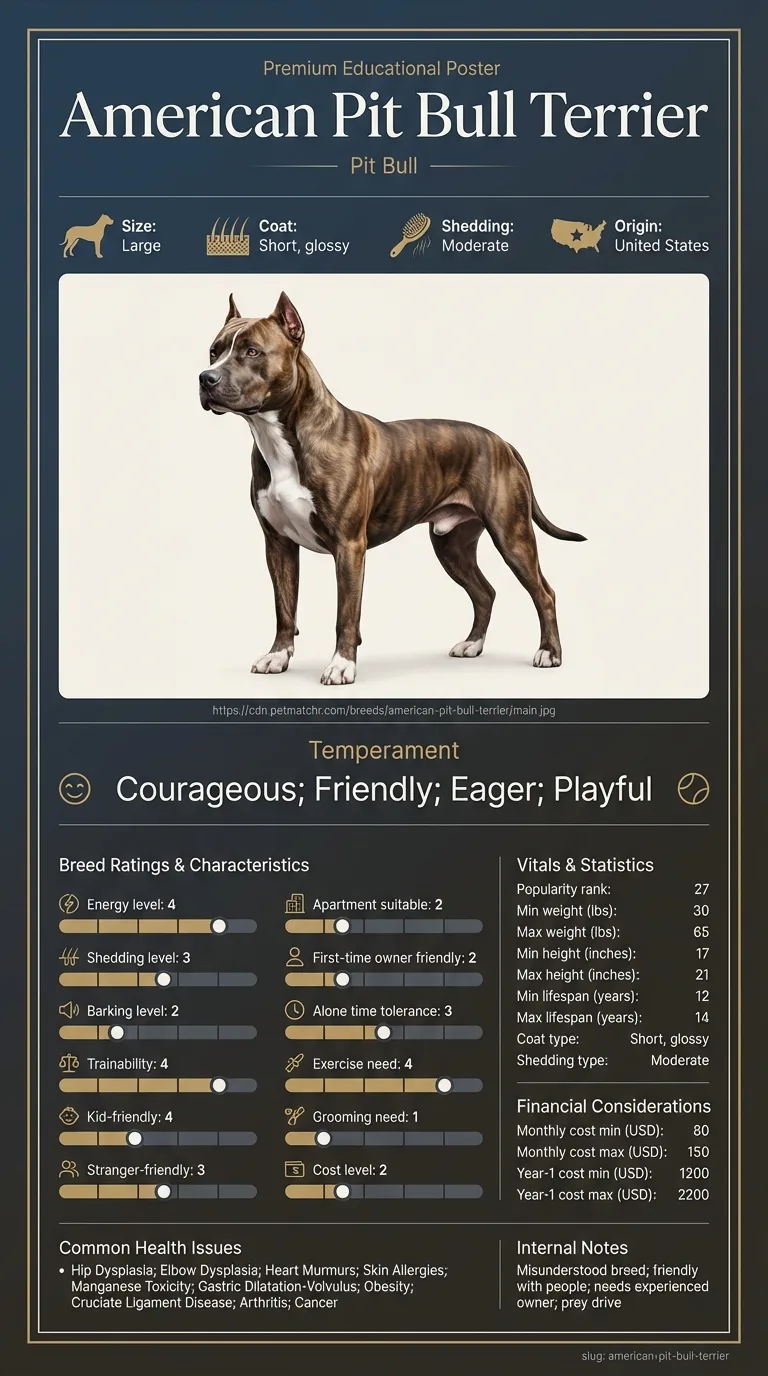
Regular vet check-ups are crucial for monitoring health issues like hip dysplasia or heart murmurs. Keeping a healthy diet and exercise routine can help mitigate some risks. Early detection of problems is key, so stay alert to any changes in behavior.
Behavioral issues can stem from genetics, environment, or lack of training. Purebreds may have specific traits that influence their behavior, while mixed breeds might show a blend of different temperaments. Consistent training and socialization can help address these challenges.
Positive reinforcement is often the most effective training method for American Pit Bull Terriers. Use treats and praise to encourage good behavior. Socialization from an early age is also important to help them develop into well-rounded dogs.
Many people believe that American Pit Bull Terriers are inherently aggressive, which is not true. Their behavior largely depends on training and socialization. They are often friendly and eager to please when raised in a loving environment.
Consider your lifestyle, budget, and experience level. Purebreds may come with specific health risks and costs, while mixed breeds can be more unpredictable. Think about what fits your family best.
Owning an American Pit Bull Terrier can cost between $80 to $150 monthly, depending on food, vet visits, and grooming. Yearly, you might spend between $1,200 and $2,200. Budget for unexpected health issues, especially if you choose a purebred.
Training an American Pit Bull Terrier mix can vary based on the other breed involved. Some mixes may inherit stubbornness or a strong prey drive, making training more challenging. Consistent positive reinforcement and early socialization are key.
To determine if your American Pit Bull Terrier is purebred, you can check for registration papers or consult a vet for a breed test. Look for specific physical traits typical of purebreds, such as coat type and size. However, remember that mixed breeds can also be wonderful companions.
Behavior differences in your American Pit Bull Terrier may stem from its genetics, environment, and socialization. Mixed breeds can exhibit a blend of traits from their parent breeds. Understanding their unique personality can help you tailor your training approach.
Mixed breed American Pit Bull Terriers may still inherit health issues common in purebreds, like hip dysplasia or heart conditions. Regular vet check-ups and a healthy diet can help manage these risks. Be vigilant about any unusual symptoms and consult your vet promptly.
Finding a home for an American Pit Bull Terrier mix can be more challenging due to breed stigma. However, educating potential adopters about the dog's personality and training can help. Highlighting their friendly nature and family compatibility can make a significant difference.
Provide a safe space for your dog and consider using calming products like anxiety wraps or pheromone diffusers.
Start with basic commands and use positive reinforcement. Consistency is key for effective training.
Watch for signs of hip dysplasia, skin allergies, and obesity. Regular vet check-ups can help catch issues early.
While they can adapt to apartment living, ensure they get plenty of exercise outside. They need daily activity to stay healthy.
Expect to spend about $50 to $100 a month on quality dog food, depending on their size and dietary needs.
A one-page prep sheet for this condition: the signs, the questions to ask, what to get priced. Unlocks here.
You get: Vet visit prep sheet
No spam. One-click unsubscribe. See our privacy policy.
See a sample page before you decide.
Early access list
The free prep sheet covers the same-day warning signs, a symptom log and the questions to ask. We are considering a fuller kit that adds a cost worksheet for the usual tests and treatments (US price ranges with their sources) and a plain-English guide to ways of covering the bill. It is not built yet; this list tells us whether it is worth building.
One email, no spam, unsubscribe anytime. Information only, not veterinary advice.