What are quick tips for managing vWD1 in my American Pit Bull Terrier?
Regular vet check-ups and keeping emergency contact numbers handy are crucial for managing vWD1. Training your dog to minimize risky behaviors can also help prevent injuries.
American Pit Bull Terrier von Willebrand's disease (vWD1) is a genetic bleeding disorder that can affect your dog's health and well-being.

Owners of American Pit Bull Terriers, especially those with a family history of this disease, may find themselves facing this challenge. New pet parents or those unfamiliar with this condition may feel overwhelmed and unsure about how to help their furry friends.
This guide is not medical advice. If your dog shows pain, sudden behavior change, or worsening symptoms, consult a licensed veterinarian.
Some links may be affiliate links. We may earn a commission at no extra cost to you. We only suggest products we believe are helpful for dog owners.
American Pit Bull Terriers can be affected by von Willebrand's disease (vWD1), a genetic bleeding disorder. This condition can lead to excessive bleeding, making everyday activities challenging. Owners often notice symptoms like prolonged bleeding after injuries or difficulty in blood clotting during surgeries, which can be alarming.
Von Willebrand's disease (vWD1) is relatively common in American Pit Bull Terriers compared to other breeds. While not every Pit Bull will have this condition, it is important for owners to be aware of the signs and seek veterinary advice if they suspect their dog may be affected.
American Pit Bull Terriers can inherit von Willebrand's Disease (vWD1) due to a genetic predisposition. This condition affects their ability to form blood clots, which can lead to excessive bleeding. If both parents carry the gene for vWD1, their puppies have a higher risk of developing the disease.
While vWD1 is primarily genetic, environmental factors can exacerbate the issue. Stress, injury, or other health problems can trigger bleeding episodes. Ensuring a calm environment and minimizing risks can help manage symptoms.
If your American Pit Bull Terrier shows signs of anxiety or stress, consider working with a trainer experienced in behavior modification. A trainer can help teach your dog coping strategies and improve their overall behavior.
Talk to your vet if you notice any unusual bleeding or if your dog has frequent nosebleeds or bleeding gums. It's essential to rule out other health issues and discuss potential treatments for von Willebrand's Disease.
Managing von Willebrand's disease (vWD1) in your American Pit Bull Terrier may take several weeks to months. You'll want to closely monitor your dog's health and adjust care as needed. Regular vet check-ups and consistent training will help you manage the condition effectively.
Success looks like your dog leading a healthy, active life with minimal bleeding episodes. You'll develop a routine that includes regular vet visits, a suitable exercise plan, and a solid understanding of how to respond during any bleeding incidents.
Avoiding common pitfalls can help your American Pit Bull Terrier with von Willebrand's Disease (vWD1) thrive. Here are some mistakes to watch out for.
Knowing when to act quickly for your American Pit Bull Terrier with von Willebrand's Disease (vWD1) is crucial. This genetic bleeding disorder can lead to serious complications, so you must be vigilant. Here are key signs that indicate an emergency versus situations where you can monitor your dog at home.

If your dog shows any of these symptoms, it's time to seek immediate veterinary care: - Excessive bleeding from minor cuts or injuries. - Blood in the urine or stool. - Unexplained bruising on the skin. - Weakness or lethargy that seems unusual. - Difficulty breathing or a rapid heart rate.

In less severe situations, you can keep a close eye on your dog. Monitor for any changes in behavior or health, but consult your vet if you notice: - Occasional nosebleeds or bleeding gums. - Mild lethargy that resolves with rest. - Changes in appetite but no significant weight loss.

Sarah, a first-time dog owner, adopted Max, a lively American Pit Bull Terrier. Shortly after bringing him home, she noticed he was bleeding from his gums more than usual. After a vet visit, she learned Max had von Willebrand's disease (vWD1). Sarah felt overwhelmed but committed to learning how to help Max. She developed a care plan with her vet, focusing on regular check-ups, a balanced diet, and gentle exercise. Over time, Max's health improved, and Sarah felt more confident managing his condition.
Key takeaway: With the right support and a solid plan, you can successfully manage your American Pit Bull Terrier's von Willebrand's disease (vWD1), ensuring they lead a happy life.
Von Willebrand's disease (vWD1) is a genetic bleeding disorder common in certain breeds, including the American Pit Bull Terrier. It occurs due to a deficiency in a specific clotting protein required for blood to clot properly. This means your dog may be more prone to excessive bleeding during injuries or surgeries. This answer relates to American Pit Bull Terrier von willebrand's disease (vwd1).
Managing vWD1 involves regular check-ups with your vet and potentially avoiding certain activities that could lead to injuries. Your vet might recommend a blood test to assess your dog’s clotting ability, which can guide care decisions. It's crucial to have a plan for emergencies, including knowing how to manage bleeding.
Symptoms of vWD1 can include excessive bleeding from minor cuts, nosebleeds, or prolonged bleeding after surgery. You might also notice blood in urine or stool. If you see any of these signs, contact your vet immediately for evaluation.
Currently, there is no cure for von Willebrand's disease (vWD1). However, it can be managed with proper care and precautions. For severe cases, your vet may suggest a blood transfusion or medication to help with clotting before any surgical procedure.
Training can aid in managing your dog's behavior, especially in avoiding risks that could lead to injury. Teaching commands like 'come' or 'leave it' can prevent your dog from engaging in activities that might cause harm. A well-trained dog is often easier to manage in stressful situations.
Yes, with proper management and care, many dogs with vWD1 can live healthy, active lives. It's essential to work closely with your veterinarian to monitor your dog's health and adjust activities accordingly. Avoiding high-risk situations can help maintain your dog's quality of life.
If your American Pit Bull Terrier is bleeding, stay calm and apply direct pressure to the wound. If bleeding doesn't stop within a few minutes, or if the bleeding is severe, take your dog to the vet immediately. Having a first aid kit and knowing emergency procedures are vital.
Signs of von Willebrand's disease (vWD1) can include excessive bleeding from cuts, nosebleeds, or bleeding gums. You may also notice prolonged bleeding after surgery or during heat cycles. If you observe any of these symptoms, it's important to consult your vet.
Older American Pit Bull Terriers can experience more severe symptoms of von Willebrand's disease due to other age-related health issues. Their overall health may complicate the management of vWD1. Regular check-ups with your vet are crucial for older dogs to monitor their health.
Von Willebrand's disease is a genetic disorder, so your American Pit Bull Terrier may have inherited it from its parents. This condition is caused by a deficiency in a specific protein that helps blood clot properly. Genetic testing can help confirm if your dog has vWD1.
If your American Pit Bull Terrier has a bleeding episode, keep your dog calm and apply gentle pressure to the wound. Avoid using aspirin or other medications without vet approval, as they can worsen bleeding. Seek veterinary care immediately for a proper assessment and treatment.
It's essential to limit your American Pit Bull Terrier's activities to avoid injuries that could cause bleeding. Inform your vet about your dog's condition before any procedures, including routine surgeries. Regular vet visits can help manage the disease effectively.
Regular vet check-ups and keeping emergency contact numbers handy are crucial for managing vWD1. Training your dog to minimize risky behaviors can also help prevent injuries.
Focus on basic obedience training to ensure your dog follows commands, especially in potentially dangerous situations. Positive reinforcement techniques work well for this breed.
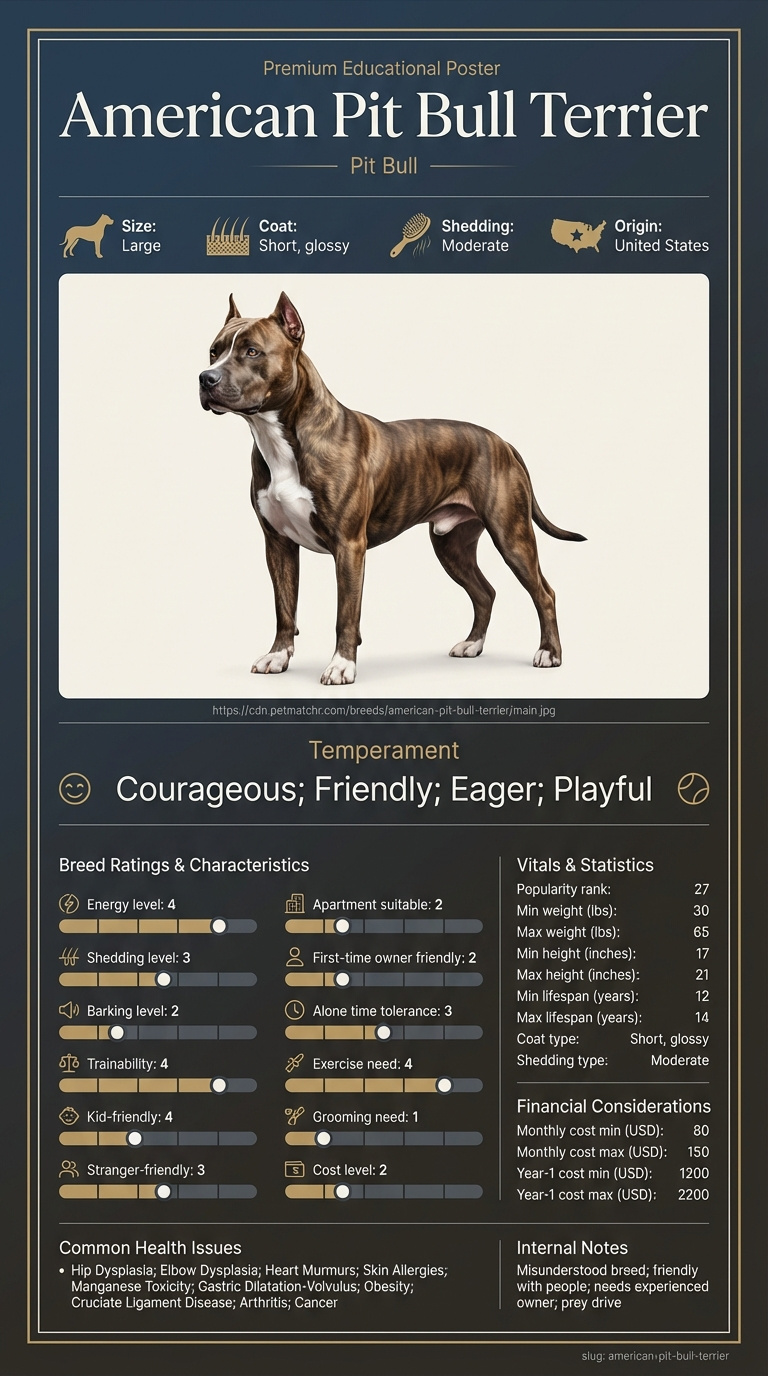
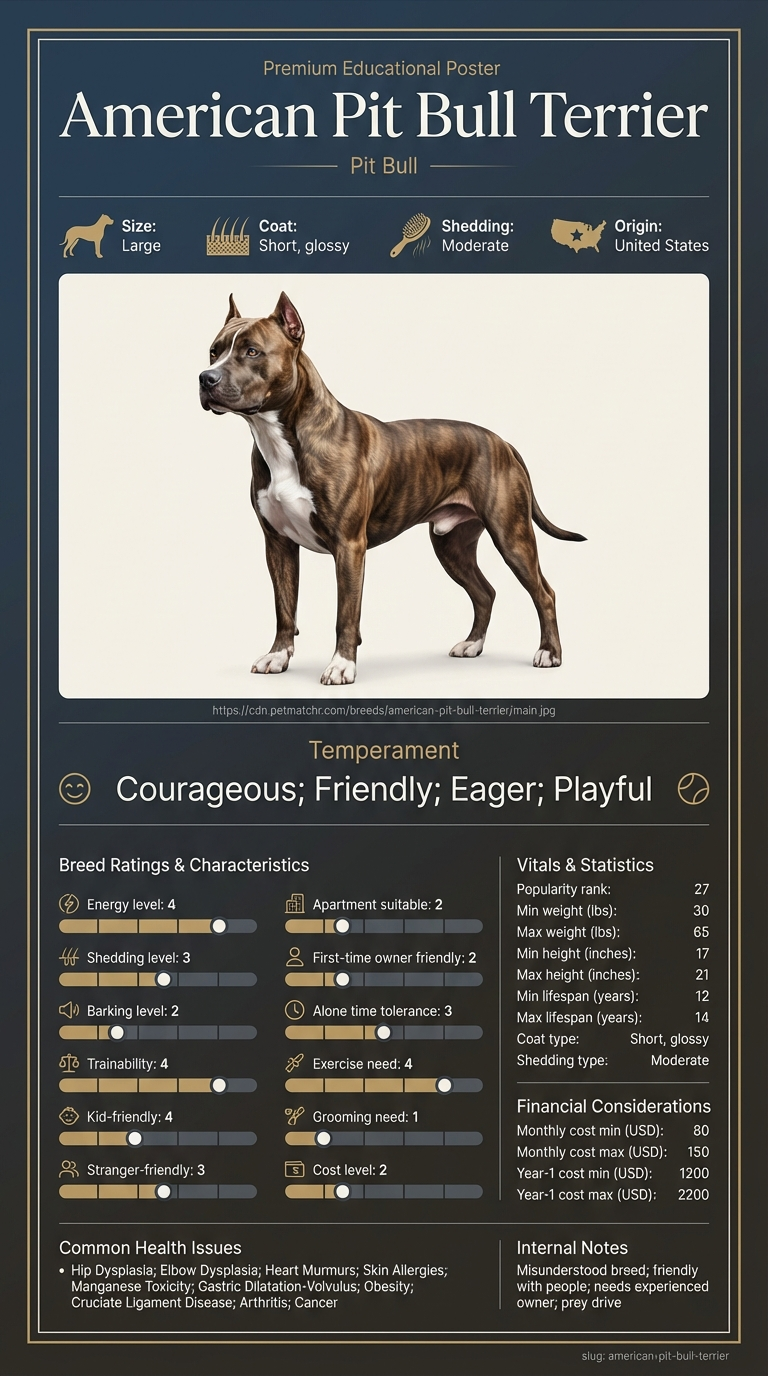
Managing von Willebrand's disease may require regular vet visits, which can cost between $80 to $150 monthly. Be prepared for potential emergency care costs as well.
Look for first aid kits specifically designed for pets. These can help you respond quickly in emergencies, especially for breeds prone to bleeding disorders.