DogBreedCompass
← Back to breed profile

American Pit Bull Terrier Von Willebrand's Disease: What You Need to Know

Von Willebrand's disease is a serious bleeding disorder that affects American Pit Bull Terriers. Understanding it is crucial for your dog's health and safety. (American Pit Bull Terrier von willebrand's disease)

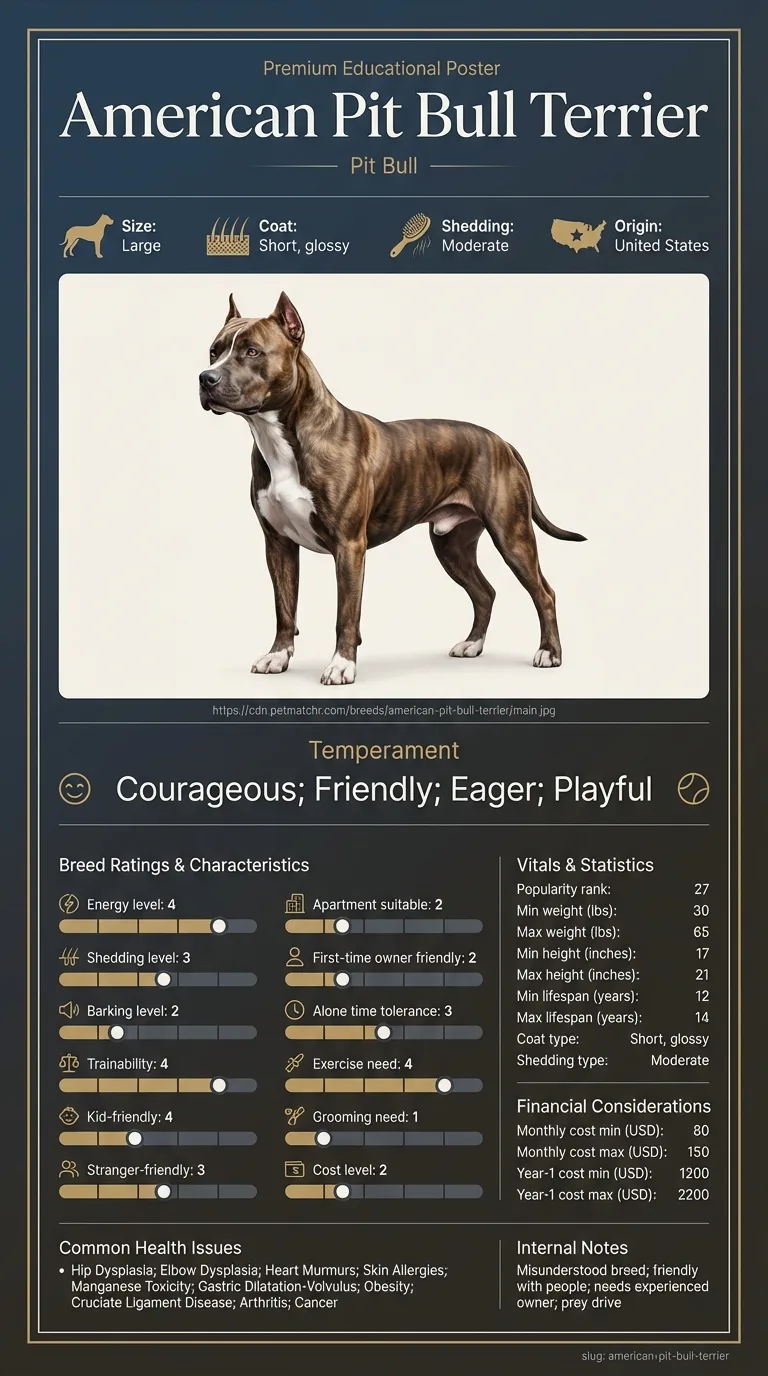
American Pit Bull Terrier Von Willebrand's Disease: What You Need to Know infographic

Owners of American Pit Bull Terriers, especially those with active dogs or those who participate in agility or obedience training, may encounter this issue. New pet parents might find it particularly challenging to identify and manage.

Important reminder

This guide is not medical advice. If your dog shows pain, sudden behavior change, or worsening symptoms, consult a licensed veterinarian.

Some links may be affiliate links. We may earn a commission at no extra cost to you. We only suggest products we believe are helpful for dog owners.

What this problem looks like

American Pit Bull Terriers can suffer from von Willebrand's disease, a bleeding disorder that affects their ability to form blood clots. This condition can lead to excessive bleeding from minor injuries, making everyday activities stressful for both the dog and owner. Recognizing the signs early is crucial for managing the disease and ensuring your dog's safety.

Common triggers

  • Injuries or cuts
  • Surgery or dental work
  • Certain medications

Von Willebrand's disease is relatively common in American Pit Bull Terriers compared to other breeds. While not every Pit Bull will develop this condition, owners should be aware of its potential and monitor their dogs for any signs of excessive bleeding.

Why this happens

Breed factors

American Pit Bull Terriers can inherit von Willebrand's disease due to genetics. This bleeding disorder affects their blood's ability to clot, which is more common in certain breeds. If your Pit Bull has a family history of this condition, it increases their risk.

Environment factors

Environmental factors can also play a role. Stressful situations, lack of exercise, or poor nutrition may exacerbate symptoms of von Willebrand's disease. A stable and supportive environment helps manage their health better.

What you can try

At-home strategies

  • Monitor your dog's activity level and ensure they get regular, moderate exercise to maintain a healthy weight.
  • Provide a balanced diet rich in nutrients to support their overall health. Consult with your vet to find the best food options.
  • Keep your dog calm and reduce stress by creating a safe space at home where they can retreat when feeling anxious.

When to consider a trainer

If your American Pit Bull Terrier shows signs of anxiety or fear due to their condition, a professional trainer can help. Look for trainers experienced with medical issues and behavior problems to develop a tailored training plan.

When to talk to your vet

Talk to your vet if you notice any unusual bleeding or bruising, as these can be symptoms of von Willebrand's disease. Regular check-ups are essential to monitor your dog's condition and adjust care as needed.

Realistic expectations

Managing von Willebrand's disease in your American Pit Bull Terrier can take several weeks to months. With proper care and training, you may start to see improvements in your dog's health and behavior within 3 to 6 months.

Success looks like your dog living comfortably with a stable condition, responding well to treatment, and showing fewer signs of bleeding. You'll also feel more equipped to handle their needs and prevent any emergencies.

Mistakes that make this worse

Avoid these common mistakes to help your American Pit Bull Terrier with von Willebrand's disease. Understanding what not to do is as important as knowing how to manage this condition.

  • Ignoring symptoms: If you notice excessive bleeding or unusual bruising, don't dismiss these signs. Consult a vet promptly for proper evaluation and care.
  • Delaying vet visits: Postponing a trip to the vet can worsen your dog's condition. Regular health check-ups can help catch issues early, especially with bleeding disorders.
  • Overexertion during exercise: While exercise is important for your Pit Bull, don't push them too hard. Opt for moderate activities to prevent injuries that could lead to bleeding.
  • Not following dietary advice: Some owners overlook dietary recommendations. A balanced diet can help manage your dog's health, so it's crucial to stick to vet-recommended food.
  • Neglecting preventive measures: Failing to take precautions, like avoiding rough play or keeping your dog calm during stressful situations, can worsen their condition. Create a safe environment for them.
  • Ignoring training needs: Some owners assume training isn't necessary. However, teaching your Pit Bull commands can help manage their behavior and prevent accidents.
  • Resisting communication with your vet: Don't hesitate to ask questions or share concerns. Keeping an open line of communication with your vet is essential for managing your dog's health.

When American Pit Bull Terrier von Willebrand's Disease is an Emergency

Recognizing when von Willebrand's disease in your American Pit Bull Terrier is an emergency can save your dog's life. If you notice severe bleeding, like from the gums or nose, or if your dog experiences excessive bruising, these are red flags. Additionally, if your dog is lethargic, weak, or has difficulty breathing, you should call your vet immediately.

On the other hand, if your dog has mild symptoms like minor bleeding or occasional bruising without severe signs, this may be monitored at home. It's essential to keep a close eye on their condition and consult your vet for a plan to manage the disease. Regular vet check-ups and monitoring of their blood levels can prevent severe complications down the line.

Understanding the difference between urgent and manageable cases is crucial. If in doubt, it’s always safer to contact your veterinarian for guidance.

American Pit Bull Terrier Von Willebrand's Disease: What You Need to Know - When American Pit Bull Terrier von Willebrand's Disease is an Emergency

Max's Journey with Von Willebrand's Disease

Emily, a first-time dog owner, adopted Max, an American Pit Bull Terrier, who was later diagnosed with von Willebrand's disease. Initially overwhelmed by the diagnosis, she worked closely with her vet to create a management plan that included a special diet and training to minimize stress. After several months of dedicated care, Max became much more stable, and Emily learned to recognize signs that required immediate attention, which helped her feel more confident as an owner.

Key takeaway: Understanding your dog's condition and working closely with your vet can lead to a happier, healthier life for both you and your American Pit Bull Terrier.

Frequently asked questions

What is von Willebrand's disease in American Pit Bull Terriers?

Von Willebrand's disease is a bleeding disorder that affects your American Pit Bull Terrier's ability to clot blood. It can lead to excessive bleeding from minor injuries or during surgery. This condition is inherited, so it's important to know if your dog is at risk. This answer relates to American Pit Bull Terrier von willebrand's disease.

How can I tell if my American Pit Bull Terrier has von Willebrand's disease?

Signs of von Willebrand's disease may include excessive bleeding after cuts, nosebleeds, or blood in the urine. You should consult a veterinarian if you notice these symptoms. A blood test can confirm the diagnosis.

How can I manage von Willebrand's disease in my American Pit Bull Terrier?

Managing this condition involves regular check-ups with your vet and avoiding situations that could lead to bleeding. In some cases, your vet may recommend a blood transfusion or medication before surgeries to reduce bleeding risks.

Can von Willebrand's disease be treated in American Pit Bull Terriers?

There is no cure for von Willebrand's disease, but it can be managed. Treatment often includes blood transfusions for severe cases and careful management of injuries. Regular vet visits are essential for monitoring your dog's health.

What should I do if my American Pit Bull Terrier is diagnosed with von Willebrand's disease?

If your dog is diagnosed, work closely with your vet to create a management plan. This may include lifestyle adjustments to prevent injuries and possible treatments during vet visits. It's important to stay informed about the condition.

What are the signs of von Willebrand's disease in my American Pit Bull Terrier?

Common signs include excessive bleeding from cuts, prolonged bleeding during or after surgery, and nosebleeds. If your Pit Bull seems to bruise easily or has unusual bleeding, it's important to consult your vet.

Can von Willebrand's disease be treated in older American Pit Bull Terriers?

While there is no cure for von Willebrand's disease, treatment options exist for managing symptoms. Older dogs can benefit from careful management and preventative measures, but always consult your vet for the best approach.

How can I help my American Pit Bull Terrier with von Willebrand's disease live a normal life?

Keeping your dog calm and avoiding activities that could cause injury are key. Regular vet check-ups are essential to monitor their health and manage any bleeding risks.

Why does my American Pit Bull Terrier have von Willebrand's disease?

Von Willebrand's disease is a genetic condition that can affect certain breeds, including the American Pit Bull Terrier. If you suspect your dog has this condition, a vet can perform tests to confirm.

What lifestyle changes should I consider for a Pit Bull with von Willebrand's disease?

You may need to adjust your dog's exercise routine to avoid high-impact activities. Additionally, providing a stress-free environment can help reduce the risk of bleeding episodes.

Quick answers

View more answers
Behavior

What are quick tips for managing von Willebrand's disease in an American Pit Bull Terrier?

Keep your dog safe from injuries, schedule regular vet check-ups, and be cautious during grooming or playtime to prevent cuts. Always inform your vet about the condition before any procedures.

Training

Can I train my American Pit Bull Terrier with von Willebrand's disease?

Yes, training is possible, but avoid high-impact activities that could lead to injuries. Focus on gentle training techniques that keep your dog engaged without risking harm.

Health

Is von Willebrand's disease common in American Pit Bull Terriers?

Von Willebrand's disease is relatively common in American Pit Bull Terriers and other breeds. It’s crucial to know your dog's health background and consider genetic testing if necessary.

Related DogBreedCompass guides

Related guides