Behavior
What are quick tips for managing American Pit Bull Terrier allergies?
Keep your home clean to reduce allergens, feed a high-quality hypoallergenic diet, and consult your vet for appropriate medications.
American Pit Bull Terrier allergies can be a frustrating challenge for many owners. These allergies may lead to discomfort and even serious health issues for your dog.
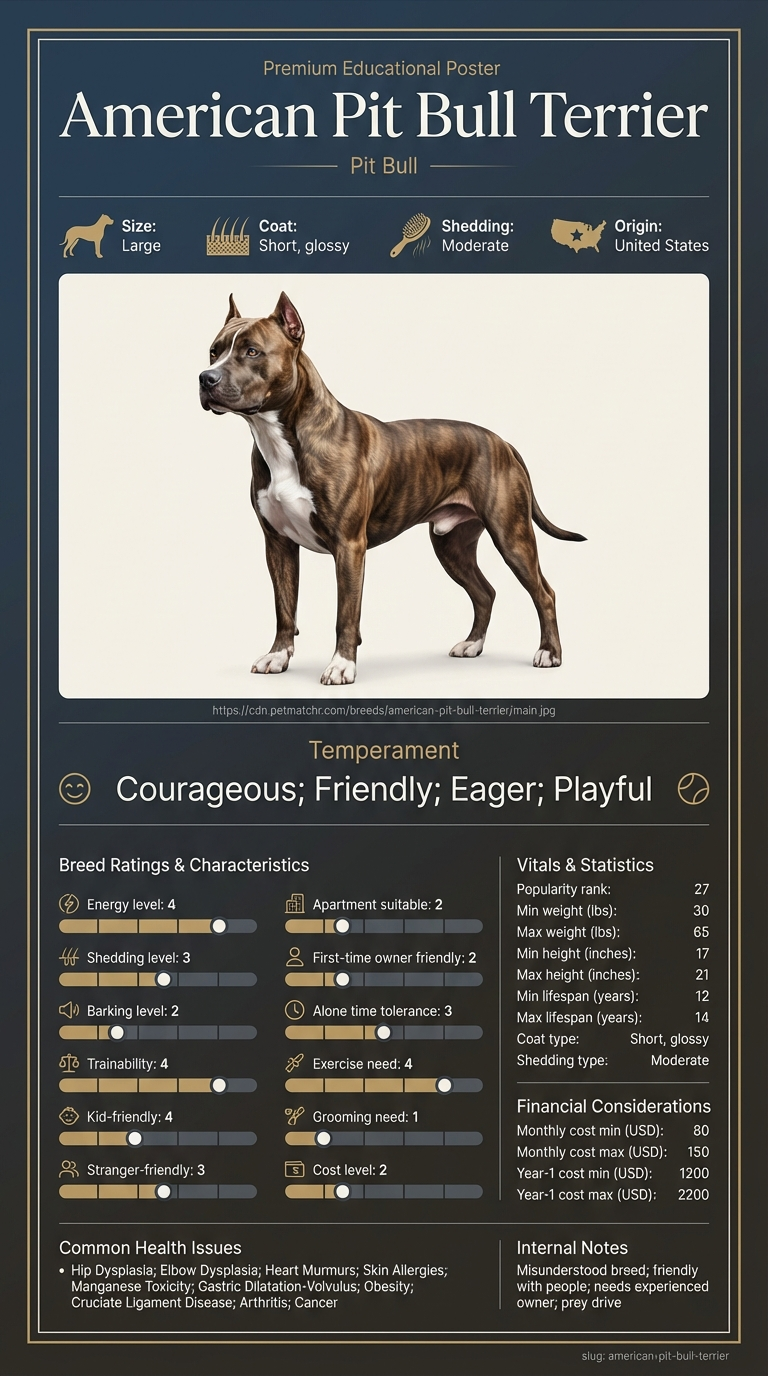
Owners who notice their Pit Bull scratching excessively, experiencing ear infections, or having skin irritations often struggle with managing these allergies. First-time owners may feel overwhelmed by the situation.
This guide is not medical advice. If your dog shows pain, sudden behavior change, or worsening symptoms, consult a licensed veterinarian.
Some links may be affiliate links. We may earn a commission at no extra cost to you. We only suggest products we believe are helpful for dog owners.
American Pit Bull Terrier allergies can manifest as skin irritations, itching, and chronic ear infections. These dogs may scratch excessively or bite at their skin, leading to further irritation. Allergies can arise from food, pollen, dust, or certain materials in their environment, making daily life uncomfortable for them and their owners.
Allergies are relatively common in American Pit Bull Terriers, with many owners reporting issues. While not every Pit Bull will experience allergies, it's important to be vigilant and address any signs early to ensure their comfort and health.
American Pit Bull Terriers can be predisposed to certain skin allergies due to their genetic makeup. Their short coat may not provide enough protection against irritants, making them more susceptible to allergens. Common issues include food allergies and sensitivities that can lead to skin rashes or gastrointestinal problems.
Environmental factors play a significant role in allergies as well. Common allergens like pollen, dust mites, and mold can trigger reactions. Additionally, exposure to certain chemicals in cleaning products or household items can exacerbate skin issues or lead to respiratory problems.
If your dog's allergies lead to behavioral changes, like increased anxiety or aggression due to discomfort, consider consulting a trainer. They can help you work on coping strategies for both you and your dog.
If your American Pit Bull Terrier shows persistent symptoms like itching, hair loss, or gastrointestinal issues, it's important to consult a vet. They can provide a proper diagnosis and may recommend allergy testing or specific medications to alleviate your dog's discomfort.
It can take several weeks to months to identify and manage American Pit Bull Terrier allergies effectively. Consistent monitoring and adjustments may be necessary during this period.
Success means your dog shows reduced allergy symptoms, such as less itching, fewer ear infections, and an overall happier demeanor. Regular vet check-ups and appropriate management strategies will help maintain your dog's quality of life.
Avoiding common mistakes can help manage your American Pit Bull Terrier's allergies effectively. Here are some behaviors to reconsider.
Understanding when American Pit Bull Terrier allergies become an emergency is crucial for your pet's health. If your dog shows severe symptoms, it’s time to call your vet immediately. On the other hand, mild reactions can often be monitored at home with a proper plan.
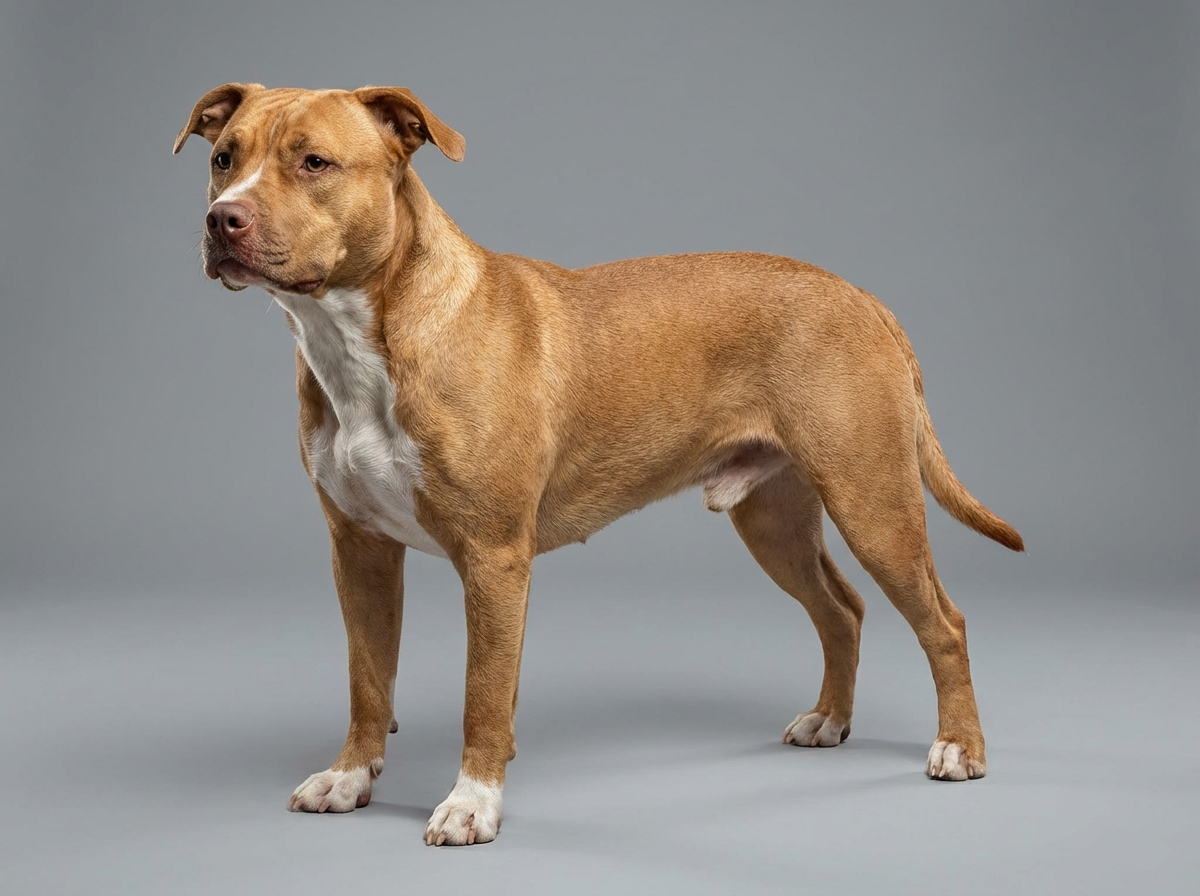
These symptoms indicate a serious allergic reaction that requires immediate veterinary attention.
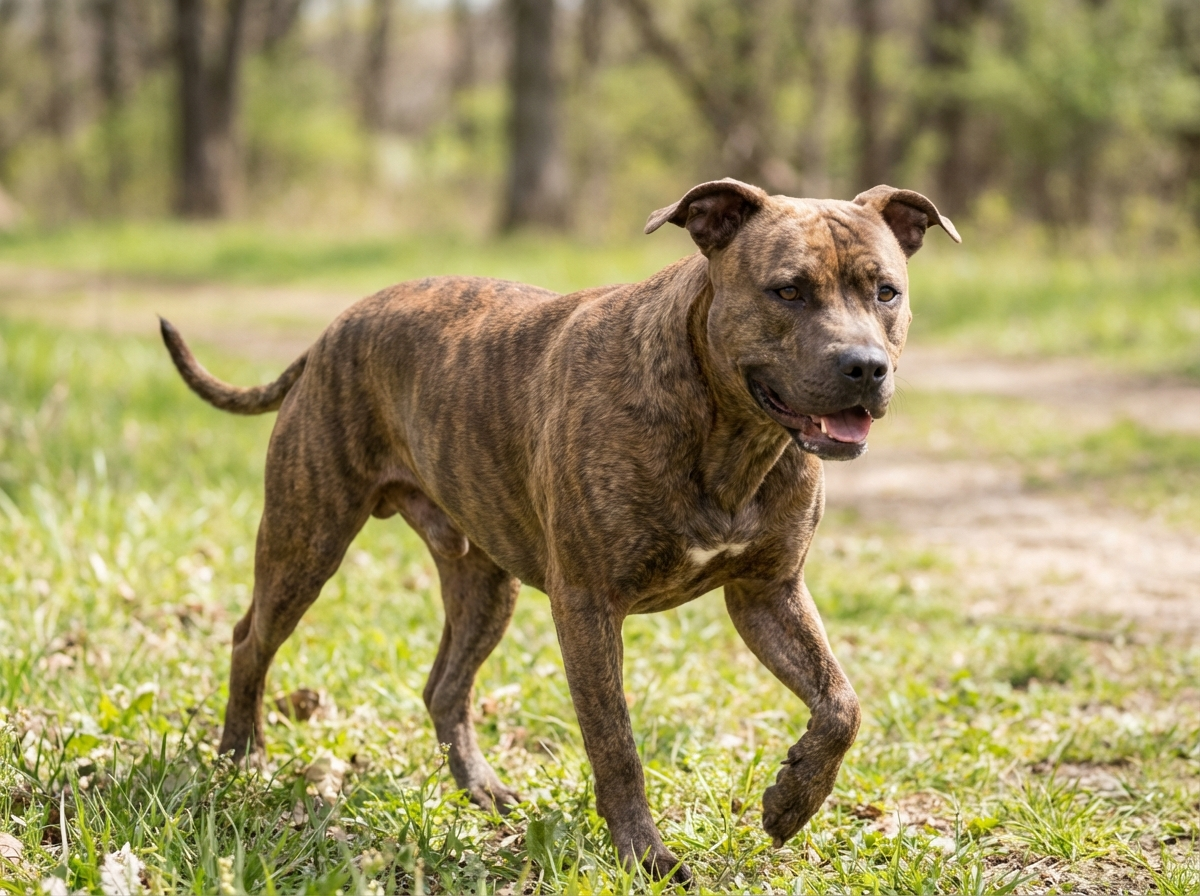
If your American Pit Bull Terrier experiences minor allergy symptoms, you can often manage these at home. Monitor their condition closely and create a plan to address the symptoms.
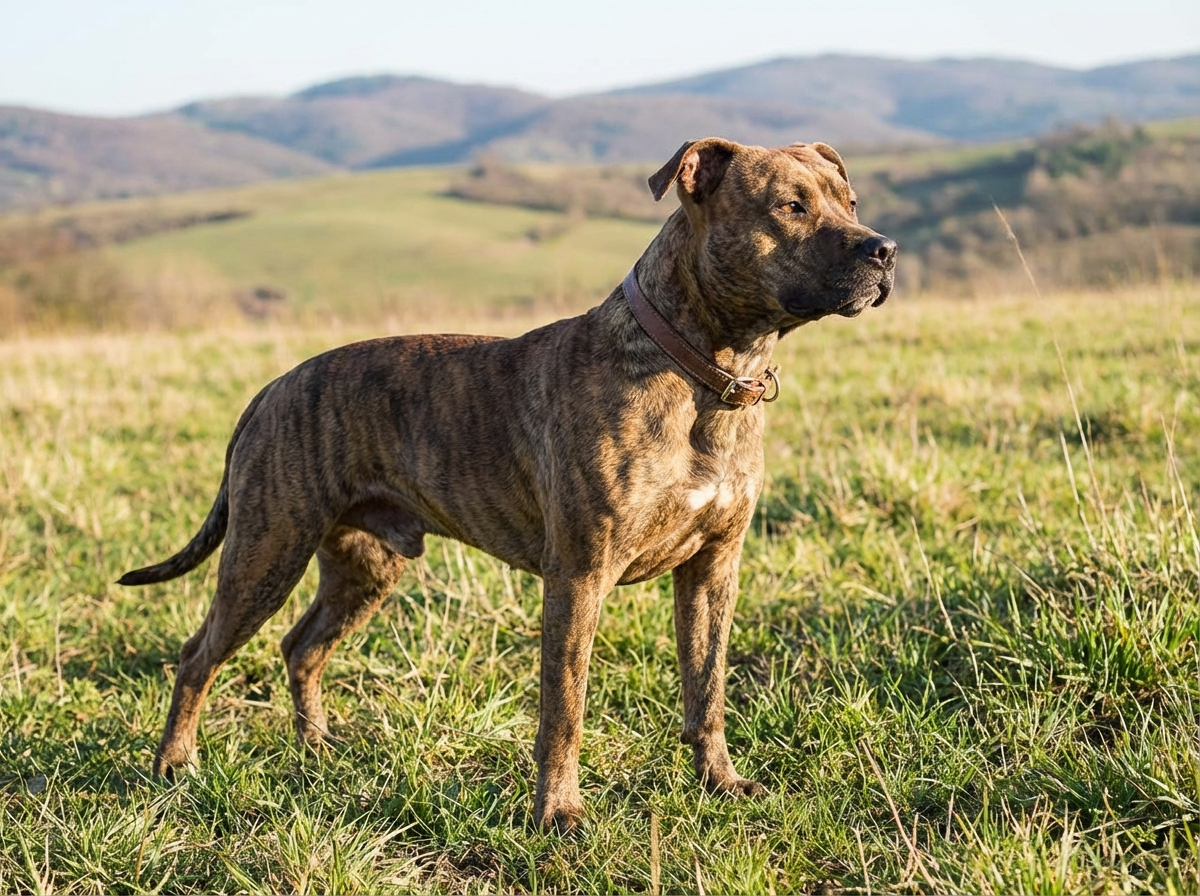
Sarah, a busy nurse in Atlanta, adopted Max, her American Pit Bull Terrier, only to discover he had significant allergies. Initially, she noticed him scratching excessively and experiencing recurrent ear infections. After consulting with her vet, she learned about common allergens and started a strict elimination diet while also switching to hypoallergenic dog food. Over the next few months, Max's symptoms improved significantly, allowing him to enjoy walks and playtime without constant discomfort.
Key takeaway: Managing American Pit Bull Terrier allergies requires patience and a proactive approach. Regular vet visits and a tailored diet can make a big difference.
American Pit Bull Terriers can develop allergies due to various factors, including their environment and diet. Common allergens include certain foods, pollen, dust mites, and flea saliva. Identifying the specific allergen can help in managing their symptoms.
To manage American Pit Bull Terrier allergies, start by consulting your vet for allergy testing. They may recommend a special diet or medications to alleviate symptoms. Regular grooming and cleaning your home can also reduce exposure to allergens.
Signs of allergies in American Pit Bull Terriers can include itching, red or inflamed skin, ear infections, and gastrointestinal issues. If you notice these symptoms, it's essential to consult your vet for a proper diagnosis and treatment plan.
While training cannot directly eliminate allergies, it can help your dog manage anxiety and stress, which may worsen allergy symptoms. Positive reinforcement training can also teach your dog to avoid allergens when possible.
Yes, some foods can help alleviate allergies. A hypoallergenic diet with limited ingredients can reduce the risk of allergic reactions. Consult your vet to find the best dietary options for your American Pit Bull Terrier.
Common symptoms include itching, redness of the skin, ear infections, and gastrointestinal issues. If your Pit Bull is excessively scratching or licking, it may indicate an allergic reaction.
Yes, American Pit Bull Terriers can develop allergies at any age, including as older dogs. Changes in their immune system over time can make them more susceptible to allergens.
If your Pit Bull shows persistent symptoms like severe itching, redness, or signs of infection, it's time to consult a vet. Early intervention can help manage their allergies effectively.
You can manage allergies by ensuring a clean living environment, using hypoallergenic food, and bathing them regularly to remove allergens. Consult your vet for specific recommendations tailored to your dog.
Yes, some common allergens for Pit Bulls include beef, chicken, dairy, and wheat. A vet can help identify food sensitivities through elimination diets or allergy testing.
Keep your home clean to reduce allergens, feed a high-quality hypoallergenic diet, and consult your vet for appropriate medications.
Groom your American Pit Bull Terrier at least once a week to reduce shedding and allergens in your home.
Yes, many dogs experience increased allergies during spring and fall due to pollen. Keeping them indoors during peak times can help.
Common health issues include skin infections, ear infections, and gastrointestinal problems, all of which may result from allergies.