Health
What can I do if my Alaskan Malamute has bleeding issues?
If your Alaskan Malamute shows signs of bleeding, keep them calm and seek veterinary help immediately. Quick action can prevent complications.
Alaskan Malamute von Willebrand's disease (vWD1) is a genetic bleeding disorder that can seriously impact your dog's health.
Typically, owners of Alaskan Malamutes face this challenge, especially if they have a family history of the disease. First-time dog owners may struggle with recognizing the signs and understanding the necessary care.
This guide is not medical advice. If your dog shows pain, sudden behavior change, or worsening symptoms, consult a licensed veterinarian.
Some links may be affiliate links. We may earn a commission at no extra cost to you. We only suggest products we believe are helpful for dog owners.
Alaskan Malamute von Willebrand's disease (vWD1) is a genetic bleeding disorder that affects your dog's ability to form blood clots. This can lead to excessive bleeding from minor injuries, making everyday activities risky. If your Malamute gets a cut or scrape, you may notice that it bleeds more than usual and takes longer to stop.
Von Willebrand's disease (vWD1) is relatively common in Alaskan Malamutes compared to other breeds. It's estimated that about 5% of Malamutes may be affected by this condition, making it an important health consideration for owners.
Alaskan Malamutes are prone to von Willebrand's disease (vWD1) due to genetic factors. This inherited bleeding disorder affects their ability to clot blood properly. The disease results from a deficiency in a specific clotting protein, which can be passed down from their parents.
While vWD1 is primarily genetic, stress and injuries can exacerbate symptoms. An environment that lacks proper medical care or is overly stressful can lead to complications. Ensuring a calm and stable home can help manage the disease.
If your Malamute shows signs of anxiety or stress that you can't manage, consider hiring a professional trainer. They can help modify behavior and create a more positive environment.
If you notice unexplained bruising, prolonged bleeding from minor cuts, or if your dog appears lethargic, consult your veterinarian. Regular check-ups are essential to monitor your Malamute's condition and discuss potential treatments.
Managing Alaskan Malamute von Willebrand's disease (vwd1) is an ongoing process. You should expect to see improvements within a few months of consistent care and training.
Success looks like managing your dog's symptoms effectively, ensuring they live a healthy, active life while minimizing bleeding risks. Regular vet check-ups and proper training will help your dog feel secure and happy.
When dealing with Alaskan Malamute von Willebrand's disease (vWD1), there are several common mistakes owners can make that may worsen the situation. Here are some key pitfalls to avoid.
If your Alaskan Malamute shows signs of severe bleeding, such as excessive bleeding from minor cuts, blood in urine or stool, or prolonged bleeding after surgery, call your vet immediately. These symptoms may indicate a serious episode of von Willebrand's disease (vWD1) that requires urgent care. Additionally, if your dog appears lethargic, has difficulty breathing, or collapses, seek emergency help right away.
In less severe cases, you may notice mild symptoms like easy bruising or slight bleeding from the gums. These situations can often be monitored at home, but it’s essential to have a plan in place. Keep an eye on your dog's activity levels and eating habits, and maintain regular vet check-ups to stay informed about their condition.
If you are unsure whether the situation requires immediate attention, err on the side of caution. It’s better to consult your veterinarian than to wait and risk complications. Always be proactive about your Alaskan Malamute's health, especially with a condition like vWD1.
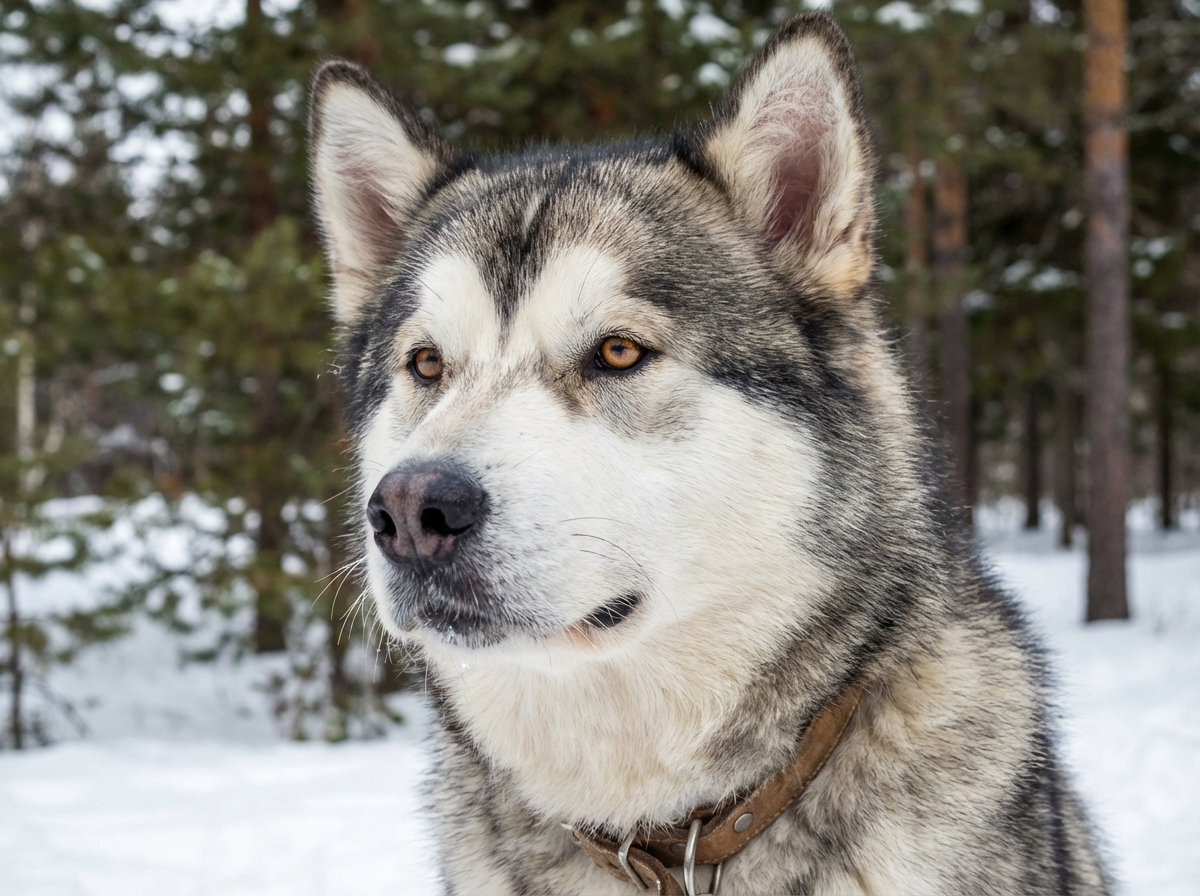
Emma, a first-time dog owner, adopted a lively Alaskan Malamute named Max. Shortly after bringing him home, she learned that Max had von Willebrand's disease (vwd1). At first, she felt overwhelmed by the prospect of managing his condition. With guidance from her vet, Emma established a routine that included regular check-ups and a specialized diet to support Max's health. She also enrolled in training classes to help Max feel more confident and secure. Over time, Emma noticed that Max's anxiety decreased, and he became more comfortable in social settings, allowing him to enjoy life to the fullest.
Key takeaway: With the right support and training, managing Alaskan Malamute von Willebrand's disease (vwd1) can be successful. It’s essential to stay informed and proactive in caring for your dog's health.
Von Willebrand's disease (vWD1) is a genetic bleeding disorder common in Alaskan Malamutes. It occurs when the dog lacks a specific protein needed for blood clotting, making them prone to excessive bleeding. If your Malamute shows symptoms like prolonged bleeding or bruising, consult a vet for testing. This answer relates to Alaskan Malamute von willebrand's disease (vwd1).
Managing vWD1 involves regular vet check-ups and understanding your dog's condition. Avoid high-impact activities that could lead to injury, and keep an eye out for bleeding tendencies. Discuss treatment options with your vet, which may include medications or procedures to help manage symptoms.
Signs of vWD1 include excessive bleeding from minor cuts, nosebleeds, or prolonged bleeding after surgery. You may also notice easy bruising or blood in the urine. If you see these symptoms, it's important to contact your vet for further evaluation.
While there is no cure for vWD1, it can be managed effectively. Treatment may include avoiding certain risk factors and using medications that help with clotting. Your vet can provide a tailored plan to ensure your dog leads a healthy life.
Yes, vWD1 is inherited genetically. It's essential to choose a responsible breeder who screens for this condition to prevent passing it on to the puppies. If your Malamute has vWD1, it's crucial to inform potential buyers if you decide to breed.
Symptoms of von Willebrand's disease (vWD1) in Alaskan Malamutes can include excessive bleeding from cuts, nosebleeds, and prolonged bleeding after surgery. You might also notice unusual bruising or bleeding gums. If you see these signs, consult your vet immediately.
Diagnosis of von Willebrand's disease (vWD1) typically involves blood tests to measure the levels of von Willebrand factor. Your vet may also take a detailed history of your dog's health and any bleeding episodes. Early diagnosis is crucial for managing this genetic condition effectively.
Von Willebrand's disease (vWD1) is a genetic condition, so it is present from birth. However, older Alaskan Malamutes may show symptoms as they age, especially if they have previously been asymptomatic. Regular vet check-ups are important to monitor their health as they grow older.
If your Alaskan Malamute with von Willebrand's disease (vWD1) gets injured, apply direct pressure to any bleeding wounds and contact your veterinarian immediately. It’s essential to have a treatment plan in place for emergencies. Keeping your dog's health records handy can also help your vet act swiftly.
While training cannot cure von Willebrand's disease (vWD1), it can help manage your dog's behavior. Teaching commands like 'stay' and 'leave it' can prevent them from engaging in rough play that could lead to injury. Always consult with a vet for tailored training strategies.
If your Alaskan Malamute shows signs of bleeding, keep them calm and seek veterinary help immediately. Quick action can prevent complications.
Training should focus on gentle commands and avoiding high-impact activities. Positive reinforcement works best to keep them engaged without risking injury.
Yes, avoid situations where your dog might get injured, like rough play or agility courses. Regular vet visits are crucial to monitor their health.
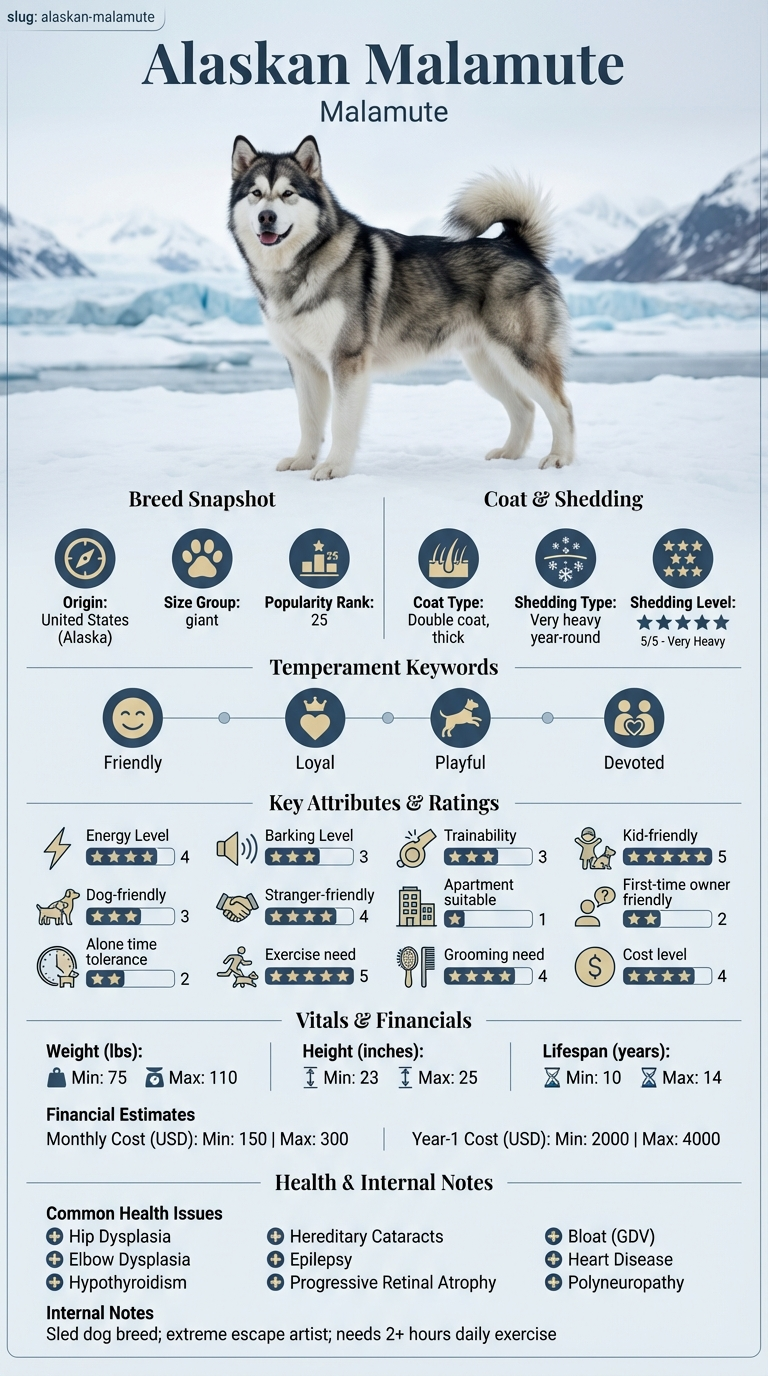
Monthly care costs for an Alaskan Malamute range from $150 to $300, including vet visits, medications, and special food if needed.