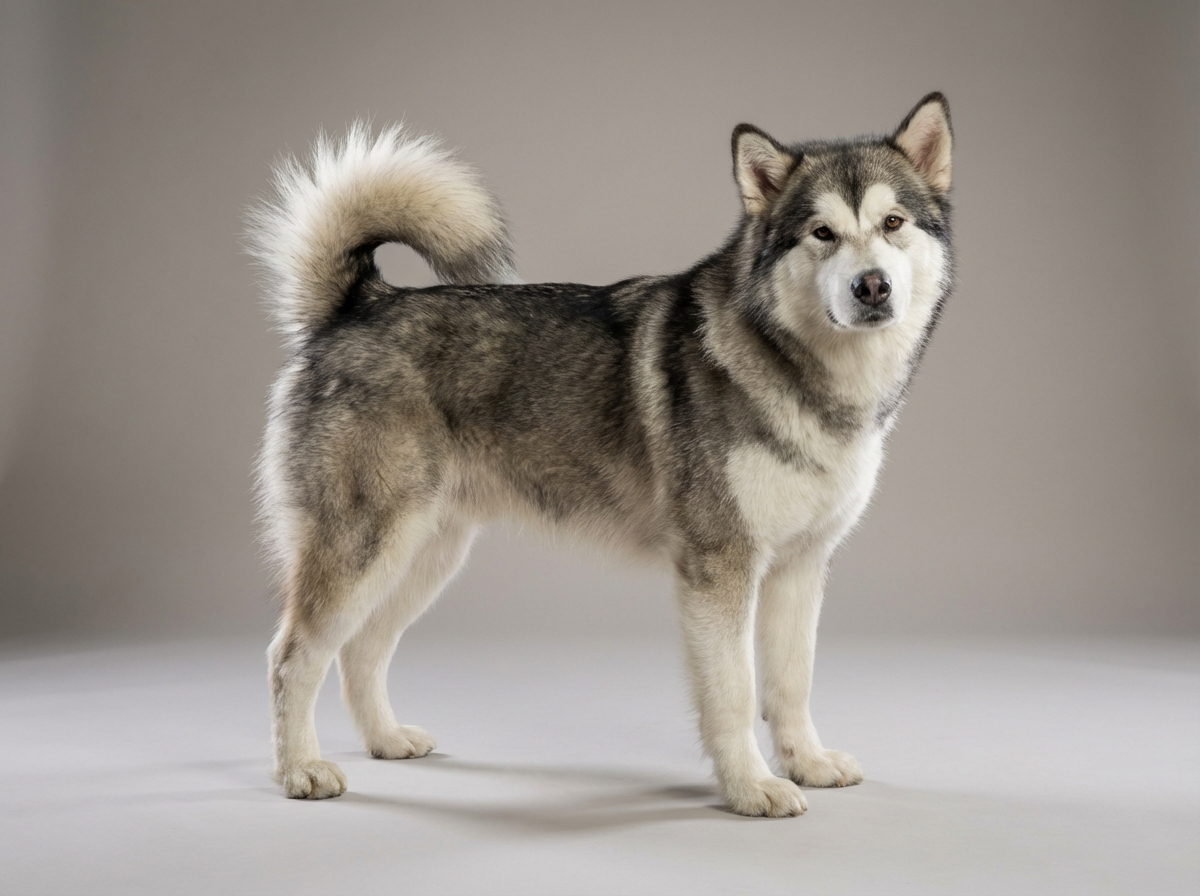
DogBreedCompass
← Back to breed profile

Alaskan Malamute von Willebrand's Disease: What You Need to Know

Alaskan Malamute von Willebrand's disease is a bleeding disorder that can affect your dog's health and happiness.

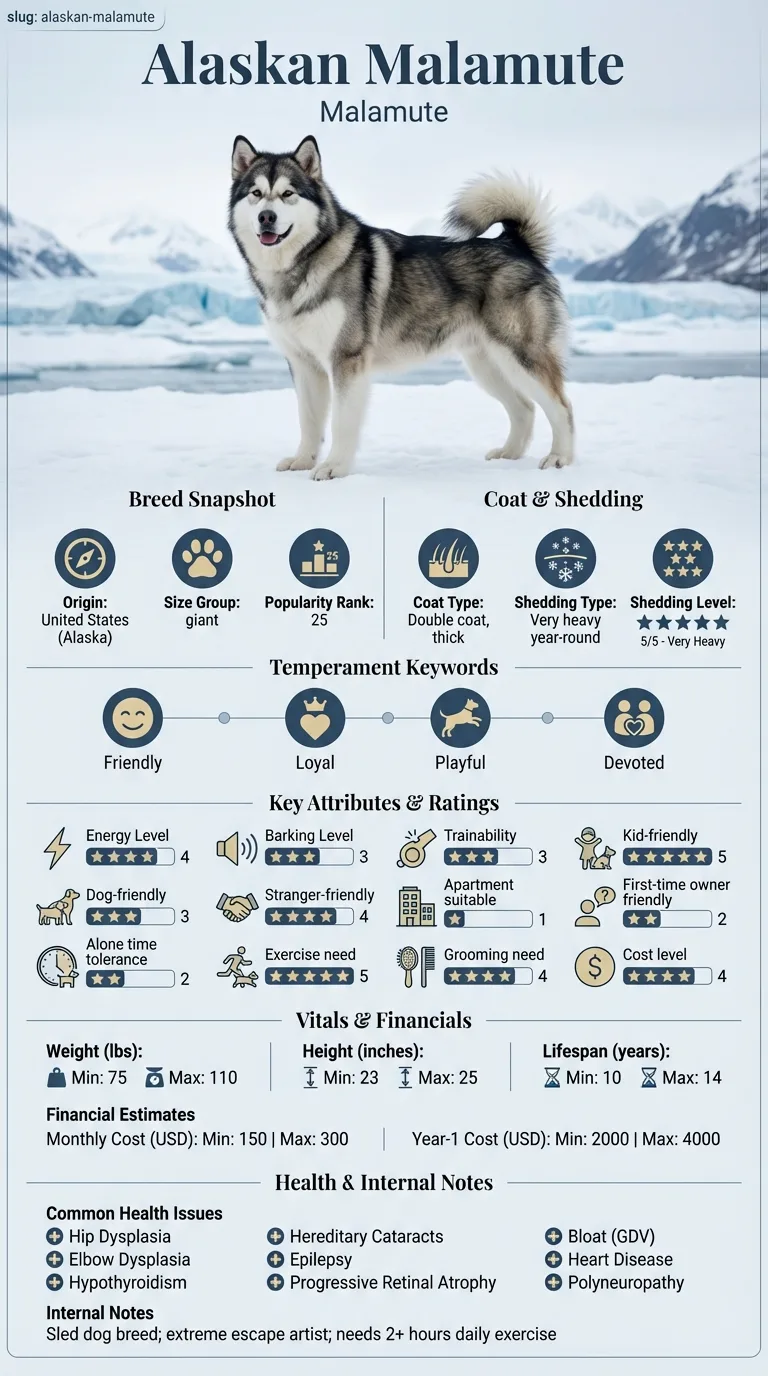
Alaskan Malamute von Willebrand's Disease: What You Need to Know infographic

Owners of Alaskan Malamutes, especially those with active lifestyles, often face challenges managing this condition. It can be particularly concerning for first-time owners who may not be familiar with the signs and treatments.

Important reminder

This guide is not medical advice. If your dog shows pain, sudden behavior change, or worsening symptoms, consult a licensed veterinarian.

Some links may be affiliate links. We may earn a commission at no extra cost to you. We only suggest products we believe are helpful for dog owners.

What this problem looks like

Alaskan Malamute von Willebrand's disease is a bleeding disorder that affects the dog's ability to clot blood. This condition can lead to excessive bleeding from minor injuries or during surgery. Day-to-day, this might look like your Malamute bruising easily or bleeding longer than expected from cuts or scrapes.

Common triggers

  • Stressful situations like vet visits
  • Injuries or surgeries
  • Genetic factors inherited from parents

Von Willebrand's disease is relatively common among Alaskan Malamutes, particularly those with a family history of the disorder. It's essential to be aware of this condition, especially if you're considering adding a Malamute to your family.

Why this happens

Breed factors

Alaskan Malamutes are predisposed to Von Willebrand's Disease due to genetic factors. This bleeding disorder stems from a deficiency in a specific protein that helps blood clot. Because it is hereditary, some Malamutes may have a higher risk of developing this condition.

Environment factors

While genetics play a major role, environmental factors can also influence the severity of Von Willebrand's Disease. Stressful situations, injuries, or certain medications can exacerbate bleeding issues. A stable, low-stress environment is important for managing this condition.

What you can try

At-home strategies

  • Monitor your Malamute closely for symptoms like unusual bleeding or bruising. Keeping a journal can help track any irregularities.
  • Ensure your dog has a balanced diet rich in nutrients. Consult with a vet to determine if there are any specific dietary supplements that could benefit your Malamute.
  • Minimize stress by creating a calm living space. Regular, gentle exercise can help maintain their overall health without overexertion.

When to consider a trainer

If your Alaskan Malamute shows signs of anxiety or stress that worsen their condition, a professional trainer can provide guidance. Look for trainers with experience in managing health-related behavior problems, especially in large breeds.

When to talk to your vet

If you notice any signs of bleeding, such as excessive bruising or prolonged bleeding from minor cuts, contact your vet immediately. It's also wise to consult your vet about regular check-ups to monitor your Malamute's condition, especially if they have a family history of Von Willebrand's Disease.

Realistic expectations

Managing Alaskan Malamute von Willebrand's disease typically takes several months of careful monitoring and adjustment. You should see noticeable improvements in your dog's condition within 3 to 6 months after implementing a proper treatment and management plan.

Success looks like your Malamute having fewer bleeding episodes, responding well to treatment, and leading a more active, happy life. Regular check-ups with your vet will help ensure that your dog's health stays on track.

Mistakes that make this worse

Managing your Alaskan Malamute with von Willebrand's disease can be challenging. Here are some common mistakes owners make that can worsen the situation, along with safer alternatives.

  • Ignoring symptoms: Failing to recognize signs of bleeding can be dangerous. Instead, stay vigilant for unusual bleeding and consult your vet immediately.
  • Skipping vet visits: Some owners might delay taking their dog to the vet due to perceived costs. Regular check-ups can help manage the disease effectively.
  • Not adjusting activity levels: Over-exercising your Malamute could lead to injury. Ensure you provide moderate exercise tailored to their health needs.
  • Neglecting diet: Feeding poor-quality food can exacerbate health issues. Opt for a balanced diet rich in nutrients to support your dog's overall health.
  • Avoiding training: Some owners may think training is unnecessary with a medical issue. However, proper training can help manage anxiety and improve behavior, making it essential.
  • Using harsh corrections: Punishment can increase anxiety and worsen behavior. Instead, focus on positive reinforcement to encourage good habits.

When Alaskan Malamute von Willebrand's Disease is an Emergency

Alaskan Malamute von Willebrand's Disease can be serious, and knowing when to act is crucial. Emergency signs include excessive bleeding from minor injuries, blood in urine or stool, and prolonged bleeding during routine procedures like nail clipping. If your dog shows these symptoms, it’s vital to contact your vet immediately.

On the other hand, mild cases may present with minor bleeding or bruising that can be monitored. If your Malamute has occasional nosebleeds or small cuts that stop bleeding quickly, you might not need to rush to the vet. Instead, keep an eye on the situation and have a plan in place for regular check-ups and monitoring their condition.

In summary, immediate veterinary attention is essential for severe symptoms while milder cases can be managed with careful observation and a vet's guidance. Always err on the side of caution and consult your vet when in doubt about your dog's health.

Alaskan Malamute von Willebrand's Disease: What You Need to Know - When Alaskan Malamute von Willebrand's Disease is an Emergency

Jessica's Journey with Max the Malamute

Jessica, a first-time dog owner, adopted Max, her Alaskan Malamute, unaware of his von Willebrand's disease. Initially, she was alarmed by his frequent nosebleeds and reluctance to exercise. After consulting her vet, Jessica learned how to manage the condition with medication and dietary changes. Over the next few months, she adjusted Max's activity level and provided him with a specialized diet. Slowly, his health improved, and he became more energetic and playful, enjoying walks and playtime without frequent bleeding episodes.

Key takeaway: With proper care and veterinary guidance, managing von Willebrand's disease in Alaskan Malamutes can lead to a healthier and happier dog.

Frequently asked questions

What is Alaskan Malamute von Willebrand's disease?

Alaskan Malamute von Willebrand's disease is a bleeding disorder that affects the dog's ability to clot blood. It is caused by a deficiency in a specific protein needed for blood clotting. This condition can lead to excessive bleeding, especially during surgery or after an injury.

Why does my Alaskan Malamute have von Willebrand's disease?

Von Willebrand's disease is typically inherited, meaning your Alaskan Malamute may have it due to genetic factors. If you suspect your dog has this condition, it's essential to consult your vet for testing and guidance on managing it.

How can I manage my Alaskan Malamute's von Willebrand's disease?

Managing this disease often involves regular vet check-ups and monitoring your dog's health. Avoid activities that could lead to injury, and discuss potential treatment options, like medications or special diets, with your veterinarian.

Can Alaskan Malamutes with von Willebrand's disease lead normal lives?

Yes, many dogs with von Willebrand's disease can live happy and active lives with proper care. It's crucial to minimize risks and keep an eye on any signs of bleeding. Regular vet visits can help ensure their health remains stable.

What are the signs of von Willebrand's disease in my Alaskan Malamute?

Signs of von Willebrand's disease include excessive bleeding from cuts, nosebleeds, or prolonged bleeding after vaccinations. If you notice any unusual bruising or bleeding, consult your vet immediately.

How to stop Alaskan Malamute von Willebrand's disease from worsening?

While you can’t cure von Willebrand's disease, you can help manage it to prevent worsening. Regular vet check-ups, avoiding high-risk activities, and ensuring your dog has a safe environment are essential steps.

What are the symptoms of von Willebrand's disease in Alaskan Malamutes?

Symptoms of von Willebrand's disease in Alaskan Malamutes can include excessive bleeding from cuts, nosebleeds, and bruising easily. You might also notice prolonged bleeding after surgery or injury, which can be a sign of this bleeding disorder.

Can Alaskan Malamutes with von Willebrand's disease live normal lives?

Yes, many Alaskan Malamutes with von Willebrand's disease can live normal, healthy lives with proper management. Regular veterinary check-ups and avoiding high-risk activities can help keep them safe and healthy.

How is von Willebrand's disease diagnosed in Alaskan Malamutes?

Diagnosis of von Willebrand's disease typically involves blood tests to measure clotting factors. Your veterinarian will assess your dog's medical history and may run specific tests to confirm the condition.

What treatments are available for Alaskan Malamutes with von Willebrand's disease?

Treatment options for Alaskan Malamutes with von Willebrand's disease may include medication to promote blood clotting and, in some cases, blood transfusions. Your vet will determine the best course based on your dog's specific needs.

Should I consider genetic testing for my Alaskan Malamute?

Genetic testing can be a wise choice for Alaskan Malamute owners, especially if they are breeding. Testing can identify carriers of von Willebrand's disease, helping to reduce the incidence of this condition in future litters.

Quick answers

View more answers
Behavior

What are quick tips for managing Alaskan Malamute von Willebrand's disease?

Keep your Malamute's environment safe and avoid rough play to prevent injury. Regular vet visits are crucial for monitoring their condition and adjusting care as needed.

Health

How can I prepare for a vet visit regarding von Willebrand's disease?

Bring any past medical records, a list of your dog's symptoms, and questions for your vet. This preparation will help ensure a thorough evaluation.

Costs

Is Alaskan Malamute von Willebrand's disease expensive to manage?

Management costs can vary, but expect to spend on regular vet visits and possibly medications. Budgeting $150 to $300 a month for care is a good starting point.

Related DogBreedCompass guides

  • Alaskan Malamute behavior problemsUnderstand how to manage your Alaskan Malamute's behavior issues, including training techniques.
  • Alaskan Malamute separation anxiety guideLearn how to help your Alaskan Malamute cope with separation anxiety and reduce stress.
  • Alaskan Malamute cost breakdownExplore the costs associated with owning an Alaskan Malamute, including health care and maintenance.
  • Health issues in Alaskan MalamutesFind out how to prevent and manage health issues in Alaskan Malamutes, including von Willebrand's disease.
  • Alaskan Malamute von willebrand's disease trainingGet insights into training your Alaskan Malamute, especially concerning specific health-related training.

Related guides