Behavior
What are quick tips for managing small nostrils in Alaskan Malamutes?
Keep exercise moderate and avoid high temperatures. Ensure your Malamute has plenty of water and breaks during activity.

Quick answer
What are quick tips for managing small nostrils in Alaskan Malamutes?
Keep exercise moderate and avoid high temperatures. Ensure your Malamute has plenty of water and breaks during activity.
Alaskan Malamute small nostrils, also known as stenotic nares, can lead to serious breathing issues. This condition affects how your dog breathes and can impact their overall health. (Alaskan Malamute small nostrils (stenotic nares))
Typically, this problem affects new Alaskan Malamute owners or those unfamiliar with the breed's specific health needs. If you have a giant, energetic dog that loves to run, you might be particularly concerned about how small nostrils can hinder their activity levels.
This guide is not medical advice. If your dog shows pain, sudden behavior change, or worsening symptoms, consult a licensed veterinarian.
Some links may be affiliate links. We may earn a commission at no extra cost to you. We only suggest products we believe are helpful for dog owners.
We research and check what we publish, but we do not warrant that any figure, date, price, or statement is accurate, complete, or current, and we accept no liability for any loss, cost, injury, or other harm arising from the use of this site. Use it as one reference among several. You remain responsible for your own decisions and for your dog's care - confirm anything that matters with a licensed veterinarian or another qualified professional before you act on it. Full disclaimer.
Check this first
Small nostrils in Alaskan Malamutes can lead to serious breathing issues. It's crucial to recognize when this condition becomes an emergency versus when it can be monitored at home. If your Malamute shows signs of severe distress or breathing difficulties, it's time to call your vet immediately.
Red-Flag Signs: If your dog is struggling to breathe, has a blue or pale tongue, collapses, or is excessively panting, these are urgent signs. Other warning symptoms include coughing, wheezing, or if your dog is unable to exercise or play as usual. These indicate that the airways are significantly obstructed, and prompt veterinary care is essential.
Mild Cases to Monitor: If your Malamute occasionally has difficulty breathing but still plays and eats normally, you may be able to monitor the situation. Keep an eye on their behavior, and note any changes in activity level, appetite, or signs of distress. You can create a plan to manage these mild symptoms, but make sure to have a conversation with your vet for guidance on appropriate monitoring strategies.
If any of these apply, call your vet or an emergency clinic now. The rest of this page is for the cases that are not an emergency.
Alaskan Malamutes with small nostrils, or stenotic nares, often face breathing difficulties. This condition can lead to noisy breathing, snoring, and labored breathing, especially during exercise or hot weather. Owners may notice their dog struggling to catch their breath after simple activities, which can be alarming.
Small nostrils are relatively common in Alaskan Malamutes, especially among those with a shorter muzzle. Many owners report this issue, particularly in puppies as they grow and develop, making it important for potential owners to be aware.
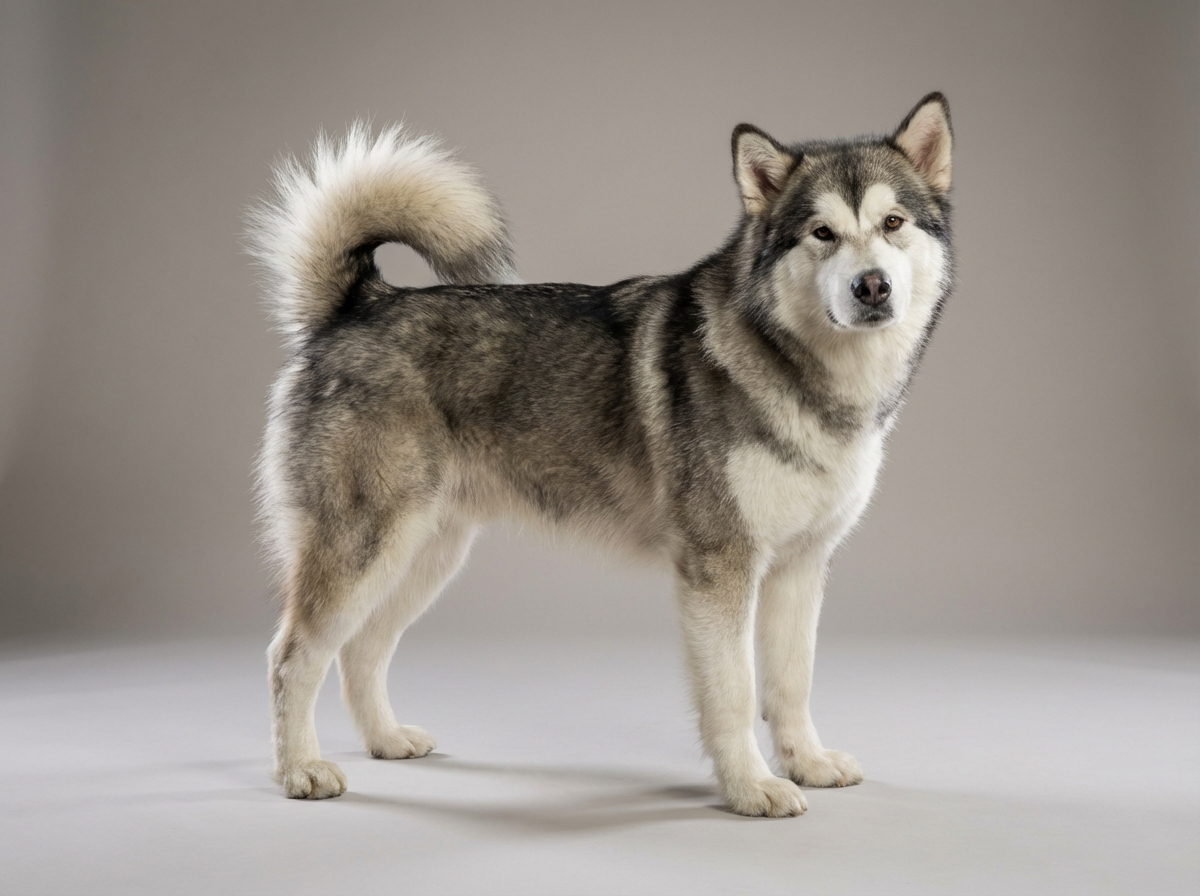
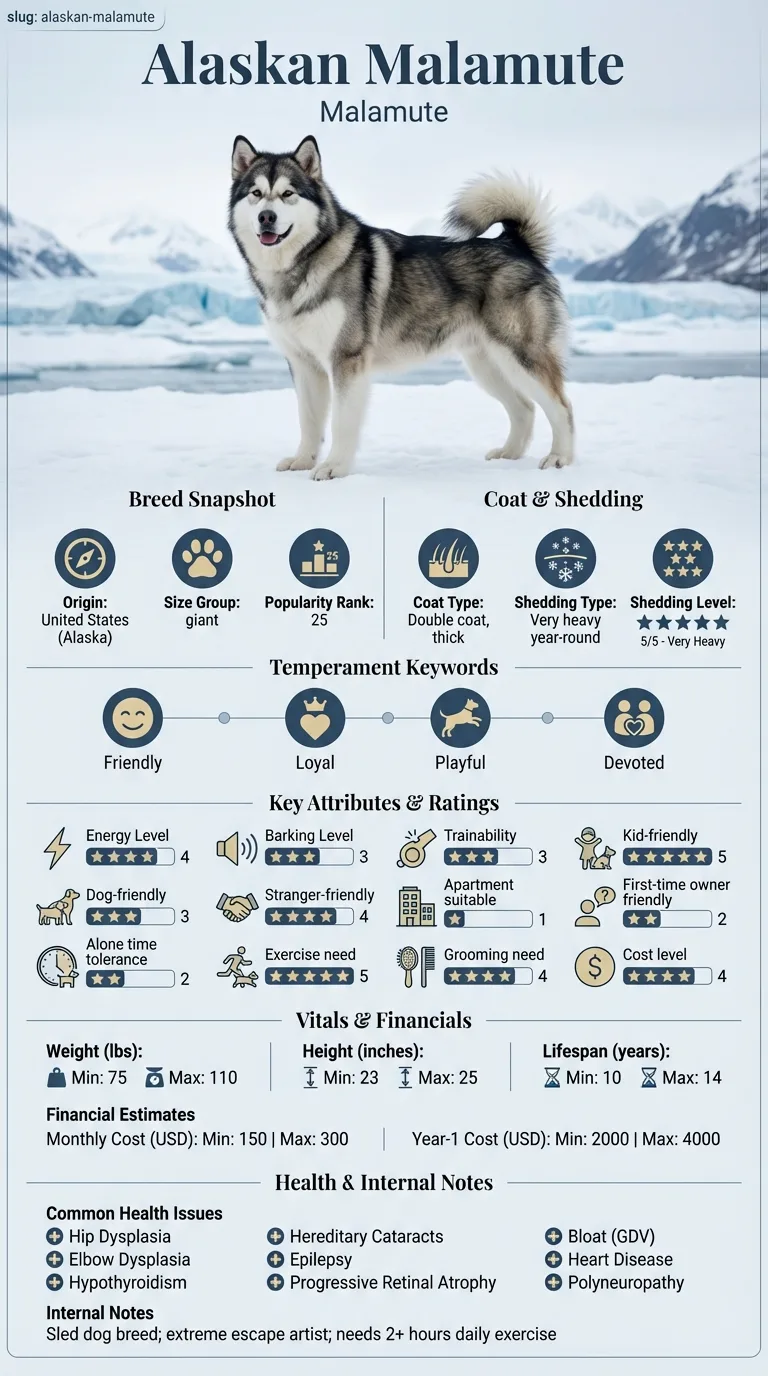
Alaskan Malamutes are a giant breed with a thick, double coat that helps them thrive in cold weather. Their facial structure can contribute to small nostrils, which is a common trait in brachycephalic breeds. This anatomical feature can lead to breathing difficulties, especially in warmer climates or during intense physical activity.
Environmental factors can significantly impact how your Alaskan Malamute copes with small nostrils. High temperatures, humidity, and pollution can exacerbate breathing issues. Additionally, lack of exercise or an unhealthy diet can increase weight, further straining their respiratory system.
If your Malamute frequently struggles to breathe, coughs, or shows any signs of distress, it's crucial to consult with a vet. They can assess the severity of the stenotic nares and recommend appropriate treatments or surgical options if necessary.
Avoiding these common mistakes can help improve your Alaskan Malamute's condition. Here are some behaviors to steer clear of.
Start here: Alaskan Malamute Most Common Genetic Disorders: Screening
See all Alaskan Malamute health problems, which breeds are prone to small nostrils stenotic nares, or the full Alaskan Malamute breed guide for temperament, exercise needs and ownership costs.
You can expect to see improvements in your Alaskan Malamute's breathing within 4 to 8 weeks of consistent care and management.
Success means your Malamute can breathe more easily during exercise and shows less distress during activities, allowing for a more comfortable and active lifestyle.
Emma, a busy nurse in Seattle, adopted Max, an Alaskan Malamute with small nostrils (stenotic nares). At first, Max struggled during walks, often panting heavily and needing frequent breaks. Determined to help him, Emma consulted a vet, who suggested targeted training and exercises to strengthen Max’s breathing. Over the next couple of months, Emma focused on gradual conditioning, incorporating controlled activities and positive reinforcement. To her delight, Max started to breathe more easily and even enjoyed longer walks without distress.
Key takeaway: With patience and the right approach, you can significantly improve your Alaskan Malamute's quality of life, even with breathing issues like small nostrils.
Small nostrils, or stenotic nares, can occur in Alaskan Malamutes as a genetic trait. This condition can lead to breathing difficulties and may be exacerbated by factors like exercise or heat. If you notice signs of distress, it's essential to consult a vet. This answer relates to Alaskan Malamute small nostrils (stenotic nares).
Start by ensuring your Malamute has a calm environment, especially during exercise. Gradually introduce activities that allow them to build stamina without overexerting themselves. Regular vet check-ups are also crucial for managing this condition.
Yes, positive reinforcement training can help. Focus on short, enjoyable sessions that do not stress your Malamute. Teaching them to take breaks during play can be beneficial.
Watch for excessive panting, coughing, or lethargy during exercise. If your Malamute seems to tire quickly or has difficulty breathing, it's vital to seek veterinary advice immediately.
Surgery is an option for severe cases. A vet can assess the condition and recommend the best course of action. Not all cases require surgery, so a professional evaluation is necessary.
Yes, small nostrils can lead to chronic breathing difficulties, which may result in more serious health problems over time. It's important to monitor your dog's breathing and consult your vet if you notice signs of distress.
Training can begin as early as eight weeks old. Early socialization and basic obedience training are crucial for all breeds, especially those with potential breathing issues like the Alaskan Malamute.
Signs to look for include excessive panting, coughing, or difficulty exercising. If your dog seems more tired than usual or struggles to breathe during routine activities, it's time to consult your veterinarian.
Yes, avoid high-intensity exercises in hot weather, as they can exacerbate breathing difficulties. Opt for shorter, more frequent walks in cooler temperatures to keep your Malamute healthy and comfortable.
There are surgical procedures that can widen the nostrils and improve airflow. Consult with a veterinary specialist to discuss the best options and potential risks based on your dog's health.
Keep exercise moderate and avoid high temperatures. Ensure your Malamute has plenty of water and breaks during activity.
Costs can range from routine vet visits ($150-$300 monthly) to surgical options, which may exceed $1,000. Always budget for ongoing care.
Yes, they can lead to chronic breathing issues. Regular check-ups can help manage and monitor any complications.
A one-page prep sheet for this condition: the signs, the questions to ask, what to get priced. Unlocks here.
You get: Vet visit prep sheet
No spam. One-click unsubscribe. See our privacy policy.
Preview page 1 before you decide.