Behavior
How to prevent Alaskan Malamute skin infections?
Regular grooming and keeping your dog's environment clean can help prevent skin infections.

Quick answer
How to prevent Alaskan Malamute skin infections?
Regular grooming and keeping your dog's environment clean can help prevent skin infections.
Alaskan Malamute skin infections can be a troubling issue for owners. These infections often stem from their thick double coats and specific grooming needs.
New dog owners and those unfamiliar with the breed's grooming requirements often face challenges. Busy families, or those living in humid climates, may also find it difficult to manage skin health for their Malamute.
This guide is not medical advice. If your dog shows pain, sudden behavior change, or worsening symptoms, consult a licensed veterinarian.
Some links may be affiliate links. We may earn a commission at no extra cost to you. We only suggest products we believe are helpful for dog owners.
We research and check what we publish, but we do not warrant that any figure, date, price, or statement is accurate, complete, or current, and we accept no liability for any loss, cost, injury, or other harm arising from the use of this site. Use it as one reference among several. You remain responsible for your own decisions and for your dog's care - confirm anything that matters with a licensed veterinarian or another qualified professional before you act on it. Full disclaimer.
Check this first
Recognizing when Alaskan Malamute skin infections become serious is crucial for your dog's health. Some signs indicate a need for immediate veterinary care, while others can be monitored at home. Knowing the difference can help you act quickly and ensure your pet gets the right treatment.
Red Flag Signs: If your Malamute shows any of these symptoms, call your vet right away: - Severe redness, swelling, or warmth in the affected area. - Pus or an unpleasant odor coming from the skin. - Excessive scratching or biting at the infection site, leading to further damage. - Signs of fever, such as lethargy or loss of appetite.
These symptoms could suggest a more serious infection requiring prompt medical attention.
Mild Cases to Monitor: If your Alaskan Malamute has minor redness or irritation without the severe symptoms listed above, you can generally take a wait-and-see approach. Monitor the area for changes, and consider these steps: - Keep the affected area clean and dry. - Limit your dog's access to the area to prevent further irritation. - Use vet-recommended topical treatments if advised.
It's always wise to have a plan in place for monitoring mild cases, but don’t hesitate to reach out to your vet for guidance. Regular check-ups can also help prevent future skin infections in your Malamute and keep their coat healthy.
If any of these apply, call your vet or an emergency clinic now. The rest of this page is for the cases that are not an emergency.
Alaskan Malamute skin infections are a common issue, often presenting as redness, irritation, or discharge in affected areas, particularly in facial folds. These infections can lead to discomfort and may cause your dog to scratch or bite at their skin, which can worsen the condition. Identifying the signs early is crucial for effective treatment.
Skin infections are relatively common among Alaskan Malamutes due to their thick double coat and heavy shedding. Regular grooming and proper care can help minimize these issues, but owners should be vigilant in monitoring their dog's skin health.
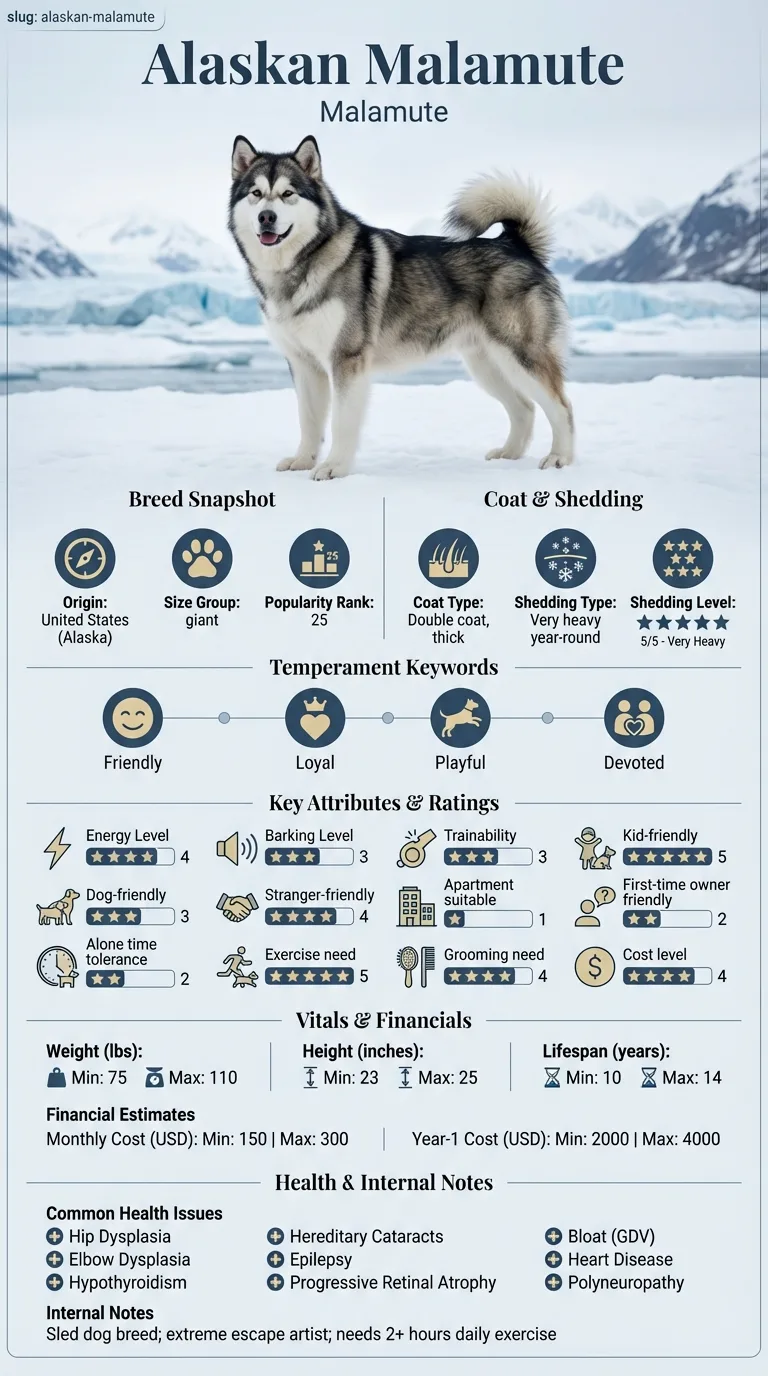
Alaskan Malamutes have a thick double coat that can trap moisture and heat against their skin. This environment can lead to bacterial or fungal growth, especially in humid conditions. Their shedding level is very high, which means loose fur can irritate the skin and contribute to infections.
Skin infections can also be caused by environmental factors such as allergens in the air, like pollen or dust mites. Poor hygiene or infrequent grooming can lead to a buildup of dirt and oils, which can cause irritation. Additionally, if your Malamute frequently swims in dirty water or has access to muddy areas, this can increase the risk of skin infections.
Reach out to your vet if skin infections persist despite your home care efforts. If you notice swelling, discharge, or significant redness, these could be signs of a more serious infection. A vet can provide a proper diagnosis and treatment plan, which may include medications or special shampoos.
Avoiding common pitfalls can help improve your Alaskan Malamute's skin infection issues. Here are some mistakes to watch out for.
Start here: Alaskan Malamute Most Common Genetic Disorders: Screening
See all Alaskan Malamute health problems, which breeds are prone to skin infections, or the full Alaskan Malamute breed guide for temperament, exercise needs and ownership costs.
With consistent care and attention, you should see improvement in your Alaskan Malamute's skin infections within 4 to 6 weeks. However, it may take longer for chronic issues to resolve fully.
Success means your Malamute has less irritation, fewer visible rashes, and improved overall skin health. Regular grooming and veterinary check-ups will support their recovery.
Sarah, a devoted owner of a 3-year-old Alaskan Malamute named Max, noticed he was scratching excessively and had red patches on his skin. After a vet visit, she learned these were skin infections, possibly aggravated by his thick double coat. Sarah committed to a new routine, including regular baths with vet-recommended shampoo, a strict grooming schedule, and a balanced diet rich in omega fatty acids. Over the next couple of months, Max's condition improved remarkably. His skin became healthier, and the scratching reduced significantly.
Key takeaway: With proper care and attention, you can help your Alaskan Malamute overcome skin infections and enjoy a happier, healthier life.
Alaskan Malamutes can develop skin infections due to a variety of reasons, including allergies, poor hygiene, or underlying health issues. It's important to monitor your dog's skin condition and consult a vet if you notice any unusual redness, swelling, or discharge. Regular grooming and maintaining a clean environment can help prevent these infections.
To reduce the risk of skin infections in your Alaskan Malamute, keep their coat clean and well-groomed. Regular baths with appropriate dog shampoo can help, as can ensuring their living space is clean. Additionally, consult your vet about any allergies or dietary issues that might contribute to skin problems.
Signs of skin infections in Alaskan Malamutes include redness, swelling, and excessive scratching or licking. You may also notice sores, scabs, or a foul odor coming from the affected area. Early detection and treatment are key to preventing further complications.
Yes, skin issues can be common in Alaskan Malamutes due to their thick double coat and environmental factors. Regular grooming and veterinary check-ups can help identify and address skin problems early. Keeping an eye on their skin health is crucial for their overall well-being.
Treatment for skin infections in Alaskan Malamutes often includes topical or oral antibiotics prescribed by a vet. Additionally, medicated shampoos may be recommended to soothe the skin. Always consult your vet for the best course of action tailored to your dog’s specific condition.
Look for symptoms like excessive scratching, redness, swelling, or discharge from the skin. You might also notice bald patches or foul odors. If you see these signs, it's best to consult your veterinarian for a proper diagnosis and treatment plan.
Regular grooming is essential to keep your Alaskan Malamute's coat clean and healthy. Bathing them with appropriate dog shampoo can help reduce skin irritants. Additionally, maintaining a healthy diet and keeping your dog's environment clean can also lower the risk of infections.
Yes, older Alaskan Malamutes may have weaker immune systems, making them more susceptible to skin infections. If your senior dog shows any signs of skin issues, it's crucial to consult your vet. Early intervention can prevent more serious health problems.
While training won't directly prevent skin infections, it can help you manage your dog's behavior during grooming sessions. Teaching your Alaskan Malamute to accept brushing and bathing can reduce stress and ensure you maintain their coat properly, which can help prevent infections.
Regular grooming and keeping your dog's environment clean can help prevent skin infections.
Consult your vet for proper diagnosis and treatment options if you suspect a skin infection.
Yes, due to their thick coat, Alaskan Malamutes can be prone to skin infections.
Look for redness, swelling, or unusual odors from the skin area as signs of infection.
Regular baths with suitable dog shampoo can help, but avoid overbathing as it can dry out their skin.
A one-page prep sheet for this condition: the signs, the questions to ask, what to get priced. Unlocks here.
You get: Vet visit prep sheet
No spam. One-click unsubscribe. See our privacy policy.
Preview page 1 before you decide.