DogBreedCompass
← Back to breed profile

Understanding Alaskan Malamute Pancreatitis & Diabetes

Alaskan Malamute pancreatitis & diabetes can be serious health issues that affect your beloved pet. These conditions require careful management and attention.

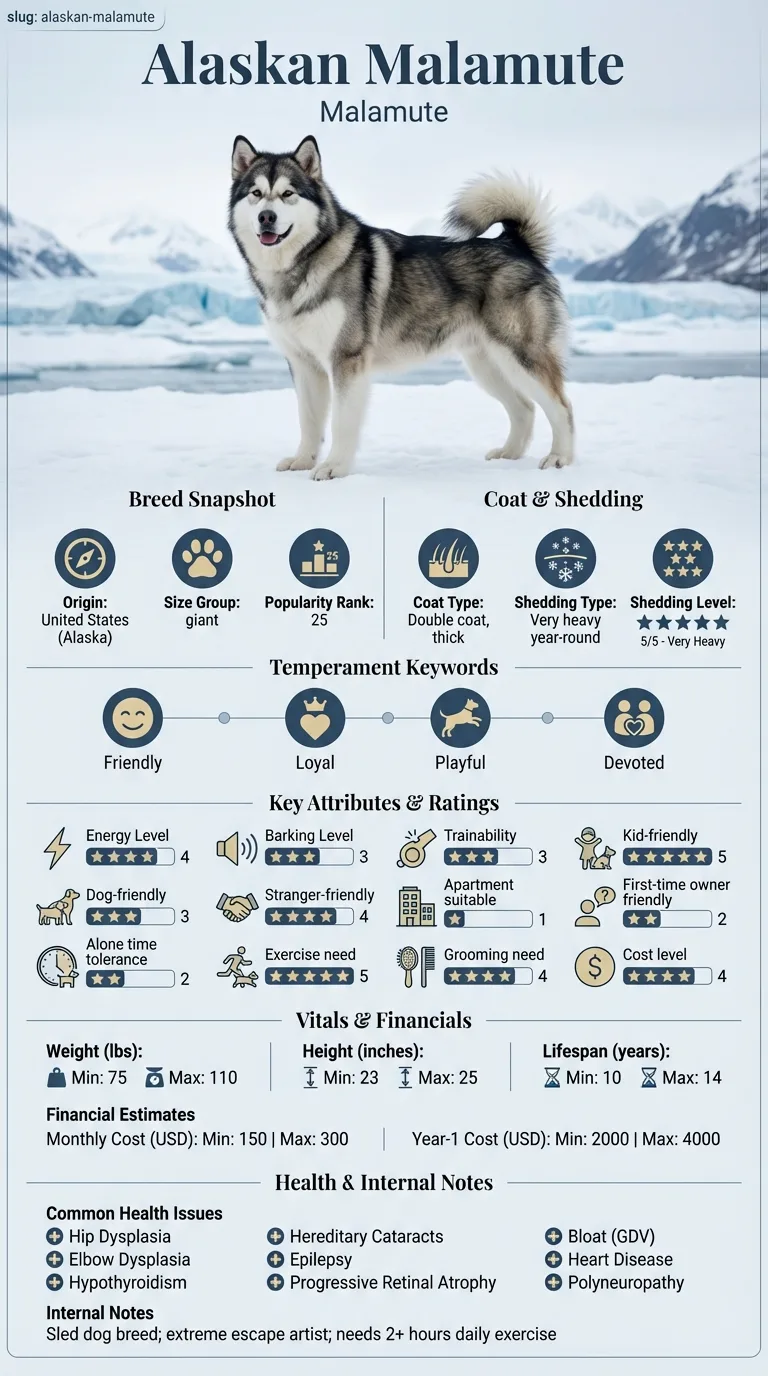
Understanding Alaskan Malamute Pancreatitis & Diabetes infographic

Typically, owners of senior Alaskan Malamutes or those with a history of health issues may struggle with these conditions. If you're a first-time owner or someone who may not be familiar with canine health, navigating these challenges can feel overwhelming.

Important reminder

This guide is not medical advice. If your dog shows pain, sudden behavior change, or worsening symptoms, consult a licensed veterinarian.

Some links may be affiliate links. We may earn a commission at no extra cost to you. We only suggest products we believe are helpful for dog owners.

What this problem looks like

Alaskan Malamute pancreatitis and diabetes can be serious health issues that affect your dog’s daily life. These conditions can cause symptoms like lethargy, vomiting, excessive thirst, and weight loss. Owners may notice their Malamute struggling to maintain energy levels or showing changes in appetite, which can be concerning.

Common triggers

  • High-fat diets that can trigger pancreatitis
  • Obesity, which increases the risk of diabetes
  • Lack of exercise, as Malamutes need significant daily activity

While not every Alaskan Malamute will face these health issues, they are relatively common, especially as dogs age. Senior Malamutes are at a higher risk for developing pancreatitis and diabetes, making regular vet check-ups essential.

Why this happens

Breed factors

Alaskan Malamutes have a genetic predisposition to certain health issues, including pancreatitis and diabetes. Their large size and specific metabolic traits can make them more vulnerable to these conditions, especially as they age. Additionally, their diet and lifestyle choices can exacerbate these risks.

Environment factors

Environmental factors like diet, exercise, and weight management play a significant role in the onset of pancreatitis and diabetes. Overfeeding, high-fat diets, and lack of exercise can lead to obesity, which is a key risk factor for both conditions. Stress or changes in routine can also impact their health negatively.

What you can try

At-home strategies

  • Monitor your Malamute's diet carefully. Provide high-quality, low-fat food and avoid table scraps.
  • Establish a regular exercise routine. Aim for at least 2 hours of physical activity every day to maintain a healthy weight.
  • Keep an eye on their weight. Use a scale or consult your vet to ensure they're within a healthy range.
  • Implement a feeding schedule. Stick to regular meal times to help regulate their metabolism.

When to consider a trainer

If your Malamute shows signs of anxiety or if managing their diet and exercise feels overwhelming, consider hiring a professional trainer. They can provide tailored strategies for behavior modification and help create a balanced routine.

When to talk to your vet

Consult your vet if you notice any signs of pancreatitis or diabetes, such as excessive thirst, frequent urination, or sudden weight loss. Regular check-ups, especially as your Malamute ages, are crucial to catch any health issues early.

Realistic expectations

It may take 3 to 6 months of consistent care and management to see improvements in your Alaskan Malamute's health.

Success means your Malamute maintains a stable weight, shows improved energy levels, and has fewer health complications related to pancreatitis and diabetes.

Mistakes that make this worse

Avoiding certain behaviors can help manage Alaskan Malamute pancreatitis and diabetes more effectively. Here are common mistakes to watch out for.

  • Feeding table scraps: Giving your Malamute human food can worsen pancreatitis. Stick to vet-recommended diets.
  • Ignoring weight management: Overweight dogs are more prone to diabetes. Regularly monitor their weight and adjust food intake.
  • Skipping vet check-ups: Regular visits are vital for early detection of issues. Schedule routine check-ups to stay ahead.
  • Inconsistent feeding schedule: Not sticking to a routine can confuse your Malamute’s metabolism. Feed at the same times daily.
  • Neglecting exercise: A lack of physical activity can worsen health issues. Ensure your Malamute gets at least 2 hours of exercise each day.
  • Overlooking symptoms: Dismissing signs of distress can lead to worse health problems. Be alert to changes in behavior or appetite.
  • Self-medicating: Using over-the-counter medications without vet approval can be dangerous. Always consult your vet for treatment options.

When Alaskan Malamute Pancreatitis & Diabetes is an Emergency

Knowing when your Alaskan Malamute’s pancreatitis and diabetes require immediate veterinary attention is crucial. There are clear signs that indicate an emergency situation where you should call your vet right away. Look for symptoms like severe vomiting, lethargy, or a noticeable change in appetite. If your dog exhibits these, don’t wait—it could be life-threatening.

In contrast, there are milder cases that can be managed at home with proper monitoring. If your Malamute has mild diarrhea, a slightly increased thirst, or occasional vomiting, these may not be immediate emergencies. Instead, keep an eye on their behavior and maintain a consistent management plan. Always consult your veterinarian for guidance on how to handle these less severe symptoms.

To summarize:

- **Emergency Signs:** Severe vomiting, lethargy, or a sudden decrease in appetite. - **Monitor at Home:** Mild diarrhea, increased thirst, or occasional vomiting. If you're ever in doubt, it's always better to err on the side of caution and reach out to your vet. Their expertise can help ensure your Malamute receives the appropriate care.

Understanding Alaskan Malamute Pancreatitis & Diabetes - When Alaskan Malamute Pancreatitis & Diabetes is an Emergency

Finding Balance: Sarah and Max

Sarah, a busy dog mom in Seattle, noticed her Alaskan Malamute, Max, losing weight and being less energetic. After a vet visit, she learned Max had pancreatitis and was at risk for diabetes. Determined to help him, Sarah revamped his diet with vet-approved low-fat foods and introduced a strict exercise routine. Over months, Max regained his energy and was able to maintain a healthy weight, leading to fewer health scares and a happier life together.

Key takeaway: With commitment and the right support, managing your Alaskan Malamute's pancreatitis and diabetes is possible, leading to a healthier, happier dog.

Frequently asked questions

Why does my Alaskan Malamute have pancreatitis & diabetes?

Alaskan Malamutes can develop pancreatitis and diabetes due to factors like genetics, diet, and obesity. A high-fat diet can trigger pancreatitis, while diabetes often results from insulin resistance. Regular veterinary check-ups are essential to monitor your dog's health.

How to stop Alaskan Malamute pancreatitis & diabetes?

To prevent pancreatitis and diabetes, maintain a balanced diet low in fat and high in fiber. Ensure your Malamute gets regular exercise to manage weight. Consult your vet for a suitable diet plan tailored to your dog's needs.

What are the symptoms of pancreatitis & diabetes in Alaskan Malamutes?

Symptoms of pancreatitis include vomiting, diarrhea, and abdominal pain. For diabetes, look for increased thirst, urination, and weight loss. If you notice these signs, contact your vet for an immediate evaluation.

Can pancreatitis & diabetes be managed in Alaskan Malamutes?

Yes, these conditions can be managed with proper diet and medication. Your vet may recommend insulin therapy for diabetes and a special diet for pancreatitis. Regular monitoring will help keep your Malamute healthy.

What dietary changes are needed for an Alaskan Malamute with pancreatitis & diabetes?

Switch to a low-fat, high-fiber diet to help manage both conditions. Avoid table scraps and treats high in fat. Always check with your vet before making significant dietary changes.

What are the symptoms of pancreatitis & diabetes in an Alaskan Malamute?

Common symptoms include excessive thirst and urination, lethargy, loss of appetite, and abdominal pain. If you notice your Malamute showing these signs, it's crucial to consult your vet promptly.

Can pancreatitis & diabetes in Alaskan Malamutes be managed with diet?

Yes, a specialized diet can help manage these conditions. It's important to work with your vet to create a meal plan that reduces fat intake and controls blood sugar levels.

How often should I take my Alaskan Malamute for vet check-ups if they have pancreatitis & diabetes?

For dogs with these conditions, regular check-ups are essential, typically every 3 to 6 months. This helps monitor their health and adjust treatment plans as needed.

Is pancreatitis & diabetes more common in older Alaskan Malamutes?

Yes, the risk of developing pancreatitis and diabetes increases as Alaskan Malamutes age. Older dogs should be monitored closely for any changes in behavior or health.

What is the best way to train an Alaskan Malamute with pancreatitis & diabetes?

Positive reinforcement training is the most effective approach. Focus on consistency and patience, while ensuring that your Malamute's energy levels and health are considered during training sessions.

Quick answers

View more answers
Behavior

What are some quick tips for Alaskan Malamute pancreatitis & diabetes?

Feed a low-fat, high-fiber diet and keep your Malamute active. Regular vet visits are crucial for monitoring health. Weight management is key to preventing complications.

Living

How can I help my Malamute lose weight?

Control portion sizes and increase exercise. Engage in daily activities like walks and playtime to burn off extra calories. Consult your vet for a tailored weight loss plan.

Costs

What are the costs associated with managing these conditions?

Expect monthly costs between $150 and $300 for food, medications, and vet visits. Initial costs may be higher due to diagnostics and treatment start-up.

Training

Is training necessary for managing these health issues?

Yes, training is helpful to reinforce good behavior around food and exercise. It can also keep your Malamute engaged and healthy, reducing risk factors.

Related DogBreedCompass guides

Related guides