DogBreedCompass
← Back to breed profile

Understanding Alaskan Malamute Liver Shunts

Alaskan Malamute liver shunts can be a serious health issue that affects your dog’s well-being. It involves abnormalities in the portal vein that can lead to significant complications.

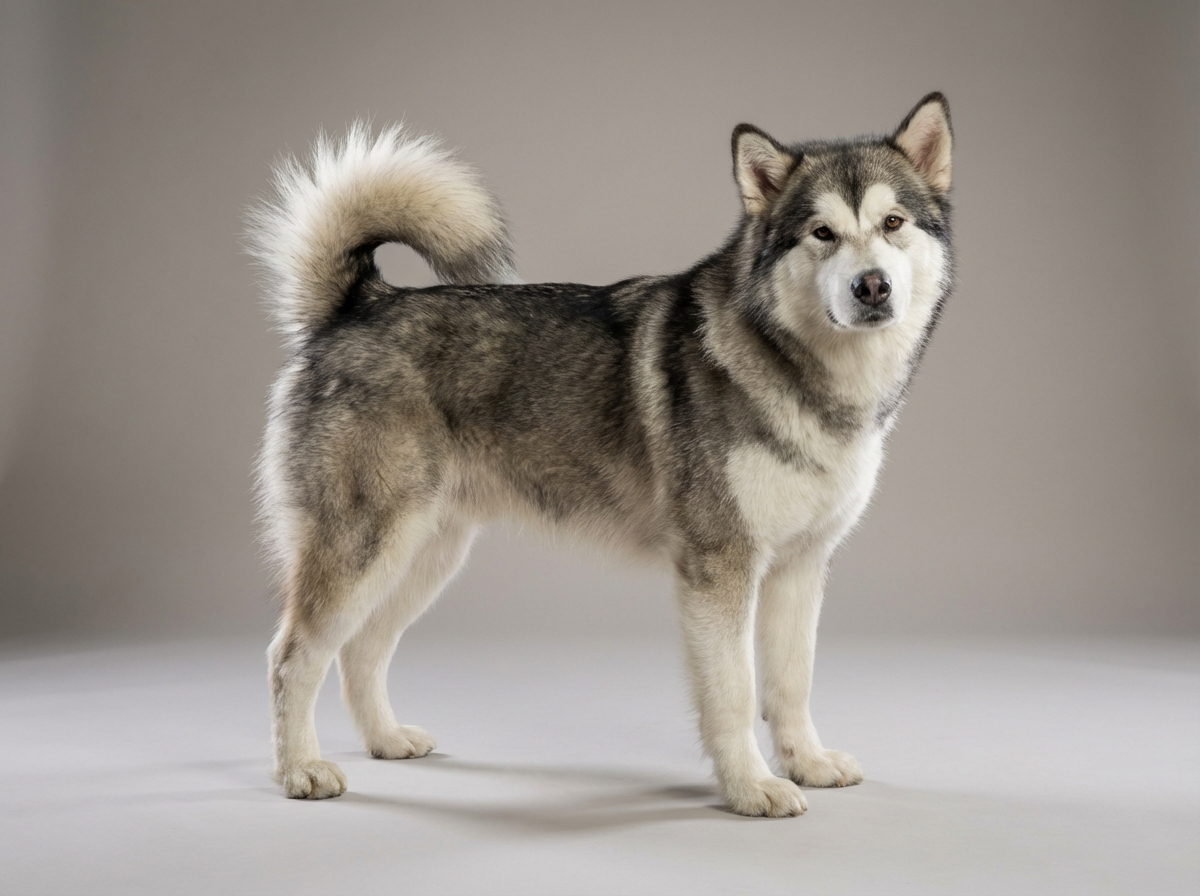
Understanding Alaskan Malamute Liver Shunts infographic

Typically, owners of Alaskan Malamutes may struggle with liver shunts. This includes first-time dog owners and those who are unaware of the breed's specific health challenges. Understanding this issue can make a world of difference in your dog's care.

Important reminder

This guide is not medical advice. If your dog shows pain, sudden behavior change, or worsening symptoms, consult a licensed veterinarian.

Some links may be affiliate links. We may earn a commission at no extra cost to you. We only suggest products we believe are helpful for dog owners.

What this problem looks like

Alaskan Malamute liver shunts are serious health issues where blood bypasses the liver, preventing it from filtering toxins. This condition can show up through symptoms like vomiting, poor growth, and behavioral changes. Owners may notice their Malamute acting lethargic or experiencing seizures, and these signs can be distressing.

Common triggers

  • Genetic predisposition
  • Poor diet or nutrition
  • Infections or other health conditions

Liver shunts are relatively rare but can be seen in Alaskan Malamutes due to genetic factors. While not every Malamute will face this issue, awareness and early detection are crucial for managing their health.

Why this happens

Breed factors

Alaskan Malamutes can be genetically predisposed to liver shunts, which are abnormalities in the blood vessels that affect liver function. This breed's size and specific genetic traits can increase the likelihood of developing these issues. Understanding these breed-specific tendencies is crucial for early detection and management.

Environment factors

Environmental factors can also contribute to liver shunts. Poor nutrition, exposure to toxins, or inadequate veterinary care may exacerbate the condition. Owners should be aware of how their dog's living conditions and diet can impact their overall health.

What you can try

At-home strategies

  • Monitor your Alaskan Malamute's behavior and appetite closely. Look for signs of lethargy, vomiting, or unusual urination.
  • Ensure a high-quality diet, focusing on liver health and avoiding any harmful substances. Consult your vet for the best nutritional options.
  • Maintain a consistent vet check-up schedule to monitor liver function and catch any issues early.

When to consider a trainer

If your Alaskan Malamute shows signs of anxiety or behavior problems related to their condition, consider seeking a professional dog trainer. A trainer experienced with medical issues can help provide targeted techniques to manage stress and anxiety.

When to talk to your vet

If you notice any signs of illness, such as changes in behavior, appetite, or energy levels, contact your vet immediately. It's essential to discuss any concerns about liver shunts as early intervention can significantly affect outcomes.

Realistic expectations

You can expect to see improvements in your Alaskan Malamute's health within a few months after implementing a treatment plan. Consistent monitoring and vet check-ups will be crucial.

Success means your Malamute will show improved energy levels, better digestion, and stable weight. Regular vet visits will help ensure any liver issues are managed effectively.

Mistakes that make this worse

Avoiding these common mistakes can help improve your Alaskan Malamute's liver shunt situation. Here’s what to watch out for.

  • Ignoring symptoms of liver shunts: Failing to recognize signs like lethargy or vomiting can delay treatment. Always monitor your Malamute closely and consult a vet at the first sign of trouble.
  • Skipping vet check-ups: Regular vet visits are essential for managing health issues. Skipping these appointments means missing critical assessments and treatment adjustments.
  • Feeding inappropriate diets: Giving your Malamute food that's high in protein or fats can worsen liver issues. Opt for a vet-recommended diet that’s easier on their liver.
  • Neglecting exercise: While exercise is important, too much physical stress can strain a Malamute with liver problems. Balance their activity with rest and follow vet guidance.
  • Self-medicating: Using human medications or supplements without vet approval can be harmful. Always consult your vet before introducing any new drugs or supplements.
  • Assuming behavior issues are just stubbornness: Many Malamutes with health problems may act out due to discomfort. Understand their behavior as a potential sign of distress and seek professional help.
  • Overlooking mental stimulation: Lack of mental engagement can lead to anxiety. Use puzzle toys or training activities to keep their mind sharp without overwhelming them physically.

When Alaskan Malamute Liver Shunts Are an Emergency

Recognizing when Alaskan Malamute liver shunts become a critical issue is essential for your pet's health. If you notice severe symptoms, such as seizures, excessive drooling, or lethargy, these are red flags. Immediate veterinary attention is necessary if your dog shows signs of vomiting, diarrhea, or has a swollen abdomen.

Understanding Alaskan Malamute Liver Shunts - When Alaskan Malamute Liver Shunts Are an Emergency

When to Watch and Wait

In less severe cases, such as mild vomiting or decreased appetite, you can monitor your Alaskan Malamute at home. Keep track of their food intake and behavior for a few days. However, if symptoms persist or worsen, it’s best to consult your vet for further evaluation.

Understanding Alaskan Malamute Liver Shunts - When to Watch and Wait

Samantha and Her Malamute, Kodiak

Samantha, a busy nurse in Seattle, noticed her Alaskan Malamute, Kodiak, was lethargic and had trouble with his appetite. After a vet visit, she learned about liver shunts and how they could impact Kodiak's health. With a strict diet, medication, and regular vet visits, Kodiak gradually regained his energy. Samantha also educated herself on training methods to help manage Kodiak’s behavior during this challenging time.

Key takeaway: Understanding your dog's health issues and committing to a treatment plan can lead to significant improvements in their quality of life.

Frequently asked questions

What are liver shunts in Alaskan Malamutes?

Liver shunts in Alaskan Malamutes are abnormalities in the blood vessels that bypass the liver. This can lead to serious health issues due to toxins not being filtered properly. It's important to consult a vet if you suspect your dog has this condition.

Why does my Alaskan Malamute have liver shunts?

Liver shunts can be congenital (present at birth) or acquired due to liver disease. Genetic factors may also contribute, especially in breeds like the Alaskan Malamute. Regular vet check-ups can help identify these issues early.

How can I manage liver shunts in my Alaskan Malamute?

Management often involves dietary changes, such as a low-protein diet, to reduce toxin buildup. Regular veterinary care is essential for monitoring your dog's health. In some cases, surgery may be necessary to correct the shunt.

How to stop Alaskan Malamute liver shunts from worsening?

Preventing liver shunts from worsening involves strict adherence to your vet's recommendations, including diet and medication. Avoid exposing your dog to potential toxins and ensure they have regular health screenings. A proactive approach can help maintain their quality of life.

Are there any training strategies for dogs with liver shunts?

Although training won't fix liver shunts, positive reinforcement can help your Malamute cope with any behavioral issues arising from discomfort. Focus on short training sessions to avoid stress. Consult with a trainer familiar with medical conditions for tailored strategies.

What are the symptoms of liver shunts in Alaskan Malamutes?

Symptoms of liver shunts in Alaskan Malamutes can include poor growth, lethargy, vomiting, and neurological issues such as seizures. You may also notice changes in behavior, like increased aggression or confusion. If you see any of these signs, it's crucial to consult a veterinarian.

Can liver shunts in Alaskan Malamutes be treated?

Yes, liver shunts can be treated, often through surgery to correct the shunt or through dietary management. Early diagnosis is key to effective treatment. A vet can guide you on the best options based on your dog's specific condition.

Are liver shunts hereditary in Alaskan Malamutes?

Liver shunts can have a genetic component, making it important to choose a responsible breeder. If you suspect your Malamute might have liver issues, ask your vet about screening and family histories. This can help you make informed decisions for future dogs.

How can I support my Alaskan Malamute with liver shunts at home?

To support a Malamute with liver shunts, maintain a low-protein diet as recommended by your vet. Regular monitoring of their condition is also essential. Providing a stress-free environment can help manage anxiety related to their health.

What long-term effects can liver shunts have on my Alaskan Malamute?

Long-term effects of liver shunts can vary, but untreated cases may lead to severe liver damage or complications. Regular veterinary check-ups are vital to monitor their health and adjust treatment as needed. Keeping an eye on their diet and behavior will also be beneficial.

Quick answers

View more answers
Behavior

What are quick tips for Alaskan Malamute liver shunts?

Monitor your dog's diet closely and keep vet appointments regular. Be aware of symptoms like lethargy, vomiting, or unusual behavior. Early detection is key to managing liver shunts effectively.

Costs

How much will treatment for liver shunts cost?

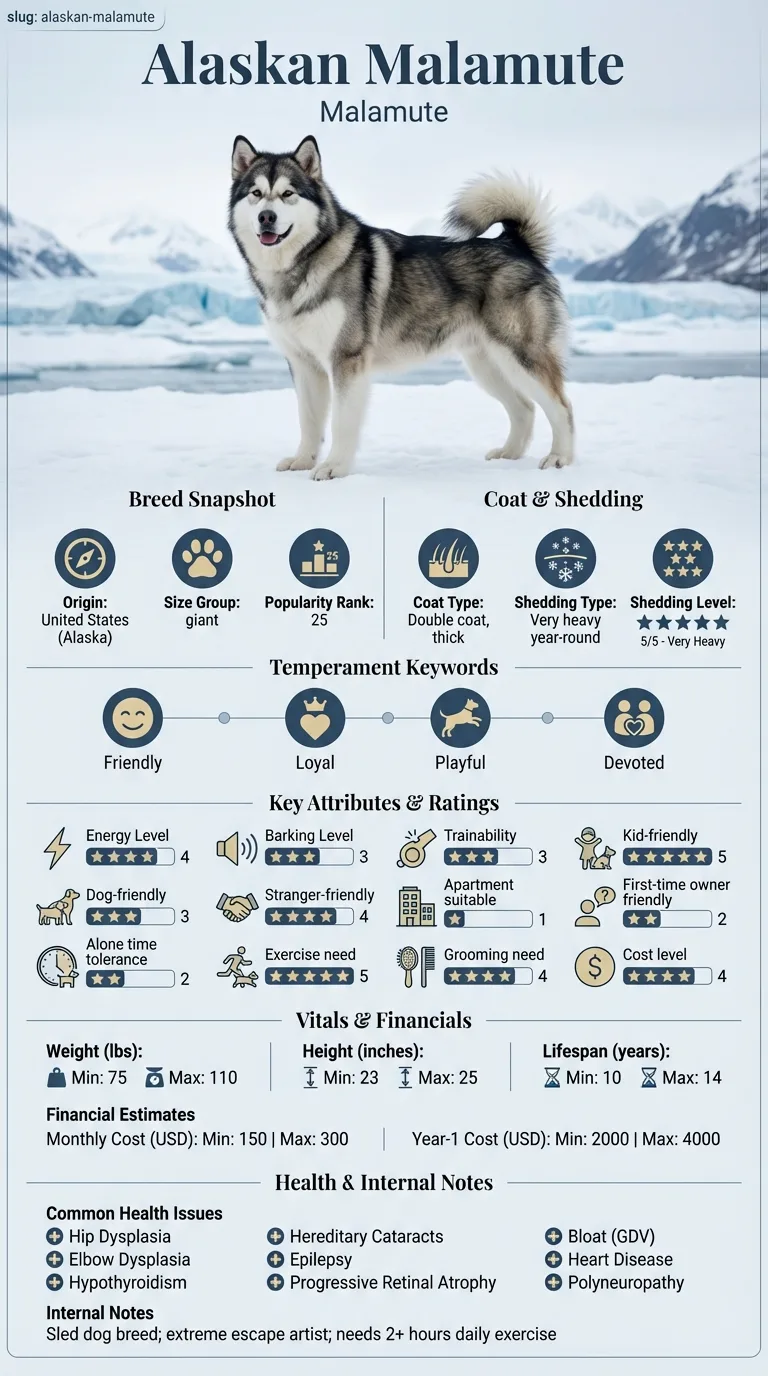
Costs for treating liver shunts can vary widely, ranging from $2,000 to $4,000 in the first year depending on veterinary care and any necessary surgeries. Always discuss costs with your vet to plan effectively.

Health

What health issues should I watch for in my Malamute?

Besides liver shunts, Alaskan Malamutes may face issues like hip dysplasia and hypothyroidism. Regular check-ups can help catch these problems early.

Related DogBreedCompass guides

  • Alaskan Malamute health issues overviewLearn more about the common health issues that Alaskan Malamutes face, including liver shunts.
  • Alaskan Malamute behavior problemsDiscover how to manage behavior problems, including anxiety, in Alaskan Malamutes.
  • Alaskan Malamute liver shunts trainingFind out how to train your Alaskan Malamute effectively to help with potential health concerns.
  • Alaskan Malamute cost breakdownUnderstand the costs associated with owning an Alaskan Malamute, including health-related expenses.
  • Alaskan Malamute separation anxiety guideExplore how to reduce separation anxiety in your Alaskan Malamute, which can impact their overall health.

Related guides