Behavior
What are quick tips for managing Alaskan Malamute hip dysplasia?
Provide low-impact exercise, maintain a healthy weight, and consider joint supplements. Regular vet visits are essential for monitoring their condition.

Quick answer
What are quick tips for managing Alaskan Malamute hip dysplasia?
Provide low-impact exercise, maintain a healthy weight, and consider joint supplements. Regular vet visits are essential for monitoring their condition.
Alaskan Malamute hip dysplasia is a common issue that affects mobility and quality of life. This condition can lead to severe pain and arthritis if not addressed.
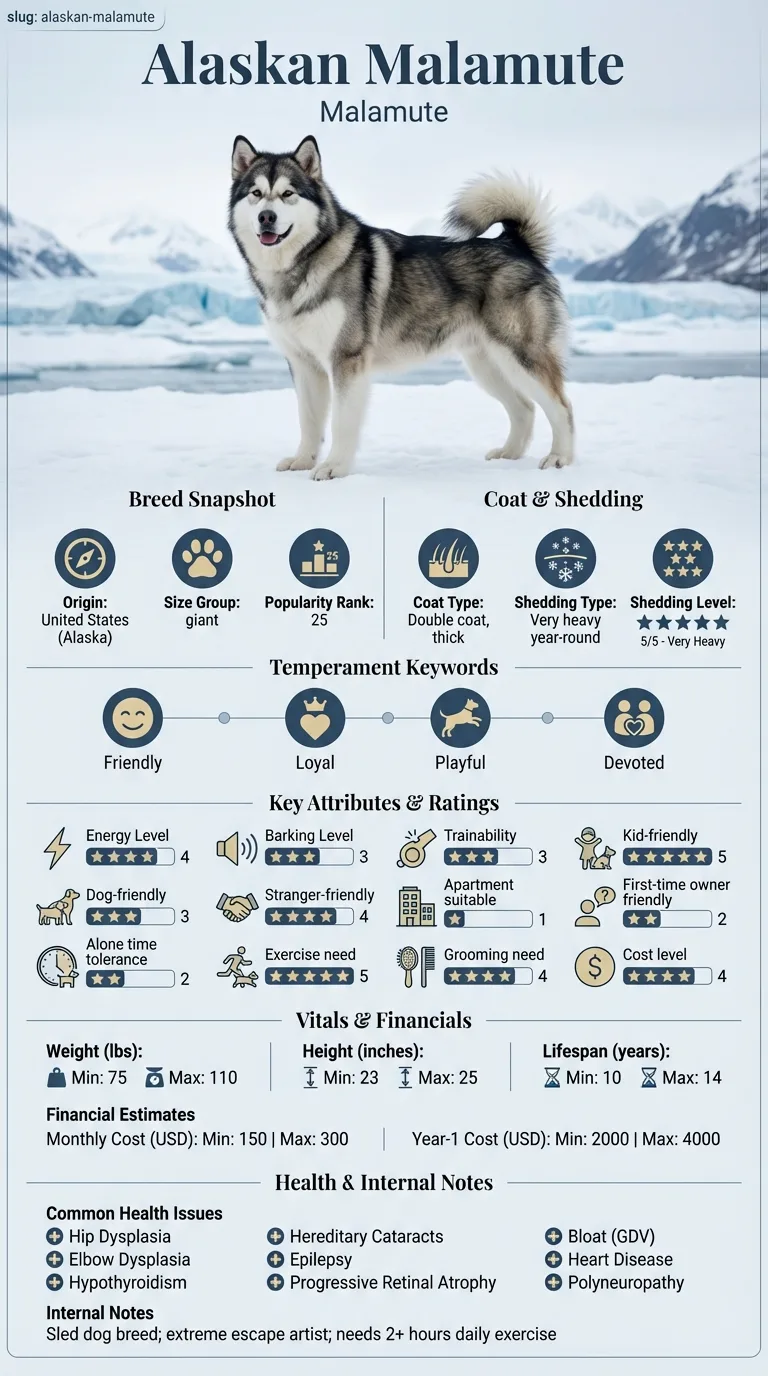
Owners of Alaskan Malamutes often face this challenge, especially those who are first-time dog owners or unfamiliar with the breed's specific health needs. Families who love outdoor activities with their dogs can find it especially disheartening when their Malamute struggles to keep up due to hip issues.
This guide is not medical advice. If your dog shows pain, sudden behavior change, or worsening symptoms, consult a licensed veterinarian.
Some links may be affiliate links. We may earn a commission at no extra cost to you. We only suggest products we believe are helpful for dog owners.
We research and check what we publish, but we do not warrant that any figure, date, price, or statement is accurate, complete, or current, and we accept no liability for any loss, cost, injury, or other harm arising from the use of this site. Use it as one reference among several. You remain responsible for your own decisions and for your dog's care - confirm anything that matters with a licensed veterinarian or another qualified professional before you act on it. Full disclaimer.
Check this first
Understanding when Alaskan Malamute hip dysplasia is an emergency can save your dog's health. It's crucial to recognize signs that mean you should call your vet immediately. Red flags include severe limping, sudden inability to walk, or noticeable pain when touched. If your Malamute is crying out in pain or showing signs of distress, these are situations where you need to act quickly.
You should also be concerned if your dog struggles to stand after resting or has a sudden change in appetite or behavior. These symptoms may indicate that the condition has worsened and requires immediate veterinary attention.
On the other hand, not every case of hip dysplasia is an emergency. If your Alaskan Malamute shows mild limping occasionally, or if they seem a bit stiff after exercise, you can monitor the situation. Watch for any changes in their mobility or behavior. Regular vet check-ups and maintaining a healthy weight can help manage the condition effectively. A gradual exercise plan or physical therapy might be beneficial in these cases.
If any of these apply, call your vet or an emergency clinic now. The rest of this page is for the cases that are not an emergency.
Alaskan Malamute hip dysplasia is a common genetic condition where the hip joints don't fit snugly into the hip socket. This leads to arthritis and mobility issues that can be painful for your dog. On a daily basis, you may notice your Malamute limping, struggling to stand up after resting, or hesitating before jumping.
Hip dysplasia is quite prevalent in Alaskan Malamutes, affecting a significant number of them. Studies suggest that up to 20% of Malamutes may suffer from this issue, especially if they come from lines with a history of hip problems.
Alaskan Malamutes are a giant breed, and their size can lead to hip dysplasia. This genetic predisposition means that some dogs are more likely to develop this condition due to inherited traits. Additionally, their heavy weight can put extra stress on their joints, increasing the risk of hip problems.
Environmental factors also play a role in hip dysplasia. Excessive weight gain from overfeeding or lack of exercise can exacerbate joint issues. Moreover, improper breeding practices can lead to higher instances of hip dysplasia, making it crucial to choose a reputable breeder who screens for this condition.
Consult your vet if you notice signs of pain, such as limping or reluctance to jump. They can provide a diagnosis and recommend treatment options, which may include medication or physical therapy.
Avoiding common missteps can help manage Alaskan Malamute hip dysplasia effectively. Here are some mistakes to watch out for.
Start here: Alaskan Malamute Most Common Genetic Disorders: Screening
See all Alaskan Malamute health problems, which breeds are prone to hip dysplasia, or the full Alaskan Malamute breed guide for temperament, exercise needs and ownership costs.
You can expect to see improvements in your Alaskan Malamute's mobility and comfort within 3 to 6 months of starting a consistent management plan.
Success means your Malamute can move more easily, enjoy daily activities, and experience less pain, allowing them to lead a happier life.
Sarah, a busy nurse in Seattle, adopted a playful Alaskan Malamute named Jake. After a few months, she noticed Jake limping and struggling to get up after lying down. Concerned, she took him to the vet, where he was diagnosed with hip dysplasia. Sarah felt overwhelmed, but she learned that with a mix of weight management, joint supplements, and tailored exercises, Jake could still live an active life. Over the following months, she diligently followed the vet's guidance, and gradually, Jake regained strength. He was soon back to chasing his favorite ball in the park, much to Sarah's relief.
Key takeaway: With proper management and care, Alaskan Malamutes with hip dysplasia can lead fulfilling lives, so don't lose hope if your furry friend faces this challenge.
Signs of hip dysplasia in your Alaskan Malamute can include difficulty walking, limping, or reluctance to play. You might also notice stiffness after resting or changes in their normal activity level. If you observe these symptoms, it's crucial to consult a vet for a proper diagnosis.
To manage Alaskan Malamute hip dysplasia, maintain a healthy weight and provide low-impact exercises. Consider joint supplements like glucosamine and consult your vet for a tailored exercise plan. Physical therapy may also help improve mobility.
Common symptoms include limping, difficulty standing up, and reluctance to exercise. You might notice stiffness after resting or trouble climbing stairs. If you see these signs, it's essential to consult your vet for evaluation.
Surgery may be needed for severe cases of Alaskan Malamute hip dysplasia, especially if mobility is significantly affected. Your vet will assess the situation and recommend options like hip replacement or other corrective surgeries if required.
Positive reinforcement training is essential for all dogs, including those with Alaskan Malamute hip dysplasia. Focus on gentle commands and avoid high-impact activities to prevent stress on their joints. Consistency and patience are key.
Yes, a balanced diet can help manage Alaskan Malamute hip dysplasia. Ensure your dog gets the right nutrients to support joint health and maintain an ideal weight. Consult your vet for dietary recommendations tailored to your dog's needs.
Yes, older Alaskan Malamutes may experience more severe symptoms of hip dysplasia due to the progression of arthritis. As they age, their mobility may decline further, leading to increased pain and discomfort. Regular vet visits can help manage their condition effectively.
To help your Alaskan Malamute at home, provide a comfortable, supportive bed and consider using ramps for easier access to furniture or cars. Gentle, low-impact exercises can also help maintain mobility without stressing their joints. Always consult your vet before starting any new exercise routine.
Treatments for Alaskan Malamute hip dysplasia can include weight management, physical therapy, and medications for pain relief. In severe cases, surgical options like hip replacement may be recommended. It's essential to discuss the best treatment plan with your veterinarian.
Yes, hip dysplasia is often hereditary, meaning it can be passed down from parents to their puppies. Responsible breeding practices, including health screenings for hip health, can help reduce the incidence of this condition in the breed. Always choose a reputable breeder to minimize risks.
Provide low-impact exercise, maintain a healthy weight, and consider joint supplements. Regular vet visits are essential for monitoring their condition.
Treatment costs can range from $2,000 to $4,000 for the first year, depending on care needs and possible surgeries. Ongoing expenses may include medication and therapy.
Yes, hip dysplasia is often hereditary, making responsible breeding crucial. Always ask breeders about screening for this condition.
Look for limping, stiffness, or reluctance to exercise. If these symptoms are present, it's essential to consult your vet promptly.
Training can help maintain mobility and reinforce good behavior. Focus on gentle commands and avoid strenuous activities to protect their joints.
A one-page prep sheet for this condition: the signs, the questions to ask, what to get priced. Unlocks here.
You get: Vet visit prep sheet
No spam. One-click unsubscribe. See our privacy policy.
Preview page 1 before you decide.