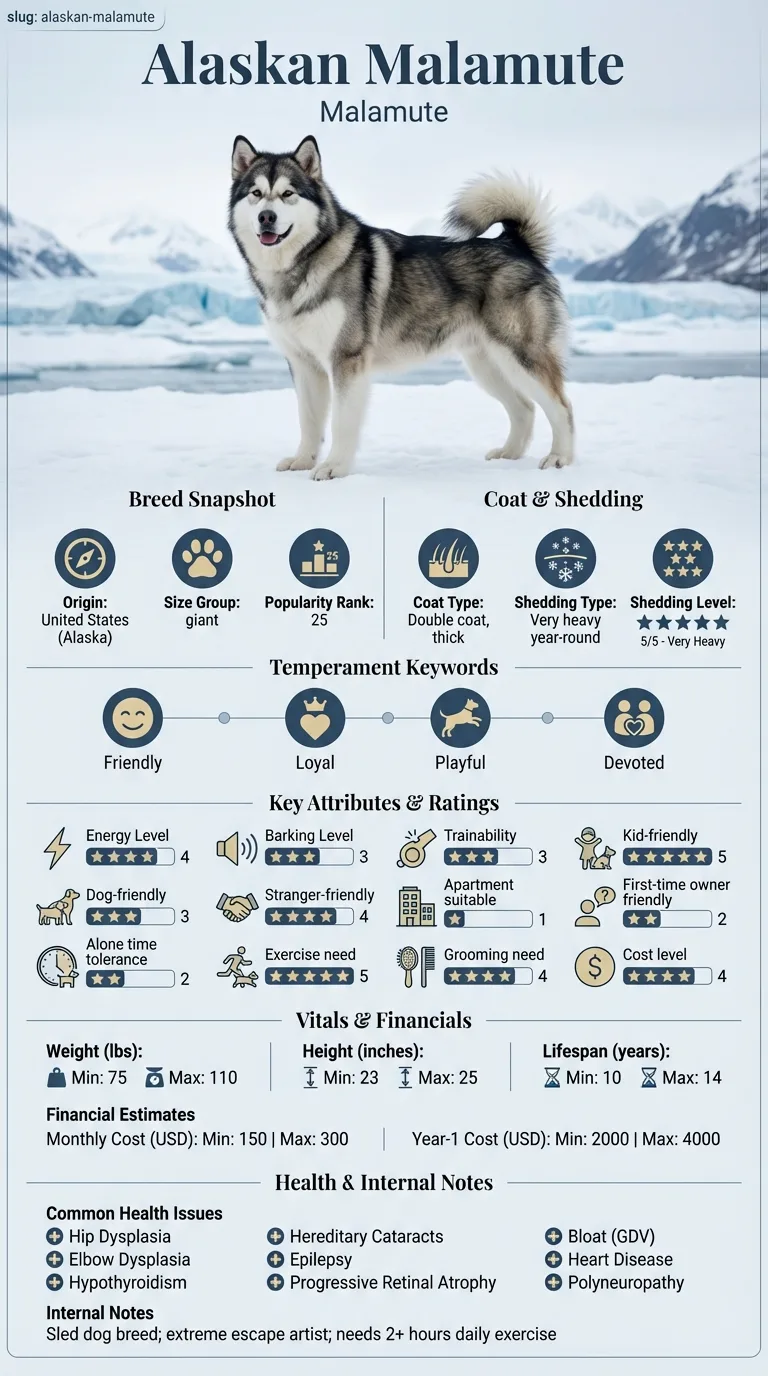
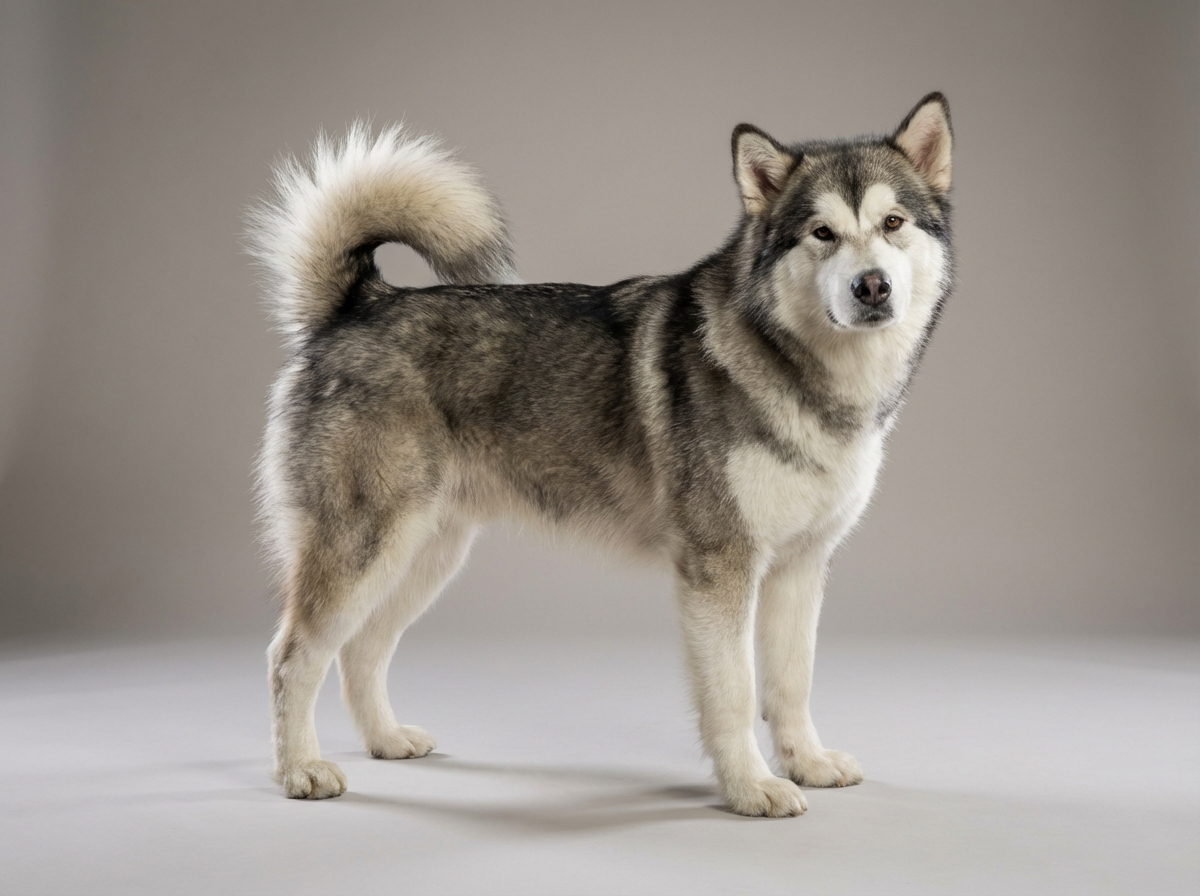
What are Alaskan Malamute eye problems quick tips?
Keep your Malamute's environment safe and free of hazards. Regular vet check-ups can help catch any eye issues early. Grooming should include checking their eyes for irritation or discharge.
Alaskan Malamute eye problems can affect your dog's health and happiness. Understanding these issues is crucial for their well-being.

Typically, owners who have Alaskan Malamutes may face these eye issues, especially if they are unaware of their breed's specific health risks. First-time dog owners or those new to the breed might find it particularly challenging to identify and address these problems promptly.
This guide is not medical advice. If your dog shows pain, sudden behavior change, or worsening symptoms, consult a licensed veterinarian.
Some links may be affiliate links. We may earn a commission at no extra cost to you. We only suggest products we believe are helpful for dog owners.
Alaskan Malamute eye problems can manifest in various ways, often leading to discomfort or vision issues. Common signs include excessive tearing, squinting, and a lack of response to visual stimuli. These problems can stem from hereditary conditions like cataracts or progressive retinal atrophy, both of which can significantly impact your dog's quality of life.
Eye problems are relatively common in Alaskan Malamutes, especially as they age. Many owners report issues, particularly with hereditary cataracts, which can develop as early as three years of age. Regular vet check-ups can help catch these problems early.
Alaskan Malamutes can be prone to hereditary eye issues, such as cataracts and progressive retinal atrophy. Their large size and build may also make them more susceptible to certain injuries and conditions that affect their eyesight. Additionally, their thick double coat can lead to eye irritation if not properly groomed.
Environmental factors play a significant role in eye problems. For instance, exposure to harsh weather, allergens, or irritants can cause eye irritation or injuries. Lack of proper care and regular vet check-ups can also exacerbate existing issues, leading to more severe eye problems over time.
If your Malamute shows signs of anxiety or stress related to eye problems, consult a professional trainer. They can help with behavior modification strategies to ease your dog's discomfort or fear.
If you notice any persistent eye issues, such as excessive tearing, redness, or unusual behavior like pawing at the eyes, contact your veterinarian immediately. Early intervention is key to preventing more serious issues.
Most Alaskan Malamute eye problems can take several weeks to months to improve with proper care and treatment. Regular vet check-ups are essential during this time.
Success means your Malamute experiences reduced discomfort, clearer vision, and a better quality of life. You may also notice an improvement in their overall energy and playfulness.
Avoiding these common mistakes can help manage Alaskan Malamute eye problems more effectively. Here are some behaviors to watch out for:
If your Alaskan Malamute shows any of these red-flag symptoms, you should call your vet right away: - Sudden vision loss or inability to see. - Extreme redness or swelling around the eyes. - Persistent squinting or excessive tearing that doesn't improve. - Signs of pain, such as rubbing their eyes or avoiding light. These issues could indicate serious conditions like cataracts or glaucoma, which require prompt treatment.
On the other hand, if your dog has minor symptoms, you can monitor them with a plan. For example: - Mild watery eyes without other symptoms. - Occasional squinting that improves with rest. - Minor puffiness that doesn't seem to cause discomfort. In these cases, keep an eye on your Malamute for changes. If symptoms persist or worsen, a vet visit is a good idea.
Always err on the side of caution. It's better to consult your vet for peace of mind than to wait and risk your dog's vision. Regular check-ups can also help catch potential problems early, ensuring your Alaskan Malamute stays happy and healthy.

Aisha, a busy nurse in Seattle, noticed her Alaskan Malamute, Koda, squinting and rubbing his eyes frequently. Concerned about Alaskan Malamute eye problems, she took him to the vet. After a diagnosis of hereditary cataracts, Aisha learned about treatment options and started a regular eye care routine. With the vet's guidance, she adjusted Koda’s diet and included daily eye drops. Over time, Koda's comfort improved, and he returned to his playful self, chasing squirrels in the park.
Key takeaway: With proper veterinary care and consistent treatment, managing Alaskan Malamute eye problems is possible, leading to a happier, healthier dog.

Alaskan Malamutes can suffer from eye problems due to genetic factors, like hereditary cataracts, or environmental factors, such as injuries. Regular vet check-ups can help identify issues early. If you notice any changes in your dog's vision, seek veterinary advice promptly.
To reduce the risk of eye problems in your Alaskan Malamute, ensure they have a safe environment. Avoid exposing them to potential hazards that could injure their eyes. Additionally, regular grooming and eye checks can help catch issues early.
Common eye problems in Alaskan Malamutes include hereditary cataracts and progressive retinal atrophy. These conditions can affect their vision and overall quality of life. Regular vet visits are essential for monitoring and managing these issues.
Many eye problems in Alaskan Malamutes can be treated, especially if caught early. Treatment options may include medication or surgery, depending on the condition's severity. Consult your vet to determine the best course of action.
If your Alaskan Malamute shows signs of eye problems, such as squinting or excessive tearing, take them to the vet as soon as possible. Early intervention can prevent further damage. Follow your vet's recommendations for treatment and care.
Common signs include excessive tearing, redness, squinting, or any discharge from the eyes. If your Malamute seems to be bumping into things or avoiding bright lights, it could indicate a vision issue.
Regular check-ups with a vet can help catch eye problems early. Additionally, keeping your Malamute away from rough play and protecting them from harsh weather can reduce the risk of eye injuries.
Yes, hereditary cataracts are common in this breed. If you notice cloudy eyes or changes in your dog's vision, consult your vet for a thorough examination.
If your older Malamute shows signs of eye issues, schedule a vet appointment as soon as possible. Older dogs may have an increased risk for conditions like progressive retinal atrophy or cataracts.
While training won't necessarily fix eye problems, it can help your dog adapt to their condition. Teaching commands like 'watch' can assist in guiding them safely in unfamiliar environments.
Keep your Malamute's environment safe and free of hazards. Regular vet check-ups can help catch any eye issues early. Grooming should include checking their eyes for irritation or discharge.
It's a good idea to check your Alaskan Malamute's eyes weekly for any signs of irritation or abnormality. Regular checks can help you catch potential issues early.
Yes, if your Alaskan Malamute is experiencing eye problems, it may become more anxious or withdrawn. Monitoring their behavior can help you identify when something is wrong.
The cost of treating eye problems can vary widely, ranging from a few hundred dollars for medication to several thousand for surgery. Always consult your vet for an accurate estimate.