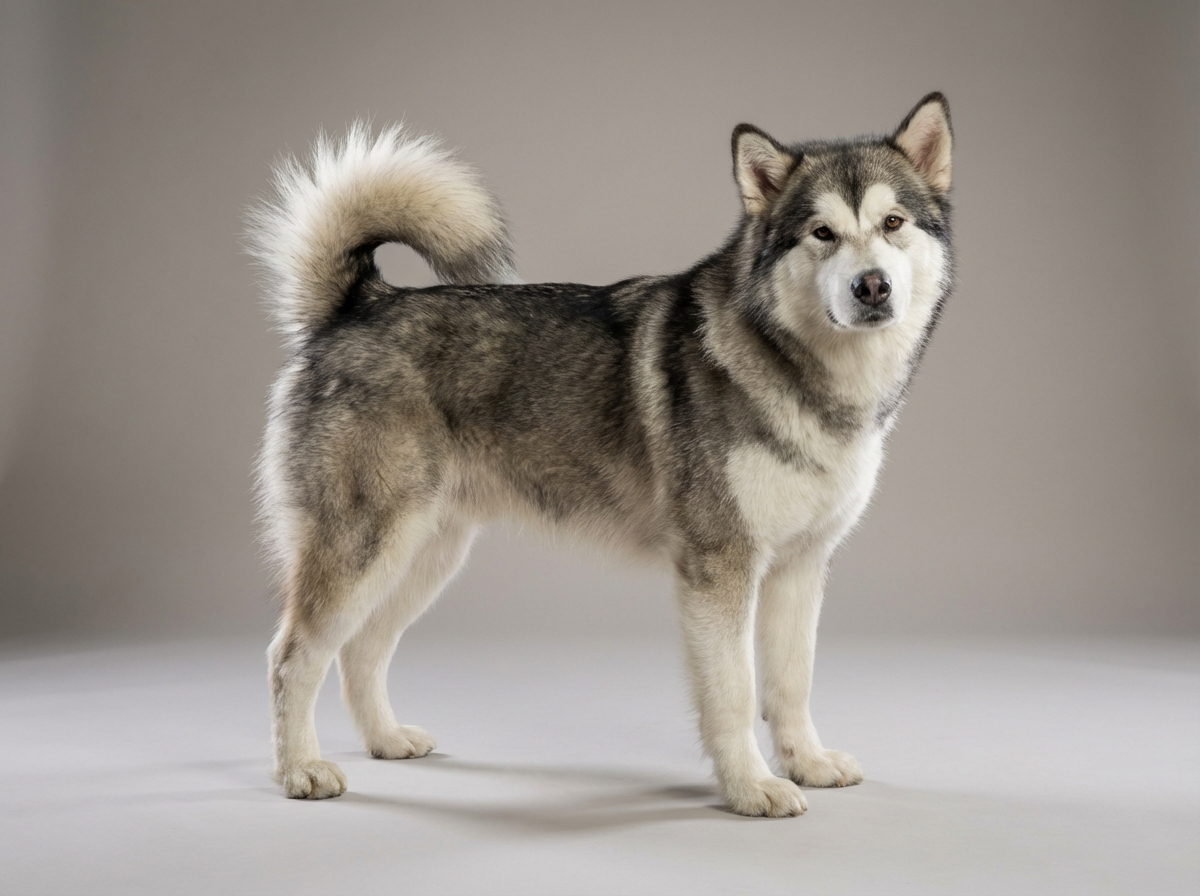
Health
What are quick tips for Alaskan Malamute chondrodystrophy (cddy)?
Consult your vet for a diagnosis, manage your dog's weight, and provide low-impact exercise to reduce stress on their joints.

Quick answer
What are quick tips for Alaskan Malamute chondrodystrophy (cddy)?
Consult your vet for a diagnosis, manage your dog's weight, and provide low-impact exercise to reduce stress on their joints.
Alaskan Malamute chondrodystrophy (cddy) is a developmental disorder that affects your dog's bones, leading to potential mobility issues.
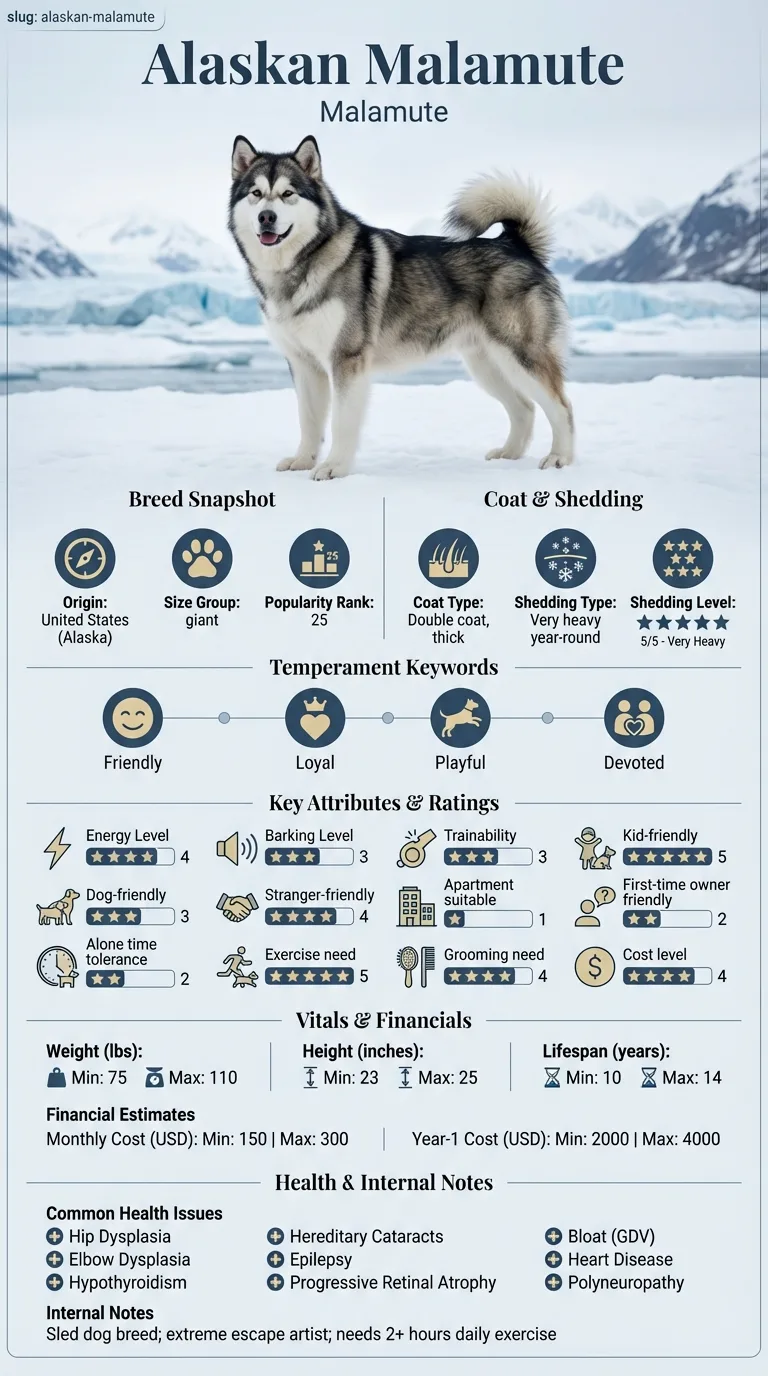
Owners of Alaskan Malamutes, especially those who are first-time pet parents or those unfamiliar with this breed's specific health needs, often find themselves facing challenges related to cddy.
This guide is not medical advice. If your dog shows pain, sudden behavior change, or worsening symptoms, consult a licensed veterinarian.
Some links may be affiliate links. We may earn a commission at no extra cost to you. We only suggest products we believe are helpful for dog owners.
We research and check what we publish, but we do not warrant that any figure, date, price, or statement is accurate, complete, or current, and we accept no liability for any loss, cost, injury, or other harm arising from the use of this site. Use it as one reference among several. You remain responsible for your own decisions and for your dog's care - confirm anything that matters with a licensed veterinarian or another qualified professional before you act on it. Full disclaimer.
Check this first
Recognizing when Alaskan Malamute chondrodystrophy (cddy) becomes an emergency is crucial for your dog's well-being. If you notice severe pain, inability to move, or sudden swelling in their limbs, these are red flags that require immediate veterinary attention. Additionally, if your Malamute shows signs of distress, like whining excessively or refusing to eat, it's time to call your vet right away.
If any of these apply, call your vet or an emergency clinic now. The rest of this page is for the cases that are not an emergency.
Alaskan Malamute chondrodystrophy (cddy) is a developmental disorder affecting bone growth, leading to skeletal deformities. This issue often manifests as a stunted growth or abnormal bone structure, making your Malamute seem smaller or less robust than expected. Day-to-day, you might notice your dog struggling with mobility or displaying discomfort during activities.
Chondrodystrophy is relatively common in Alaskan Malamutes, particularly in those from certain bloodlines. While not every Malamute will face this issue, it's a significant concern for many owners. Being aware of its signs and symptoms can help in early detection and management.
Alaskan Malamutes, being a giant breed, are genetically predisposed to certain conditions, including chondrodystrophy (cddy). This developmental disorder affects their bone growth and can lead to joint issues. The breed's lineage plays a significant role in their susceptibility to this condition.
Environmental factors can also contribute to the severity of cddy in Alaskan Malamutes. Poor nutrition during growth, lack of appropriate exercise, or obesity can exacerbate bone and joint problems. Additionally, improper training techniques or excessive strain during young development can lead to further complications.
If you notice signs of discomfort, limping, or difficulty in movement, consult your vet immediately. They can provide appropriate diagnostic tests and guide you on treatment options to manage cddy effectively.
Avoiding these common mistakes can help address Alaskan Malamute chondrodystrophy (cddy) more effectively.
Start here: Alaskan Malamute Most Common Genetic Disorders: Screening
See all Alaskan Malamute health problems, which breeds are prone to chondrodystrophy cddy, or the full Alaskan Malamute breed guide for temperament, exercise needs and ownership costs.
Improvement may be noticed within 3 to 6 months with consistent care and follow-up with your vet.
Success looks like your Alaskan Malamute showing reduced discomfort, improved mobility, and a happier demeanor during daily activities.
In less severe cases of cddy, you may notice mild limping or occasional stiffness. These symptoms can often be monitored at home with a careful plan. Keep track of your dog's activity levels, and ensure they get gentle exercise without overexertion. If the symptoms persist or worsen, consult your veterinarian for further advice.

Maggie, a first-time dog owner, adopted an Alaskan Malamute named Kodi. After a few months, she noticed Kodi was struggling to keep up during their daily runs. Concerned, she took him to the vet and learned he had chondrodystrophy (CDDY). With guidance from a veterinary behaviorist, Maggie shifted Kodi's exercise routine to include low-impact activities and started training sessions focused on strengthening his muscles. Over time, Kodi became more comfortable and playful, allowing Maggie to enjoy their outdoor adventures again.
Key takeaway: With the right adjustments and support, you can help your dog with chondrodystrophy live a full, happy life.
Signs of Alaskan Malamute chondrodystrophy (cddy) include abnormal bone growth, such as shorter legs and a stocky appearance. You may also notice difficulty in movement or a reluctance to engage in physical activities. If you observe any of these signs, consult your vet for a proper diagnosis.
Managing cddy involves providing a supportive environment, ensuring regular veterinary check-ups, and possibly modifying exercise routines. Weight management is crucial to reduce stress on their bones.
Signs include difficulty in movement, limping, or reluctance to play or exercise. You may also notice abnormal limb shapes or reduced activity levels.
While training can't cure cddy, it can help manage behavior and promote a healthy lifestyle. Focus on low-impact activities and positive reinforcement techniques.
If you suspect your Alaskan Malamute has chondrodystrophy (cddy), schedule a visit with your veterinarian. They can perform tests and suggest a treatment plan tailored to your dog's needs.
While there's no cure for chondrodystrophy (cddy), older Alaskan Malamutes can benefit from supportive care. This includes managing their weight, providing joint supplements, and adapting their exercise routine to avoid stress on their bones. Regular vet check-ups are essential to monitor their condition.
You can assist your Alaskan Malamute with cddy by creating a comfortable living space, avoiding slippery floors, and providing soft bedding. Regular, low-impact exercise can help maintain their fitness without straining their joints. Always consult your vet before making significant changes to their care routine.
Yes, chondrodystrophy (cddy) is a genetic condition that can be passed down through breeding. Responsible breeding practices, including health testing, can help reduce the incidence of this disorder in future generations. If you're considering getting a Malamute, ask breeders about their health screening protocols.
You should seek veterinary help if your Malamute shows increasing pain, difficulty walking, or any sudden changes in behavior related to their mobility. Regular check-ups are important to monitor their condition and adjust treatment as necessary. Early intervention can make a significant difference in their quality of life.
Consult your vet for a diagnosis, manage your dog's weight, and provide low-impact exercise to reduce stress on their joints.
Create a soft resting area and consider joint supplements as recommended by your vet to improve comfort.
Feed a balanced diet that supports joint health, and consult your vet for specific dietary recommendations based on your dog's condition.
Use positive reinforcement training that focuses on gentle commands and avoids strenuous activities to keep them engaged without injury.
A one-page prep sheet for this condition: the signs, the questions to ask, what to get priced. Unlocks here.
You get: Vet visit prep sheet
No spam. One-click unsubscribe. See our privacy policy.
Preview page 1 before you decide.