Shiba Inu vs Akita: Key Differences You Need to Know
Deciding between a Shiba Inu and an Akita? This guide breaks down their key differences in temperament, size, and family suitability to help you make the best choice.
This guide is perfect for prospective dog owners, whether you're a first-time pet parent or someone with experience looking to add a new member to your family. If you’re considering either a Shiba Inu or an Akita, this guide will help clarify which breed aligns best with your lifestyle and needs.
Understanding the differences between the Shiba Inu and Akita is crucial, as many people mistakenly assume they are similar due to their shared heritage. Each breed has distinct traits that can impact their compatibility with your living situation and family dynamics. Making an informed choice can lead to a happier home for both you and your future furry companion.
Understanding the Shiba Inu vs Akita Comparison
Choosing between a Shiba Inu and an Akita can be challenging for potential dog owners. These two Japanese breeds are known for their unique attributes, making them beloved companions. Understanding their differences and similarities is key to ensuring you find the right fit for your lifestyle and family.
What You Need to Know About Shiba Inu and Akita
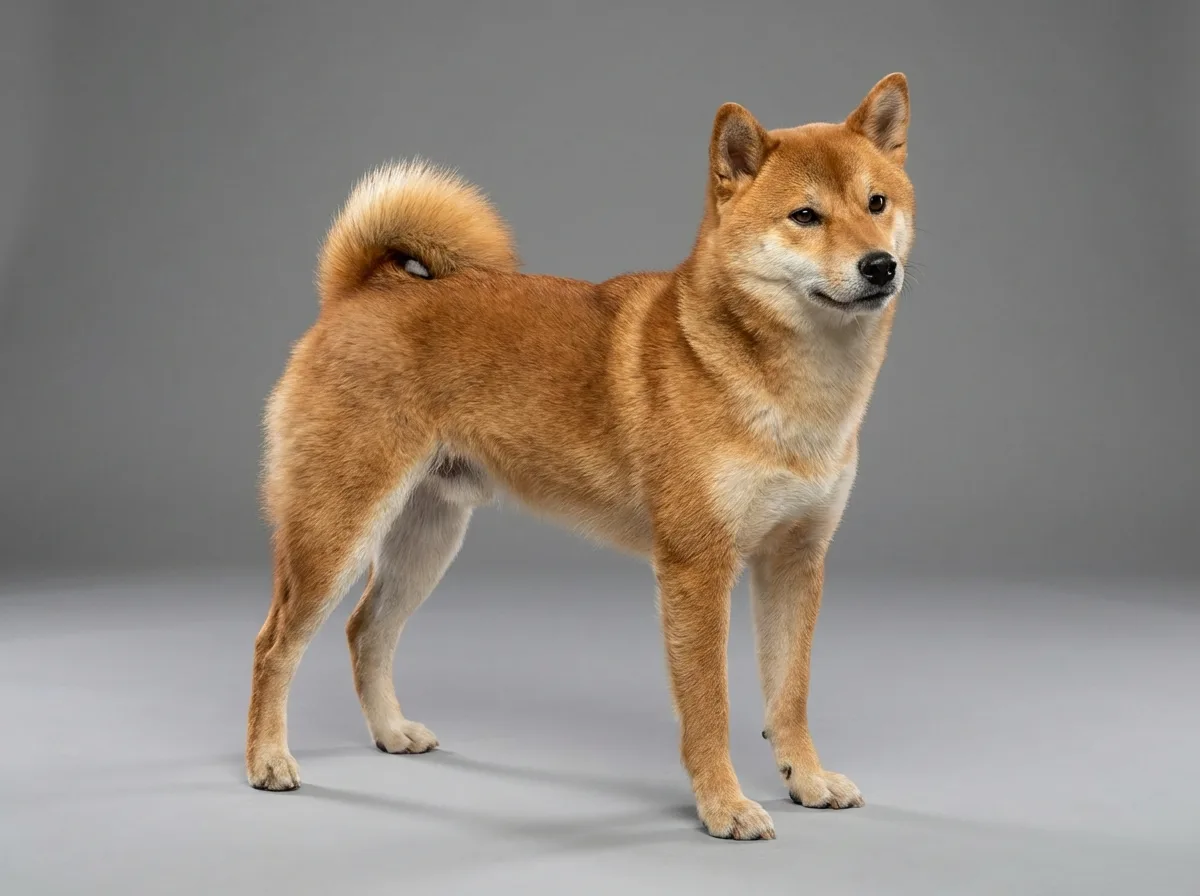
Both breeds have distinct characteristics that cater to different types of owners. The Shiba Inu is smaller, known for its spirited personality and fox-like appearance. In contrast, the Akita is larger, recognized for its loyalty and protective instincts.
These traits influence their compatibility with families, living situations, and activity levels. The size difference is significant; the Shiba Inu typically weighs between 17-23 pounds, while the Akita can weigh anywhere from 70-130 pounds. This can affect your choice if space or physical handling is a concern.
Shiba Inu vs Akita: Key Differences You Need to Know - What You Need to Know About Shiba Inu and Akita
Why Comparing Shiba Inu and Akita Matters
Understanding the temperament differences is crucial. Shiba Inus are known to be more independent and sometimes stubborn, which can make training a bit of a challenge. Akitas, on the other hand, are often more reserved and protective, potentially making them better guard dogs.
However, this also means they may require more socialization to be comfortable around strangers. Knowing these traits helps prospective owners assess which dog might fit better into their family dynamics and daily routines.
Shiba Inu vs Akita: Key Differences You Need to Know - Why Comparing Shiba Inu and Akita Matters
How to Decide Between Shiba Inu and Akita
When deciding, consider your living situation and activity level. Shiba Inus thrive in active environments and do well in apartments if exercised regularly. Akitas typically require more space and may not be ideal for small living spaces.
Think about your family structure, too. Shiba Inus can adapt well to families, while Akitas may bond closely with one person and need careful introductions to children or other pets.
Shiba Inu vs Akita: Key Differences You Need to Know - How to Decide Between Shiba Inu and Akita
Step-by-Step Plan for Choosing Between Shiba Inu and Akita
Deciding between a Shiba Inu and an Akita can be tough. Here’s a simple plan to help you make the right choice for your lifestyle. Follow these steps to understand their differences and find your perfect match.
Shiba Inu vs Akita: Key Differences You Need to Know - Step-by-Step Plan for Choosing Between Shiba Inu and Akita
1. Research Breed Characteristics: Start by learning about both breeds. Look into their size, temperament, and energy levels to see which fits your lifestyle better.
2. Assess Your Living Situation: Consider your home environment. Shiba Inus are more suited for apartments, while Akitas need space and a yard to roam.
3. Evaluate Family Needs: Think about your family dynamics. Shiba Inus are typically more independent, while Akitas can be loyal but may require more space and training.
4. Meet Both Breeds: Visit local shelters or breeders to meet Shiba Inus and Akitas. Observe their behavior and see which one you connect with.
5. Consider Training and Socialization: Research the training needs for both breeds. Shiba Inus can be stubborn, while Akitas may need early socialization to prevent aggression.
6. Calculate Long-Term Costs: Look into the costs associated with each breed, including food, grooming, and veterinary care. This will help you prepare financially.
7. Read Owner Reviews: Join online forums or social media groups for current owners of both breeds. Their experiences can provide valuable insights.
8. Take Your Time: Don’t rush your decision. Take the time to weigh your options and ensure that you’re choosing the right breed for your lifestyle.
Why this helps
✓ Gives you a structured approach to decision-making.
✓ Helps you understand your own needs and lifestyle.
✓ Encourages interaction with both breeds for better insight.
Watch out for
! Requires time and effort to research and meet the breeds.
! May lead to confusion if preferences change during the process.
! Could be influenced by external opinions rather than personal preference.
Common Mistakes in the Shiba Inu vs Akita Debate
Choosing between a Shiba Inu and an Akita can be tricky. Many new owners make mistakes that can lead to frustration. Here are some common pitfalls to avoid.
Shiba Inu vs Akita: Key Differences You Need to Know - Common Mistakes in the Shiba Inu vs Akita Debate
Ignoring Size Differences: Many people overlook the size difference between Shiba Inus and Akitas. While Shiba Inus are small to medium-sized, Akitas can weigh twice as much. This can lead to inappropriate housing and exercise decisions.
Underestimating Temperament: The temperament differences between these breeds are significant. Shiba Inus tend to be more independent and stubborn, while Akitas are more loyal and protective. Choosing based on looks alone can backfire if the dog's behavior doesn't match your lifestyle.
Neglecting Socialization: Both breeds need proper socialization. New owners often assume their dog will naturally get along with other pets and people. Without early and consistent socialization, both breeds can develop behavioral issues such as fear or aggression.
Choosing Based on Popularity: Many owners choose a breed because it's trendy. Both the Shiba Inu and Akita have unique needs that aren't suitable for everyone. Not considering your living situation, activity level, and experience can lead to regret.
Assuming Low Maintenance: Shiba Inus may seem low-maintenance due to their small size, but they require regular grooming and exercise. Akitas, on the other hand, need consistent training and social interaction. Ignoring these requirements can lead to behavioral problems.
Not Researching Health Issues: Failing to research breed-specific health issues can be a costly mistake. Akitas are prone to certain genetic conditions, while Shiba Inus can have health issues like patellar luxation. Understanding these risks can help you prepare for future vet bills.
Overlooking Family Suitability: Families often think either breed will fit well with kids. While some Shiba Inus can be good with children, their independent nature may not make them the best choice. Akitas, while protective, can also be aggressive without proper training and socialization.
Common Myths About Shiba Inu vs Akita
When comparing Shiba Inu and Akita, there are several myths that can mislead potential owners. Understanding the facts behind these myths is essential for making an informed decision about which breed suits your lifestyle better.
Shiba Inu - Common Myths About Shiba Inu vs Akita
Myth: Shiba Inu and Akita are the same breed.
Myth: Shiba Inu are more aggressive than Akitas.
Myth: Akitas need significantly more exercise than Shiba Inu.
Myth: Both breeds are equally good with children.
Advanced Tips for Choosing Between Shiba Inu and Akita
1. Understand Their History: Both breeds have rich histories that influence their behavior. Shiba Inus were bred for hunting small game, while Akitas were used for larger prey.
This affects their energy levels and instincts, with Shibas being more independent and Akitas often more loyal to their families.
2. Evaluate Your Living Situation: Size is a crucial factor. Shiba Inus are compact and adapt well to smaller living spaces, while Akitas require more room to roam.
Consider how much space you have and how active your household is. If you live in an apartment, a Shiba might be a better fit.
3. Consider Temperament Training: Both breeds have strong personalities. Shibas are known for their stubbornness, while Akitas can be aloof towards strangers.
Consistent training is vital for both. Consider investing in professional training classes to help manage their unique temperaments effectively.
4. Family Dynamics: If you have children or other pets, think about how each breed interacts with them. Akitas can be protective, which is great for families, but they may not always get along with other pets.
Shibas, on the other hand, may not tolerate rough play, so consider your family’s lifestyle.
5. Health Considerations: Both breeds have specific health concerns. Shiba Inus are prone to hip dysplasia and eye issues, while Akitas can face autoimmune disorders.
Regular vet check-ups and a healthy diet can mitigate these risks, so make sure to factor in potential vet costs when deciding.
6. Commitment to Grooming: Shibas have a thick double coat that sheds significantly, especially during seasonal changes. Akitas also shed but require less frequent grooming.
Be honest about your willingness to groom your dog regularly, as this can impact your overall satisfaction with either breed.
7. Socialization Needs: Early and ongoing socialization is crucial for both breeds. Shibas may need more exposure to new experiences to curb their territorial instincts.
Akitas, being naturally protective, require careful socialization to ensure they are friendly with others. Consider how much time you can dedicate to this aspect of training.
By considering these advanced tips, you can make a more informed choice between a Shiba Inu and an Akita that fits your lifestyle and family dynamics.
Shiba Inu vs Akita: Key Differences You Need to Know - Advanced Tips for Choosing Between Shiba Inu and Akita
Practical Checks When Comparing a Shiba Inu and Akita
When comparing the Shiba Inu and Akita, there are some lesser-known insights that can help you make an informed choice. Here are a few expert tips to consider.
Shiba Inu vs Akita: Key Differences You Need to Know - Practical Checks When Comparing a Shiba Inu and Akita
Shiba Inus are known for their independent nature, which can make training a bit challenging, especially for first-time dog owners. They often require a firm but gentle hand.
Akitas, while larger and more powerful, can be incredibly loyal and protective, making them excellent guardians. They thrive on socialization from an early age to prevent any aggressive tendencies.
Both breeds have a strong prey drive, but Shiba Inus tend to be more agile and quicker, which can lead to a need for secure, enclosed play areas.
Grooming needs differ significantly; Akitas have a thicker coat that requires more maintenance, while Shiba Inus have a shorter coat that sheds less but still needs regular brushing.
Health issues can vary; Akitas are prone to hip dysplasia, while Shiba Inus may face patellar luxation, so it's wise to consult your vet about preventative care.
Why this helps
✓ Understanding these behaviors can lead to a better match for your lifestyle.
✓ Knowing grooming and health needs helps in planning for long-term care.
✓ Awareness of training challenges allows for better preparation.
Watch out for
! Independence in Shiba Inus can lead to frustration without proper training.
! Akitas require significant socialization, which can be time-consuming.
! Both breeds may not be ideal for novice dog owners.
Shiba Inu vs Akita: Quick Decision Checklist
Use this checklist to help you decide between a Shiba Inu and an Akita. Consider your lifestyle, family needs, and preferences carefully.
Shiba Inu vs Akita: Key Differences You Need to Know - Shiba Inu vs Akita: Quick Decision Checklist
Assess your living space: Is it suitable for a larger dog like an Akita or a more compact Shiba Inu?
Evaluate your activity level: Do you prefer a more active dog that enjoys exercise, like an Akita, or a playful yet independent Shiba Inu?
Consider family dynamics: Are you looking for a dog that is good with kids? Akitas may require more supervision around young children.
Think about grooming needs: Shiba Inus have a double coat that sheds, while Akitas need regular brushing to manage their thick fur.
Reflect on training commitment: Are you ready to invest time in training? Shiba Inus are known for their stubborn streak, while Akitas can be more reserved.
Check local regulations: Some areas have breed restrictions that might affect your choice between these two breeds.
Understand temperament differences: Are you looking for a more assertive dog (Akita) or a spirited and quirky companion (Shiba Inu)?
Research healthcare costs: Be aware of health issues common in both breeds and factor in potential vet bills.
Ask about breed specifics: Speak with breeders or shelters to learn about the specific dogs you’re considering.
Why this helps
✓ Shiba Inus are smaller and often better for apartments.
✓ Akitas are known for their loyalty and protective nature.
✓ Both breeds have unique personalities that can enrich your life.
Watch out for
! Shiba Inus can be stubborn and require patience to train.
! Akitas need plenty of space and exercise, which may not suit all lifestyles.
! Both breeds may not be the best fit for first-time dog owners.
Frequently asked questions
Is a Shiba or Akita better?
Choosing between a Shiba Inu vs Akita depends on your lifestyle and preferences. Shibas are smaller, more independent, and often suit active individuals or families. Akitas, being larger and more protective, may be better for those looking for a loyal companion but require more space and training.
What is the difference between Shiba Inu and Akita?
The primary differences between Shiba Inu and Akita include size, temperament, and energy levels. Shibas are compact and spirited, while Akitas are large and often more reserved. Both breeds have strong personalities, but Shibas can be more stubborn, requiring consistent training.
Are Shibas and Akitas related?
Yes, Shiba Inus and Akitas are both Japanese breeds with shared ancestry. They both belong to the Spitz family, known for their thick fur and curled tails. Despite their similarities, they have distinct characteristics and size differences.
How do Shiba Inu and Akita temperaments differ?
Shiba Inus are known for their spirited and sometimes aloof nature, making them more independent. Akitas, on the other hand, are typically more loyal and protective, often forming strong bonds with their families. This can affect how each breed interacts with strangers and other pets.
Which breed is more suitable for families?
When considering family suitability, Akitas may be better for larger families with older children due to their size and protective nature. Shiba Inus, while also family-friendly, may be better for families that are active and can engage with their energetic demeanor.
What are the energy levels of a Shiba Inu compared to an Akita?
Shiba Inus are typically more energetic and playful than Akitas. They require regular exercise and enjoy activities like running and playing fetch. Akitas, on the other hand, have a more moderate energy level and may be content with daily walks and some playtime.
How do Shiba Inus and Akitas behave around children?
Shiba Inus can be more independent and might not tolerate rough play, so supervision is crucial. Akitas are generally more protective and can be great family dogs, but they also need proper socialization to ensure they are comfortable around children.
Are Shiba Inus or Akitas easier to train?
Shiba Inus can be quite stubborn and may require patience during training. Akitas are intelligent but can also be strong-willed, which means both breeds need consistent and positive reinforcement training. Early socialization is essential for both.
What are the grooming needs for Shiba Inus compared to Akitas?
Shiba Inus have a double coat that sheds year-round and requires regular brushing, especially during shedding seasons. Akitas also have a dense double coat but tend to shed more heavily twice a year, requiring more frequent grooming during those times.
Can Shiba Inus and Akitas live in apartments?
While both breeds can adapt to apartment living, it’s important to provide adequate exercise. Shiba Inus might do better in an apartment due to their smaller size, but both breeds need daily outdoor time to stay healthy and happy.
How do the lifespans of Shiba Inus and Akitas compare?
Shiba Inus typically live longer, around 12 to 15 years, while Akitas have a shorter lifespan of about 10 to 15 years. Factors like diet, exercise, and healthcare play a significant role in their longevity.
This guide is not medical advice. If your dog shows pain, sudden behavior change, or worsening symptoms, consult a licensed veterinarian.
Some links may be affiliate links. We may earn a commission at no extra cost to you. We only suggest products we believe are helpful for dog owners.
We research and check what we publish, but we do not warrant that any figure, date, price, or statement is accurate, complete, or current, and we accept no liability for any loss, cost, injury, or other harm arising from the use of this site. Use it as one reference among several. You remain responsible for your own decisions and for your dog's care - confirm anything that matters with a licensed veterinarian or another qualified professional before you act on it. Full disclaimer.
Want more tailored help?
Take the Lifestyle Match quiz to see which breeds and guides best fit your day-to-day life.