The Best Low Energy Dog Breeds for a Relaxed Lifestyle
Looking for a furry friend that loves to lounge? This guide will help you find the best low energy dog breeds that fit your chill lifestyle.
Understanding Low Energy Dog Breeds
Choosing the right dog breed is a big decision, and for many, low energy dog breeds are the ideal fit. These breeds tend to be calm, relaxed, and often love nothing more than lounging around the house. If you're looking for a furry companion who is more of a couch potato than a marathon runner, this guide will help you understand why low energy dogs might be the perfect match for your lifestyle.
Low energy dog breeds are characterized by their lower activity levels. They don’t require as much exercise as some high-energy breeds, making them suitable for apartment living or for owners with busy schedules. This doesn’t mean they don’t need any exercise at all; they still enjoy walks and playtime, but their needs are generally less demanding. This can be a big relief for busy families, seniors, or anyone who prefers a more laid-back lifestyle.
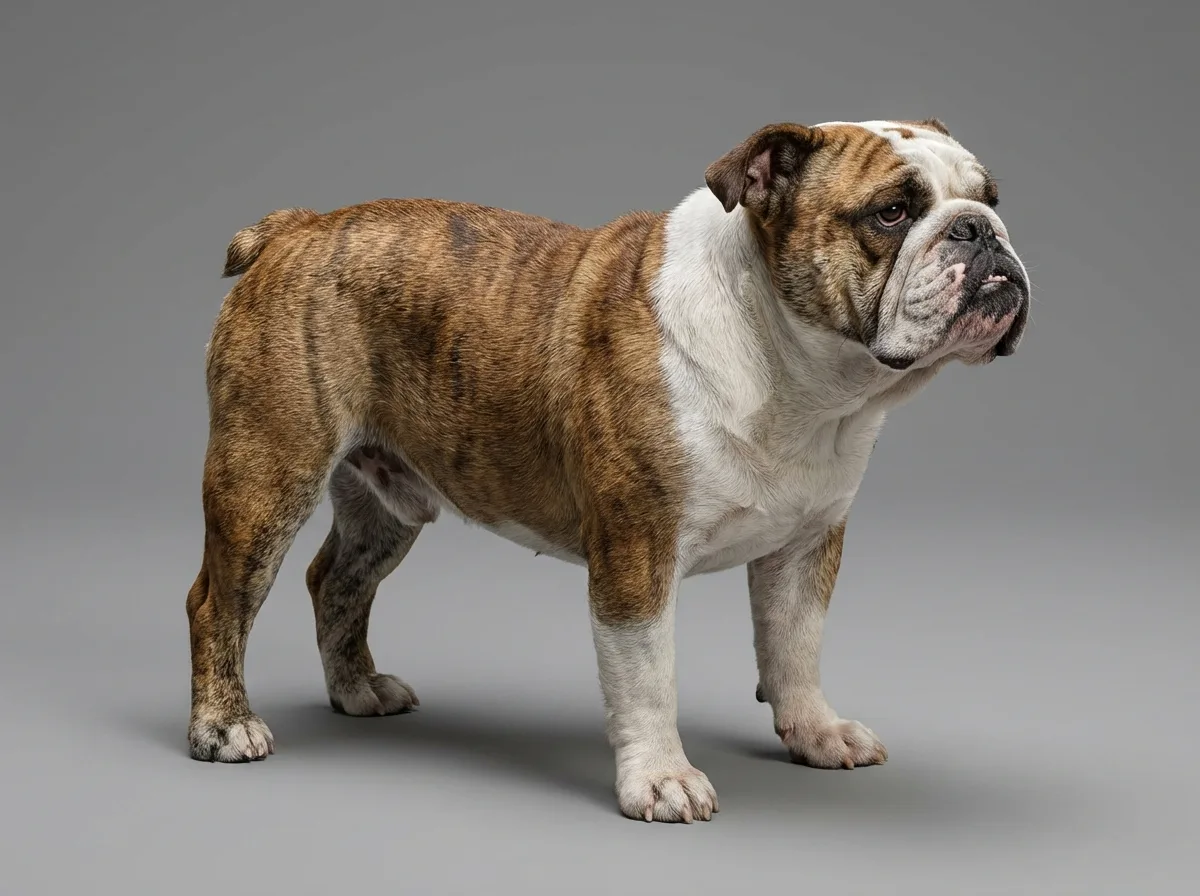
When considering a low energy dog, it’s essential to think about your living situation and daily routine. Some breeds thrive in quiet environments and can adapt well to smaller spaces. Others may enjoy the occasional romp in the yard but are just as happy curled up next to you on the sofa. Understanding these traits helps ensure you pick a breed that matches your energy level and living situation. For instance, lazy dogs like bulldogs and basset hounds are perfect for those who want a loyal companion without the pressure of extensive exercise routines.
This guide will cover various low energy dog breeds, their characteristics, and the best environments for them. You'll also learn about the benefits these calm breeds can bring to your home. By the end, you’ll have a clearer idea of which low activity pets could be the right fit for you and your family. Let’s dive into the world of lazy dogs and discover the best low energy dog breeds for a relaxed lifestyle.
Step-by-Step Plan for Choosing Low Energy Dog Breeds
Finding the right low energy dog breed can be a rewarding experience. Follow these steps to choose the best fit for your lifestyle and preferences.
- 1. Assess Your Lifestyle: Consider how much time you spend at home and your daily activity level. Low energy dog breeds, like bulldogs or chow chows, are suited for more relaxed lifestyles.
- 2. Research Breeds: Look into specific low energy breeds such as basset hounds, bulldogs, and chow chows. Learn about their temperaments and needs to determine which fits best.
- 3. Evaluate Your Living Space: Ensure your home environment is suitable for a calm breed. Apartments can work well, but make sure you have enough space for your dog to move comfortably.
- 4. Consider Family Dynamics: Think about how a dog will fit into your household. If you have young children or other pets, make sure the breed is known for being gentle and tolerant.
- 5. Visit Shelters or Breeders: Meet potential dogs in person to get a feel for their personalities. Some low energy dogs may surprise you with their playfulness!
- 6. Prepare Your Home: Create a comfortable space for your new dog. Low energy breeds still need a safe, cozy area to relax and feel secure.
- 7. Plan a Routine: Establish a daily routine for feeding, bathroom breaks, and relaxation. A consistent schedule will help your low energy dog feel more at home.
- 8. Set Realistic Exercise Expectations: Low energy dogs don’t need long walks. Aim for short, enjoyable outings to keep them mentally stimulated without overexerting them.
- 9. Monitor Health: Regular vet check-ups are crucial. Discuss your dog's activity level to ensure their health remains a priority, especially for breeds prone to certain health issues.
- 10. Enjoy the Companionship: Embrace the joys of having a low energy dog. They make great companions for quiet evenings and lazy weekends.
Common Mistakes with Low Energy Dog Breeds
Choosing a low energy dog breed can be a great decision for many pet owners, but there are common mistakes that can lead to frustration. Here are some pitfalls to avoid when bringing a calm breed into your home.
- Not Providing Enough Mental Stimulation
- Ignoring Basic Training
- Overfeeding or Poor Nutrition
- Underestimating Grooming Needs
- Neglecting Socialization
- Assuming They Don’t Need Exercise
- Expecting Them to Be Perfectly Calm
Myths and Facts About Low Energy Dog Breeds
Many misconceptions surround low energy dog breeds. Let's debunk some of the most common myths to help you understand these calm companions better.
- Fact: While they may enjoy lounging, low energy dogs can be playful and enjoy activities when engaged appropriately.
- Fact: Low energy breeds still need grooming, training, and mental stimulation despite their calmer demeanor.
- Fact: Even low energy dogs benefit from regular walks and playtime to stay healthy and happy.
- Fact: Many low energy breeds can adapt to active families and enjoy outdoor adventures at a slower pace.
- Fact: Low energy dogs can be very affectionate and enjoy cuddling just as much as other breeds.
Advanced Tips for Choosing Low Energy Dog Breeds
Selecting a low energy dog breed can be more nuanced than just picking a breed known for being calm. Here are some advanced tips to help you make a more informed decision. First, consider the dog's temperament beyond energy levels. Some breeds, like bulldogs, may be low energy but can be stubborn. Understanding their personality traits can help you find a better match for your lifestyle.
Next, look into the breed's health history. Breeds that are generally considered low activity can still have specific health issues that impact their overall behavior and energy levels. For example, basset hounds are prone to obesity, which can make them even lazier than expected. Regular check-ups and a proper diet will keep them healthy and more active.
Also, think about your living environment. Low energy breeds can thrive in smaller spaces, but they still need mental stimulation. Puzzle toys or training sessions can help keep your dog engaged. A bored dog, even a low energy one, can develop unwanted behaviors.
Lastly, consider adopting a mixed breed. Sometimes, mixed breeds can inherit the calmness of low energy breeds while bringing in other desirable traits. This can lead to a more adaptable pet that fits well into your daily routine. Plus, adoption opens up the possibility of finding a furry friend that needs a home. Overall, the key is to assess not just the breed's energy level, but also its personality, health, and your lifestyle needs.
Insider Secrets About Low Energy Dog Breeds
Low energy dog breeds can bring a lot of joy without the high activity demands. Here are some insider secrets that can help you understand and care for these calm companions better.
- Not all low energy breeds are lazy: Many low energy dog breeds are actually quite intelligent and enjoy mental stimulation. Activities like puzzle toys or gentle training sessions can keep their minds sharp.
- Health matters: Low energy isn't always a personality trait; it can also be a sign of health issues. Regular vet check-ups are essential to ensure your dog is truly a couch potato and not facing any underlying health problems.
- Space considerations: Low energy breeds tend to thrive in smaller living environments, making them great for apartment dwellers. However, they still need daily mental and physical engagement, even if it's just a short walk or play session.
- Grooming needs vary: Many low energy dogs, like bulldogs or chow chows, require specific grooming routines. Their coats can be prone to mats or skin issues, so regular brushing is essential, even if they don't need much exercise.
- Training is key: Low energy dogs can be stubborn. Consistent and gentle training methods work best. Positive reinforcement, like treats or praise, will encourage good behavior without overwhelming them.
Checklist for Choosing Low Energy Dog Breeds
Follow this checklist to find the perfect low energy dog breed for your lifestyle. These steps will help you make an informed decision while ensuring a happy home for both you and your new pet.
- Assess your living situation: Is your home suitable for a low energy dog?
- Consider your daily routine: Do you have time for occasional play or walks?
- Research specific breeds: Look into lazy dogs like Bulldogs, Basset Hounds, and Chow Chows.
- Evaluate your family's activity level: Will everyone be comfortable with a calm breed?
- Check for allergies: Ensure no one in your household is allergic to dogs.
- Visit local shelters or breeders: Spend time with potential breeds to see their energy levels.
- Prepare your home: Create a cozy space for your dog to relax and unwind.
- Plan for care costs: Budget for food, vet visits, and any special needs.
- Consider training options: Look for obedience classes or training resources tailored for low activity pets.
- Think about long-term commitment: Are you ready for the responsibility of dog ownership?
Frequently asked questions
What is the laziest dog?
The laziest dog breeds often include Bulldogs, Basset Hounds, and Chow Chows. These breeds are known for their calm demeanor and preference for lounging around rather than high-energy play. If you're looking for a companion that enjoys relaxing, these breeds may be the perfect fit.
What are the best low energy dog breeds?
Some of the best low energy dog breeds include the Bulldog, Basset Hound, and Shih Tzu. These breeds typically require less exercise and are happy to curl up on the couch. They're ideal for families or individuals seeking a more relaxed pet.
Are there dogs that don't need walks?
Yes, certain low energy dog breeds, like the Bulldog and Basset Hound, can be satisfied with minimal exercise. While all dogs benefit from some activity, these breeds often enjoy shorter walks and more time resting at home. They are well-suited for owners who may not have the time or ability for long walks.
What is the best low energy dog for apartments?
For apartment living, breeds like the French Bulldog and Cavalier King Charles Spaniel are excellent choices. They adapt well to smaller spaces and typically do not require extensive outdoor exercise. Their calm nature makes them perfect for indoor life.
How much exercise do low energy dogs need?
Low energy dogs usually require less exercise than more active breeds. Generally, short walks or playtime for 20 to 30 minutes a day is sufficient. Always consider your dog's individual needs and adjust activity levels accordingly.
What is the laziest dog breed?
The laziest dog breed is often considered to be the Bulldog. Bulldogs are known for their calm demeanor and low energy levels, making them perfect companions for those who prefer a more relaxed lifestyle.
Are there dog breeds that don't need walks?
While all dogs benefit from some exercise, certain low energy dog breeds like the Basset Hound and Chow Chow can be content with minimal walking. They enjoy lounging and can thrive in a less active environment, especially if their mental stimulation needs are met.
What is the best low energy dog for apartments?
The best low energy dog for apartments includes breeds like the Bulldog and Cavalier King Charles Spaniel. These dogs adapt well to smaller living spaces and are generally content with short walks and indoor play.
How much exercise do low energy dog breeds need?
Low energy dog breeds typically require about 30 minutes to an hour of light exercise each day. This can include leisurely walks or playtime at home, making them suitable for owners with a more relaxed lifestyle.
Can low energy dogs still be trained?
Absolutely! Low energy dog breeds can still be trained effectively. Using positive reinforcement methods and short training sessions can keep them engaged without overwhelming them.
Do low energy dogs have health issues?
While low energy dogs can be prone to certain health issues, it's not solely due to their energy level. Regular vet check-ups and a proper diet are essential to keep any breed, low energy or not, healthy.
What are some common traits of low energy dogs?
Common traits of low energy dogs include a calm disposition, a preference for lounging, and lower exercise needs. They are often affectionate and enjoy spending quiet time with their owners, making them great companions for those seeking a more relaxed pet.