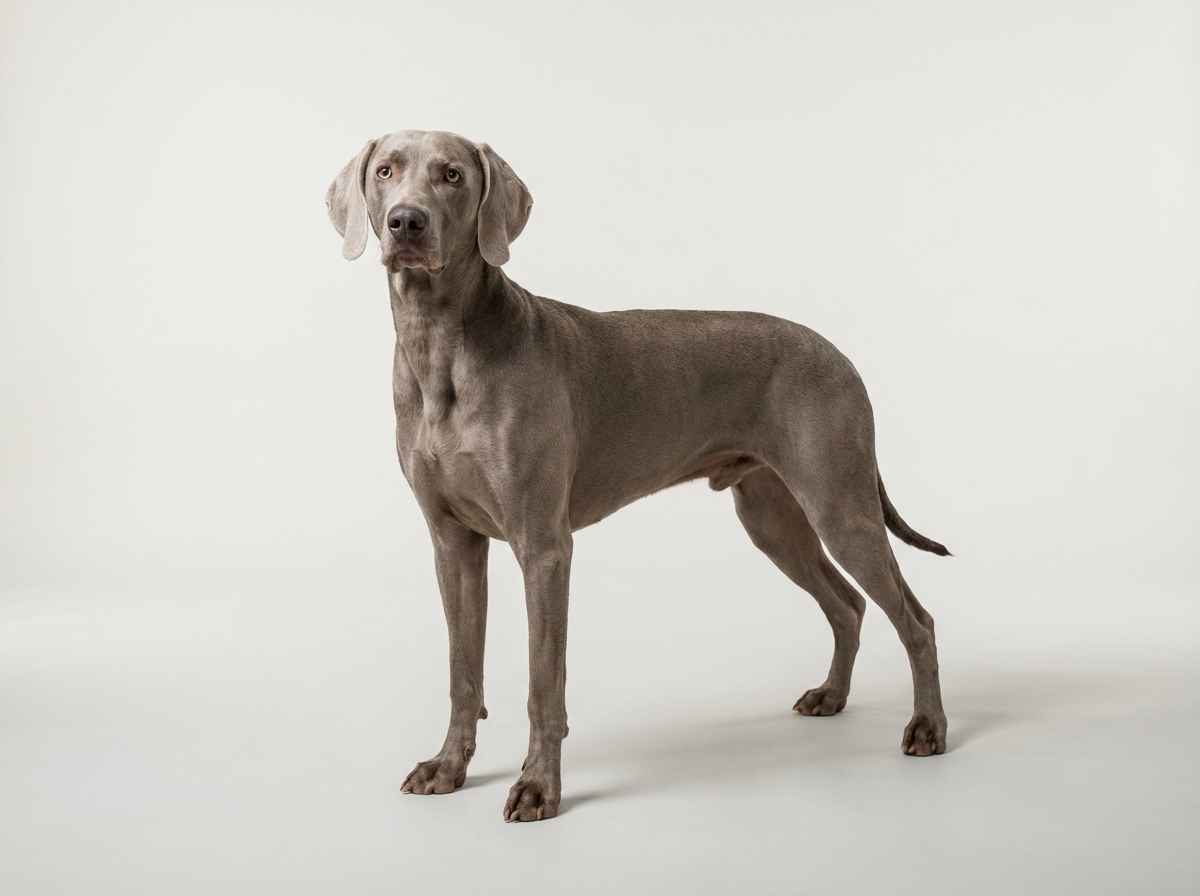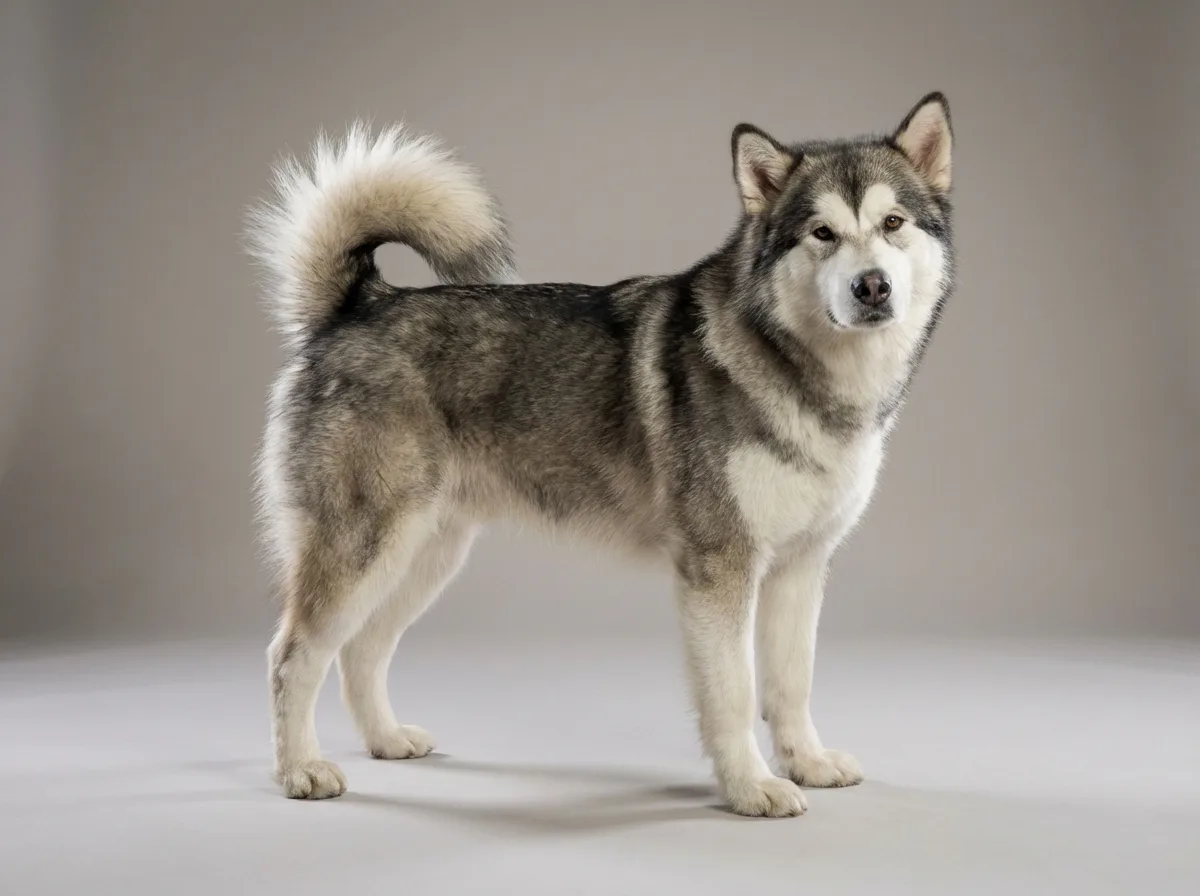
Husky vs Malamute: Key Differences and Comparisons
Wondering whether a Husky or Malamute is the better fit for your family? This guide breaks down their sizes, temperaments, and care needs to help you make an informed choice. (husky vs malamute)
This guide is perfect for prospective dog owners who are considering either a Siberian Husky or an Alaskan Malamute. Whether you're a first-time dog owner or someone with experience looking to add to your family, this guide will assist you in making an informed choice. If you live in an active household or enjoy outdoor adventures, understanding these breeds will be crucial.
Understanding the differences between Huskies and Malamutes is essential for making the right choice for your family. Many people mistakenly believe that all sled dogs are the same, but each breed has its own temperament, size, and care requirements. Misunderstanding these traits can lead to challenges down the road, like behavioral issues or mismatched energy levels.
Step-by-Step Guide: Husky vs Malamute
- 1. Research Breed Characteristics: Start by learning about the Siberian Husky and Alaskan Malamute. Look into their size, temperament, and energy levels. This will give you a clearer picture of what each breed entails.
- 2. Assess Your Lifestyle: Consider your daily routine and living situation. Do you have enough space for a large dog? How active are you? Matching your lifestyle with the dog's needs is crucial.
- 3. Evaluate Your Family Dynamics: If you have children or other pets, research how each breed interacts with them. Huskies tend to be more playful, while Malamutes can be more reserved.
- 4. Visit Local Shelters or Breeders: If possible, meet both breeds in person. Observing their behavior can help you understand which one resonates more with you.
- 5. Talk to Current Owners: Connect with Husky and Malamute owners. They can provide firsthand experiences and insights that are invaluable.
- 6. Consider Training Needs: Both breeds require training, but they have different temperaments. Huskies may be more stubborn, while Malamutes can be eager to please. Think about what training style works best for you.
- 7. Prepare for Grooming: Both breeds shed heavily, but Malamutes generally require more grooming. Be ready to commit time for grooming and maintenance.
- 8. Make a Decision: After gathering all this information, weigh the pros and cons of each breed. Think about which dog aligns better with your expectations and lifestyle.
- 9. Plan for Adoption or Purchase: If you decide on a breed, start planning for adoption or purchase. Make sure to choose a reputable source, whether it's a shelter or a breeder.
- 10. Set Up Your Home: Prepare your home for your new dog. Create a comfortable space and gather necessary supplies like food, toys, and a cozy bed.
Why this helps
- ✓ Helps clarify your needs and preferences.
- ✓ Encourages thoughtful decision-making.
- ✓ Involves community and expert insights.
Watch out for
- ! Can be time-consuming.
- ! May require travel or outreach to connect with owners.
- ! Information overload might occur.
Common Mistakes in Choosing Between a Husky and a Malamute
- Not Considering Energy Levels
- Ignoring Grooming Needs
- Underestimating Size Differences
- Assuming Temperament is the Same
- Neglecting Space Requirements
- Overlooking Training Needs
- Failing to Research Breed-Specific Health Issues
Common Myths About Huskies and Malamutes
- Myth: Malamutes are just bigger Huskies.
- Fact: While both breeds are sled dogs, they have distinct origins and purposes. Malamutes were bred for heavy hauling in harsh conditions, making them larger and more muscular than Huskies, which were bred for speed and endurance.
- Myth: Huskies and Malamutes are equally friendly.
- Fact: Temperament varies by individual, but generally, Huskies tend to be more outgoing and social compared to Malamutes, who can be more reserved around strangers.
- Myth: Both breeds require the same level of exercise.
- Fact: Huskies typically need more exercise due to their high energy levels. Malamutes, while also active, are often content with moderate activity, making them a better fit for less active families.
- Myth: Malamutes don’t bark like Huskies do.
- Fact: Malamutes can be vocal but in a different way. They tend to use a unique sound known as 'talking' rather than the typical barking of a Husky.
Advanced Tips for Choosing Between a Husky and Malamute
Why this helps
- ✓ Helps identify specific exercise needs for each breed.
- ✓ Improves training effectiveness through tailored approaches.
- ✓ Promotes healthy socialization habits from a young age.
Watch out for
- ! Requires a deeper understanding of each breed's traits.
- ! May involve more time and commitment in training and grooming.
- ! Assumes access to outdoor spaces for proper exercise.
Insider Secrets: Husky vs Malamute
- Huskies are escape artists while Malamutes are more laid back.
- Malamutes have a stronger prey drive than Huskies, which can affect their compatibility with small pets.
- Huskies tend to be more vocal and may howl, while Malamutes communicate more through body language.
- Malamutes generally require more exercise due to their size, making them better suited for active families.
- Both breeds shed heavily, but Malamutes may need more frequent grooming due to their thicker coat.
Why this helps
- ✓ Understanding these differences helps prevent common ownership challenges.
- ✓ Being aware of exercise needs can prevent behavior issues from boredom.
- ✓ Knowing communication styles can improve training success.
Watch out for
- ! These breeds may not be suitable for first-time dog owners due to their strong personalities.
- ! Lack of understanding can lead to frustration if their needs aren't met.
- ! Both breeds require a commitment to regular exercise and grooming.
Husky vs Malamute: Action Plan Checklist
- Evaluate your living space: Do you have enough room for a large breed?
- Assess your activity level: Are you ready for daily exercise and playtime?
- Research grooming needs: Huskies shed significantly; Malamutes require regular brushing.
- Consider climate: Both breeds thrive in colder environments.
- Think about training: Are you prepared for the strong-willed nature of these dogs?
- Check local regulations: Are there breed restrictions in your area?
- Plan for socialization: Will you have the time to introduce your dog to new people and pets?
- Budget for costs: Are you ready for vet bills, food, and other expenses?
Why this helps
- ✓ Both breeds are friendly and good with families.
- ✓ They have strong instincts for sledding and outdoor activities.
- ✓ Siberian Huskies are often more sociable with strangers.
Watch out for
- ! Malamutes can be more challenging to train due to stubbornness.
- ! Huskies have a higher energy level, requiring more exercise.
- ! Both breeds can be vocal, which might not suit all households.
Frequently asked questions
Is a Malamute bigger than a Husky?
Yes, the Alaskan Malamute is generally larger than the Siberian Husky. Malamutes typically weigh between 85 to 100 pounds, while Huskies usually weigh around 35 to 60 pounds. This size difference is important to consider when choosing between these two breeds. This answer relates to husky vs malamute.
Which is friendlier, Husky or Malamute?
Both breeds are known for their friendly demeanor, but Huskies tend to be more social and outgoing. Malamutes, while also friendly, can be more reserved and protective. Your experience may vary depending on the individual dog's personality and socialization.
Do Malamutes talk like Huskies?
Malamutes don't typically talk as much as Huskies. While Huskies are known for their vocalizations, including howling and 'talking,' Malamutes are usually quieter but can be quite expressive in their own ways. Expect some unique sounds from both breeds!
What are the main differences in temperament between a Husky and a Malamute?
Huskies are often more energetic and playful, thriving in active environments. Malamutes, on the other hand, can be more laid-back and stubborn, making them great companions for those who enjoy a more mellow lifestyle. Understanding these temperament differences can help with your decision.
How much exercise do Huskies and Malamutes need?
Both breeds require a significant amount of exercise due to their working dog background. Huskies need at least 1-2 hours of vigorous activity daily, while Malamutes need about 1-1.5 hours. Regular exercise is essential for their health and happiness.
How much exercise do Huskies and Malamutes need?
Both Huskies and Malamutes require a lot of exercise. Huskies need around 1-2 hours of vigorous activity daily, while Malamutes typically need around 1 hour. If you live an active lifestyle, either breed could be a great fit, but both will not thrive in low-exercise environments.
Are Huskies or Malamutes better for families with children?
Both breeds can be great with kids, but they have different temperaments. Huskies are often more playful and energetic, making them fun companions. Malamutes are generally more laid-back but can be protective, so early socialization is key.
What grooming needs do Huskies and Malamutes have?
Huskies and Malamutes both shed quite a bit, especially during seasonal changes. Huskies typically require brushing at least once a week, while Malamutes may need more frequent grooming due to their thicker coats. Be prepared for some fur on your clothes and furniture!
How do the temperaments of Huskies and Malamutes differ?
Huskies are known for being friendly, outgoing, and sometimes a bit mischievous. Malamutes are generally more reserved and can be more independent. This means that training a Malamute might require more patience compared to a Husky.
Can Huskies and Malamutes live in apartments?
While it’s possible for both breeds to live in apartments, it’s not ideal. They both need ample space to run and play. If you live in an apartment, be prepared to commit to daily long walks or trips to a dog park.
Which breed is more prone to health issues?
Both breeds have their health concerns but differ slightly. Huskies are generally healthy but can experience hip dysplasia and eye problems. Malamutes can face similar issues, along with specific conditions like hypothyroidism. Regular vet check-ups are essential for both.
Do Huskies or Malamutes bark more?
Huskies tend to be more vocal and can bark, howl, or even 'talk.' Malamutes, on the other hand, are quieter but can vocalize in their own unique way. If noise is a concern for you, consider this aspect when choosing between the two breeds.
Quick answers
View more answersHusky vs Malamute: Which is better for families?
Both breeds can be great family pets, but Huskies are usually more social and adaptable. Malamutes might be more suitable for families looking for a loyal, protective companion.
What is the size difference between a Husky and a Malamute?
Malamutes are generally larger, weighing 85-100 pounds, compared to Huskies, which weigh 35-60 pounds.
Do Huskies and Malamutes get along with other dogs?
Both breeds can get along with other dogs if properly socialized, but Huskies are often more friendly and gregarious.
Is a Malamute bigger than a Husky?
Yes, Alaskan Malamutes are generally larger and heavier than Siberian Huskies.
Which is friendlier, Husky or Malamute?
Siberian Huskies tend to be more social and friendly, while Malamutes can be more reserved and independent.
Related DogBreedCompass guides
- Siberian Husky guide – Learn more about the specific traits and needs of the Siberian Husky.
- Alaskan Malamute guide – Explore the unique characteristics of the Alaskan Malamute.
- Husky vs Malamute cost breakdown – Compare the costs of owning a Husky versus a Malamute.
- Behavior problems in Huskies and Malamutes – Find out about common behavioral issues in Huskies and Malamutes.
- Living with sled dogs – Discover lifestyle considerations for owning a sled dog.
Important reminder
This guide is not medical advice. If your dog shows pain, sudden behavior change, or worsening symptoms, consult a licensed veterinarian.
Some links may be affiliate links. We may earn a commission at no extra cost to you. We only suggest products we believe are helpful for dog owners.
Want more tailored help?
Take the Lifestyle Match quiz to see which breeds and guides best fit your day-to-day life.
Take the quizMore guides you might like

Pomeranian Cost in Philadelphia: What to Expect

Pomeranian Cost in Salt Lake City: What to Expect

Best Dogs for First-Time Owners in Smaller Spaces | PetMatchr

What is the Best Family Dog? Find Your Perfect Match

Pomeranian Cost in Phoenix: What to Expect

Discover Trending Dog Breeds for 2023
Find your match
Not sure which breed is right for you? Take our 2-minute quiz to find out.
Take the quiz