DogBreedCompass

How to Choose the Right Dog Breed

Choosing the right dog breed can transform your life and theirs. This guide will help you navigate the process of picking a dog that fits your lifestyle perfectly. (how to choose the right dog breed)

This guide is ideal for first-time dog owners, busy families, or anyone looking to adopt a new furry friend. Whether you live in a small apartment or have a large backyard, you'll find valuable insights tailored to your unique situation.

Many people underestimate the importance of selecting the right breed for their lifestyle. Picking a dog that doesn’t fit your needs can lead to frustration for both you and your pet. Understanding the factors involved in breed selection is crucial for a happy and successful companionship.

Understanding How to Choose the Right Dog Breed

Choosing the right dog breed is crucial for a happy and harmonious relationship between you and your future furry friend. It's not just about picking a cute puppy; it's about finding a breed that fits your lifestyle, home environment, and personal preferences. This guide will help you navigate the process of how to choose the right dog breed, ensuring that you make an informed decision that works for both you and your new companion.

Why It Matters

The right dog can bring immense joy and companionship, while the wrong choice can lead to frustration and stress for both the owner and the pet. Different breeds have unique temperaments, energy levels, and care requirements. Factors such as your activity level, living space, and family dynamics play a significant role in determining which breed will best suit you. Understanding these elements is essential to ensure a successful match.
How to Choose the Right Dog Breed - Why It Matters

What to Consider When Picking a Dog

When considering how to choose the right dog breed, start by assessing your lifestyle. Are you active and enjoy outdoor adventures? Or do you prefer a more relaxed life at home? Next, think about your living situation. Do you have a large yard or live in a small apartment? Additionally, consider your family dynamics, including children or other pets, as some breeds are more suitable for families than others. Lastly, think about grooming and health needs, as some breeds require more care than others.
How to Choose the Right Dog Breed - What to Consider When Picking a Dog

Tools for Finding Your Perfect Dog

To help make the process easier, consider using a breed selector tool or quiz. These resources can guide you through various questions related to your lifestyle and preferences, helping you narrow down potential breeds. Additionally, researching specific breeds—like the Labrador Retriever, French Bulldog, or mixed breeds—can provide valuable insight into their characteristics. Remember, finding your perfect dog is about matching their needs with your lifestyle.
How to Choose the Right Dog Breed - Tools for Finding Your Perfect Dog

Conclusion

In summary, learning how to choose the right dog breed involves understanding your lifestyle and the unique traits of different breeds. Take your time with this decision and ensure you consider all factors before bringing a dog into your home. A well-matched dog can enhance your life and create a lasting bond. Start your journey today by exploring the breeds that resonate with you.

Step-by-Step Plan for Choosing the Right Dog Breed

Selecting the right dog breed is an important decision that can shape your life for years to come. Here’s a practical, step-by-step plan to help you find your perfect dog. Follow these steps this week to ensure you make an informed choice.
  • 1. Assess Your Lifestyle: Take a moment to evaluate your daily routine. Consider how much time you can dedicate to a dog, including walks, training, and playtime.
  • 2. Consider Your Space: Look at your living situation. Do you have a large yard, or do you live in an apartment? Different breeds have different space needs.
  • 3. Research Breeds: Use a breed selector tool online to narrow down your options. Focus on breeds that are known to fit your lifestyle and preferences.
  • 4. Evaluate Activity Level: Think about how active you are. If you're a couch potato, a high-energy dog may not be the best fit. Look for breeds that match your energy levels.
  • 5. Assess Allergies: If you or someone in your household has allergies, research hypoallergenic breeds. These dogs may be better suited for sensitive individuals.
  • 6. Budget for Costs: Estimate the costs of dog ownership, including food, grooming, and veterinary care. Make sure you can comfortably afford a dog’s needs.
  • 7. Meet Different Breeds: Visit local shelters or breed-specific rescues. Spend time with various breeds to see which ones you connect with.
  • 8. Talk to Dog Owners: Reach out to friends or family who own dogs. Ask them about their experiences with different breeds.
  • 9. Make a Shortlist: Based on your research and experiences, create a shortlist of breeds that seem like a good match for you.
  • 10. Consult with a Vet: Before making a final decision, consult with a veterinarian for additional insights and recommendations based on your lifestyle.

Why this helps

  • Helps ensure a good match between you and your dog.
  • Reduces the likelihood of behavioral problems.
  • Increases the chances of long-term happiness for both you and your pet.

Watch out for

  • ! May require time and effort to research and assess options.
  • ! Some breeds may not be available at local shelters.
  • ! Choosing the perfect breed doesn’t guarantee a perfect dog; training and socialization are still important.

Common Mistakes When Choosing the Right Dog Breed

Choosing the right dog breed can be overwhelming. Here are some common mistakes that many people make during the selection process and why they often backfire.
  • Not considering lifestyle compatibility: Many people fail to match a dog’s needs with their lifestyle. For instance, an active family might overlook a breed like a Bulldog, which is more laid-back, leading to frustration for both owner and pet.
  • Ignoring long-term commitment: Dogs live for 10-15 years or more. Some people choose a breed without thinking about their long-term commitment, which can lead to rehoming if life circumstances change, causing stress for the dog.
  • Choosing based on appearance alone: Picking a dog purely for its looks can result in mismatched personalities. A beautiful dog might not fit your family’s energy level, leading to disappointment and potential behavioral issues.
  • Underestimating exercise needs: Different breeds have varying exercise requirements. Not accounting for this can lead to a bored dog that exhibits destructive behavior, which is tough on the owner and the pet.
  • Neglecting grooming requirements: Some breeds require extensive grooming. If new owners don’t factor in grooming costs and time, they may find themselves overwhelmed, leading to an unhappy dog and owner.
  • Overlooking training and socialization: Many breeds have specific training needs. Neglecting proper training can result in undesirable behaviors, making it harder to integrate the dog into a home or community.
  • Failing to research health issues: Certain breeds are prone to specific health problems. Not being informed can lead to unexpected vet bills and emotional stress down the line.

Common Myths About Choosing the Right Dog Breed

When it comes to choosing the right dog breed, many myths can steer you in the wrong direction. Here are some common misconceptions and the facts that debunk them.
  • Myth: All dogs are the same; breed doesn’t matter.
  • Myth: You should pick a dog based only on its looks.
  • Myth: Smaller dogs require less exercise than larger dogs.
  • Myth: All breeds are equally easy to train.
  • Myth: You can change a dog’s behavior with enough training.

Advanced Tips for Choosing the Right Dog Breed

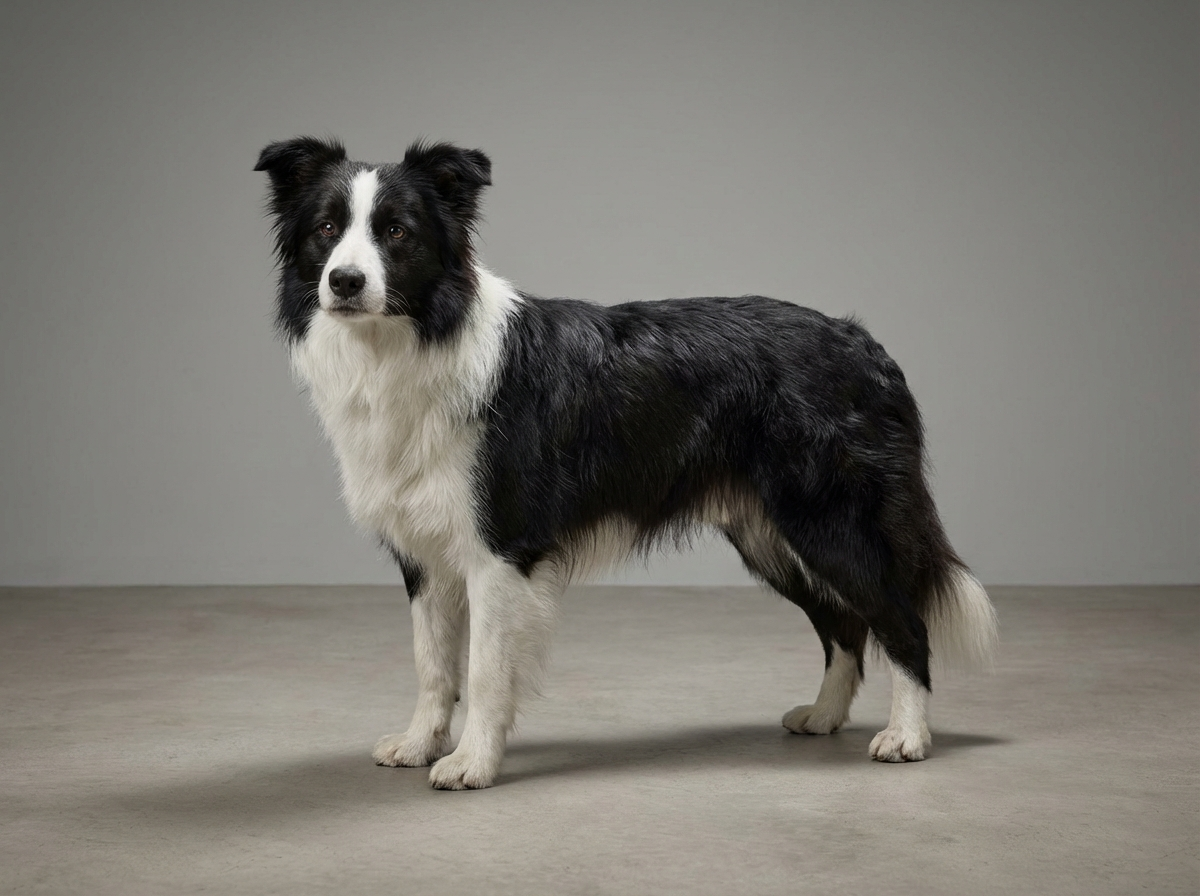
Choosing the right dog breed is more than just picking a cute face. It involves understanding your lifestyle, environment, and long-term commitments. Here are some advanced tips to help you make a well-informed decision when learning how to choose the right dog breed. First, consider your activity level. If you lead an active lifestyle and enjoy outdoor adventures, breeds like Labradors or Border Collies might be perfect. On the other hand, if you prefer a more relaxed pace, consider breeds like Bulldogs or Shih Tzus that are content with short walks and cuddles on the couch. Next, think about your living situation. If you live in a small apartment, a smaller breed like a French Bulldog or a mixed breed may be a better fit than a large breed that needs more space. Also, consider whether your home has a yard or is near parks for playtime. Another important factor is your family dynamics. If you have kids, look for breeds known for being good with children, such as Golden Retrievers or Beagles. Additionally, consider any allergies in the family—hypoallergenic breeds like Poodles might be a better choice. Lastly, research breed temperaments and health issues. Some breeds are prone to specific health problems, impacting their long-term costs and care. Use a breed selector tool or quiz to match your preferences and lifestyle with breed characteristics. This can provide clarity on what dog fits your lifestyle best. By considering these factors, you're more likely to find your perfect dog match, making the experience rewarding for both you and your future furry friend.


Why this helps

  • Helps you align your lifestyle with the right dog breed
  • Increases the chances of a successful dog-owner relationship
  • Reduces the risk of health issues related to breed selection

Watch out for

  • ! Requires time and research to understand breed needs
  • ! Can be overwhelming with too many options
  • ! May lead to indecision if not clear on personal preferences

Insider Secrets for Choosing the Right Dog Breed

When deciding how to choose the right dog breed, consider these expert insights that go beyond the basics. These tips can help you find the perfect match for your lifestyle and home environment.
  • Consider your daily routine and energy levels before picking a dog.
  • Research breed-specific health issues to avoid unexpected vet bills.
  • Think about the grooming needs of different breeds, as some require more care than others.
  • Visit local shelters to meet dogs in person and get a feel for their personalities.
  • Understand that a dog's temperament can vary within a breed, so spend time with individual dogs.

Why this helps

  • Tailored advice helps you avoid common pitfalls.
  • Informed decisions can save you money on health care and grooming.
  • Meeting dogs in person can reveal the right fit beyond breed characteristics.

Watch out for

  • ! Some insights may require additional research or effort.
  • ! Not all dogs fit their breed stereotype, leading to potential mismatches.

Checklist for Choosing the Right Dog Breed

Use this checklist to help you find the perfect dog breed for your lifestyle and needs. The right dog can bring joy and companionship, but it's essential to consider your circumstances before making a decision.
  • Assess your lifestyle: Consider your daily routine, activity level, and living situation.
  • Evaluate your family: Think about children, elderly members, or other pets in the home.
  • Research breeds: Look into breed characteristics, energy levels, and temperaments.
  • Consider size: Determine what size dog fits your living space and lifestyle.
  • Think about grooming needs: Some breeds require more grooming than others.
  • Check health issues: Be aware of common health problems in certain breeds.
  • Look into training needs: Some breeds may require more training and socialization.
  • Plan for costs: Budget for food, grooming, vet visits, and other expenses.
  • Explore local shelters: Consider adopting a mixed-breed dog that fits your criteria.

Why this helps

  • Helps narrow down suitable breeds based on personal circumstances.
  • Increases the chances of a successful match with your lifestyle.
  • Encourages responsible pet ownership by considering all factors.

Watch out for

  • ! May require extensive research and time investment.
  • ! Some breeds may not be available in your area or shelters.
  • ! Emotional attachment can complicate decisions once you meet a dog.

Frequently asked questions

What dog fits my lifestyle?

Choosing the right dog breed depends on your lifestyle. Consider your activity level, living situation, and family dynamics. For example, active individuals might prefer breeds like Labradors, while those in small apartments might find French Bulldogs a better fit.

What factors should I consider when picking a dog?

Key factors include energy level, size, grooming needs, and temperament. Think about how much time you can dedicate to training and exercise. Don't forget to consider allergies or any breed-specific health concerns.

How can a breed selector help me?

A breed selector can guide you through the decision-making process by asking about your lifestyle and preferences. It matches you with breeds that fit your answers. This can save you time and help you avoid breeds that may not be suitable for your situation.

What is the best way to find my perfect dog?

Start by assessing your lifestyle and preferences. Then, research breeds that align with those factors. You can also take quizzes or use online tools to narrow down your options.

Can I adopt a mixed-breed dog?

Absolutely! Mixed-breed dogs often combine the best traits of their parent breeds. They can be a great option for those looking for a unique companion. Just be sure to learn about their potential characteristics, as they can vary widely.

What dog fits my lifestyle?

To find the right dog for your lifestyle, consider your daily routine, living space, and activity level. For example, active individuals might enjoy high-energy breeds like Labradors, while apartment dwellers may prefer smaller, calmer dogs like French Bulldogs. Understanding your lifestyle is key to choosing a breed that matches your needs.

How do I use a breed selector?

A breed selector is a helpful tool that asks questions about your lifestyle, preferences, and experience with dogs. Based on your answers, it suggests breeds that might be a good fit for you. It’s a great starting point in the process of how to choose the right dog breed.

What factors should I consider when picking a dog?

When picking a dog, consider factors like size, energy level, grooming needs, and temperament. Additionally, think about how much time you can dedicate to training and exercise. Each breed has unique requirements, so it's important to match them with your capabilities.

Can I find a perfect dog through a quiz?

Yes, many online quizzes can help you narrow down your choices by asking about your lifestyle, preferences, and family dynamics. These quizzes often provide insights into which breeds might fit best with your situation. However, always do thorough research beyond the quiz results.

What if I have allergies? How does that affect my breed choice?

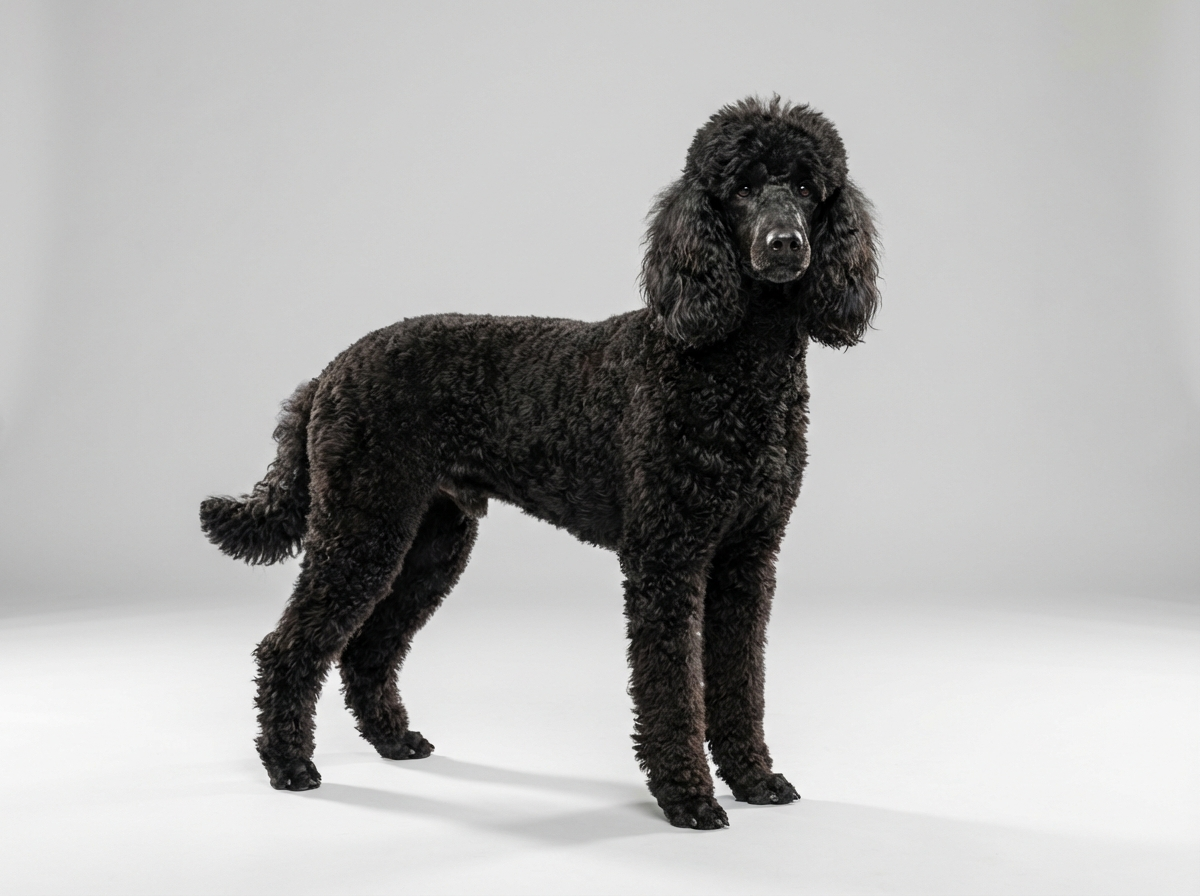
If you have allergies, it's important to consider hypoallergenic breeds that shed less dander. Breeds like Poodles or Bichon Frises are often recommended for allergy sufferers. Always spend time with a breed before bringing one home to see how your allergies react.

Is it better to adopt or buy a dog?

Both adoption and buying have their pros and cons. Adopting from a shelter can save a life and is often less expensive. Buying from a breeder can provide specific breed traits and health guarantees. Consider your values and circumstances when making this decision.

How do I ensure I’m making the right choice for my family?

To ensure you’re making the right choice for your family, involve all family members in the decision-making process. Discuss what everyone is looking for in a dog and consider how the dog's needs align with your family's lifestyle. Research breeds thoroughly and meet potential dogs before deciding.

Quick answers

View more answers
Living

How do I choose the right dog?

To choose the right dog, assess your lifestyle and preferences, and research breeds that match those traits.

Costs

What should I consider when picking a dog?

Consider your activity level, living situation, size of the dog, and grooming needs when picking a dog.

Behavior

Is a breed selector useful?

Yes, a breed selector can help match you with dog breeds based on your lifestyle and preferences.

Living

What are the benefits of mixed-breed dogs?

Mixed-breed dogs often have fewer health issues and can bring a unique combination of traits.

Training

How can I find my perfect dog?

Evaluate your lifestyle, take quizzes, and research breeds to find your perfect dog.

Living

What dog fits my lifestyle?

Consider your living situation, activity level, and family dynamics to find a dog that matches well with your daily routine.

Training

Quiz: Which dog should I get?

Take a breed selector quiz to help narrow down your choices based on your preferences and lifestyle needs.

Related DogBreedCompass guides

Important reminder

This guide is not medical advice. If your dog shows pain, sudden behavior change, or worsening symptoms, consult a licensed veterinarian.

Some links may be affiliate links. We may earn a commission at no extra cost to you. We only suggest products we believe are helpful for dog owners.

Want more tailored help?

Take the Lifestyle Match quiz to see which breeds and guides best fit your day-to-day life.

Take the quiz

More guides you might like

Find your match

Not sure which breed is right for you? Take our 2-minute quiz to find out.

Take the quiz