Gentle Dogs for Special Needs Kids: Finding the Right Companion
Finding gentle dogs for special needs kids can transform lives. This guide helps you discover patient breeds that make excellent companions.
Understanding Gentle Dogs for Special Needs Kids
Finding gentle dogs for special needs kids can make a significant difference in a child's life. These dogs can provide companionship, emotional support, and even therapeutic benefits. When considering a dog for a child with special needs, it's crucial to choose a breed known for its calm demeanor and patience. This guide will help you understand why selecting the right dog matters and how to find the best fit for your family.
Why Gentle Dogs Matter
Gentle dogs, such as therapy dogs for kids or autism service dogs, can create a safe and comforting environment. They often sense emotions and provide support during challenging moments. A calm companion can help a child feel more secure, encouraging social interaction and emotional growth.

How to Choose the Right Gentle Dog
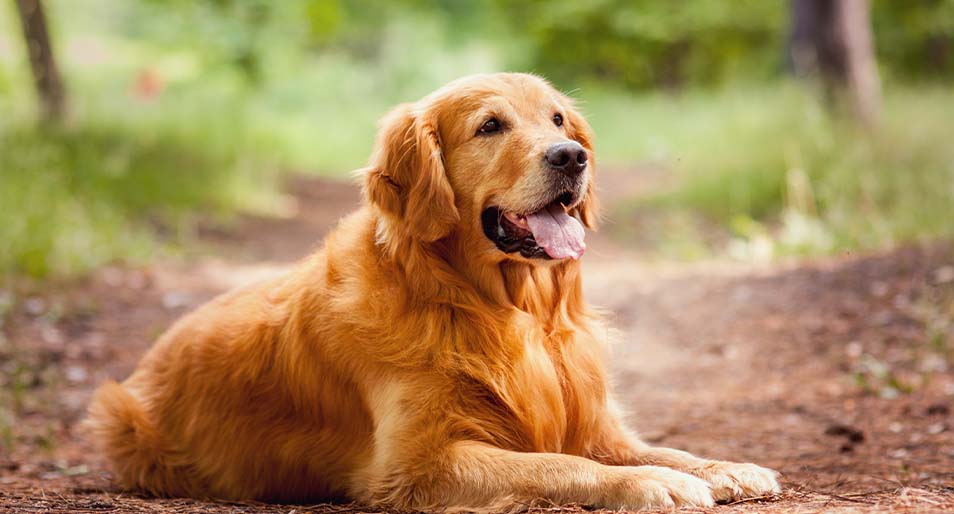
When looking for gentle dogs for special needs kids, consider breeds known for their patient and friendly nature. Breeds like Golden Retrievers, Labrador Retrievers, and Collies are often excellent choices. It’s essential to assess the child's specific needs and personality when selecting a dog. Take time to meet potential pets and observe their behavior with your child.

Benefits of Gentle Dogs
Gentle dogs can provide numerous benefits for special needs children. Here are some of the key advantages:

- Emotional support and companionship
- Encouragement of social interactions
- Improved mood and reduced anxiety
- Sense of responsibility for the child
Things to Consider
Before bringing a dog into your home, keep these considerations in mind:
- The dog's temperament and energy level
- Allergies or sensitivities in the household
- The child's ability to interact with the dog safely
- Training requirements for the dog
Step-by-Step Plan for Choosing Gentle Dogs for Special Needs Kids
Choosing the right gentle dog for your special needs child involves a thoughtful process. Follow these actionable steps to ensure you find the perfect calm companion.
- Step 1: Assess Your Child's Needs - Take time to understand your child's specific needs, preferences, and any anxieties they may have. This will help you choose a breed that matches their personality and lifestyle.
- Step 2: Research Patient Breeds - Look into gentle dog breeds known for their calm demeanor, such as Golden Retrievers, Labradors, and Collies. These breeds are often recommended for therapy dogs and can provide great companionship.
- Step 3: Visit Local Shelters or Breeders - Spend time with potential dogs in shelters or from reputable breeders. Observe their behavior and how they interact with your child. This hands-on experience is vital.
- Step 4: Consider Training Needs - Determine if you want a therapy dog or an autism service dog. Research training programs that focus on these skills, ensuring you get a dog that can be a calm and supportive companion.
- Step 5: Evaluate Your Home Environment - Make sure your living space is suitable for a dog. Consider factors like yard space, safety, and whether you have other pets. This will help in creating a comforting environment for your new dog.
- Step 6: Prepare Your Child - Talk to your child about getting a dog. Discuss the responsibilities involved and how the dog can be a special friend. This helps in building excitement and understanding.
- Step 7: Introduce the Dog Gradually - Once you bring the dog home, introduce them to your child slowly. Allow them to bond at their own pace, which can help reduce any anxiety for both parties.
- Step 8: Monitor Interactions - Keep a close eye on how your child interacts with the dog. Look for signs of stress or discomfort and be ready to step in if needed. Positive reinforcement can encourage a healthy relationship.
- Step 9: Seek Professional Guidance - If you're unsure about the dog's behavior or your child's reactions, consult a professional trainer or therapist. They can provide valuable insights tailored to your situation.
- Step 10: Celebrate Milestones - As your child grows closer to their new companion, celebrate the little victories together. This can help strengthen their bond and create lasting memories.
Common Mistakes When Choosing Gentle Dogs for Special Needs Kids
Selecting a dog for a special needs child is a significant decision. Here are some common mistakes that can backfire and lead to challenges.
- Ignoring the child's specific needs and preferences.
- Selecting a breed based solely on looks.
- Underestimating the dog's exercise needs.
- Neglecting training and socialization.
- Failing to involve the child in the selection process.
- Overlooking allergies or sensitivities.
- Not preparing the home environment.
Myths vs. Facts About Gentle Dogs for Special Needs Kids
There are many misconceptions surrounding the best dogs for special needs children. Here, we debunk some common myths to clarify the reality.
- Myth: All dogs are suitable for special needs kids.
- Myth: Gentle dogs don’t require training.
- Myth: Therapy dogs are only for emotional support.
- Myth: Bigger dogs are better for special needs children.
- Myth: Gentle dogs cannot be active.
Advanced Tips for Choosing Gentle Dogs for Special Needs Kids
When looking for gentle dogs for special needs kids, consider these advanced tips to ensure the best match for your family. First, involve your child in the dog selection process. Letting them meet different breeds can help gauge their comfort and connection. Next, focus on training. Early socialization and obedience training can make a world of difference. Consider enrolling your dog in specialized training programs designed for therapy or service dogs. This can enhance their ability to support your child.
Another key aspect is to evaluate the dog’s temperament. Spend time observing the dog in various environments to see how they react to different stimuli. Calm and patient breeds are often best suited for children with special needs. Breeds like Golden Retrievers and Labradors are known for their gentle nature and adaptability.
It's also valuable to look into the dog's history. If adopting, try to learn about their background. Dogs from shelters might have unknown past experiences, which can shape their behavior. If possible, choose a dog that has been fostered in a home environment, as they often have a better understanding of family dynamics. Lastly, consider creating a quiet space for your dog at home. A designated area where they can retreat can help them recharge, especially when they are interacting with energetic children.
Insider Secrets for Choosing Gentle Dogs for Special Needs Kids
When looking for gentle dogs for special needs kids, there are some lesser-known insights that can make a huge difference in your selection process. These tips go beyond the usual advice and can help you find the perfect companion for your child.
- Consider the dog's temperament: Look for breeds known for their patience and calm demeanor. Breeds like Golden Retrievers and Labradors excel in this area.
- Socialization matters: Early socialization can help dogs better understand and respond to children's needs. This can be crucial for therapy dogs.
- Look for breeds that bond easily: Some breeds, like Collies, naturally form deep connections with their families, making them ideal companions for special needs children.
- Training is key: Invest in positive reinforcement training techniques. This not only helps the dog learn but also strengthens the bond with your child.
- Consider hypoallergenic options: If allergies are a concern, breeds such as Poodles or Bichon Frises can be good choices, as they tend to produce less dander.
Checklist for Choosing Gentle Dogs for Special Needs Kids
Use this checklist to find the best gentle dog for your special needs child. Each point will guide you through the key considerations to ensure a positive match.
- Research patient breeds known for their calm demeanor.
- Consider adopting therapy dogs or service dogs specifically trained for special needs.
- Evaluate your child's specific needs (e.g., sensory sensitivities, emotional support).
- Meet potential dogs in person to assess their temperament and interaction with your child.
- Look for breeds that are typically gentle and friendly, like Golden Retrievers, Labradors, or Collies.
- Check if the dog has any training in emotional support or therapy.
- Consult with professionals, such as trainers or therapists, who specialize in dogs for special needs.
- Discuss your family's lifestyle and daily routine to find a dog that fits well.
- Prepare your home for a new pet, ensuring a safe and calm environment.
- Plan for ongoing training and socialization to help the dog adapt.
Frequently asked questions
What are the best gentle dogs for special needs kids?
Some of the best gentle dogs for special needs kids include Golden Retrievers, Labradors, and Collies. These breeds are known for their patience and calm demeanor, making them great companions. Additionally, they often have a natural instinct to bond with children and provide comfort.
What are the gentlest therapy dogs?
Gentlest therapy dogs typically include breeds like Cavalier King Charles Spaniels, Bichon Frises, and Bernese Mountain Dogs. These breeds are known for their loving nature and ability to connect emotionally with children. They can provide support and companionship, particularly for kids with special needs.
Can dogs sense emotions in children?
Yes, dogs can sense emotions in children through their body language and vocal tones. Breeds like Golden Retrievers and Labradors are particularly attuned to human emotions, making them empathetic companions. This ability allows them to provide comfort and companionship for kids with special needs.
Are there specific breeds recommended for autism service dogs?
Yes, breeds such as Labrador Retrievers, Golden Retrievers, and Poodles are often recommended for autism service dogs. Their gentle nature and intelligence make them suitable for tasks like providing emotional support and ensuring safety. These breeds thrive in environments where they can help children navigate daily challenges.
What qualities should I look for in a dog for a special needs child?
When choosing a dog for a special needs child, look for breeds that are patient, calm, and sociable. It's important to find a dog that can adapt to the child's specific needs and provide emotional support. Additionally, consider the dog's size and energy level to ensure a good match.
What are the best dog breeds for special needs children?
The best dog breeds for special needs children often include Golden Retrievers, Labradors, and Collies. These breeds are known for their gentle and patient nature, making them great companions. They can also provide emotional support and companionship, which is crucial for kids with special needs.
Can therapy dogs help children with autism?
Yes, therapy dogs can be incredibly beneficial for children with autism. They provide comfort, support, and can help reduce anxiety during stressful situations. Many families find that having a therapy dog helps improve communication and social skills in their autistic children.
What traits should I look for in a dog for my special needs child?
When choosing a dog for a special needs child, look for traits like calmness, patience, and sociability. Breeds that are naturally gentle and have a low energy level tend to make the best companions. Additionally, consider the dog's size, as smaller breeds might be less intimidating.
How do gentle dogs sense emotions in kids?
Gentle dogs have an incredible ability to sense emotions through body language and scent. They can often pick up on changes in a child's mood and respond accordingly. This sensitivity can provide a comforting presence for children, especially during challenging times.
What activities can I do with my dog and my special needs child?
Activities like walking, playing fetch, and basic obedience training can be wonderful for both your dog and your special needs child. These activities promote bonding and can help build confidence. Always ensure the activities are within your child's comfort level and the dog's temperament.
Are there training programs for therapy dogs for kids?
Yes, there are training programs specifically designed for therapy dogs that work with children. These programs focus on teaching dogs to be calm and respond to various emotional needs. Look for programs in your area that specialize in training dogs for therapy work.
What should I consider before getting a dog for my special needs child?
Before getting a dog for your special needs child, consider your family's lifestyle, the child's needs, and the dog's requirements. Think about the time and resources you can dedicate to training and care. It's important to choose a breed that fits well with your child's temperament and energy level.