Guide

Dogs Suitable for Emotional Therapy Work

Looking for a furry friend to help with emotional therapy? This guide highlights the best dogs suitable for therapy work, offering comfort and support. (dogs suitable for emotional therapy work)

Understanding Dogs Suitable for Emotional Therapy Work

Dogs suitable for emotional therapy work play a vital role in providing comfort and support to those in need. These canine companions can help reduce anxiety, improve mood, and promote overall well-being. Understanding how these dogs can assist in therapy settings is crucial for both potential owners and the individuals they will serve.

When we talk about therapy dogs, we're referring to specially trained animals that visit hospitals, schools, and nursing homes. They provide emotional support and comfort, making a significant difference in the lives of people facing various challenges. The right dog can enhance the healing process, offering companionship that is often more comforting than human interaction alone.

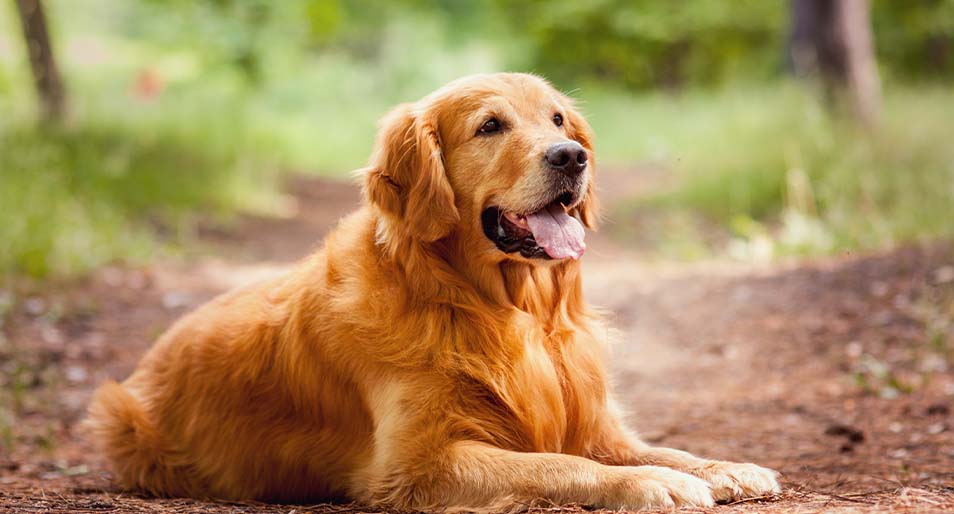
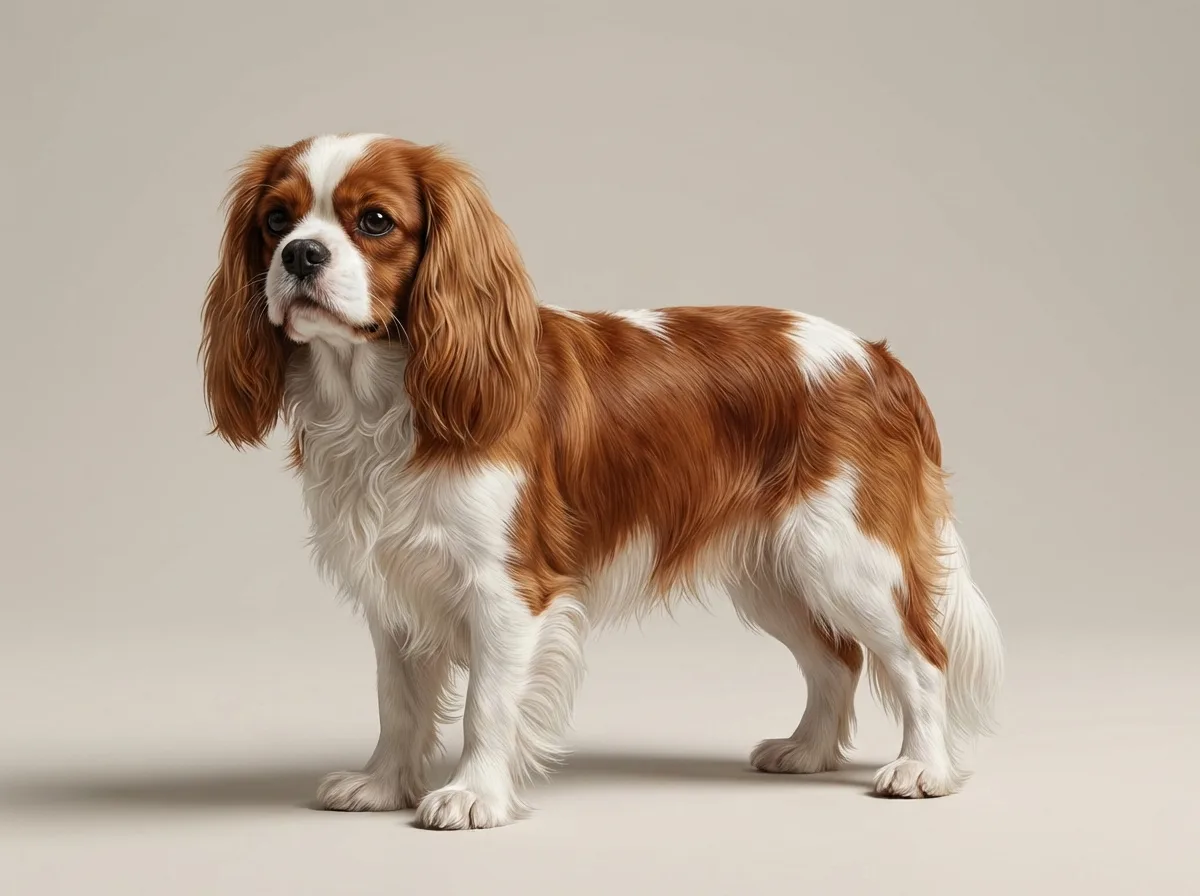
The best dog breeds for therapy work typically exhibit calm temperaments, friendliness, and a gentle disposition. Breeds like Golden Retrievers, Cavalier King Charles Spaniels, and Poodles are often highlighted for their suitability in these roles. These dogs tend to be sociable, eager to please, and adaptable to different environments, making them ideal for visiting various facilities.

A therapy dog’s effectiveness relies heavily on its temperament and training. The ideal therapy dog should not only be friendly but also able to remain calm in new and potentially stressful situations. This is why training and socialization are essential. Proper training ensures that the dog can respond to commands and behave appropriately around people who may be anxious or overwhelmed.

Additionally, emotional therapy work can vary widely, from providing comfort to children in hospitals to assisting seniors with memory care. Each setting may require different skills and levels of training, which is why understanding the specific needs of the environment is crucial.

It's also important for potential therapy dog owners to consider the commitment involved. Training a dog for therapy work requires time, patience, and consistency. Owners must be willing to invest in their dog’s education and socialization, ensuring they are well-prepared for the demands of therapy settings.

Deciding to bring a dog into this important role is not just about selecting a breed; it's about understanding the commitment to their training and the impact they can have on others. Overall, knowing which dogs are suitable for emotional therapy work can guide individuals and organizations in making informed decisions that enhance emotional support for those in need.

Step-by-Step Plan for Choosing Dogs Suitable for Emotional Therapy Work

Choosing a dog for emotional therapy work involves careful consideration and steps to ensure you find the right fit. Follow these steps to make the best choice for your needs.

Dogs Suitable for Emotional Therapy Work - Step-by-Step Plan for Choosing Dogs Suitable for Emotional Therapy Work

Common Mistakes When Choosing Dogs Suitable for Emotional Therapy Work

Choosing the right dog for emotional therapy work is crucial, yet many owners make mistakes that can hinder their success. Here are some of the most common missteps and why they backfire.

Dogs Suitable for Emotional Therapy Work - Common Mistakes When Choosing Dogs Suitable for Emotional Therapy Work

Myths vs. Facts About Dogs Suitable for Emotional Therapy Work

Let's debunk some common myths about therapy dogs and clarify the facts. Understanding these can help you choose the right dog for emotional therapy work.

Dogs Suitable for Emotional Therapy Work - Myths vs. Facts About Dogs Suitable for Emotional Therapy Work

Advanced Tips for Choosing Dogs Suitable for Emotional Therapy Work

If you're serious about finding the perfect dog for emotional therapy work, consider these advanced strategies. These tips will help you select a dog that not only fits the general requirements but also excels in the unique environment of therapy settings.

Insider Secrets for Choosing Dogs Suitable for Emotional Therapy Work

When selecting dogs suitable for emotional therapy work, consider these expert tips that go beyond the basics. These insights will help you find the right furry companion for therapeutic environments.

Checklist for Choosing Dogs Suitable for Emotional Therapy Work

Use this checklist to help you find the perfect dog for emotional therapy work. Each item will guide you through the essential traits and considerations.

Frequently asked questions

What are the best dog breeds for emotional therapy work?

Some of the best dog breeds for emotional therapy work include Golden Retrievers, Cavalier King Charles Spaniels, and Poodles. These breeds are known for their gentle temperaments and ability to connect with people. Their calm support makes them ideal companions in therapy settings. This answer relates to dogs suitable for emotional therapy work.

How do I certify a therapy dog?

To certify a therapy dog, you'll need to complete a training program that focuses on obedience and socialization. After training, a qualified organization will assess your dog's behavior and temperament. Once your dog passes the evaluation, you'll receive a certification that allows you to work as a therapy team.

What is the best temperament for therapy dogs?

The best temperament for therapy dogs is calm, friendly, and sociable. They should be comfortable in various environments and able to handle different people, including those with emotional needs. An ideal therapy dog is also non-aggressive and eager to please.

What are comfort animals, and how do they differ from therapy dogs?

Comfort animals provide emotional support to their owners but are not specifically trained for therapeutic tasks. Therapy dogs, on the other hand, are trained to assist in structured therapy sessions. While both offer comfort, therapy dogs are certified and work in professional settings.

Can any dog be a therapy dog?

Not every dog is suited to be a therapy dog. A successful therapy dog usually has a friendly disposition, good health, and a calm demeanor. Breeds known for being gentle and sociable often make the best therapy candidates.

How can I volunteer with dogs for therapy work?

To volunteer with dogs for therapy work, start by connecting with a local therapy dog organization. They often have programs that train and evaluate therapy dogs. Volunteering may include training your dog or participating in events that promote therapy dog services.

What breeds are best suited for emotional therapy work?

Some of the best dog breeds for therapy work include Golden Retrievers, Cavalier King Charles Spaniels, and Poodles. These breeds typically have calm temperaments and friendly dispositions, making them ideal for comforting people in need. Remember that individual personality can vary, so assessing each dog's behavior is crucial.

How do I train my dog for therapy work?

Training your dog for therapy work involves socialization, obedience training, and exposure to various environments. Start with basic commands and gradually introduce your dog to different people and settings. Consider enrolling in a specialized training program to prepare your dog for the unique challenges of therapy work.

Can any dog become a therapy dog?

While many breeds can potentially become therapy dogs, not every dog is suited for this role. Dogs need a calm demeanor, sociable nature, and the ability to handle stress. It's essential to evaluate your dog's temperament and consider their comfort in various situations before proceeding with therapy training.

What are the certification requirements for therapy dogs?

Certification requirements for therapy dogs can vary by organization, but generally, your dog must pass a temperament test and obedience training. Some organizations require specific training programs, while others may have more informal guidelines. It's best to check with local therapy dog organizations for their specific requirements.

How can I find volunteering opportunities with therapy dogs?

Volunteering with dogs can be a rewarding experience. Start by reaching out to local hospitals, schools, or community centers that may have therapy dog programs. Many organizations also have websites where you can find information on how to get involved and what opportunities are available.

What is the difference between therapy dogs and emotional support animals?

Therapy dogs are trained to provide comfort to others in various settings, while emotional support animals offer companionship and support to their owners. Therapy dogs often visit schools, hospitals, or nursing homes, while emotional support animals primarily help their owners cope with mental health challenges. Both play essential roles, but their functions and training differ.

Are there specific health considerations for therapy dogs?

Yes, therapy dogs should be in good health and up-to-date on vaccinations. Regular veterinary check-ups are essential to ensure they are fit for work. Additionally, it's important to monitor their stress levels and well-being, as therapy work can sometimes be demanding for them.