The Best Dog for Running: Ideal Breeds for Joggers
Looking for the best dog for running? This guide will help you find the perfect furry companion to keep you motivated and active on your runs.
This guide is perfect for runners of all experience levels, whether you're a casual jogger or a long-distance runner. If you live an active lifestyle and want a furry partner to keep pace with you, this guide will help you choose the right breed. It's also for those considering getting a dog specifically for fitness, ensuring you select a breed that matches your running habits.
Choosing the right dog for running is important because not all breeds are suited for this activity. Many people mistakenly think any dog can keep up with their pace, but factors like breed, size, and energy levels play a significant role. Understanding these traits can help prevent frustration and ensure both you and your new companion enjoy your time together.
Why Finding the Right Running Partner Matters
What to Look for in a Running Dog
Popular Breeds for Running
- Labrador Retriever
- Vizsla
- Border Collie
- German Shorthaired Pointer
- Jack Russell Terrier
- Siberian Husky
Making the Right Choice
Step-by-Step Guide to Choosing the Best Dog for Running
- 1. Assess Your Running Style: Determine how often and how far you run each week. This will help you match your activity level with a dog's energy needs.
- 2. Research Breeds: Look into breeds known for being great running companions. Breeds like Vizslas, Labrador Retrievers, and Australian Shepherds are often recommended.
- 3. Consider Size and Space: Think about your living situation. Larger breeds may need more space to move around comfortably.
- 4. Evaluate Temperament: Some dogs are more energetic and eager to run, while others may prefer lounging. Choose a breed that matches your temperament.
- 5. Visit Shelters or Breeders: Once you have a shortlist of breeds, visit local shelters or breeders. Meet the dogs in person to see which one connects with you.
- 6. Take a Test Run: If possible, take a dog for a short run before making a decision. This will help you see if the dog enjoys running with you.
- 7. Plan for Training: Once you choose a dog, create a training plan. Consider obedience training and gradually introduce them to your running routine.
- 8. Ensure Proper Gear: Invest in a good leash, harness, and possibly a running belt for yourself. This will make runs safer and more enjoyable.
- 9. Monitor Health: Regular vet check-ups are essential. Make sure your dog is healthy enough for running and adjust activities based on their age and fitness level.
- 10. Build a Routine: Establish a running schedule that works for both you and your dog. Consistency helps in building stamina and strengthens your bond.
Why this helps
- ✓ Helps you find a dog that matches your running style.
- ✓ Encourages a healthy lifestyle for both you and your dog.
- ✓ Strengthens the bond between you and your new companion.
Watch out for
- ! Requires time and effort to research and find the right breed.
- ! Some dogs may need more training than others.
- ! Not all breeds will enjoy running as much as you do.
Common Mistakes When Choosing the Best Dog for Running
- Ignoring Energy Levels: One of the biggest mistakes is selecting a breed without considering its energy levels. Breeds like Greyhounds or Border Collies need a lot of exercise, while others might struggle to keep up. If you choose a dog that doesn’t match your running routine, both of you can end up unhappy.
- Neglecting Health Needs: Some breeds are more prone to health issues that can affect their ability to run. For example, brachycephalic breeds like Bulldogs can have breathing difficulties. Always research potential health concerns and discuss them with a vet before making your choice.
- Underestimating Training Requirements: A common mistake is assuming that a dog will naturally be a good running partner. Many breeds require consistent training to build stamina and obedience. Failing to train your dog can lead to behavioral issues during runs, making it an unpleasant experience.
- Overlooking Temperament: Not all dogs are naturally suited for running. Some breeds are more independent or anxious, which can make them difficult to manage on the road. Choose a breed with a temperament that aligns with your running style to ensure a smoother experience.
- Forgetting About Weather Adaptability: Consider how well a breed adapts to different weather conditions. Some dogs may struggle in extreme heat or cold. It’s important to choose a breed that can handle the climate where you live, so you can run safely year-round.
- Not Considering Size Appropriately: The size of your dog matters, especially during runs. Larger breeds might be more suited for long distances, while smaller dogs can tire quickly. Make sure to choose a size that works with your running preferences and environment.
- Failing to Assess Your Own Running Style: Finally, many people select a dog without considering their own running style. If you prefer long, fast runs, a different breed may suit you better than if you enjoy short, leisurely jogs. Reflect on your own habits to find the best running companion.
Common Myths About the Best Dog for Running
- Myth: Only large breeds can run long distances.
- Myth: All dogs are naturally good runners.
- Myth: You need to train your dog to run a marathon.
- Myth: Dogs can run as fast as humans.
- Myth: Running is bad for a dog's joints.
Why this helps
- ✓ Understanding the truth helps in choosing the right breed.
- ✓ Debunking myths can lead to happier, healthier running experiences.
- ✓ Knowing what's real can help prevent injuries for both dogs and owners.
Watch out for
- ! Some myths may discourage potential dog owners from running with smaller breeds.
- ! Believing in myths can lead to unrealistic training expectations.
- ! Misconceptions about health impacts can create unnecessary worry.
Advanced Tips for Choosing the Best Dog for Running
Why this helps
- ✓ Selecting a breed that matches your running style enhances the experience.
- ✓ Understanding temperature sensitivity can prevent heat-related issues.
- ✓ Training with your dog builds endurance and strengthens your bond.
- ✓ Choosing a dog with a natural running gait can improve running efficiency.
- ✓ Keeping your dog hydrated ensures better performance and health.
Watch out for
- ! Some breeds may not adapt to your running style, leading to frustration.
- ! Temperature sensitivity may limit running times during hot or cold days.
- ! Training can be time-consuming and requires commitment.
- ! Not all dogs naturally have the stamina for long distances.
- ! Water breaks can interrupt your running flow.
Insider Secrets for Choosing the Best Dog for Running
- Look for a dog with a high energy level and endurance.
- Consider the dog's age and health status for longer runs.
- Train your dog gradually to build stamina and avoid injury.
- Think about your running environment and the dog's adaptability.
- Socialize your dog early to ensure they can run well with other dogs and people.
Why this helps
- ✓ High-energy dogs like Vizslas or Border Collies thrive on runs.
- ✓ Older dogs with good health can still be great running partners.
- ✓ Gradual training can prevent injuries for both you and your dog.
- ✓ Adapting to various environments makes for a more enjoyable run.
- ✓ Early socialization leads to a well-adjusted running companion.
Watch out for
- ! Not all high-energy breeds are suitable for new runners.
- ! Older dogs may have limitations, depending on their health.
- ! Training can take time and patience, especially for younger dogs.
- ! Some breeds may struggle in hot or humid weather, affecting performance.
- ! Early socialization requires time and commitment from you.
Checklist for Choosing the Best Dog for Running
- Assess your running style: Are you a casual jogger or a serious long-distance runner?
- Consider the dog's energy level: Look for breeds known for high endurance.
- Check the dog's size: Larger breeds may require more space and training.
- Evaluate the dog's age: Puppies need training, while older dogs may not have stamina.
- Think about the climate: Ensure the breed can handle your local weather conditions.
- Explore breed traits: Research characteristics of breeds like Labrador Retrievers, Vizslas, or German Shorthaired Pointers.
- Plan for training: Be ready to invest time in training and socialization.
- Factor in your lifestyle: Ensure the dog fits into your daily routine and living situation.
- Prepare for gear: Invest in a good leash, harness, and running gear for you and your dog.
- Think about health: Consult with a vet to ensure the dog is fit for running.
Why this helps
- ✓ Find a dog that enhances your running experience.
- ✓ Build a strong bond through shared activities.
- ✓ Enjoy better motivation and companionship during runs.
Watch out for
- ! Some breeds may require more training than others.
- ! High-energy dogs need consistent exercise to avoid behavioral issues.
- ! Not all dogs are suited for extreme weather conditions.
Frequently asked questions
What are the best breeds for running?
Some of the best dog breeds for running include the Labrador Retriever, Vizsla, and German Shorthaired Pointer. These dogs have high energy levels, stamina, and a love for outdoor activities. Each breed has its unique traits, so it's essential to consider your running style and preferences. This answer relates to best dog for running.
What makes a dog a good running companion?
A good running companion should have plenty of energy, endurance, and a friendly temperament. Additionally, they should be healthy and well-socialized, ensuring they can handle various environments. Breeds known for their athleticism, like Border Collies or Siberian Huskies, often excel in this role.
Can any dog be trained to run with me?
While many dogs can learn to run alongside their owners, it's crucial to consider their age, breed, and health. Younger dogs and those bred for activity typically adapt better. Always start with shorter distances and gradually build up their stamina.
What is the best dog for long distance running?
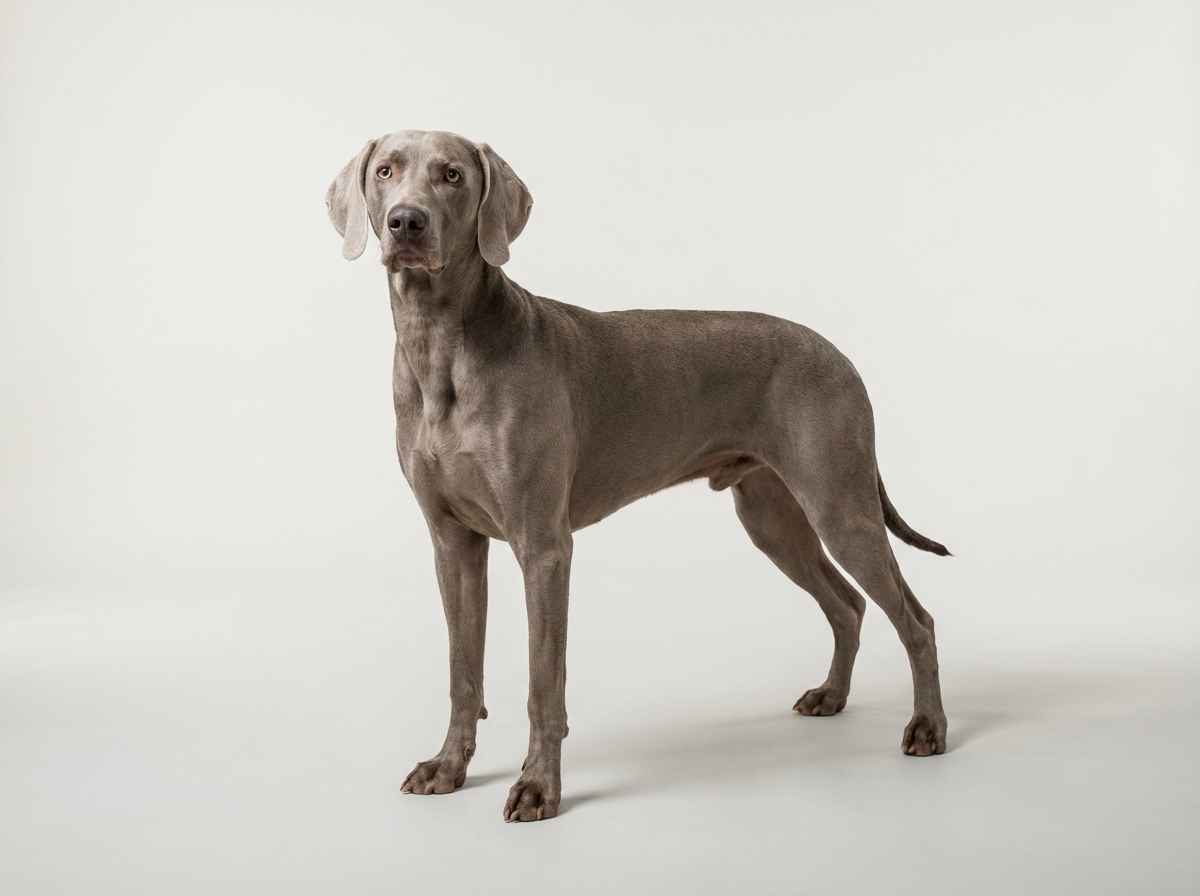
Breeds like the Weimaraner and Rhodesian Ridgeback are excellent for long-distance running due to their endurance and love for exercise. These dogs thrive on regular, vigorous activity and can keep pace over longer distances, making them great companions for serious runners.
How do I prepare my dog for running?
Start by ensuring your dog is in good health with a vet check. Gradually introduce them to running by beginning with short walks and slowly increasing the distance. Make sure to provide plenty of water and take breaks as needed to keep them comfortable during runs.
What size dog is best for running?
The best size dog for running depends on your preference and running style. Generally, medium to large breeds like Labrador Retrievers or German Shepherds are great for long-distance runs. Smaller breeds can also be good companions, but ensure they have the stamina for your running pace.
Can all dogs run long distances?
Not all dogs are suited for long-distance running. Breeds like Greyhounds and Border Collies excel in endurance, while brachycephalic breeds, like Bulldogs, may struggle due to breathing issues. It's essential to consider your dog's breed and health before taking them on long runs.
How do I train my dog to run with me?
Start by taking your dog on short walks and gradually increase the distance. Incorporate running intervals while keeping an eye on their energy levels. Use positive reinforcement, like treats or praise, to encourage them during training sessions.
What is the best time of day to run with my dog?
The best time to run with your dog is early morning or late evening when temperatures are cooler. Running during the heat of the day can be tough on your dog's paws and overall health. Always be mindful of the weather conditions to keep your furry friend safe.
What should I bring when running with my dog?
When running with your dog, consider bringing water for both of you, especially on hot days. A leash and harness are essential for safety, and some running bags have pockets for treats or waste bags. If you're running in a remote area, a small first-aid kit can be handy.
How can I tell if my dog is tired while running?
Watch for signs of fatigue like lagging behind, heavy panting, or reluctance to continue. If your dog starts to slow down or isn’t as enthusiastic, it’s time to take a break. Always listen to your dog’s cues to ensure they are comfortable and safe.
Are there specific dog breeds that are not suitable for running?
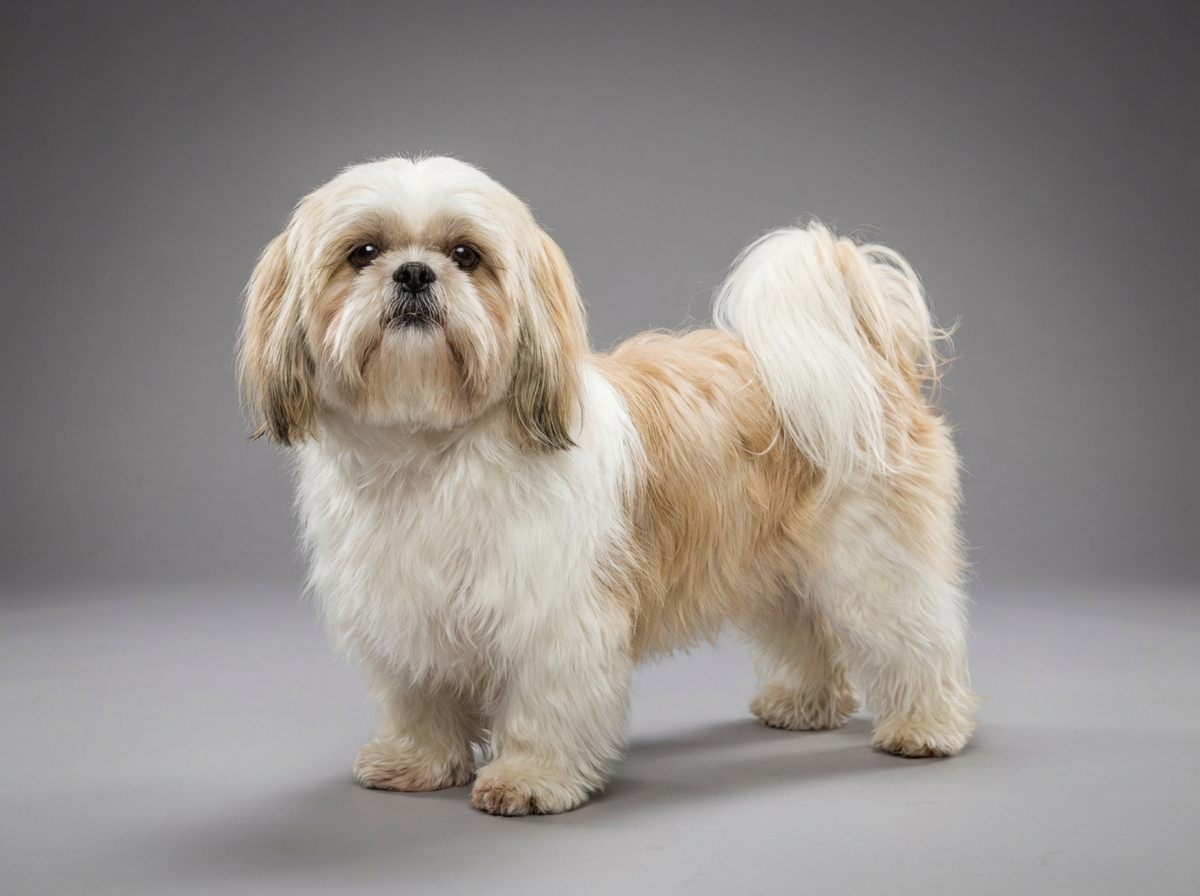
Yes, certain breeds are not suited for running due to their physical structure or health issues. Breeds like Pugs, Bulldogs, and Shih Tzus often have difficulty with strenuous exercise. It’s important to choose a breed that can handle the demands of running.

Quick answers
View more answersWhat is the best dog for jogging?
The best dog for jogging is often a breed with high stamina, like a Labrador Retriever or Vizsla, as they enjoy running and can keep up with active owners.
Can all dogs be good jogging companions?
Not all dogs are suited for jogging; breeds with high energy levels and good health are typically the best jogging companions.
Best dog for long distance running?
Breeds like the Weimaraner and German Shorthaired Pointer are excellent for long-distance running due to their endurance and athletic nature.
What health checks should I do before running with my dog?
Ensure your dog has a vet checkup to confirm they’re healthy enough for running, especially if they’re older or have pre-existing conditions.
What are the best breeds for running?
Some of the best dog breeds for running include Vizslas, Border Collies, and Labrador Retrievers. These breeds are known for their endurance and love for exercise.
How can I choose a good jogging companion?
Look for breeds with high energy levels and a strong desire to run. Consider their size and temperament to ensure they match your running style.
Related DogBreedCompass guides
- Best dog breeds for runners – Learn about breeds that excel in endurance and speed.
- Running dog cost breakdown – Understand the costs associated with owning an active dog.
- Behavior problems in running dogs – Explore potential behavior issues in active breeds.
- Training tips for running dogs – Find the best training tips for your running companion.
- Dog breed selector quiz – Get insight into the best dog breeds for your lifestyle.
Important reminder
This guide is not medical advice. If your dog shows pain, sudden behavior change, or worsening symptoms, consult a licensed veterinarian.
Some links may be affiliate links. We may earn a commission at no extra cost to you. We only suggest products we believe are helpful for dog owners.
Want more tailored help?
Take the Lifestyle Match quiz to see which breeds and guides best fit your day-to-day life.
Take the quizMore guides you might like

Best Breed for Single Active Guy in Apartment | DogBreedCompass

Shih Tzu vs Yorkshire Terrier: Which Small Dog is Right for You?

Pomeranian Cost in Salt Lake City: What to Expect

Pug vs Shih Tzu: Which Small Dog is Right for You?

Rottweiler vs Yorkshire Terrier: Which Is Right for You?

Rottweiler Rescue: Your Guide to Adoption
Find your match
Not sure which breed is right for you? Take our 2-minute quiz to find out.
Take the quiz