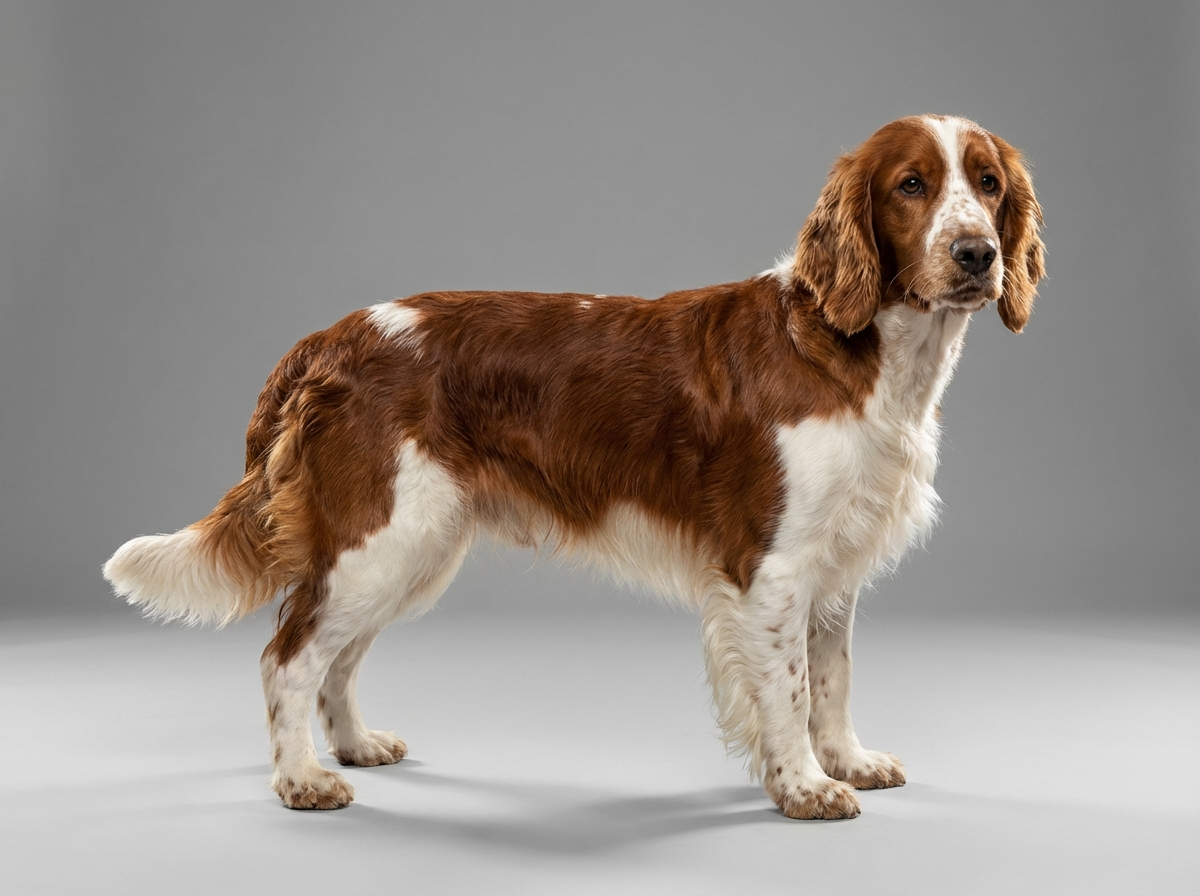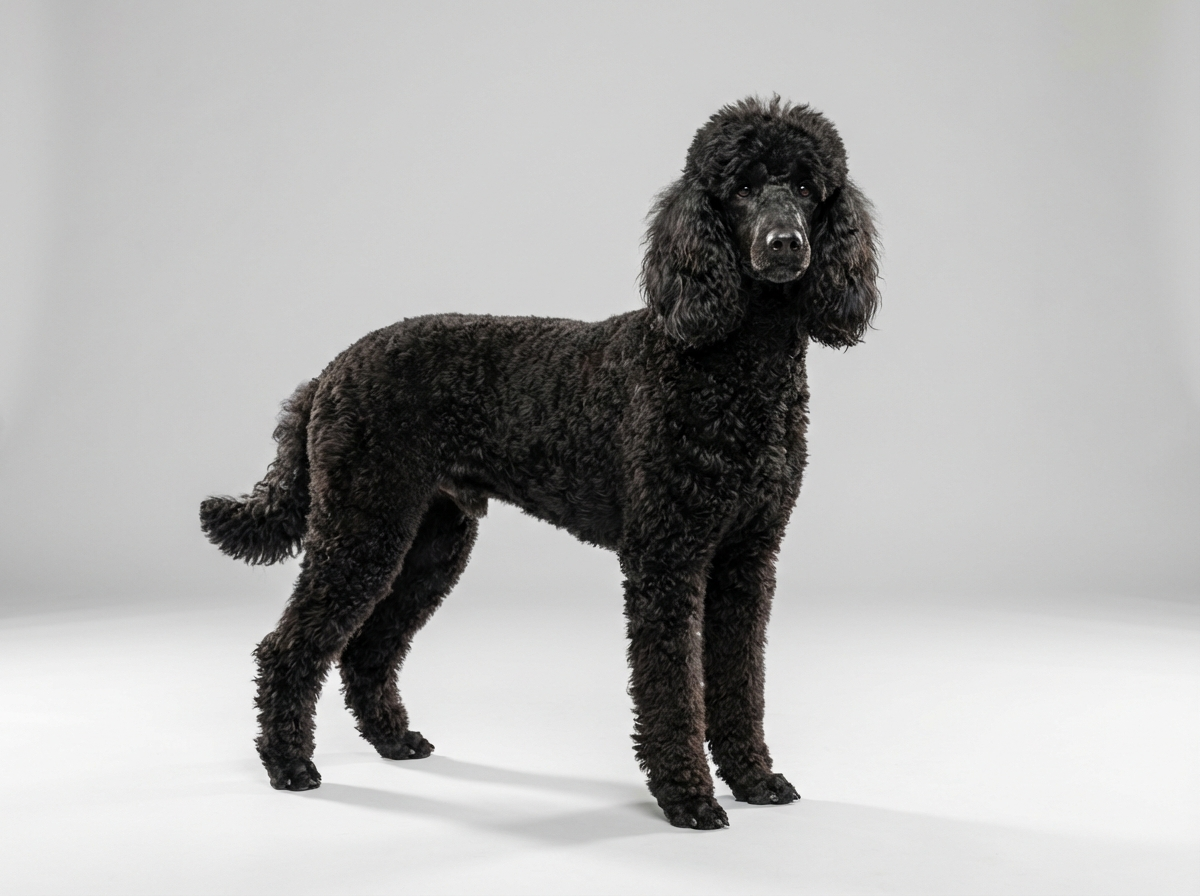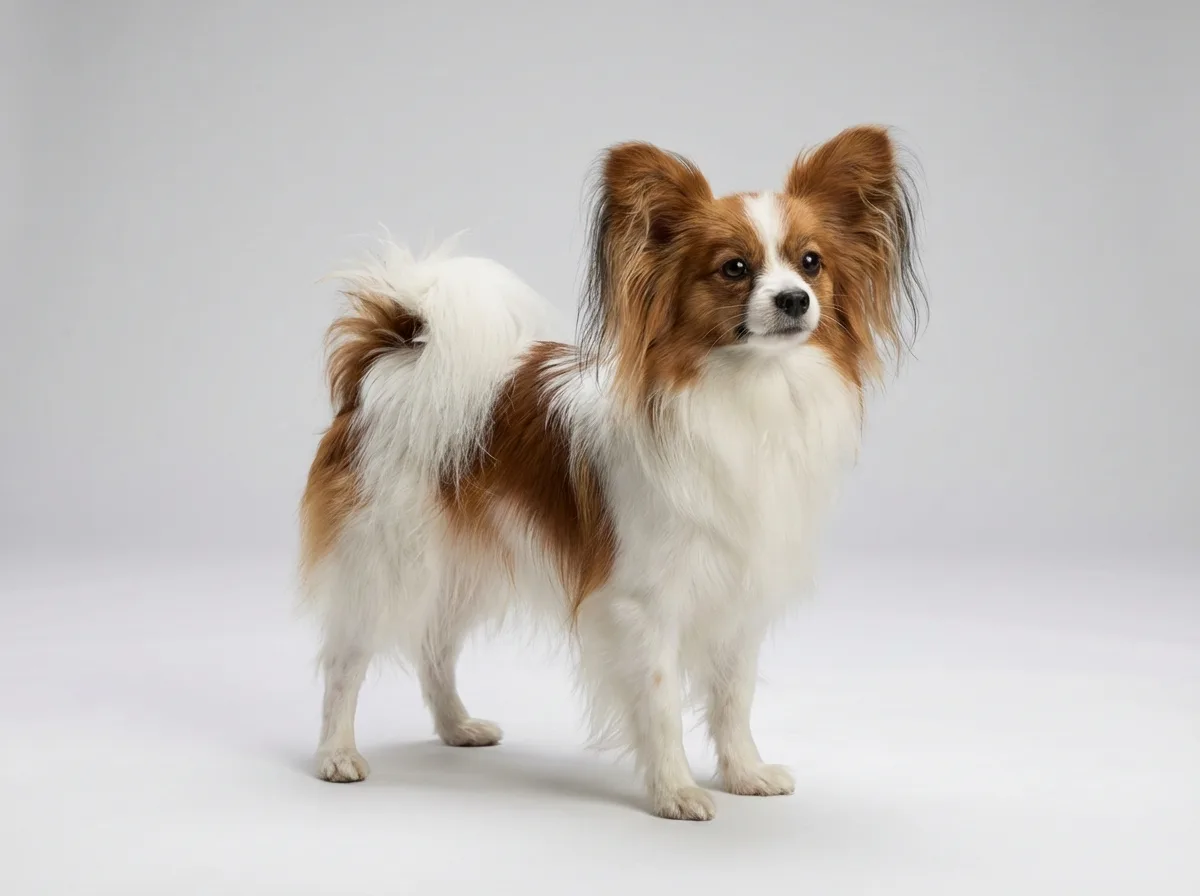
Best Dog Breeds for First Time Owners
Choosing the right dog breed as a first-time owner can be challenging. This guide highlights the best dog breeds for first time owners, focusing on friendly and easy-to-train options.
This guide is perfect for new dog owners or anyone considering their first pet. Whether you're a busy professional, a family with young kids, or someone living in a smaller space, you'll find practical advice here. It's aimed at individuals or families seeking a dog that fits seamlessly into their lives without excessive demands.
Many first-time owners underestimate the commitment of a new dog. Selecting the right breed is crucial, as it can lead to a happy relationship or a frustrating experience. By understanding which breeds are best for beginners, you can avoid common pitfalls and ensure a smoother transition into dog ownership.
Step-by-Step Plan for Choosing the Best Dog Breeds for First-Time Owners

- 1. Assess Your Lifestyle: Consider your daily routine, living situation, and activity level. Ask yourself how much time you can dedicate to training, exercise, and companionship.
- 2. Research Suitable Breeds: Look into beginner dogs known for their friendly nature and ease of training, such as Labrador Retrievers or Golden Retrievers. Make a list of breeds that appeal to you.
- 3. Evaluate Breed Characteristics: For each breed on your list, investigate their size, energy level, grooming needs, and temperament. This will help you identify low-maintenance starter dogs that fit your lifestyle.
- 4. Visit Local Shelters or Rescues: Spend some time with dogs at local shelters. Meeting different breeds and personalities can give you a better sense of what you want in a dog.
- 5. Consider Your Family: If you have children or other pets, think about how they will interact with a new dog. Look for breeds that are known to be good with kids and other animals.
- 6. Create a Dog Care Plan: Outline a basic plan for feeding, training, and exercising your new dog. This will help you stay organized and ensure you provide a loving home.
- 7. Budget for Expenses: Calculate the costs associated with dog ownership, including food, veterinary care, and supplies. Make sure you’re financially prepared for your new pet.
- 8. Prepare Your Home: Dog-proof your living space by removing hazards and creating a safe environment. Set up a designated area for your dog with a bed, toys, and food/water bowls.
- 9. Enroll in Training Classes: Find a local training class tailored for first-time dog owners. This will help you learn basic commands and how to manage your dog’s behavior effectively.
- 10. Commit to Your Decision: Once you’ve chosen a breed and prepared your home, be ready to commit to your new dog. Remember, adopting a dog is a long-term commitment that requires love and responsibility.
Why this helps
- ✓ Provides a structured approach to choosing the right dog.
- ✓ Encourages thorough research, ensuring a good fit.
- ✓ Helps prepare you for the responsibilities of dog ownership.
Watch out for
- ! Requires time and effort to follow each step.
- ! May involve emotional challenges when choosing or meeting dogs.
- ! Potentially overwhelming if too many breeds are considered.
Common Mistakes When Choosing the Best Dog Breeds for First-Time Owners

- Choosing a breed without considering energy levels
- Ignoring size and space requirements
- Underestimating training needs
- Neglecting health considerations
- Failing to research breed temperaments
- Not factoring in long-term costs
- Overlooking grooming needs
Common Myths About the Best Dog Breeds for First-Time Owners

- Myth: All small dogs are easy to manage.
- Myth: Any breed can be a good first dog.
- Myth: Puppies are easier than adult dogs.
- Myth: Mixed breeds are always healthier and better for beginners.
- Myth: You need a yard to have a dog.
Why this helps
- ✓ Understanding myths helps you choose the right breed.
- ✓ Focusing on facts allows for better preparation.
- ✓ Choosing the right breed can lead to a happier owner-dog relationship.
Watch out for
- ! Myths can lead to poor breed choices.
- ! Misunderstanding dog care can create frustration.
- ! Ignoring facts may increase the risk of behavioral issues.
Advanced Tips for Choosing the Best Dog Breeds for First-Time Owners
- Consider the dog's energy level
- Research breed-specific health issues
- Assess your living situation
- Think about grooming needs
- Evaluate your lifestyle and activity level
Why this helps
- ✓ Helps ensure a good match between the dog and your lifestyle
- ✓ Reduces the likelihood of health-related surprises
- ✓ Promotes a harmonious home environment
- ✓ Encourages better long-term care and ownership satisfaction
- ✓ Improves overall quality of life for both you and your dog
Watch out for
- ! Requires more research and time investment
- ! Can lead to indecision if too many factors are considered
- ! May uncover aspects that complicate your choice
How to Choose Dog Breeds for First-Time Owners
- Not all small dogs are low-energy: Breeds like the Papillon may be small but require significant exercise and mental stimulation.
- Consider the dog’s temperament: Friendly and easy-going breeds like Labrador Retrievers are often better suited for first-time owners.
- Age matters: Puppies need a lot of time and training, while adult dogs may already have established behaviors, making them easier to manage.
- Look for health clearances: Some breeds are more prone to specific health issues, so checking for health clearances can save you future vet bills.
- Training is key: Breeds known for being easy to train, such as Golden Retrievers, can make the transition smoother for new owners.
Why this helps
- ✓ Understanding energy levels helps match your lifestyle with the dog's needs.
- ✓ Choosing a friendly breed can lead to a more harmonious household.
- ✓ Adult dogs may require less training and adjustment time.
- ✓ Health clearances can lead to fewer unexpected costs down the line.
- ✓ Training can enhance the bond between the owner and the dog.
Watch out for
- ! Some small breeds may still require a lot of exercise, which can be misleading.
- ! Friendly breeds may also need socialization to maintain their temperament.
- ! Adults may come with unknown behavior issues that require patience to resolve.
- ! Health clearances can be hard to find or verify.
- ! Training can be time-consuming and requires consistency.
Checklist for Choosing the Best Dog Breeds for First-Time Owners
- Identify your lifestyle and daily routine.
- Consider your living space (apartment, house, yard size).
- Research dog breeds that match your activity level.
- Look for friendly, easy-to-train breeds like Labradors or Golden Retrievers.
- Evaluate grooming needs and maintenance levels of potential breeds.
- Think about allergy considerations if you or family members are sensitive.
- Determine your budget for initial costs (adoption, supplies) and ongoing expenses (food, vet care).
- Plan for proper training and socialization, either through classes or at home.
- Prepare your home with dog-proofing measures.
- Research local dog parks or pet-friendly areas for socialization.
Why this helps
- ✓ Helps streamline the dog selection process.
- ✓ Ensures compatibility with your lifestyle.
- ✓ Reduces the chance of adoption regret.
Watch out for
- ! May require additional research time.
- ! Not every breed fits every lifestyle perfectly.
- ! Adoption can be emotional and challenging if expectations aren't met.
Frequently asked questions
What are the best dog breeds for first-time owners?
Some of the best dog breeds for first-time owners include Labradors, Golden Retrievers, and Papillons. These breeds are generally friendly, easy to train, and adaptable to various living situations. They offer a good mix of companionship and manageable care needs. This answer relates to best dog breeds for first time owners.
Easiest dog for a beginner?
The easiest dog for a beginner is often the Labrador Retriever. They are known for their friendly nature, intelligence, and eagerness to please. This makes them a great choice for new dog owners who may be learning the ropes.
What dog is best for a family first pet?
For families looking for their first pet, Golden Retrievers stand out as an excellent option. They are gentle, patient, and highly social, making them great companions for children and a wonderful addition to any family.
What are some low maintenance starter dogs?
Low maintenance starter dogs include breeds like the Beagle and the French Bulldog. These dogs typically require less grooming and exercise than others, making them easier for first-time owners to manage while still providing companionship.
Can you recommend any friendly first dogs?
Certainly! Breeds like the Cavalier King Charles Spaniel and the Bichon Frise are known for their friendly dispositions. They are affectionate and tend to get along well with both children and adults, making them ideal for first-time dog owners.
What is the easiest dog for a beginner to train?
Labrador Retrievers are often considered one of the easiest dog breeds for beginners. They are eager to please, highly trainable, and very friendly. Their intelligence and willingness to learn make them a top choice for first-time owners.
Are there low maintenance starter dogs?
Yes, breeds like the Papillon and Bulldog are known for being low maintenance. They require less exercise compared to more active breeds and have grooming needs that are relatively simple. These characteristics make them suitable for first-time dog owners who may have busy lifestyles.
What should I consider when choosing a dog as a first-time owner?
Consider your living situation, activity level, and family dynamics. Some breeds require more space and exercise, while others are more adaptable to smaller homes. It's also important to think about grooming needs and temperament to find a breed that fits your lifestyle.
Can I adopt a mixed breed as a first dog?
Absolutely! Mixed breed dogs can be fantastic first pets. They often combine the best traits of their parent breeds and can be less prone to certain genetic conditions. Just make sure to assess their temperament and energy level to ensure they match your lifestyle.
What age is best to adopt a dog for first-time owners?
Puppies can be a lot of fun, but they require significant time and training. Many first-time owners find that adopting a dog between 1-3 years old strikes a good balance, as they are often calmer and may already have some training. Older dogs can be great companions and often need homes just as much as puppies.
Are there specific breeds that are prone to anxiety?
Yes, some breeds are more prone to anxiety than others. Breeds like Border Collies and German Shepherds can develop anxiety if not properly exercised or stimulated. It's essential to research breed characteristics and ensure that you can meet their needs to avoid behavioral issues.
Quick answers
View more answersBest first dogs?
Labrador Retrievers and Golden Retrievers are among the best first dogs due to their friendly nature and ease of training.
What are beginner breeds?
Beginner breeds include Labrador Retrievers, Golden Retrievers, and Papillons, all known for their trainability and friendly temperaments.
What are easy care pets?
Easy care pets often include breeds like Beagles and French Bulldogs, which require minimal grooming and exercise, making them great for first-time owners.
What dog is best for a family first pet?
Labrador Retrievers are often recommended because they're friendly and adaptable, making them great family pets.
Easiest dog for a beginner?
Golden Retrievers are known for their friendly nature and ease of training, making them ideal for first-time owners.
Related DogBreedCompass guides
- Labrador Retriever guide – Learn more about a popular choice for first-time owners.
- Golden Retriever overview – Discover why Golden Retrievers are great starter pets.
- Papillon breed details – See if a Papillon fits your lifestyle.
- Cost of owning a Labrador Retriever – Understand the costs associated with beginner dogs.
- Training tips for new dog owners – Find tips for training your first dog.
Important reminder
This guide is not medical advice. If your dog shows pain, sudden behavior change, or worsening symptoms, consult a licensed veterinarian.
Some links may be affiliate links. We may earn a commission at no extra cost to you. We only suggest products we believe are helpful for dog owners.
Want more tailored help?
Take the Lifestyle Match quiz to see which breeds and guides best fit your day-to-day life.
Take the quizMore guides you might like

Siberian Husky vs Weimaraner: Which Dog is Right for You?

Best Dog for Hot Climates: A Breed Comparison Guide

Yorkshire Terrier Cost in Sioux Falls: What to Expect

Best Dogs for Active & Athletic Families: High-Energy Breeds Ranked

Best Dog Breeds for Families With Young Children: Gentle, Patient & Safe

Best Dogs for Busy Professionals: Independent Breeds That Handle Alone Time
Find your match
Not sure which breed is right for you? Take our 2-minute quiz to find out.
Take the quiz