Behavior
What are some quick tips for Poodle anxiety?
Some quick tips for Poodle anxiety include creating a safe space, using calming aids, and ensuring regular exercise. Consistency in routine can also help your Poodle feel more secure.

Quick answer
What are some quick tips for Poodle anxiety?
Some quick tips for Poodle anxiety include creating a safe space, using calming aids, and ensuring regular exercise. Consistency in routine can also help your Poodle feel more secure.
Poodle anxiety can affect your dog's happiness and behavior significantly.
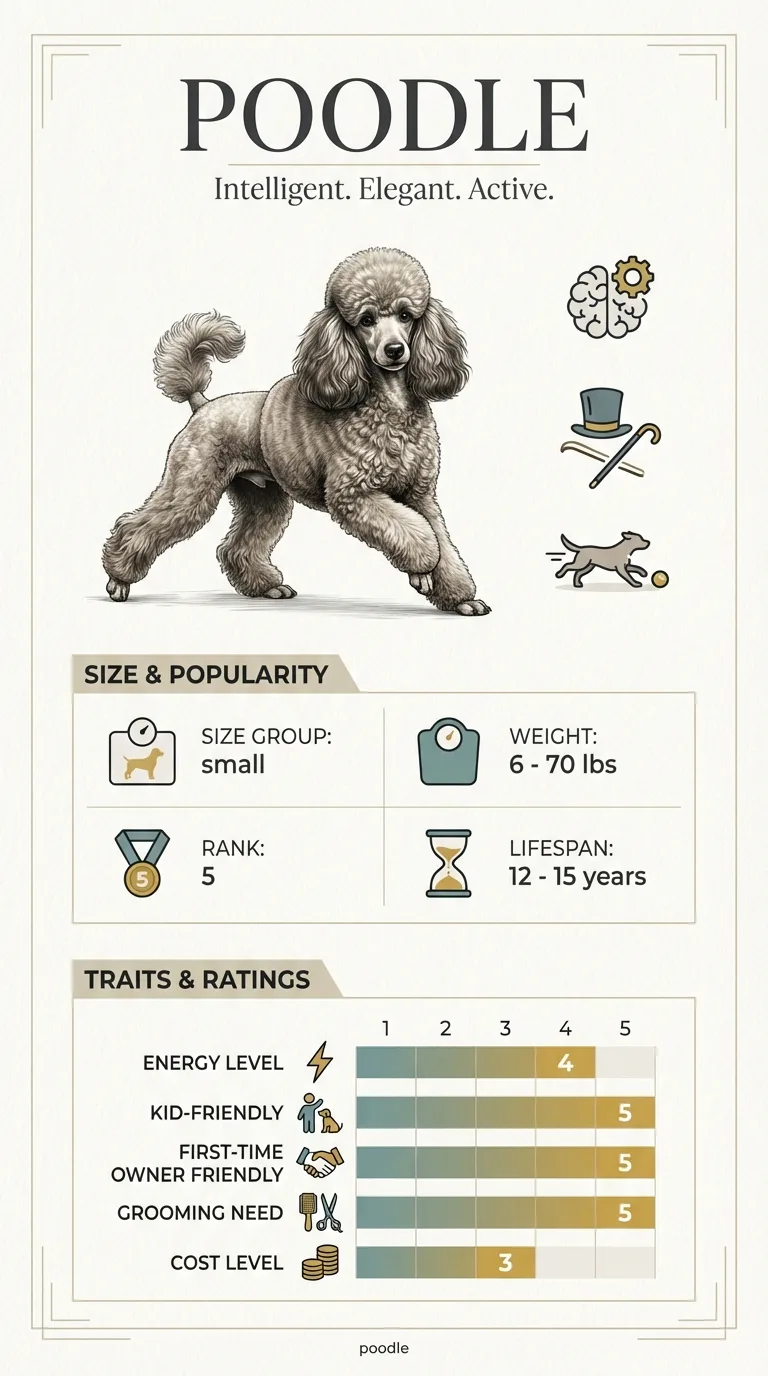
This guide is for Poodle owners who notice their dogs struggling with anxiety and want practical tips for training and support.
Poodle anxiety often shows up as a mix of nervous behaviors and stress responses. Daily, you might notice your Poodle pacing, whining, or hiding when they feel uneasy. This anxiety can lead to destructive behaviors if not addressed.
If your Poodle's anxiety persists despite at-home strategies, consider enrolling in training classes focused on behavior modification. A professional trainer can help guide you in using specific techniques tailored to your dog's needs.
If your Poodle shows severe anxiety symptoms, such as excessive barking, destructive behavior, or signs of physical distress, it's important to consult a vet or a certified behaviorist. They can help rule out medical issues and suggest appropriate treatment options.
There are various tools and products designed to help manage Poodle anxiety effectively. These can support both training and comfort for your pup.
Adjusting your daily routine can help alleviate Poodle anxiety. Start by creating a consistent schedule that includes regular exercise. Poodles are energetic and need daily activity to stay calm and happy.
Aim for at least an hour of exercise, which can include walks, playtime, or agility training.
Consider your alone-time windows as well. Poodles can experience separation anxiety, so gradually increase the time they spend alone. Start with short periods and slowly extend them, rewarding your Poodle for being calm.
This helps them build confidence when you're not home.
Incorporate calming household routines too. For example, try playing soothing music or using a calming diffuser during times when your Poodle might feel anxious. Also, establish a designated quiet space filled with their favorite toys and blankets where they can retreat when feeling overwhelmed.
These small changes can make a big difference in managing Poodle anxiety.
Tracking progress in your Poodle’s anxiety can be encouraging and insightful. Look for small 'micro-wins' like your Poodle spending more time relaxed in their favorite spot or responding positively during training sessions. These signs may seem minor, but they indicate that your efforts are making a difference.
However, setbacks are a normal part of the process. If your Poodle suddenly becomes more anxious after a change in routine or environment, don’t be discouraged. Recognizing these moments as part of the journey can help you stay focused on the long-term goal.
As you monitor your Poodle's behavior, note any improvements in their responses to triggers. For example, if they used to bark excessively at strangers but are now calmer, that’s a good sign. If your Poodle shows consistent progress, you may be ready to expand their exposure to new situations.
If not, consider revisiting your training plan or consulting a professional for additional strategies.

Sarah, a busy nurse in Chicago, noticed that her Poodle, Bella, was becoming increasingly anxious whenever she left for work. Bella would bark excessively and chew on furniture, which only added to Sarah's stress. Initially, Sarah tried leaving Bella with toys and treats, but it wasn't enough to calm her down. After researching Poodle anxiety, she decided to seek help from a local dog trainer who specialized in anxiety issues. They worked together on training techniques, including gradual desensitization to Sarah's departures and reinforcing calm behavior. With consistent practice and patience, Bella's anxiety improved significantly. Now, when Sarah leaves, Bella settles down with her favorite blanket instead of panicking.
Key takeaway: If your Poodle shows signs of anxiety, addressing the issue early with training and professional help can lead to a happier, calmer dog.
Poodle anxiety can stem from various factors, including genetics, early life experiences, and environmental changes. Common triggers are loud noises, being left alone, or changes in the household. Understanding your Poodle's specific triggers can help you address their anxiety effectively.
Signs of Poodle anxiety include excessive barking, destructive behavior, restlessness, and clinginess. You may also notice physical signs like trembling or hiding. Observing these behaviors can help you determine if your Poodle is feeling anxious.
To stop Poodle anxiety, consider using a combination of training, behavioral modifications, and creating a calming environment. Techniques such as desensitization and positive reinforcement can be effective. Always be patient, as it may take time for your Poodle to adjust.
Yes, Poodle anxiety training can be very effective when done properly. Focus on gentle training methods that promote confidence and security. Consistency and patience are key to helping your Poodle feel more at ease.
If your Poodle's anxiety is severe or worsening, it's best to consult a vet. They can rule out any medical issues and recommend professional help, such as a dog behaviorist or medication if necessary. Early intervention can make a significant difference.
Older Poodles may develop anxiety due to changes in their health or environment. It's crucial to maintain a consistent routine, offer comfort items like a favorite blanket, and consult your vet for appropriate calming strategies.
When managing anxiety in multiple Poodles, it's important to give each dog individual attention. Create separate safe spaces for each dog, and use positive reinforcement training techniques to encourage calm behavior during stressful situations.
Yes, travel can trigger anxiety in Poodles due to unfamiliar environments and changes in routine. To help your Poodle feel secure, bring familiar items like their bed or toys, and consider short practice trips to acclimate them to new surroundings.
Poodles may be sensitive to loud noises, including thunderstorms, which can create anxiety. Providing a safe, quiet space and using calming aids, such as anxiety wraps or pheromone diffusers, can help soothe your Poodle during these stressful times.
For quick relief from Poodle anxiety, establish a calming routine, engage in regular exercise, and use interactive toys to distract them. Training sessions can also help build confidence and reduce anxious behaviors over time.
Some quick tips for Poodle anxiety include creating a safe space, using calming aids, and ensuring regular exercise. Consistency in routine can also help your Poodle feel more secure.
To help your Poodle with separation anxiety, gradually accustom them to being alone for short periods. Use puzzle toys or calming music to distract them during your absence.
Yes, there are various products like anxiety wraps, calming treats, and pheromone diffusers that can help soothe anxious Poodles. These can be a great addition to your training efforts.
Anxiety and pain look alike from the outside. Get the prep sheet for this breed's separation-anxiety page and take it to the vet.
You get: Vet visit prep sheet
No spam. One-click unsubscribe. See our privacy policy.
Preview page 1 before you decide.
This guide is not medical advice. If your dog shows pain, sudden behavior change, or worsening symptoms, consult a licensed veterinarian.
Some links may be affiliate links. We may earn a commission at no extra cost to you. We only suggest products we believe are helpful for dog owners.
We research and check what we publish, but we do not warrant that any figure, date, price, or statement is accurate, complete, or current, and we accept no liability for any loss, cost, injury, or other harm arising from the use of this site. Use it as one reference among several. You remain responsible for your own decisions and for your dog's care - confirm anything that matters with a licensed veterinarian or another qualified professional before you act on it. Full disclaimer.
Not sure which breed is right for you? Take our 2-minute quiz to find out.
Take the quiz