Behavior
What is a quick tip for managing Vizsla progressive retinal atrophy (pra-rcd3)?
Keep your home environment consistent and free of obstacles to help your Vizsla navigate safely.
Vizsla progressive retinal atrophy (PRA-RCD3) is a serious health issue that leads to vision loss in these loyal dogs. It's essential for owners to recognize the signs early and seek help.
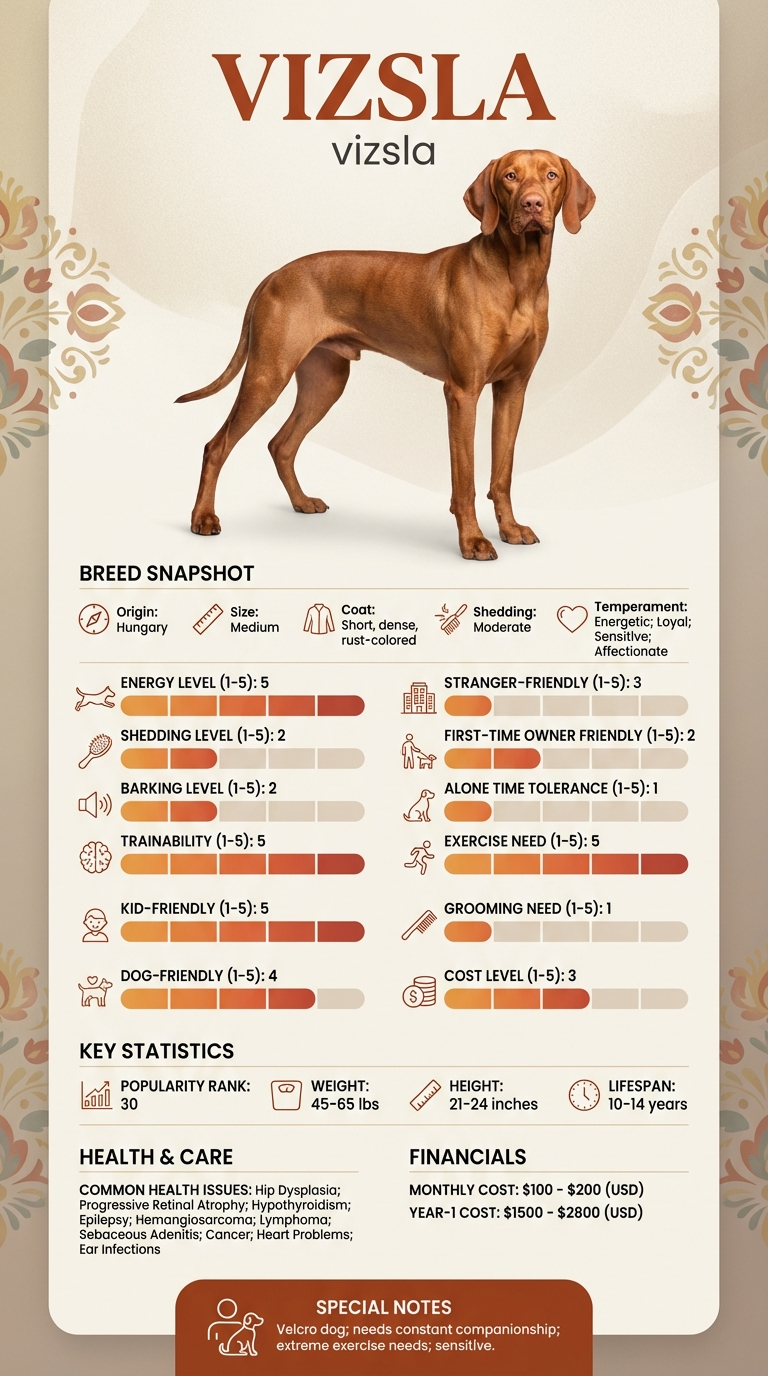
Typical owners facing this problem are those who love their Vizslas deeply but may not know how to manage the implications of their dog's vision loss. This includes families, active individuals, and first-time pet owners who want to ensure a happy life for their furry friend.
This guide is not medical advice. If your dog shows pain, sudden behavior change, or worsening symptoms, consult a licensed veterinarian.
Some links may be affiliate links. We may earn a commission at no extra cost to you. We only suggest products we believe are helpful for dog owners.
Vizsla progressive retinal atrophy (pra-rcd3) is a genetic condition that leads to gradual vision loss. This often appears as the dog struggling to see in low light or bumping into objects. Owners may notice their Vizsla becoming hesitant in unfamiliar places or showing signs of anxiety when navigating around the home.
This condition is relatively common in Vizslas, particularly as they age. While not every Vizsla will develop pra-rcd3, it's important for owners to monitor their dog's vision and seek veterinary guidance if they notice changes.
Vizslas are prone to progressive retinal atrophy (PRA-rcd3) due to genetic factors. This condition is inherited and can cause gradual vision loss. Since the breed is known for its sensitivity, these dogs may react strongly to changes in their vision.
Environmental factors can also play a role in vision issues. Poor lighting conditions or a cluttered living space may exacerbate a Vizsla's challenges with sight. Keeping their environment safe and familiar is essential to help them navigate their surroundings.
If your Vizsla shows signs of anxiety or fear due to their vision loss, a professional trainer can help. Trainers experienced with dogs facing similar challenges can teach you techniques to support your dog’s confidence and coping strategies.
Consult a vet if you notice significant changes in your Vizsla's behavior or if they struggle to navigate familiar environments. Early intervention can help manage their condition and improve their quality of life.
You can expect to see signs of progressive retinal atrophy (PRA-rcd3) develop gradually, typically over a few months to a couple of years. Early detection is key, so regular vet check-ups are essential.
Success means managing your Vizsla's condition effectively, allowing them to adapt to changes in vision and maintaining a good quality of life. This may involve creating a safe home environment and using training techniques to help them navigate.
Avoiding these common mistakes can help manage your Vizsla's progressive retinal atrophy (PRA-rcd3) more effectively.
Understanding when Vizsla progressive retinal atrophy (PRA-rcd3) becomes an emergency can help you act quickly. There are specific red flags that signal you should call your vet immediately. These include sudden changes in your Vizsla's behavior, such as bumping into objects, hesitating to navigate familiar spaces, or signs of extreme anxiety and confusion. If your dog appears to be in pain or is excessively vocal, these are also critical signs that require urgent attention.
On the other hand, there are milder symptoms of PRA-rcd3 that you can monitor over time. If your Vizsla shows some difficulty seeing in low light but is otherwise healthy, you might choose to watch and wait. Keep a close eye on their overall behavior and appetite. If they seem stable, you can discuss a monitoring plan with your vet. Regular check-ups can help track any changes in their vision and overall health.
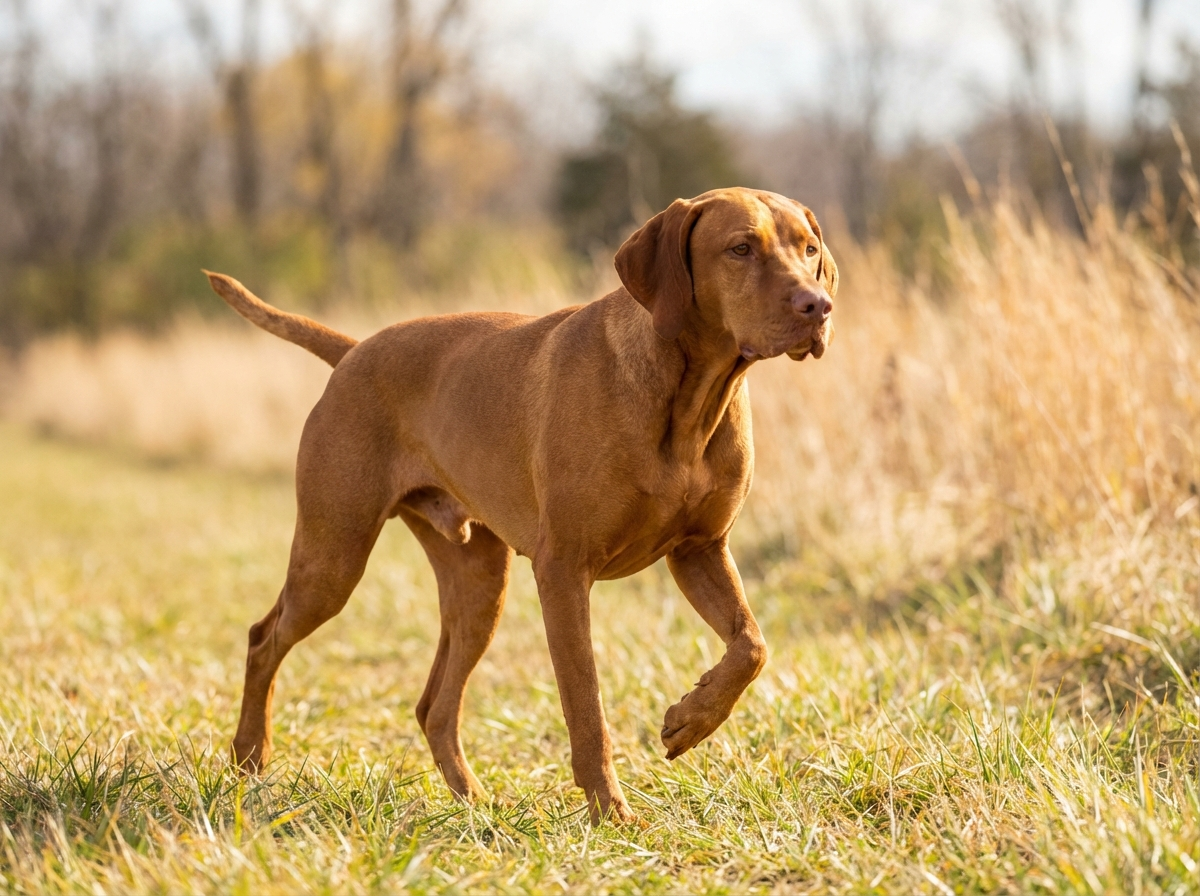
Mia, a busy nurse in Denver, noticed her Vizsla, Leo, was bumping into furniture more often. After a vet visit, she learned Leo had progressive retinal atrophy (PRA-rcd3). Feeling overwhelmed, Mia researched ways to help him adjust. She set up obstacle courses at home and used verbal cues to assist Leo in moving around safely. Over time, Leo adapted well, and Mia found joy in their new routines together.
Key takeaway: With patience and the right support, you can help your Vizsla adjust to vision loss, turning challenges into bonding opportunities.
Vizsla progressive retinal atrophy (pra-rcd3) is a genetic condition that leads to gradual vision loss in Vizslas. It's caused by the degeneration of the retina, which can significantly affect their quality of life.
This condition is hereditary, meaning it can be passed down from parent to puppy. If your Vizsla is diagnosed, it's likely due to inherited genes that cause this retinal degeneration.
To support your Vizsla, keep their environment consistent and safe. Use verbal cues to guide them and consider using non-slip mats to prevent falls as their vision deteriorates.
Unfortunately, there is no cure for progressive retinal atrophy (pra-rcd3). However, regular vet check-ups can help monitor your dog's condition and manage any secondary issues that arise.
Early signs include difficulty seeing in low light, bumping into objects, and hesitance when navigating. As the condition progresses, these issues will become more pronounced.
Yes, training can be beneficial. Focus on voice commands and tactile cues to help your Vizsla navigate their surroundings safely and confidently, even as their vision declines.
If you notice signs of vision loss, schedule a visit with your veterinarian promptly. They can provide a diagnosis and guide you on the best steps to take.
Early signs of PRA-rcd3 in Vizslas can include difficulty seeing in low light, bumping into furniture, or hesitance to navigate familiar environments. Owners might notice their dog seems less responsive to visual cues or starts to avoid stairs. If you suspect any vision changes, it's essential to consult your vet.
While PRA-rcd3 typically progresses over time, older Vizslas may show symptoms more rapidly due to other age-related health issues. The combined effects of aging can exacerbate the challenges of losing vision. If your older Vizsla shows sudden changes in behavior, seek veterinary advice promptly.
To help your Vizsla cope with PRA-rcd3, create a familiar environment by keeping furniture in the same place and using tactile cues. Training commands that focus on sound and touch can also be beneficial. Regular vet check-ups can help monitor their condition and adjust care as needed.
Yes, genetic testing is available for PRA-rcd3 in Vizslas. This test can help determine if your dog is a carrier or affected by the condition. If you're considering breeding, testing can guide responsible decisions to reduce the risk of passing PRA-rcd3 to future generations.
If you notice any changes in your Vizsla's vision or behavior, such as bumping into objects or being hesitant to move, you should consult a vet. Early intervention can often help manage the condition and improve your dog's quality of life. Regular eye exams are also recommended for dogs at risk of PRA-rcd3.
Keep your home environment consistent and free of obstacles to help your Vizsla navigate safely.
Use voice commands and tactile cues to guide your Vizsla, reinforcing positive behavior with treats.
Yes, this genetic condition is relatively common in the breed, so it's essential to be aware of it.
Expect to spend between $100 to $200 monthly on care, including vet visits and special needs.
Provide plenty of love, attention, and patience as they adjust to their vision loss.