Behavior
What are quick tips for dealing with gdv/bloat in Vizslas?
Feed smaller, more frequent meals and use slow feeder bowls to help prevent gdv/bloat in your Vizsla.
Vizsla gastric dilatation-volvulus (GDV/bloat) is a serious, life-threatening condition that can affect your dog.
Owners of Vizslas, especially those with high-energy dogs, need to be particularly vigilant. Busy families or first-time dog owners may struggle to notice the early symptoms, which can lead to severe consequences.
This guide is not medical advice. If your dog shows pain, sudden behavior change, or worsening symptoms, consult a licensed veterinarian.
Some links may be affiliate links. We may earn a commission at no extra cost to you. We only suggest products we believe are helpful for dog owners.
Vizsla gastric dilatation-volvulus (GDV/bloat) is a serious and potentially life-threatening condition that can cause a dog's stomach to twist. This often leads to rapid swelling and can cut off blood supply, resulting in shock or death if not treated immediately. Day-to-day, a Vizsla experiencing this problem may exhibit signs of restlessness, pacing, or an inability to settle down, often accompanied by a distended abdomen.
While gastric dilatation-volvulus (GDV/bloat) can affect any dog, Vizslas are at a higher risk compared to some other breeds. Many owners of Vizslas report experiences with GDV, especially if their dog has a history of eating issues or stress.
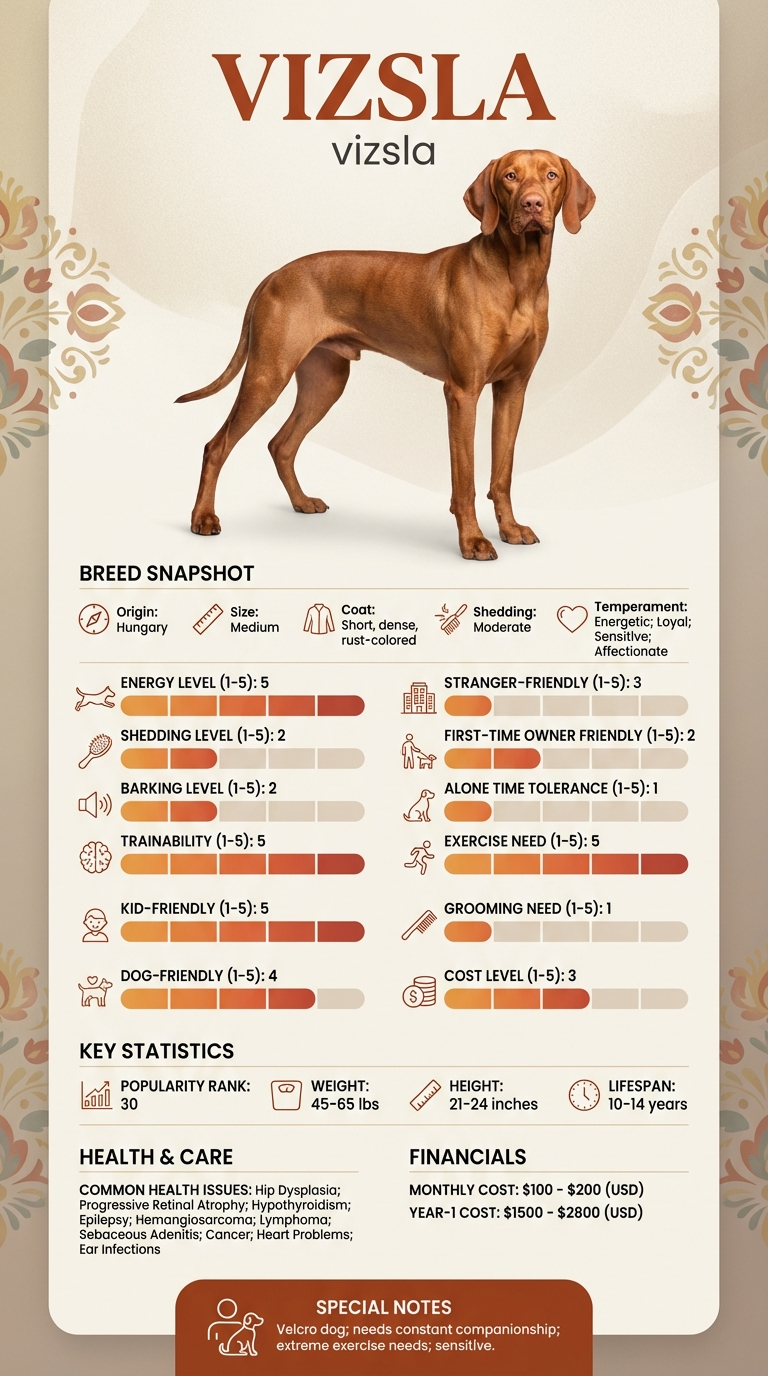
The Vizsla is a medium-sized breed known for its high energy and affectionate nature. Their deep chest and unique anatomy make them prone to gastric dilatation-volvulus (GDV), also known as bloat. This condition is often exacerbated by their fast eating habits, which can introduce excess air into their stomachs.
Environmental factors can also trigger GDV. Stressful situations, such as loud noises or changes in routine, can lead to anxiety and rapid eating. Additionally, feeding practices, like giving large meals at once or engaging in vigorous exercise right after eating, can increase the risk of this dangerous condition.
If your Vizsla shows signs of anxiety that lead to rapid eating or other concerning behaviors, consider consulting a dog trainer. A professional can help you implement training techniques to calm your dog and change their eating habits.
If your Vizsla exhibits symptoms of GDV, such as a swollen abdomen, excessive drooling, or attempts to vomit without success, contact your vet immediately. GDV is a life-threatening emergency that requires prompt medical attention.
Addressing Vizsla gastric dilatation-volvulus (GDV/bloat) typically requires immediate veterinary intervention. After treatment, ongoing management may take several weeks to ensure your dog remains healthy and stable.
Success means your Vizsla recovers fully from the immediate crisis and you have a solid plan to reduce future risks, including dietary changes and understanding signs of distress.
Here are some common mistakes that can worsen Vizsla gastric dilatation-volvulus (GDV/bloat) and what you can do instead to help your pup.
Gastric dilatation-volvulus, or GDV/bloat, is a serious condition that can affect Vizslas. It's essential to recognize when it becomes an emergency. If your dog shows any signs of distress, such as a swollen abdomen, excessive drooling, or attempts to vomit without success, you need to call your vet immediately. These symptoms can indicate that their stomach is twisted, which can quickly become life-threatening.
Other red flags include rapid breathing, restlessness, or signs of shock like pale gums or collapse. If you notice these symptoms, don’t hesitate. Get your Vizsla to a vet right away. On the other hand, if your Vizsla is experiencing mild bloating without severe distress, you can monitor them for a short period. Keep an eye on their behavior, appetite, and energy levels. If they don't improve within a few hours, it's best to consult your vet for advice.
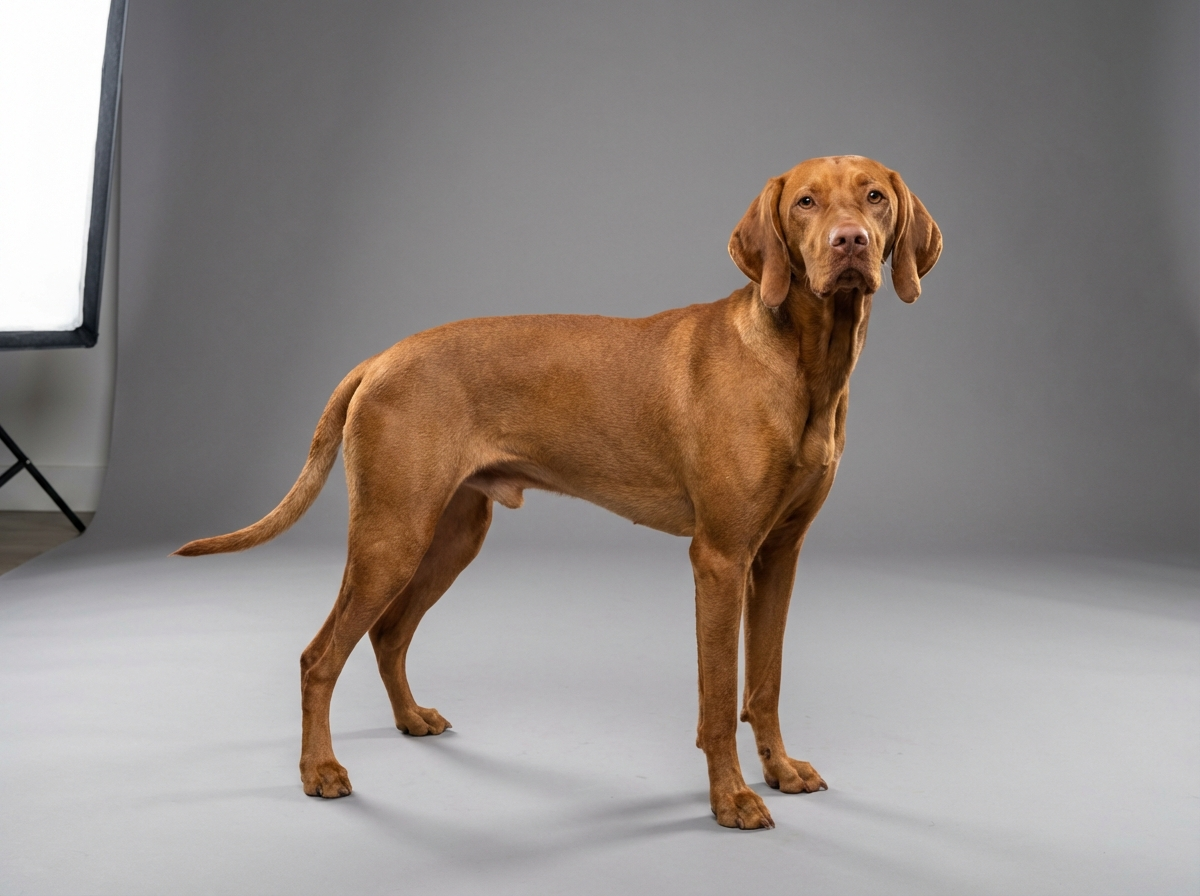
When Sarah, a first-time dog owner, noticed her Vizsla Max pacing and drooling, she initially thought he was just anxious. However, as the night progressed, Max's abdomen became visibly swollen. Sarah quickly rushed him to the emergency vet, where he was diagnosed with gastric dilatation-volvulus (GDV). After a successful surgery and following the vet's advice on feeding smaller, more frequent meals, Max returned to his energetic self. Now, Sarah is vigilant about Max's diet and has learned to spot the early signs of potential problems.
Key takeaway: Understanding the signs of Vizsla gastric dilatation-volvulus (GDV/bloat) can save your dog's life. Quick action and proper management are crucial.
Vizsla gastric dilatation-volvulus (gdv/bloat) is a serious, life-threatening condition where the stomach fills with gas and twists on itself. This can lead to reduced blood flow and can be fatal if not treated immediately. It's vital to recognize the signs early.
Common symptoms of gdv/bloat include a swollen abdomen, excessive drooling, restlessness, rapid breathing, and attempts to vomit without producing anything. If you notice these signs, seek veterinary care immediately, as this condition can escalate quickly.
Gastric dilatation-volvulus (gdv/bloat) can occur due to a variety of factors, including eating too quickly, exercising right after meals, or genetic predisposition. Understanding these triggers can help you prevent this condition in your Vizsla.
To prevent gdv/bloat, feed your Vizsla smaller meals more frequently and consider using a slow feeder bowl. Avoid vigorous exercise immediately after meals and monitor their eating habits closely to reduce the risk.
If you suspect your Vizsla has gastric dilatation-volvulus (gdv/bloat), take them to the vet immediately. Time is critical, as this condition can worsen rapidly and requires urgent medical intervention.
Treatment for gastric dilatation-volvulus (gdv/bloat) typically involves emergency surgery to untwist the stomach and relieve pressure. Post-surgery, your dog may need to stay in the hospital for monitoring and recovery.
Signs of anxiety in your Vizsla may include pacing, whining, or excessive drooling. If you notice these behaviors, especially during or after meals, it may indicate discomfort and should be addressed with your vet.
Early signs of GDV in Vizslas include restlessness, swollen abdomen, and attempts to vomit without success. You might also notice your dog pacing or looking uncomfortable. If you see these symptoms, it's crucial to seek veterinary care immediately.
Yes, older Vizslas can be at increased risk for GDV, especially if they have a history of eating quickly or have undergone previous abdominal surgeries. It's important to monitor their eating habits and consult with your vet about preventive measures if your dog is older.
To help prevent GDV in your Vizsla, feed smaller, more frequent meals rather than one large meal. Additionally, discourage vigorous exercise immediately after eating. Using slow feeder bowls can also help reduce the risk by slowing down their eating.
If your Vizsla shows signs of GDV, it's critical to act fast. Take your dog to an emergency vet immediately, as this condition can be fatal within hours. Do not attempt to treat GDV at home; professional veterinary intervention is necessary.
Some studies suggest that dry kibble with high fat content or certain fillers can contribute to GDV in susceptible breeds like Vizslas. It's best to consult your veterinarian for dietary recommendations that suit your dog's specific needs and help minimize the risk of GDV.
Feed smaller, more frequent meals and use slow feeder bowls to help prevent gdv/bloat in your Vizsla.
If your Vizsla has a swollen belly or is trying to vomit, seek immediate veterinary help to address potential gdv/bloat.
After treatment, ensure your Vizsla has a quiet, comfortable space to recover and follow your vet's advice on diet and exercise.
Treating gdv/bloat can be expensive, typically ranging from $1,500 to $3,000, depending on the severity and required care.