Behavior
What should I do if my Vizsla collapses during exercise?
If your Vizsla collapses, ensure they are in a cool, shaded area, and offer water. Contact your vet immediately for an assessment.

Quick answer
What should I do if my Vizsla collapses during exercise?
If your Vizsla collapses, ensure they are in a cool, shaded area, and offer water. Contact your vet immediately for an assessment.
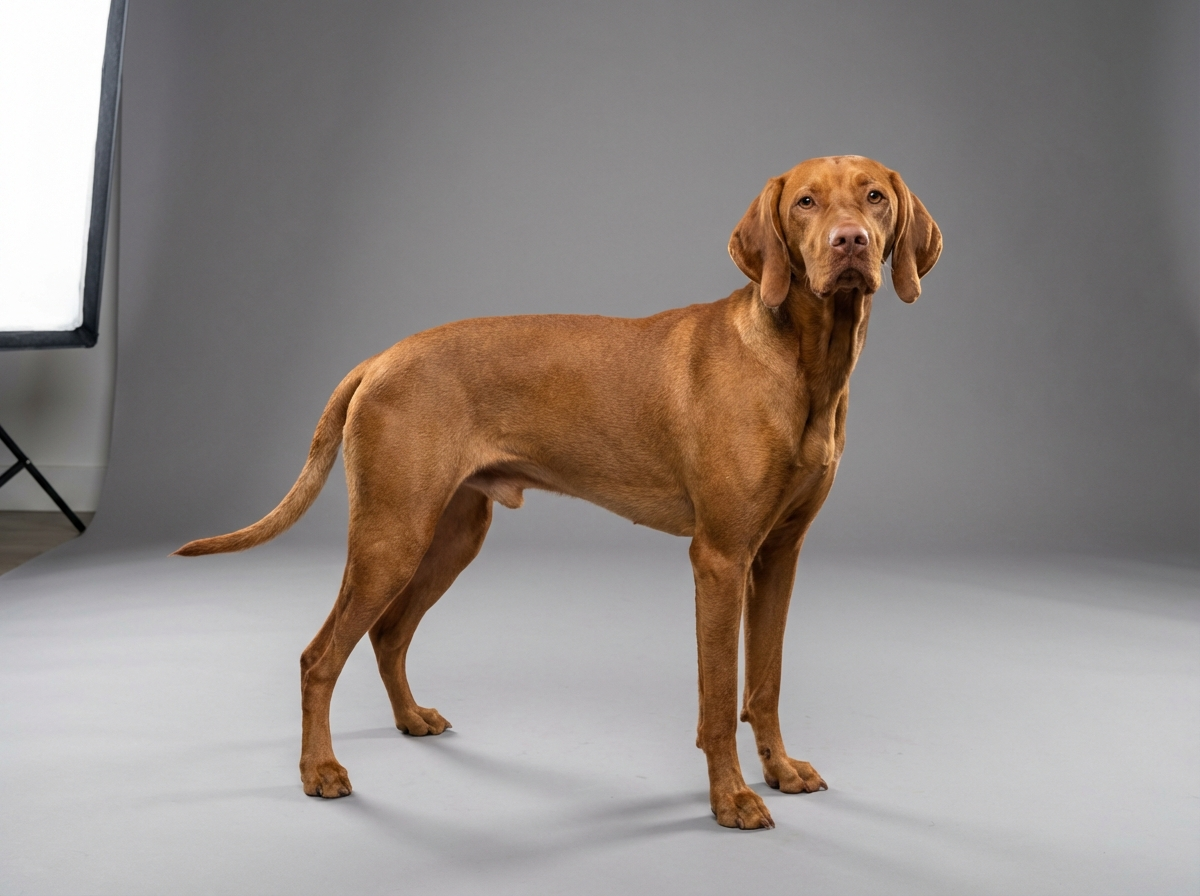
Vizsla exercise-induced collapse (EIC) is a serious condition that can cause your dog to suddenly collapse during or after exercise. It's crucial for owners to recognize the symptoms and know how to respond.
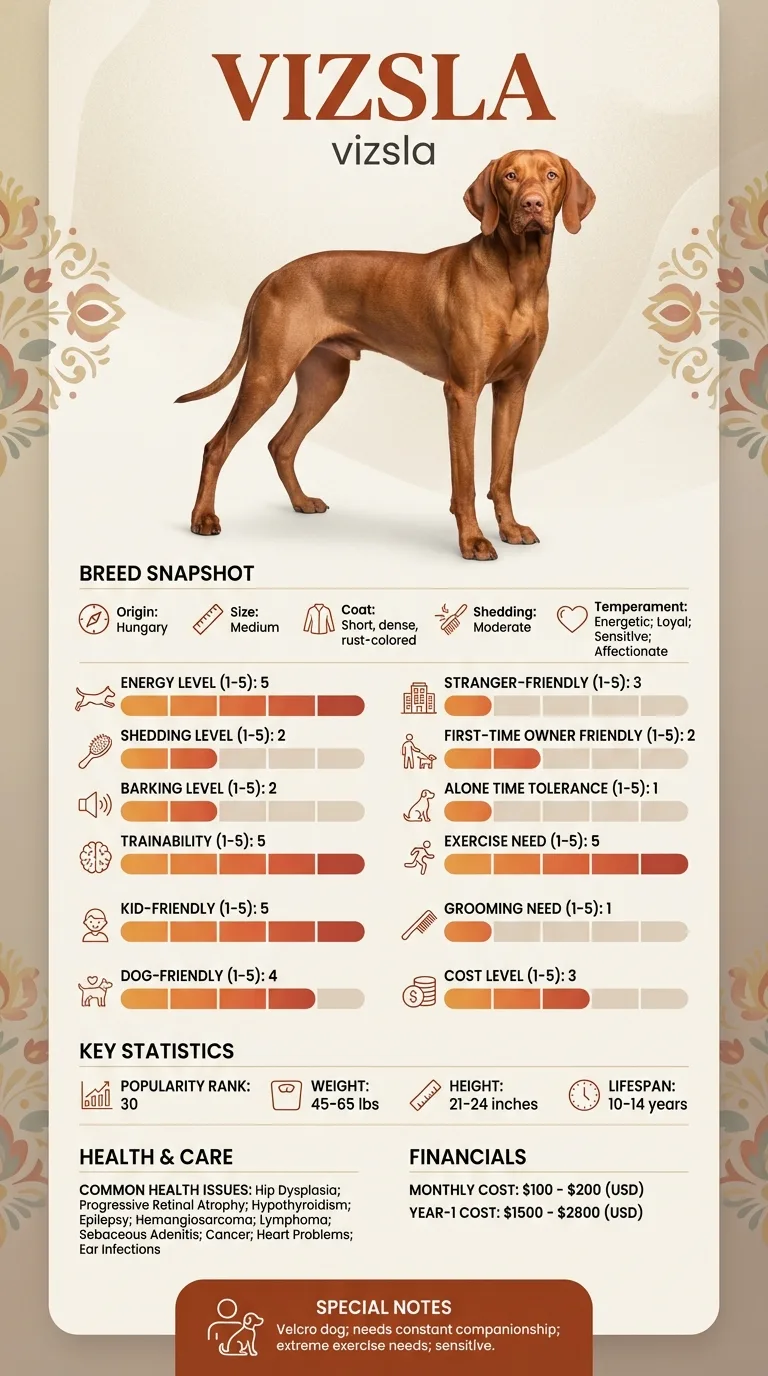
Owners of Vizslas often struggle with EIC, especially those who enjoy rigorous outdoor activities with their dogs. First-time dog owners or those unfamiliar with this condition may find it particularly concerning.
This guide is not medical advice. If your dog shows pain, sudden behavior change, or worsening symptoms, consult a licensed veterinarian.
Some links may be affiliate links. We may earn a commission at no extra cost to you. We only suggest products we believe are helpful for dog owners.
We research and check what we publish, but we do not warrant that any figure, date, price, or statement is accurate, complete, or current, and we accept no liability for any loss, cost, injury, or other harm arising from the use of this site. Use it as one reference among several. You remain responsible for your own decisions and for your dog's care - confirm anything that matters with a licensed veterinarian or another qualified professional before you act on it. Full disclaimer.
Check this first
Understanding when you need to call your vet for Vizsla exercise-induced collapse (EIC) can be crucial. This condition can lead to sudden collapse during or after exercise, but not all cases require immediate action. It’s essential to recognize the red-flag signs that signal an emergency versus situations that can be monitored at home.
If your Vizsla collapses and shows any of the following symptoms, it’s time to call your vet immediately: 1. Prolonged unconsciousness or disorientation. 2. Difficulty breathing or gasping for air. 3. Weakness or inability to stand after collapsing for more than a few minutes. 4. Any seizure activity or unusual movements.
In these scenarios, swift veterinary intervention can make a significant difference in your dog's health and recovery. On the other hand, if your dog collapses briefly but seems to recover quickly and returns to normal behavior, you can monitor them closely. In mild cases, watch for signs such as: - Occasional stumbling without other serious symptoms. - Tiredness after intense exercise but no lasting effects. - Mild panting that doesn’t persist after resting.
In these situations, keep a close eye on your Vizsla and limit their exercise until you've consulted with your vet. Regular check-ins with your veterinarian can help you create a safe exercise plan tailored for your dog’s needs. Always keep in mind that every dog is different, and what works for one might not work for another.
If any of these apply, call your vet or an emergency clinic now. The rest of this page is for the cases that are not an emergency.
Vizsla exercise-induced collapse (EIC) is a serious condition where a Vizsla suddenly collapses during or after intense exercise. This can happen during play, running, or even after a rigorous walk. It's alarming for owners to witness and can be triggered by excessive excitement or heat.
EIC is relatively common in Vizslas due to their high energy levels and exercise needs. It affects around 10-15% of the breed, making it important for owners to be aware and prepared.
Vizslas are a high-energy breed known for their athleticism. They have a genetic predisposition to exercise-induced collapse (EIC), which can cause them to suddenly collapse during vigorous activity. This is more common in younger dogs or those with a strong drive for exercise.
Environmental factors can also play a role in EIC. If a Vizsla is overexerted, especially in hot or humid weather, they may be at higher risk of collapsing. Stressful situations, such as crowded places or loud noises, can further exacerbate their condition.
Talk to your veterinarian if your Vizsla experiences frequent collapses or shows other concerning symptoms. A vet can provide guidance on managing EIC and rule out other potential health issues.
Avoiding these common mistakes can help manage your Vizsla's exercise-induced collapse (EIC) effectively.
Start here: Vizsla Most Common Genetic Disorders: What to Screen For
See all Vizsla health problems, which breeds are prone to exercise induced collapse eic, or the full Vizsla breed guide for temperament, exercise needs and ownership costs.
It may take a few weeks to months to see improvements in your Vizsla's exercise-induced collapse (EIC) symptoms. Consistent care and management strategies are key.
Success means your Vizsla can enjoy moderate exercise without collapsing, while you confidently manage their activities to avoid triggers.
Samantha, a busy nurse in San Francisco, adopted Bella, a playful Vizsla. After a few months of regular runs, Bella collapsed during a jog. Worried, Samantha learned about exercise-induced collapse (EIC) and realized she needed to modify Bella's exercise routine. With the help of a trainer, she introduced shorter, more frequent walks and specific training exercises to build endurance. Over time, Bella could enjoy outdoor activities without collapsing, and Samantha felt more at ease knowing how to manage her dog's energy.
Key takeaway: Understanding and adapting to your Vizsla's exercise needs can make a significant difference in managing exercise-induced collapse.
Vizslas are prone to exercise-induced collapse (EIC), which is a genetic condition. It typically occurs during or after intense physical activity, leading to sudden weakness or collapse. If your Vizsla shows these symptoms, it's crucial to consult your vet for a proper diagnosis.
To manage EIC, it's essential to limit your Vizsla's exercise intensity and duration, especially in hot or humid weather. Gradual, controlled exercise combined with regular breaks can help minimize risks. Always have water available and watch for any signs of fatigue.
Signs of EIC include sudden weakness, collapse, or uncoordinated movements during or after exercise. You might also notice excessive panting or drooling. If you observe these symptoms, stop all activity immediately and consult your veterinarian.
To prevent EIC, avoid high-energy activities like running or jumping for extended periods. Instead, opt for shorter, more frequent exercise sessions. Training your Vizsla to recognize their limits is also beneficial in managing this condition.
While there's no cure for EIC, training can help your Vizsla learn to recognize their activity limits. Focus on obedience training and reward calm behavior during exercise. Consult with a professional trainer familiar with EIC for tailored strategies.
Early signs of EIC in Vizslas can include excessive panting, stumbling, or a sudden lack of energy during or after exercise. If you notice your dog struggling to keep up or appearing disoriented after physical activity, it’s important to monitor them closely.
Yes, older Vizslas can develop exercise-induced collapse (EIC), especially if they have a history of heavy exercise. As dogs age, their bodies may not cope as well with strenuous activity, so it’s crucial to adjust their exercise routine and consult your vet for guidance.
During hot weather, it's essential to keep your Vizsla well-hydrated and limit their exercise to cooler parts of the day. Consider shorter, more frequent walks instead of long runs, and always watch for signs of overheating, which can exacerbate EIC symptoms.
Yes, if your Vizsla collapses during exercise, it's crucial to seek veterinary attention immediately. Even if it appears to be EIC, other underlying health issues could be at play, and a vet can help determine the best course of action.
Training a Vizsla with exercise-induced collapse (EIC) requires careful management of their exercise intensity. Focus on short training sessions with plenty of breaks, and consult a trainer familiar with EIC to develop an effective plan that keeps your dog safe and engaged.
If your Vizsla collapses, ensure they are in a cool, shaded area, and offer water. Contact your vet immediately for an assessment.
Signs of overexertion include heavy panting, drooling, or difficulty standing. Always monitor their behavior during exercise.
There is no cure for EIC, but managing exercise intensity can help prevent episodes. Regular vet check-ups are essential.
A good routine includes shorter, low-intensity sessions, with plenty of breaks. Always consider the weather conditions.
A one-page prep sheet for this condition: the signs, the questions to ask, what to get priced. Unlocks here.
You get: Vet visit prep sheet
No spam. One-click unsubscribe. See our privacy policy.
Preview page 1 before you decide.