DogBreedCompass
← Back to breed profile

Understanding Vizsla Ear Infections: Causes and Solutions

Vizsla ear infections can be a frustrating and painful problem for your dog. It's essential to address them promptly to ensure your pet's comfort and health.

Understanding Vizsla Ear Infections: Causes and Solutions infographic

Typical owners facing this issue often include active families, first-time dog owners, or those who may not realize the signs of ear infections. Understanding how to recognize and treat these infections can make a significant difference.

Important reminder

This guide is not medical advice. If your dog shows pain, sudden behavior change, or worsening symptoms, consult a licensed veterinarian.

Some links may be affiliate links. We may earn a commission at no extra cost to you. We only suggest products we believe are helpful for dog owners.

What this problem looks like

Vizsla ear infections can be a recurring issue for many owners. These infections typically manifest as frequent scratching at the ears, shaking of the head, or a foul odor coming from the ears. If left untreated, they can lead to more serious health problems and discomfort for your dog.

Common triggers

  • Excess moisture from swimming or bathing
  • Allergies to food or environmental factors
  • Poor ear hygiene or buildup of wax
  • Foreign objects lodged in the ear canal

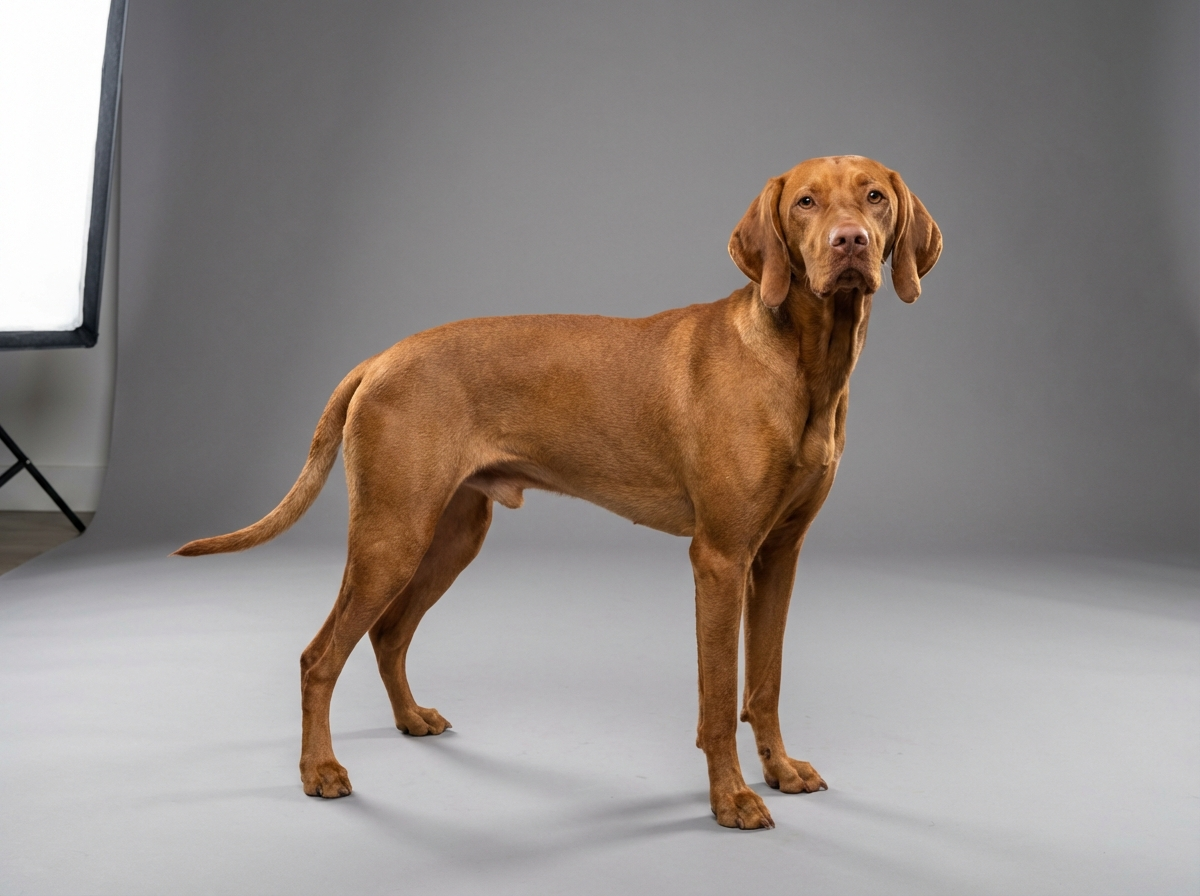
Ear infections are quite common in Vizslas due to their floppy ears, which can trap moisture and debris. Many Vizsla owners report dealing with ear infections at least once a year.

Why this happens

Breed factors

Vizslas are prone to ear infections due to their floppy ears, which can trap moisture and debris. Their active nature may also lead to more exposure to dirt and bacteria, increasing the risk of infections. Additionally, their sensitive skin can be more susceptible to irritation and infections.

Environment factors

Environmental factors like humidity and swimming can contribute to ear infections in Vizslas. If they frequently play in water or are exposed to damp conditions, the moisture can create a breeding ground for bacteria. Allergies to food or pollen can also lead to inflammation and infection in their ears.

What you can try

At-home strategies

  • Regularly clean your Vizsla's ears using a vet-recommended ear cleaner. Use a cotton ball to gently wipe the outer ear, avoiding deep insertion into the ear canal.
  • Keep your dog's ears dry after swimming or bathing. Use a towel to carefully dry the outer ear and avoid letting water enter the ear canal.
  • Monitor your Vizsla for signs of ear infections, such as shaking their head, scratching at their ears, or a foul odor. Early detection can help prevent worsening issues.

When to consider a trainer

If your Vizsla is experiencing frequent ear infections, consider consulting a dog trainer who specializes in health-related behavior. They can help you adjust your dog's environment or routine to minimize exposure to allergens and irritants.

When to talk to your vet

If you notice persistent symptoms like discharge, swelling, or your dog seems in pain, it's essential to speak with a vet. They can diagnose the issue and recommend appropriate treatments, including medication or changes in diet.

Realistic expectations

Most Vizsla ear infections can take 1 to 3 months to manage effectively with consistent care and prevention strategies.

Success means your Vizsla experiences fewer ear infections, has clear ears, and shows no signs of discomfort or irritation.

Mistakes that make this worse

Avoiding common mistakes can significantly improve your Vizsla's ear health. Here are some key missteps to watch out for.

  • Neglecting regular ear cleaning - Infrequent cleaning can lead to a buildup of wax and moisture, promoting infections. Instead, establish a regular cleaning routine with vet-approved products.
  • Ignoring symptoms - If your Vizsla shows signs of discomfort, waiting too long can worsen infections. Always consult your vet if you notice itching, redness, or unusual discharge.
  • Using cotton swabs - Swabs can push debris further into the ear canal, causing more harm. Opt for vet-recommended ear cleaning solutions and gentle methods instead.
  • Overbathing - Excessive bathing can strip natural oils and lead to dry skin, which increases infection risk. Bathe your Vizsla only as needed and use appropriate shampoos.
  • Not addressing allergies - Allergies can lead to ear infections in Vizslas. Work with your vet to identify and manage any allergies your dog may have.
  • Failing to dry ears after swimming - Leaving water in your Vizsla's ears can create a breeding ground for bacteria. Always dry their ears thoroughly after baths or swimming.
  • Relying solely on home remedies - While some remedies can help, they are not a substitute for veterinary care. Always consult your vet for proper diagnosis and treatment.

When Vizsla Ear Infections are an Emergency

Understanding when Vizsla ear infections require immediate attention is crucial for their health. Some signs indicate that you should call your vet right away, while others can be monitored at home. If your Vizsla is shaking their head excessively, scratching their ears, or showing signs of pain, these can signal a more serious issue.

Red-flag signs include discharge from the ear that is foul-smelling or bloody, swelling, or if your dog is lethargic and not eating. These symptoms often indicate a severe infection or possible complications that need urgent care. Additionally, if you notice excessive redness or warmth around the ear, don't wait to seek veterinary help.

On the other hand, mild cases of ear infections may present with occasional shaking of the head or minor itching. If your dog’s ears don’t seem excessively painful and there’s no foul odor, you might be able to monitor them at home. Keeping your Vizsla's ears clean and dry can help prevent worsening. However, if symptoms persist beyond a few days, it’s time for a vet visit. Always err on the side of caution when it comes to your dog’s health!


Understanding Vizsla Ear Infections: Causes and Solutions - When Vizsla Ear Infections are an Emergency

Overcoming Ear Infections with Bella the Vizsla

When Sarah adopted Bella, her energetic Vizsla, she quickly noticed the pup frequently shaking her head and scratching her ears. After visiting the vet, Sarah learned that Bella had chronic ear infections, likely due to moisture and allergies. Determined to help Bella, Sarah established a routine of regular ear cleaning and dry environments after baths. She also worked with her vet to identify and manage any allergies. Over a few months, Bella's ear issues significantly improved and her head-shaking became less frequent. Sarah now feels confident in keeping Bella’s ears healthy.

Key takeaway: Consistency in ear care and working with your vet can dramatically improve your Vizsla’s ear health.

Frequently asked questions

Why does my Vizsla have ear infections?

Vizslas can be prone to ear infections due to their floppy ears, which can trap moisture and bacteria. Allergies or skin conditions can also contribute to frequent infections. Regular cleaning and monitoring can help keep your Vizsla's ears healthy.

How can I stop Vizsla ear infections?

To stop Vizsla ear infections, regularly clean their ears with a vet-recommended solution. Make sure to dry their ears thoroughly after baths or swimming. Consult your vet if infections persist for proper diagnosis and treatment.

What are the signs of an ear infection in my Vizsla?

Signs of ear infections in Vizslas include excessive scratching at the ears, shaking their head, and a foul odor from the ears. You might also notice redness or swelling inside the ear canal. If you see these symptoms, see a vet for an evaluation.

Can diet affect my Vizsla's ear health?

Yes, diet can play a role in your Vizsla's ear health. Allergies to certain food ingredients can lead to skin issues that may cause ear infections. A vet can help identify any dietary adjustments that could improve their ear condition.

What treatments are available for Vizsla ear infections?

Treatments for Vizsla ear infections may include medicated ear drops, oral antibiotics, or changes in diet. Your vet will determine the best course of action based on the severity of the infection. Regular follow-ups can help ensure the infection doesn't return.

What are the signs of ear infections in Vizslas?

Look for signs like excessive scratching of the ears, shaking their head, or a foul odor coming from the ear. You might also notice redness or swelling in the ear canal, and your Vizsla may seem more sensitive to touch around their ears.

Can food allergies cause ear infections in my Vizsla?

Yes, food allergies can lead to skin issues and ear infections in Vizslas. If you suspect this might be the case, consult your vet to discuss dietary changes or allergy testing.

How can I prevent ear infections in my Vizsla?

Regularly clean your Vizsla's ears with a vet-recommended solution to remove wax and debris. Keeping their ears dry after baths or swimming is also crucial for prevention.

Is it common for older Vizslas to have ear infections?

Older Vizslas may be more prone to ear infections due to age-related health issues. Regular vet check-ups can help catch these issues early and keep your dog's ears healthy.

When should I take my Vizsla to the vet for ear problems?

If your Vizsla exhibits severe symptoms like bleeding, persistent head shaking, or if the odor is strong, it's time to see the vet. Early intervention can prevent more serious issues from developing.

Quick answers

View more answers
Behavior

What are some quick tips for Vizsla ear infections?

Regularly clean your Vizsla's ears with a vet-approved solution and keep them dry. Monitor for signs of infection like scratching or odor, and visit your vet if infections occur frequently.

Living

How often should I clean my Vizsla's ears?

Aim to clean your Vizsla's ears every 1-2 weeks, especially after swimming or bathing, to prevent moisture buildup.

Health

Are ear infections common in Vizslas?

Yes, Vizslas are more prone to ear infections due to their ear structure, so proactive care is essential.

Living

Can ear infections be prevented?

While not all ear infections can be prevented, regular cleaning, maintaining ear dryness, and addressing allergies can significantly reduce the risk.

Related DogBreedCompass guides

  • Why does my Vizsla have ear infections?Understanding the potential causes of ear infections can help you manage your Vizsla's health better.
  • How to stop Vizsla ear infectionsTraining can reduce the chances of ear infections by promoting good hygiene and care practices.
  • Vizsla behavior problemsExplore general behavior problems in Vizslas to identify any related issues that may contribute to ear infections.
  • Vizsla ownership cost breakdownLearn about the costs associated with keeping a Vizsla healthy, which can include ear infection treatments.
  • Vizsla separation anxiety guideSeparation anxiety may lead to increased grooming needs, which can affect ear health.

Related guides