Behavior
What are some Vizsla cherry eye quick tips?
To help manage cherry eye in your Vizsla, keep your dog's eyes clean and monitor for irritation. Always consult a vet for proper diagnosis and treatment options.

Quick answer
What are some Vizsla cherry eye quick tips?
To help manage cherry eye in your Vizsla, keep your dog's eyes clean and monitor for irritation. Always consult a vet for proper diagnosis and treatment options.
Vizsla cherry eye is a common eye condition where the gland in the eyelid protrudes, creating a noticeable red mass. This issue can affect your dog's comfort and vision.
Typically, owners of Vizslas may struggle with cherry eye, especially if they are first-time pet parents or those unfamiliar with the breed's health concerns. Busy families and individuals may also feel overwhelmed by the need for proper care and attention.
This guide is not medical advice. If your dog shows pain, sudden behavior change, or worsening symptoms, consult a licensed veterinarian.
Some links may be affiliate links. We may earn a commission at no extra cost to you. We only suggest products we believe are helpful for dog owners.
We research and check what we publish, but we do not warrant that any figure, date, price, or statement is accurate, complete, or current, and we accept no liability for any loss, cost, injury, or other harm arising from the use of this site. Use it as one reference among several. You remain responsible for your own decisions and for your dog's care - confirm anything that matters with a licensed veterinarian or another qualified professional before you act on it. Full disclaimer.
Check this first
Understanding when Vizsla cherry eye is an emergency can be crucial for your dog's health. If your Vizsla has an obvious prolapse of the third eyelid gland, it may appear like a red or pink bulge in the inner corner of their eye. This condition can lead to irritation or infection, so it's important to monitor it closely.
Red-Flag Signs to Call Your Vet: - Excessive tearing or discharge from the eye. - Swelling around the eye or eyelid. - Signs of pain, like pawing at the eye or reluctance to open it. - Changes in vision, such as bumping into things.
If you notice any of these symptoms, you should contact your veterinarian immediately. They can assess the situation and recommend an appropriate treatment plan.
Mild Cases to Monitor: In cases where the cherry eye is not accompanied by redness, swelling, or discharge, you may choose to monitor the condition at home. Ensure your dog is comfortable and isn’t showing signs of distress. You can also apply a warm compress to the affected eye to soothe any irritation.
However, if the condition persists or worsens, it’s always best to consult with your vet. They may suggest a treatment plan, including medication or surgery, to correct the cherry eye. Remember, keeping a close eye on your Vizsla's eye health is essential for their overall well-being.
If any of these apply, call your vet or an emergency clinic now. The rest of this page is for the cases that are not an emergency.
Vizsla cherry eye is a common issue where the tear gland in the eyelid protrudes, giving the appearance of a red, swollen lump. This condition can be uncomfortable for your dog and may lead to further complications if not addressed. Owners often notice it suddenly, especially when their Vizsla is excited or stressed.
Cherry eye is relatively common in Vizslas compared to other breeds. It's important for owners to be aware of this issue since it can affect their dog's comfort and health.
Vizslas can be prone to cherry eye due to their genetic makeup. This breed has a unique eye structure that may lead to eyelid gland prolapse, making them more susceptible to this condition. Their sensitive nature may also contribute to eye issues, as stress can exacerbate health problems.
Environmental factors such as dry air, allergies, or irritants can trigger cherry eye in Vizslas. If they are exposed to dust, pollen, or harsh chemicals, their eyes may react negatively. Additionally, insufficient moisture or humidity in their living space can worsen their eye health.
If you notice persistent swelling or redness around your Vizsla's eyes, it's important to contact your veterinarian. They can provide guidance on treatment options, including possible surgical intervention if necessary. Regular check-ups can also help prevent problems from getting worse.
Here are some common mistakes owners make that can worsen Vizsla cherry eye. Avoiding these will help you manage the issue more effectively.
Start here: Vizsla Most Common Genetic Disorders: What to Screen For
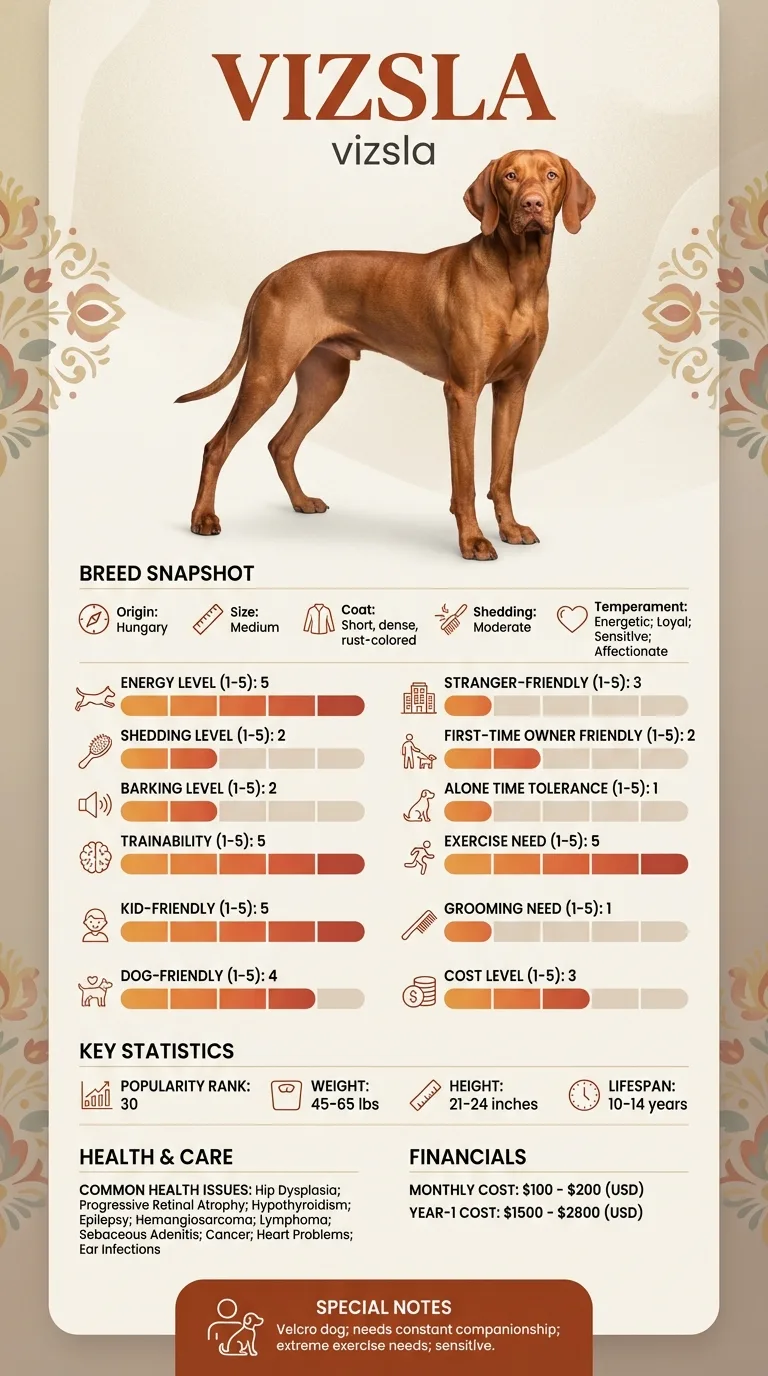
See all Vizsla health problems, which breeds are prone to cherry eye, or the full Vizsla breed guide for temperament, exercise needs and ownership costs.
Most Vizsla cherry eye cases can be managed over a few weeks to a couple of months, depending on treatment and care.
Success is when the cherry eye is either treated effectively through vet-recommended methods or surgical intervention, allowing your Vizsla to live comfortably without eye irritation.
Emily, a first-time dog owner in Boston, noticed her Vizsla, Max, had developed a cherry eye shortly after adopting him. At first, she panicked, unsure of the best steps to take. After researching and consulting her vet, Emily learned that cherry eye could be managed with proper eye drops and care. She diligently followed the vet's advice, applying the drops twice daily and keeping Max from rubbing his eyes. Over the course of six weeks, the cherry eye improved significantly, and a follow-up visit confirmed that surgery wasn’t necessary. Max was back to his playful self, enjoying his daily runs in the park.
Key takeaway: With proper veterinary guidance and commitment, many Vizslas can overcome cherry eye without surgery, leading to a healthier, happier life.
Cherry eye in Vizslas occurs when the gland in the eyelid prolapses and becomes visible. This can be due to genetic factors or a lack of tissue support. It’s important to consult a vet for the best treatment options.
To manage cherry eye in your Vizsla, you should first consult a veterinarian for an accurate diagnosis. Surgical correction is often recommended to reposition the gland. Regular vet check-ups can also help prevent recurrence.
While some mild cases of cherry eye may respond to topical treatments, surgery is usually the most effective solution. Non-surgical options are often temporary and may not fully resolve the issue.
Yes, cherry eye is relatively common in Vizslas and other breeds. It typically appears in younger dogs, and early intervention can lead to better outcomes. Regular monitoring of your dog's eyes can help catch it early.
Cherry eye occurs when the gland in the dog's third eyelid becomes swollen and protrudes. It can be caused by genetics, stress, or lack of tissue support. Understanding the underlying causes can help manage the condition effectively.
In some cases, cherry eye may temporarily improve, but it often requires treatment to fully resolve. If you notice symptoms persisting, consulting a vet is essential. They can recommend the best course of action tailored to your Vizsla's needs.
Surgery is usually the most effective solution for persistent cherry eye in Vizslas. While some owners may try home remedies, these often fall short. A vet can guide you through the surgical options to restore your dog's eye health.
While not all cases of cherry eye can be prevented, maintaining your Vizsla's overall health is crucial. Ensure they receive a balanced diet, regular exercise, and minimal stress. Regular vet check-ups can also help catch issues early.
Untreated cherry eye can lead to chronic irritation, infections, or even vision problems for your Vizsla. It's important to address the condition promptly to prevent complications. Consulting your vet for advice on management is the best approach.
To help manage cherry eye in your Vizsla, keep your dog's eyes clean and monitor for irritation. Always consult a vet for proper diagnosis and treatment options.
If your Vizsla shows signs of cherry eye, take them to the vet as soon as possible. Surgical treatment is often the best solution for long-term relief.
Yes, if left untreated, cherry eye can lead to more serious issues like dry eye or conjunctivitis. Early intervention can prevent these complications.
Cherry eye surgery can range from $200 to $700, depending on your location and the vet's expertise. It's best to get a quote from your veterinary clinic.
A one-page prep sheet for this condition: the signs, the questions to ask, what to get priced. Unlocks here.
You get: Vet visit prep sheet
No spam. One-click unsubscribe. See our privacy policy.
Preview page 1 before you decide.