Health
What are quick tips for Vizsla autoimmune diseases?
Monitor your dog's skin for changes, maintain a balanced diet, and consult your vet regularly.

Quick answer
What are quick tips for Vizsla autoimmune diseases?
Monitor your dog's skin for changes, maintain a balanced diet, and consult your vet regularly.
Vizsla autoimmune diseases can lead to serious health issues, including skin conditions that cause sores and hair loss. Understanding these diseases is essential for any Vizsla owner.
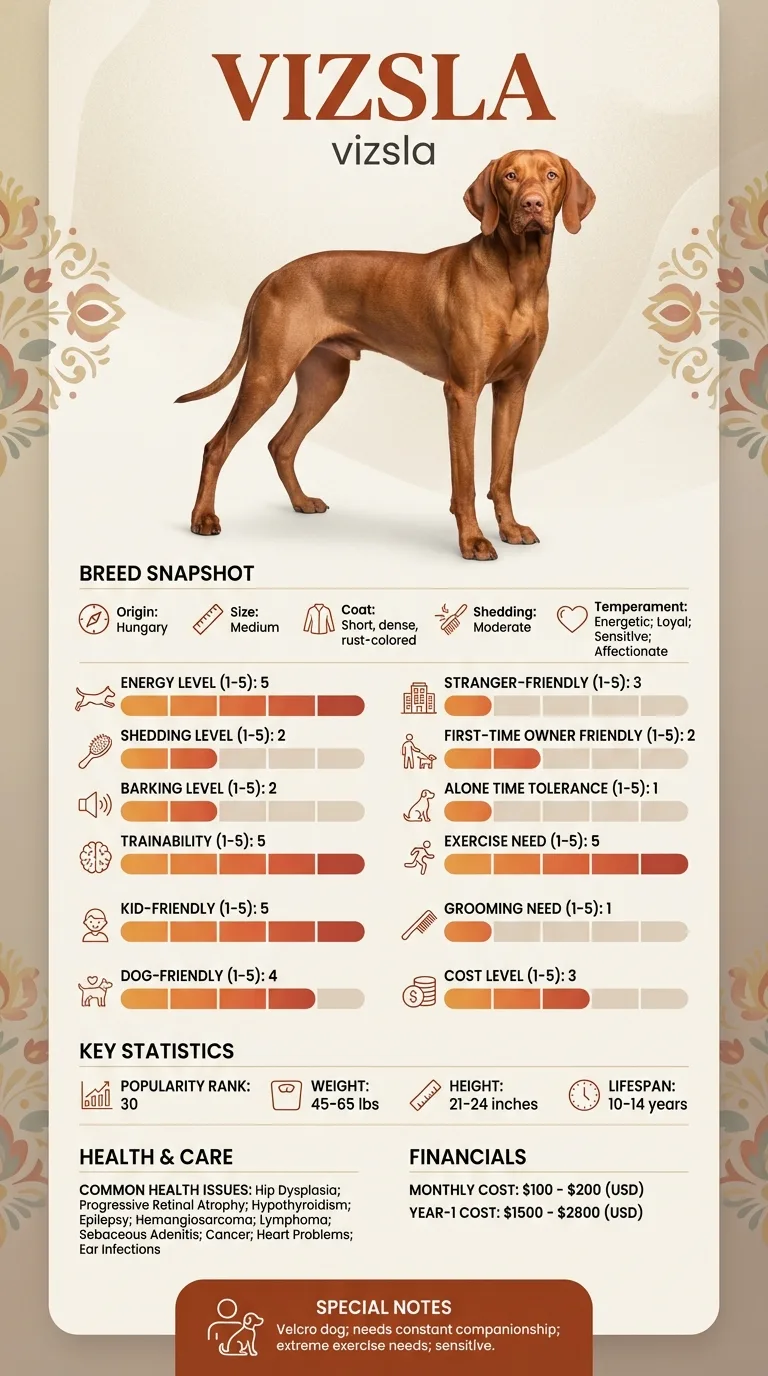
Owners of Vizslas, particularly those who may be first-time dog parents or those unfamiliar with breed-specific health issues, often find themselves struggling with these challenges. They may notice symptoms like skin irritations, hair loss, or unusual lethargy in their beloved companions.
This guide is not medical advice. If your dog shows pain, sudden behavior change, or worsening symptoms, consult a licensed veterinarian.
Some links may be affiliate links. We may earn a commission at no extra cost to you. We only suggest products we believe are helpful for dog owners.
We research and check what we publish, but we do not warrant that any figure, date, price, or statement is accurate, complete, or current, and we accept no liability for any loss, cost, injury, or other harm arising from the use of this site. Use it as one reference among several. You remain responsible for your own decisions and for your dog's care - confirm anything that matters with a licensed veterinarian or another qualified professional before you act on it. Full disclaimer.
Check this first
Red-flag signs that mean 'call your vet now' include: severe skin lesions, excessive bleeding, or rapid weight loss. If your Vizsla shows signs of persistent vomiting, lethargy, or has trouble breathing, these are critical symptoms that can indicate a severe flare-up or infection related to autoimmune diseases. In these cases, don’t wait; contact your veterinarian immediately.
On the other hand, mild cases of autoimmune diseases can often be monitored at home with a plan. Symptoms like occasional itching, minor skin irritation, or slight hair loss can often be managed through at-home care and observation. You should still consult your vet, but these symptoms may not require urgent intervention. Keep a close eye on your dog’s behavior and health, and be prepared to reach out to your vet if conditions worsen.
Always remember, when in doubt, it’s best to err on the side of caution. Your Vizsla relies on you for their well-being, and recognizing the signs of an emergency can make a significant difference in their health and quality of life.
If any of these apply, call your vet or an emergency clinic now. The rest of this page is for the cases that are not an emergency.
Vizsla autoimmune diseases can present as skin conditions that lead to sores and hair loss. These issues often cause discomfort and can be distressing for both the dog and the owner. Daily life may involve frequent vet visits and special care to manage symptoms.
Autoimmune diseases are relatively common in Vizslas, with a tendency for these conditions to develop as they age. Many owners report experiencing such health challenges, making awareness essential for proper care.
Vizslas can be genetically predisposed to certain autoimmune diseases. This breed is known for its sensitivity, which may increase their risk of developing conditions where the immune system mistakenly attacks healthy cells.
Environmental factors such as stress, diet, and exposure to allergens can trigger or worsen autoimmune diseases in Vizslas. Changes in their surroundings or routine may also impact their immune system, making them more susceptible.
If you notice persistent skin issues, unusual behavior, or signs of discomfort, reach out to your vet. They can diagnose any underlying conditions and recommend appropriate treatments.
Avoiding these common mistakes can help manage your Vizsla's autoimmune diseases more effectively. Here are some behaviors that can worsen the situation.
Start here: Vizsla Most Common Genetic Disorders: What to Screen For
See all Vizsla health problems, which breeds are prone to autoimmune diseases, or the full Vizsla breed guide for temperament, exercise needs and ownership costs.
Managing Vizsla autoimmune diseases typically requires a commitment of several months to see noticeable improvements. Regular vet check-ups and consistent treatment plans are crucial.
Success means your Vizsla experiences fewer flare-ups, improved skin condition, and an overall happier demeanor. You should see stable health and an active lifestyle returning.
Sarah, a first-time Vizsla owner, noticed her dog Luna scratching excessively and developing sores. After a visit to the vet, Luna was diagnosed with an autoimmune condition. Sarah felt overwhelmed but committed to a treatment plan that included medication and dietary changes. She also educated herself about managing autoimmune diseases in dogs. Over the next few months, with consistent care, Luna's skin healed, and her energy returned. Sarah learned the importance of patience and support.
Key takeaway: Consistency in treatment and education about your dog's condition can lead to significant improvements in their health and happiness.
Vizslas can develop autoimmune diseases due to a combination of genetic factors, environmental triggers, and immune system responses. These conditions can lead to skin problems, hair loss, and other health issues. Regular vet check-ups are essential to catch any signs early.
Preventing autoimmune diseases in Vizslas involves maintaining a healthy diet, regular exercise, and minimizing stress. Work closely with your vet to monitor your dog's health and address any potential triggers as soon as they arise. Early intervention can make a significant difference.
Common symptoms include skin irritations, sores, hair loss, and lethargy. If you notice any of these signs, schedule a vet visit. Early diagnosis can help manage the condition effectively.
Yes, autoimmune diseases in Vizslas can often be managed with medications and lifestyle changes. Your vet may prescribe immunosuppressive drugs or recommend dietary adjustments to help reduce flare-ups. Regular follow-up visits are crucial for monitoring progress.
While Vizslas can suffer from autoimmune diseases, certain breeds like German Shepherds and Collies are also more prone. Genetic predisposition plays a significant role, so it's important to know your dog's family history.
Nutrition is vital in managing autoimmune diseases. A balanced diet rich in omega-3 fatty acids and antioxidants can support your Vizsla's immune system. Consult your vet for dietary recommendations tailored to your dog's needs.
If your Vizsla has an autoimmune disease, regular vet visits are important. Initially, you may need to go every few months for monitoring, but your vet will adjust the frequency based on your dog's condition and response to treatment.
Common signs include persistent skin issues, hair loss, and sores. You might also notice changes in their energy levels or appetite. If these symptoms persist, it's crucial to consult your vet.
Provide a balanced diet rich in nutrients and ensure they have regular vet check-ups. Monitoring their symptoms and maintaining a stress-free environment can also help manage their condition.
Yes, conditions like sebaceous adenitis and skin-related autoimmune diseases are more frequently seen in Vizslas. Regular skin checks and early intervention can help manage these issues effectively.
If you notice any unusual symptoms such as severe skin irritation, changes in behavior, or if they seem to be in pain, it's time for a vet visit. Early diagnosis can make a significant difference in treatment outcomes.
Yes, stress can exacerbate autoimmune conditions. Maintaining a calm and stable environment, along with regular exercise, is essential for their overall well-being.
Monitor your dog's skin for changes, maintain a balanced diet, and consult your vet regularly.
Provide a stress-free environment and consider supplements that support skin health, as recommended by your vet.
Yes, stress can exacerbate symptoms, so keep your Vizsla's environment calm and engaging.
Monthly costs for managing autoimmune diseases can range from $100 to $200, depending on treatment needs.
Yes, training can help reduce stress and improve your Vizsla's overall behavior, which can be beneficial for their health.
A one-page prep sheet for this condition: the signs, the questions to ask, what to get priced. Unlocks here.
You get: Vet visit prep sheet
No spam. One-click unsubscribe. See our privacy policy.
Preview page 1 before you decide.