Siberian Husky Wobbler Syndrome: Causes and Solutions
Quick answer
What are quick tips for Siberian Husky wobbler syndrome?
Monitor your Husky's mobility closely and seek veterinary advice if you notice any signs of wobbling. Adjust their exercise routine to avoid strain. Regular check-ups can help catch issues early.
Siberian Husky wobbler syndrome can severely affect your dog's mobility and quality of life. Understanding this condition is crucial for Husky owners.
Typically, owners of Siberian Huskies may find themselves worrying about this syndrome. Those with active and energetic dogs might notice signs like wobbling or difficulty walking, which can be alarming.
Important reminder
This guide is not medical advice. If your dog shows pain, sudden behavior change, or worsening symptoms, consult a licensed veterinarian.
Some links may be affiliate links. We may earn a commission at no extra cost to you. We only suggest products we believe are helpful for dog owners.
We research and check what we publish, but we do not warrant that any figure, date, price, or statement is accurate, complete, or current, and we accept no liability for any loss, cost, injury, or other harm arising from the use of this site. Use it as one reference among several. You remain responsible for your own decisions and for your dog's care - confirm anything that matters with a licensed veterinarian or another qualified professional before you act on it. Full disclaimer.
Check this first
When Siberian Husky Wobbler Syndrome is an Emergency
Recognizing when your Siberian Husky's wobbler syndrome requires immediate veterinary attention is crucial. While some symptoms may be mild, others can indicate serious problems that need urgent care. Red flags include sudden changes in mobility, severe neck pain, or difficulty swallowing. If your Husky shows any of these signs, call your vet immediately.
If any of these apply, call your vet or an emergency clinic now. The rest of this page is for the cases that are not an emergency.
What this problem looks like
Siberian Husky wobbler syndrome is a serious condition affecting the neck vertebrae. It can cause your dog to wobble or have difficulty walking. This can be distressing for both the dog and the owner, as it often leads to pain and mobility issues.
Common triggers
Genetic predisposition, particularly in large breeds like Huskies.
Injury or trauma that affects the cervical area.
Age-related degeneration of the vertebrae.
Wobbler syndrome is relatively common in Siberian Huskies, especially those over five years old. Many owners may notice signs but often attribute them to typical aging or general clumsiness.
Why this happens
Breed factors
Siberian Huskies are prone to Wobbler Syndrome due to their genetic makeup. This breed often experiences cervical vertebral instability, which affects their spine and nervous system. The structure of their neck can lead to pressure on the spinal cord, causing wobbling and coordination issues.
Environment factors
Environmental factors can also contribute to Wobbler Syndrome. If Huskies are not provided with adequate exercise, they may become overweight, putting additional strain on their spine. Additionally, improper training methods or rough play can exacerbate existing issues.
What you can do at home (once it is not an emergency)
When to talk to your vet
If you notice persistent signs of Wobbler Syndrome, such as difficulty walking, neck pain, or a decline in overall behavior, schedule a visit with your vet. They can assess your Husky's condition and recommend treatment options, including medication or surgery if necessary.
At home, alongside your vet's plan
Monitor your Husky's weight closely and maintain a healthy diet to prevent obesity. Consider working with a vet to create a tailored feeding plan.
Implement a gentle exercise routine that focuses on low-impact activities, such as swimming or walking on flat surfaces. Avoid high-impact exercises that could worsen symptoms.
Create a safe environment that minimizes the risk of falls or injury. Use non-slip mats and avoid stairs where possible.
Mistakes that make Wobbler Syndrome worse
Avoid these common mistakes that can worsen Siberian Husky wobbler syndrome. Instead, focus on safer alternatives to help your dog.
Ignoring early signs: Many owners overlook the initial symptoms of wobbler syndrome, thinking they are just signs of aging. Early intervention is crucial, so consult a vet as soon as you notice any unusual behavior or mobility issues.
Overexerting your dog: Huskies are energetic, but pushing them too hard during exercise can strain their neck and spine. Instead, provide regular, moderate exercise tailored to their abilities to keep them fit without risking injury.
Neglecting weight management: Extra weight can put more pressure on your Husky's spine. Ensure they maintain a healthy weight through a balanced diet and appropriate portion control.
Using harsh training methods: Frustration can lead to aggressive training techniques that cause stress. Opt for positive reinforcement strategies to encourage good behavior without adding anxiety.
Avoiding vet check-ups: Skipping regular vet visits can delay necessary treatments. Schedule check-ups to monitor your Husky's health and address any concerns promptly.
Failing to provide a supportive environment: Hard surfaces can exacerbate discomfort. Use soft bedding and avoid stairs to minimize strain on their neck and back.
Not seeking professional help: Many owners try to manage wobbler syndrome on their own, which can lead to setbacks. Consult a dog trainer or behaviorist experienced with this condition for tailored guidance.
Improvement can take several weeks to months, depending on the severity of the wobbler syndrome and the owner's commitment to care and follow-up.
Success means your Siberian Husky shows improved stability while walking, reduced discomfort, and an overall happier, more active demeanor.
Mild Cases to Monitor
In less severe instances, your Siberian Husky may exhibit mild wobbling or slight coordination issues. These symptoms can often be managed with a close watch and a care plan. Keep track of your dog's behavior, and consult your vet for tailored advice on training and lifestyle adjustments. This can include gradual exercise and proper nutrition to help support their condition.
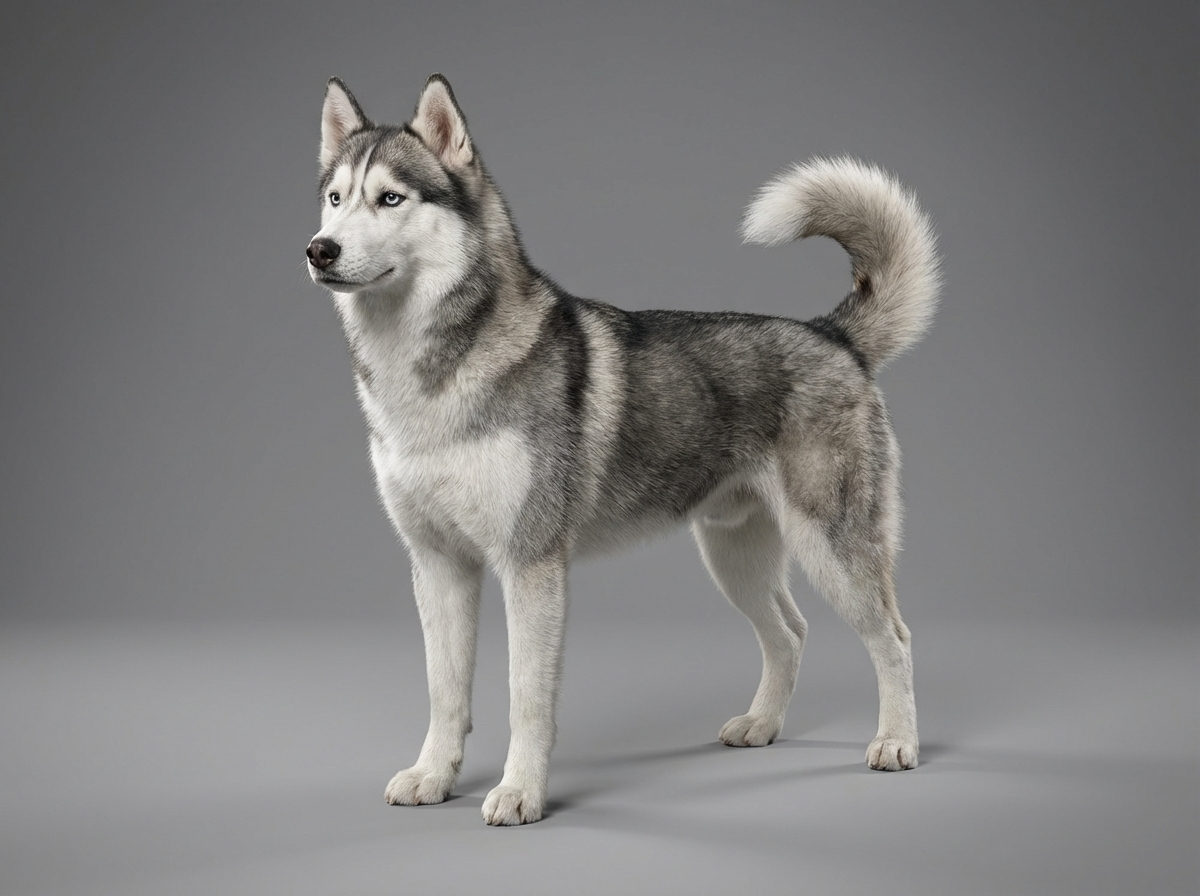
Siberian Husky - Mild Cases to Monitor
Finding Stability: Jenna and Max's Journey
Jenna, a busy nurse in Seattle, noticed her Siberian Husky, Max, was frequently stumbling and had trouble standing up. After a vet visit, she learned Max had wobbler syndrome. Determined to help him, Jenna researched training techniques and created a routine that included gentle exercises to strengthen his neck and back. With patience and consistency, Max began to regain his balance and confidence. Jenna found that spending quality time with Max not only improved his condition but also deepened their bond.
Key takeaway: Consistency in training and care can make a significant difference in managing Siberian Husky wobbler syndrome, leading to a happier life for both the dog and owner.
Frequently asked questions
Why does my Siberian Husky have wobbler syndrome?
Wobbler syndrome in Siberian Huskies can be due to genetic factors, improper growth during puppyhood, or trauma. Regular veterinary check-ups can help identify early signs. If you notice your Husky wobbling, consult your vet promptly.
How can I stop Siberian Husky wobbler syndrome?
While there's no guaranteed way to stop wobbler syndrome, early intervention is key. Treatment may include medication, physical therapy, or surgery. Always consult a veterinarian for the best course of action tailored to your dog's needs.
What are the signs of wobbler syndrome in Siberian Huskies?
Common signs include a wobbly gait, difficulty walking, and reluctance to exercise. If your Husky shows these symptoms, a vet visit is essential. Early detection can improve the effectiveness of treatment.
Can training help with Siberian Husky wobbler syndrome?
Training can support your Husky's overall well-being but won't cure wobbler syndrome. Focus on gentle exercises and stability training recommended by your vet. This can help maintain muscle strength and coordination.
Is wobbler syndrome hereditary in Siberian Huskies?
Yes, wobbler syndrome can be hereditary. If you’re considering a Husky puppy, ask the breeder about health screenings for this condition. Responsible breeding practices can help minimize the risk.
What is the cost of treating Siberian Husky wobbler syndrome?
Treatment costs for Siberian Husky wobbler syndrome can range from $500 to $7,000 depending on the severity. This includes veterinary visits, medication, and possible surgery. Always budget for both treatment and ongoing care.
Can wobbler syndrome in Siberian Huskies be treated at home?
While some minor symptoms might be managed at home with gentle exercise and a balanced diet, Siberian Husky wobbler syndrome typically requires veterinary intervention. A vet can recommend specific treatments or therapies that are safe and effective.
What are the signs of wobbler syndrome in older Siberian Huskies?
Older Siberian Huskies may show signs of wobbler syndrome through unsteady walking, difficulty in turning, or dragging their paws. If you notice these symptoms, it's important to consult with a vet for a proper diagnosis and treatment options.
How can I support my Siberian Husky with wobbler syndrome during training?
Training a Siberian Husky with wobbler syndrome should focus on low-impact commands and positive reinforcement. Avoid strenuous activities and consult a trainer experienced with mobility issues to ensure your dog’s safety.
Is surgery always necessary for Siberian Husky wobbler syndrome?
Surgery is not always necessary for every case of wobbler syndrome. Your vet will evaluate the severity of the condition and may suggest alternative treatments such as medication or physical therapy before considering surgery.
What can I do to prevent my Siberian Husky from developing wobbler syndrome?
While not all cases of wobbler syndrome are preventable, maintaining a healthy weight and providing regular, moderate exercise can help reduce the risk. Regular veterinary check-ups can also help catch any signs early.
What are quick tips for Siberian Husky wobbler syndrome?
Monitor your Husky's mobility closely and seek veterinary advice if you notice any signs of wobbling. Adjust their exercise routine to avoid strain. Regular check-ups can help catch issues early.
Costs
How to manage costs for Siberian Husky wobbler syndrome?
Create a health budget that includes potential treatment costs, which range from $500 to $7,000. Look into pet insurance options that cover orthopedic issues.
Health
Can diet affect Siberian Husky wobbler syndrome?
A balanced diet supports overall health and can help maintain a healthy weight, reducing strain on joints. Consult your vet for specific dietary recommendations.
Behavior
What should I do if my Husky is diagnosed with wobbler syndrome?
Follow your veterinarian's recommendations for treatment and management. This may include medication, physical therapy, or lifestyle adjustments.
Training
Are there exercises that help with wobbler syndrome?
Gentle, low-impact exercises can help maintain muscle strength. Always consult your vet before starting any new exercise regimen.
A fuller vet-visit kit for Siberian Husky Wobbler Syndrome
The free prep sheet covers the same-day warning signs, a symptom log and the questions to ask. We are considering a fuller kit that adds a cost worksheet for the usual tests and treatments (US price ranges with their sources) and a plain-English guide to ways of covering the bill. It is not built yet; this list tells us whether it is worth building.
One email, no spam, unsubscribe anytime. Information only, not veterinary advice.