DogBreedCompass
← Back to breed profile

Siberian Husky Von Willebrand's Disease (vWD1): What You Need to Know

Siberian Husky von Willebrand's disease (vWD1) is a genetic bleeding disorder that can affect your dog's health and lifestyle.

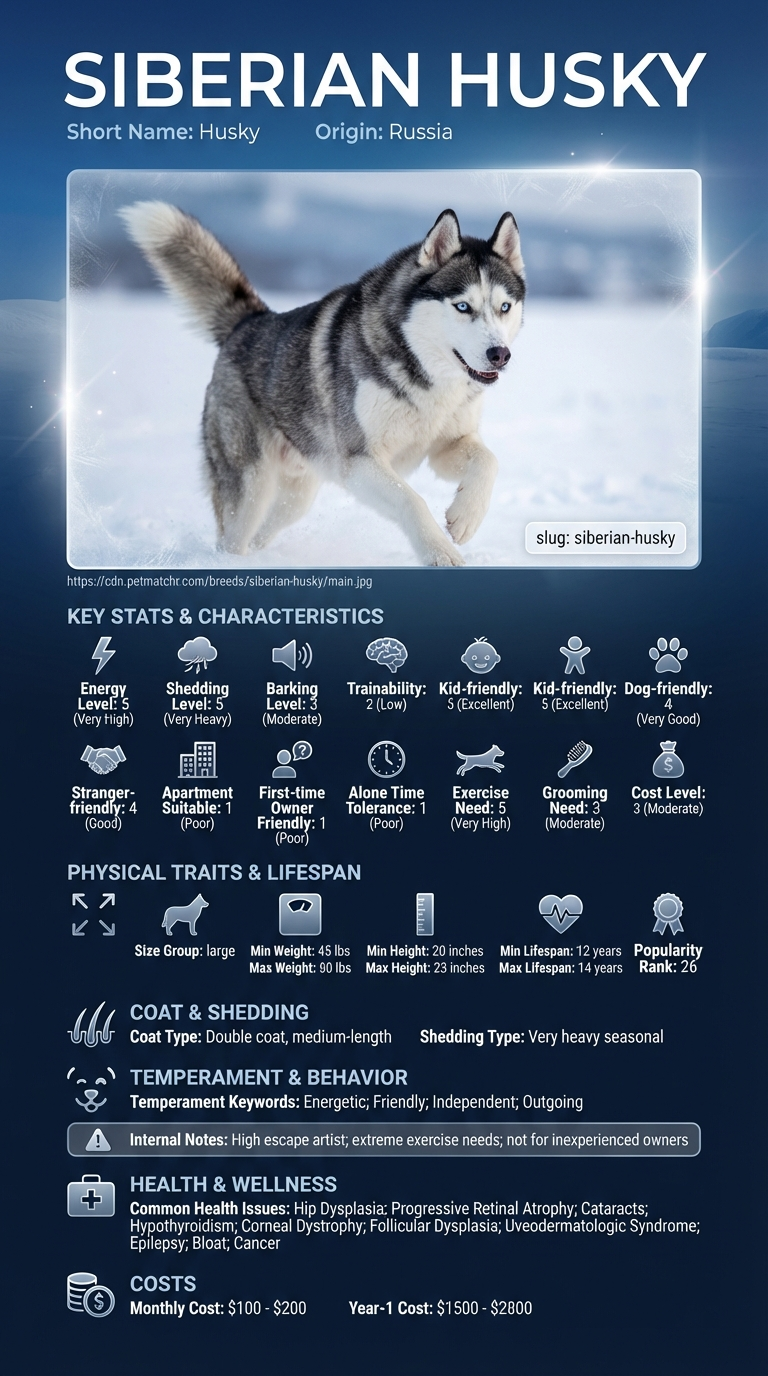
Siberian Husky Von Willebrand's Disease (vWD1): What You Need to Know infographic

Owners of Siberian Huskies, particularly those who are new to dog care, may struggle with managing vWD1. This condition can be alarming, especially if you're unsure about what to look for or how to respond.

Important reminder

This guide is not medical advice. If your dog shows pain, sudden behavior change, or worsening symptoms, consult a licensed veterinarian.

Some links may be affiliate links. We may earn a commission at no extra cost to you. We only suggest products we believe are helpful for dog owners.

What this problem looks like

Siberian Husky von Willebrand's disease (vWD1) is a genetic bleeding disorder that affects the dog's ability to clot blood properly. This condition can lead to excessive bleeding from minor cuts or injuries, which can be alarming for owners. Day-to-day, affected Huskies may show signs of lethargy, bruising, or blood in their urine, making it crucial for owners to stay vigilant.

Common triggers

  • Minor injuries or cuts
  • Surgical procedures
  • High-stress situations

Von Willebrand's disease (vWD1) is a relatively common genetic condition in Siberian Huskies, particularly in certain bloodlines. While not every Husky will be affected, it's important for potential owners to be aware of this risk, especially if they are getting a puppy from a breeder.

Why this happens

Breed factors

Siberian Huskies can inherit von Willebrand's disease (vWD1), a genetic bleeding disorder that affects their ability to clot blood. This condition is linked to a deficiency in a specific protein necessary for blood coagulation. If your Husky has a family history of vWD1, they are at a higher risk.

Environment factors

Environmental factors like stress and trauma can exacerbate symptoms of vWD1. For example, a sudden injury can lead to excessive bleeding, especially in a dog with this condition. Keeping your Husky calm and minimizing stress can help manage their health.

What you can try

At-home strategies

  • Create a safe environment by removing sharp objects and hazards that could cause injuries.
  • Monitor your Husky for signs of bleeding such as nosebleeds or blood in their urine and keep a close eye on any injuries.
  • Maintain a calm and stress-free atmosphere, as anxiety can worsen their condition.

When to consider a trainer

If your Husky shows signs of anxiety or fearfulness that impacts their daily life, consider consulting a professional trainer. They can provide strategies to help your dog feel more secure at home.

When to talk to your vet

Talk to your vet if you notice any unusual bleeding or if your Husky has a family history of vWD1. Regular check-ups and blood tests can help manage the disease and ensure your dog's health.

Realistic expectations

Managing von Willebrand's disease (vWD1) in your Siberian Husky requires ongoing attention. Expect to see improvements in your dog's health and behavior within 3 to 6 months of implementing a proper care routine.

Success means your dog has fewer bleeding episodes, is more comfortable during activities, and has a stable lifestyle. Regular vet check-ups and proper training will help you feel more confident in managing their condition.

Mistakes that make this worse

Avoiding these common mistakes can help you manage your Siberian Husky's von Willebrand's disease (vWD1) more effectively. Here are some behaviors to watch out for.

  • Ignoring symptoms: Failing to recognize signs of bleeding can lead to serious health risks. Keep an eye out for unusual bruising or bleeding and consult your vet immediately.
  • Neglecting proper diet: Poor nutrition can worsen health issues. Ensure your Husky eats a balanced diet that supports their overall health.
  • Overexerting your dog: While Huskies need exercise, too much can lead to injury. Stick to moderate activities and avoid high-impact exercises, especially if your dog shows signs of fatigue.
  • Skipping vet check-ups: Regular vet visits are crucial for managing vWD1. Don't put off these appointments, as they help monitor your dog's health and adjust care plans.
  • Using harsh training methods: Negative reinforcement can increase anxiety and worsen behavior issues. Focus on positive reinforcement techniques to encourage good behavior.
  • Failing to educate yourself: Not understanding vWD1 can lead to mistakes in care. Take the time to learn about the disease to make informed decisions for your Husky.
  • Ignoring genetic counseling: If you plan to breed your Husky, neglecting genetic testing can pass vWD1 to puppies. Always consult a vet to avoid potential issues.

When Siberian Husky von Willebrand's Disease (vWD1) is an Emergency

Knowing when to call your vet for Siberian Husky von Willebrand's disease (vWD1) is crucial. It's a genetic bleeding disorder that can lead to serious health issues. Some signs indicate an emergency, while others can be monitored with a plan.

**Red-Flag Signs - Call Your Vet Now:** If your Husky experiences excessive bleeding from minor cuts, has blood in their urine or stool, or shows signs of severe lethargy, these are urgent issues. Additionally, if you notice swelling in any part of their body or your dog seems to be in pain, don’t wait. Call your vet immediately.

**Mild Cases to Monitor:** If your Husky has mild nosebleeds or slight bruising, you may not need to panic. Keep track of these occurrences and limit activities that could cause injury. It's essential to develop a monitoring plan with your vet to ensure your dog stays healthy. Regular vet visits can help manage the disease effectively, keeping you informed about your dog's condition.

Siberian Husky Von Willebrand's Disease (vWD1): What You Need to Know - When Siberian Husky von Willebrand's Disease (vWD1) is an Emergency

Maya's Journey with VWD1

When Sarah, a busy nurse in Seattle, adopted Maya, her Siberian Husky, she was not aware of vWD1. After a few months, Maya started having unusual bleeding during play. Concerned, Sarah took her to the vet, who diagnosed her with von Willebrand's disease. With guidance, Sarah learned to manage Maya's condition by limiting strenuous activities and scheduling regular vet visits. They also enrolled in a specialized training program focused on building Maya's confidence and reducing anxiety. Over time, Maya thrived, and Sarah felt empowered in caring for her.

Key takeaway: Understanding your dog's health condition can transform your relationship. Proactive care, training, and open communication with your vet are essential for a happy, healthy life together.
Frequently asked questions

What is Siberian Husky von willebrand's disease (vwd1)?

Siberian Husky von willebrand's disease (vwd1) is a genetic bleeding disorder that affects the blood's ability to clot. This condition can lead to excessive bleeding from injuries or during surgeries. It's important to have your Husky tested if you suspect they might have this condition.

Why does my Siberian Husky have von willebrand's disease (vwd1)?

Von Willebrand's disease (vwd1) is inherited, meaning your Husky likely got it from their parents. If both parents carry the gene, there's a higher chance their puppies will inherit the disorder. Responsible breeders often test for this condition to avoid passing it on.

How can I manage my Siberian Husky with von willebrand's disease (vwd1)?

Managing vwd1 in your Siberian Husky involves regular veterinary check-ups and being cautious with activities that could lead to injury. Avoiding surgeries unless absolutely necessary and keeping your dog calm during stressful situations can help prevent bleeding episodes.

Can Siberian Huskies with von willebrand's disease (vwd1) live normal lives?

Yes, many Huskies with vwd1 can live normal, happy lives with proper care. It's crucial to monitor their activity level and ensure they receive regular veterinary care. Education about their condition can help you make informed decisions.

What treatments are available for Siberian Husky von willebrand's disease (vwd1)?

Treatment options for vwd1 may include medications that help promote clotting during bleeding incidents. In severe cases, a blood transfusion might be necessary. Always consult your vet for the best treatment plan tailored to your dog's specific needs.

How can I identify if my Siberian Husky has von willebrand's disease (vwd1)?

Signs of von willebrand's disease in Siberian Huskies include excessive bleeding, easy bruising, and prolonged bleeding after injuries. If you notice these symptoms, it's important to consult your veterinarian for testing and diagnosis.

How is von Willebrand's disease (vwd1) diagnosed in Siberian Huskies?

A veterinarian can diagnose von Willebrand's disease (vwd1) through blood tests that measure von Willebrand factor levels. If your Husky shows signs of excessive bleeding or bruising, it's crucial to seek veterinary help immediately for proper testing.

What should I do if my Siberian Husky has a bleeding episode?

If your Siberian Husky experiences a bleeding episode, keep them calm and apply gentle pressure to the wound. Contact your vet right away to discuss the situation and get guidance on the next steps for care.

Can older Siberian Huskies develop von Willebrand's disease (vwd1)?

Von Willebrand's disease (vwd1) is a genetic condition, meaning it is present from birth. However, older Huskies may show more symptoms as they age due to changes in overall health, so it's important to monitor their condition closely.

Is there a specific diet that can help manage von Willebrand's disease (vwd1) in Siberian Huskies?

While there is no specific diet to cure von Willebrand's disease (vwd1), a balanced diet can support overall health. Consult your veterinarian for dietary recommendations that may help your Husky maintain a healthy weight and immune system.

How does von Willebrand's disease (vwd1) affect my Siberian Husky's exercise routine?

Siberian Huskies with von Willebrand's disease (vwd1) may need to avoid high-impact activities that could lead to injury. It's essential to discuss a safe exercise plan with your vet to ensure your Husky stays active without risking bleeding issues.

Quick answers

View more answers
Behavior

What are quick tips for managing Siberian Husky von willebrand's disease (vwd1)?

Monitor your Husky closely, avoid rough play, and schedule regular vet check-ups. Be cautious with any medications or surgeries, and inform your vet about their condition.

Training

How can I train a Siberian Husky with von willebrand's disease (vwd1)?

Use positive reinforcement techniques and keep training sessions short and engaging. Avoid overly physical activities to reduce injury risks.

Costs

Is Siberian Husky von willebrand's disease (vwd1) costly to manage?

Managing vwd1 can incur additional veterinary costs, especially if treatment or emergency care is needed. Budget for regular check-ups and possible medications.

Living

Can Siberian Huskies with von willebrand's disease (vwd1) participate in dog sports?

It's best to avoid high-impact dog sports for Huskies with vwd1 due to the risk of injury. Focus on gentle exercises like leash walks instead.

Related DogBreedCompass guides

  • Siberian Husky health issuesLearn more about common health issues faced by Siberian Huskies to better understand their needs.
  • Siberian Husky training tipsExplore training tips tailored for Siberian Huskies, especially dealing with health-related concerns.
  • Siberian Husky behavior problemsUnderstand how to manage Siberian Husky behavior problems, including anxiety linked to health issues.
  • Siberian Husky separation anxiety guideGet insights on separation anxiety in Siberian Huskies and how it may relate to vWD1.
  • Siberian Husky ownership costsFind out the costs associated with owning a Siberian Husky, including potential health expenses.

Related guides