Behavior
What are Siberian Husky skin allergies quick tips?
To manage skin allergies in your Siberian Husky, keep their living area clean and minimize allergens. Regular vet check-ups are essential for effective treatment.

Quick answer
What are Siberian Husky skin allergies quick tips?
To manage skin allergies in your Siberian Husky, keep their living area clean and minimize allergens. Regular vet check-ups are essential for effective treatment.
Siberian Husky skin allergies can lead to constant itching and irritation for your furry friend. These allergies can affect their quality of life.
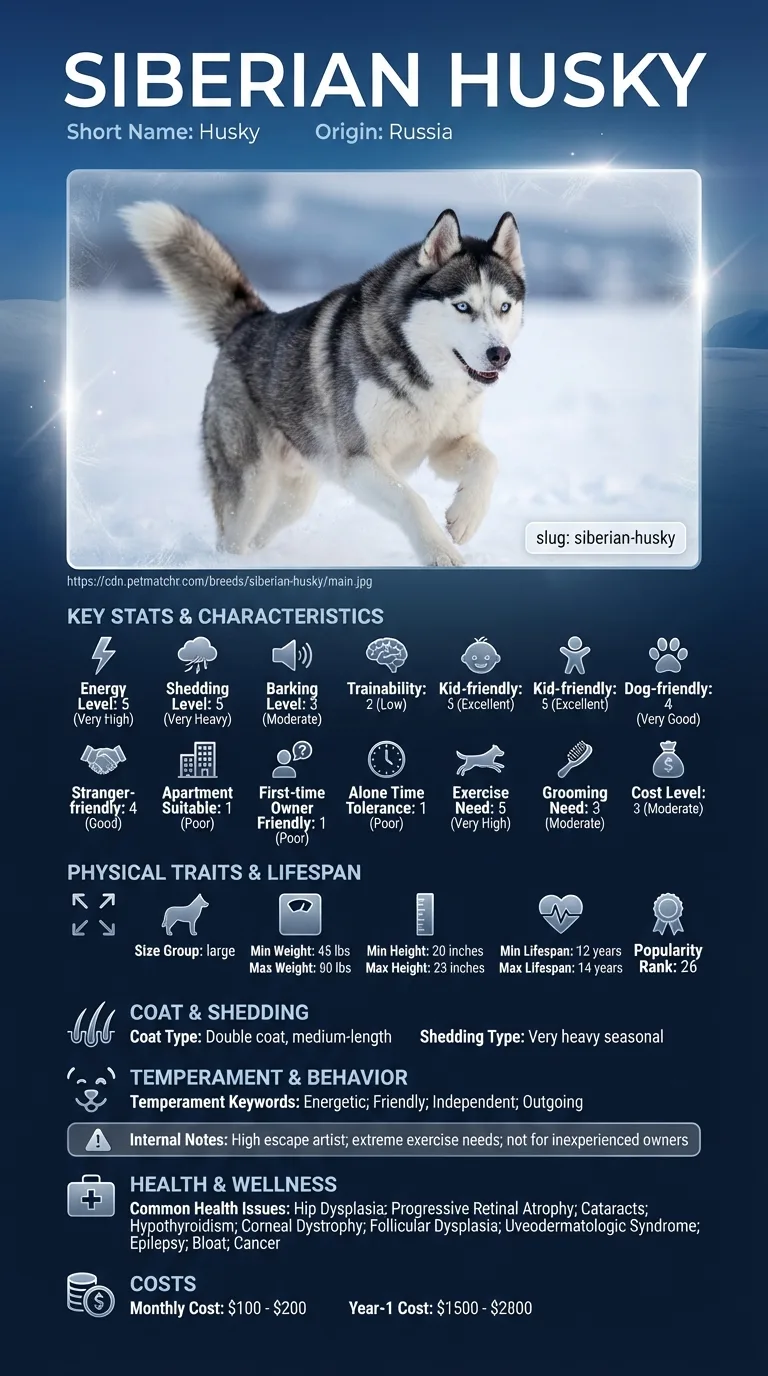
Owners of Siberian Huskies, especially those living in areas with high pollen or dust levels, may find themselves battling skin allergies. Busy families, first-time dog owners, or those with limited experience in dog care often feel overwhelmed by these challenges.
This guide is not medical advice. If your dog shows pain, sudden behavior change, or worsening symptoms, consult a licensed veterinarian.
Some links may be affiliate links. We may earn a commission at no extra cost to you. We only suggest products we believe are helpful for dog owners.
We research and check what we publish, but we do not warrant that any figure, date, price, or statement is accurate, complete, or current, and we accept no liability for any loss, cost, injury, or other harm arising from the use of this site. Use it as one reference among several. You remain responsible for your own decisions and for your dog's care - confirm anything that matters with a licensed veterinarian or another qualified professional before you act on it. Full disclaimer.
Check this first
Identifying whether your Siberian Husky's skin allergies are an emergency is crucial for their health. If your dog shows severe symptoms, it's time to act quickly. Look for signs like excessive scratching, swelling, or open sores. These can lead to infections and require immediate veterinary care.
If your Husky experiences difficulty breathing, swelling of the face or paws, or hives, consider it an emergency. These signs may indicate a severe allergic reaction. Call your vet right away to avoid serious complications.
On the other hand, if your Husky has mild itching or redness without severe symptoms, you might monitor them at home. Keep an eye on their behavior and try implementing basic solutions like changing their diet or using hypoallergenic shampoos. However, if the symptoms persist for more than a few days or worsen, consult your vet for advice.
If any of these apply, call your vet or an emergency clinic now. The rest of this page is for the cases that are not an emergency.
Siberian Husky skin allergies can lead to persistent itching, redness, and irritation. Often, this manifests as your Husky scratching, biting, or licking their skin excessively. This can be frustrating for both you and your dog, as it disrupts their comfort and your peace of mind.
Skin allergies are relatively common in Siberian Huskies. Many owners report dealing with this issue at some point, especially during seasonal changes when allergens are more prevalent.
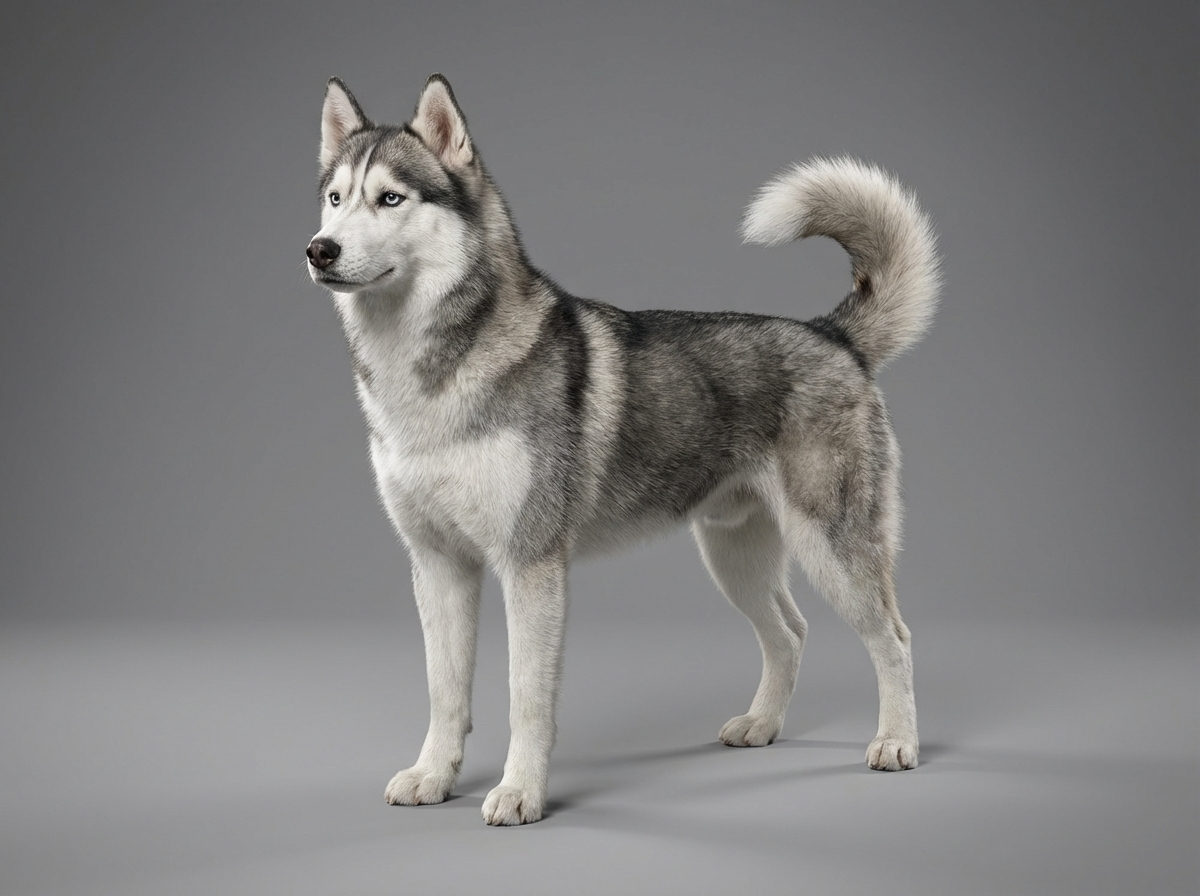
Siberian Huskies can be prone to skin allergies due to their double coat, which can trap allergens. Their independent nature may also lead to less grooming, allowing irritants to build up. Additionally, certain genetic factors may make them more susceptible to specific allergens.
Environmental factors such as pollen, dust mites, and mold can trigger skin allergies in Huskies. Changes in climate, exposure to certain foods, or chemicals in cleaning products can also contribute. If your Husky spends a lot of time outdoors, they might encounter more allergens.
If home remedies do not improve your Husky's skin allergies or if symptoms worsen, consult your vet. They can provide a proper diagnosis, recommend medications, or suggest allergy testing for more tailored treatment.
Avoid these common mistakes to help manage your Siberian Husky's skin allergies effectively.
Start here: Siberian Husky Most Common Genetic Disorders: Screening
See all Siberian Husky health problems, which breeds are prone to skin allergies, or the full Siberian Husky breed guide for temperament, exercise needs and ownership costs.
You can expect to see improvements in your Siberian Husky's skin condition within 4 to 8 weeks of starting a new treatment or management plan.
Success looks like your Husky experiencing less itching, fewer skin irritations, and an overall healthier coat. You'll also notice a happier dog, as their discomfort decreases.
Maggie, a busy nurse in Seattle, noticed her Siberian Husky, Max, constantly scratching and biting at his fur. After a vet visit revealed that Max had skin allergies, Maggie felt overwhelmed. She started a new diet and regularly bathed him with hypoallergenic shampoo. Over the next few months, Maggie kept a close eye on Max's skin and worked with her vet to adjust his treatment as needed. Eventually, Max's itching decreased significantly, and he was much more comfortable.
Key takeaway: Managing Siberian Husky skin allergies requires patience and consistency. Regular vet check-ups and adjustments to diet and care can lead to happier, healthier pups.
Siberian Husky skin allergies can be caused by environmental factors like pollen, dust mites, or certain foods. Genetic predispositions also play a role, as some Huskies may be more prone to skin issues. Regular vet check-ups can help identify and manage these allergies.
To stop Siberian Husky skin allergies, start by consulting your vet for a proper diagnosis. They may recommend dietary changes, hypoallergenic shampoos, or medication to relieve itching. Additionally, keeping your home clean and reducing exposure to allergens can help.
Treatments for Siberian Husky skin allergies often include antihistamines, corticosteroids, or medicated shampoos as prescribed by your vet. Additionally, an elimination diet might be recommended to identify food allergies. Always consult your vet before starting any new treatment.
Yes, persistent scratching from Siberian Husky skin allergies can lead to secondary infections. Bacteria or yeast can thrive in irritated skin, making it crucial to address the allergies promptly. Regular vet visits can help monitor your dog's skin health.
Siberian Husky skin allergies can be triggered by a variety of factors including food, environmental allergens, and parasites. Common allergens include pollen, dust mites, certain foods, and flea bites. Identifying the specific cause often requires a process of elimination.
Older Siberian Huskies may have compromised immune systems, making them more susceptible to skin allergies. It's important to consult your vet for tailored advice, which may include specialized diets or medications. Regular grooming can also help reduce allergens on their skin.
If your Siberian Husky shows persistent itching, redness, or any signs of infection, it's time to see a vet. Additionally, if at-home remedies do not improve their condition within a week or two, professional intervention is necessary. A vet can provide a proper diagnosis and treatment plan.
While not all skin allergies can be prevented, you can take proactive steps to minimize risks. Regular grooming, using hypoallergenic shampoos, and ensuring a clean living environment can help. Also, monitoring their diet for any allergic reactions is crucial.
To manage skin allergies in your Siberian Husky, keep their living area clean and minimize allergens. Regular vet check-ups are essential for effective treatment.
To relieve your Husky’s itching, try using a soothing oatmeal shampoo and ensure they are on a balanced diet. Consult your vet for tailored recommendations.
Hypoallergenic shampoos and omega fatty acid supplements can help improve your Husky’s skin condition. Ask your vet for specific product recommendations.
While you can’t completely prevent skin allergies, regular grooming and a healthy diet can help minimize flare-ups. Monitor your Husky's environment for potential allergens.
A one-page prep sheet for this condition: the signs, the questions to ask, what to get priced. Unlocks here.
You get: Vet visit prep sheet
No spam. One-click unsubscribe. See our privacy policy.
Preview page 1 before you decide.