DogBreedCompass
← Back to breed profile

Understanding Siberian Husky Osteochondritis Dissecans (OCD)

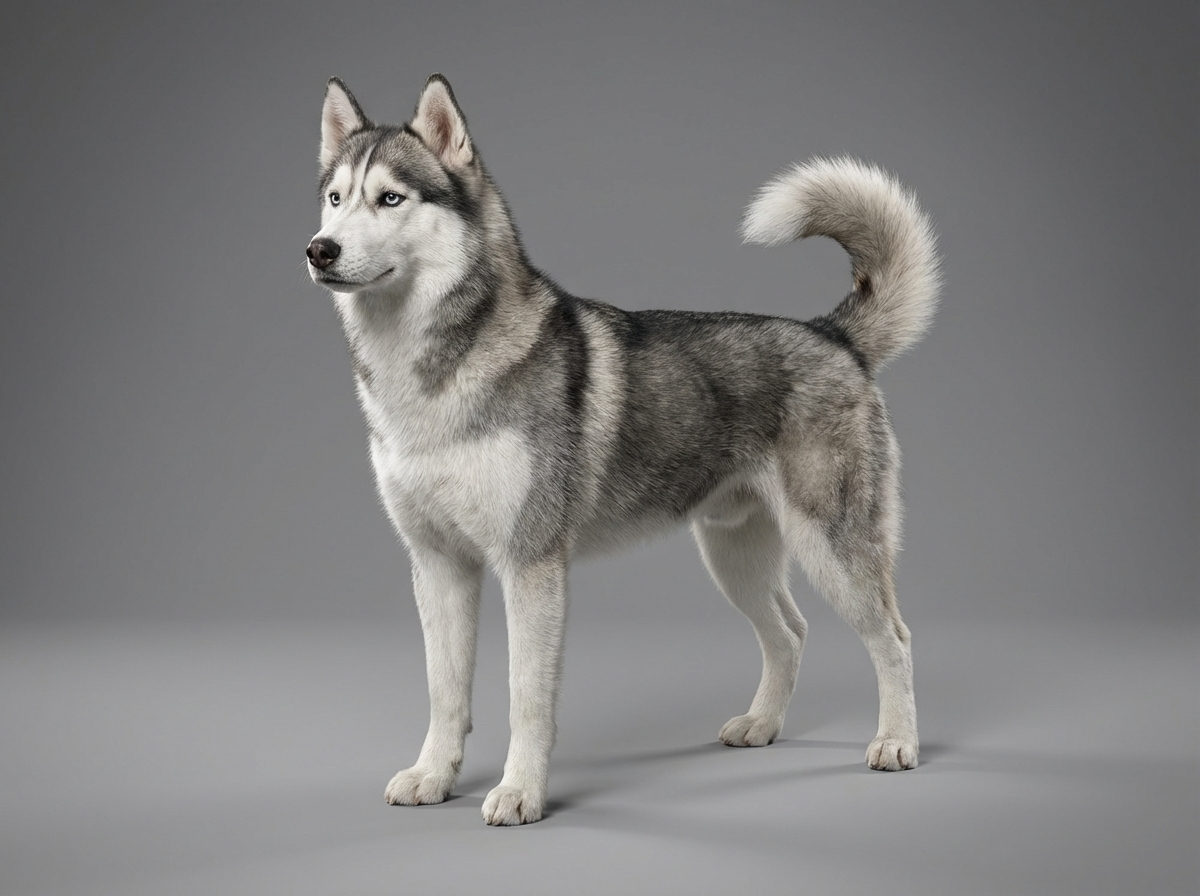
Siberian Husky osteochondritis dissecans (OCD) is a painful joint condition that affects many Huskies.

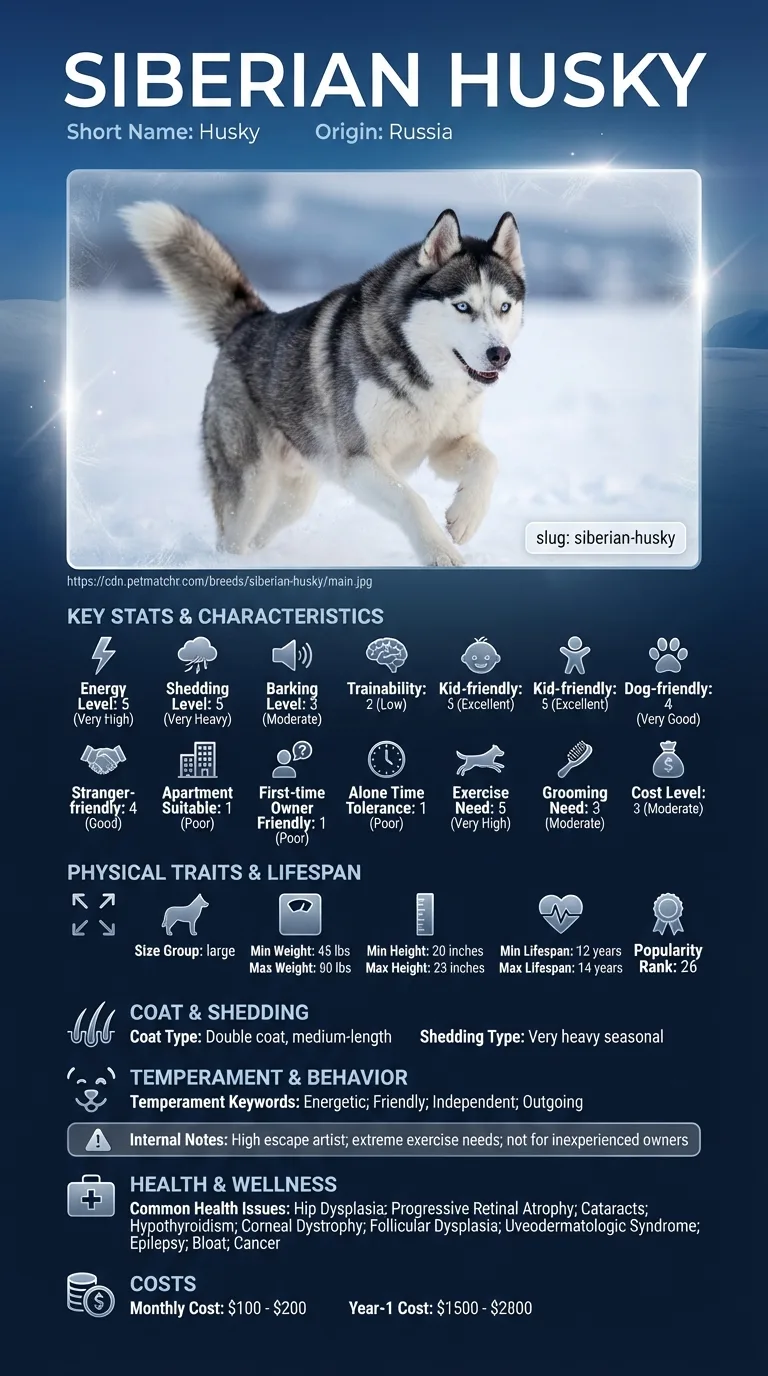
Understanding Siberian Husky Osteochondritis Dissecans (OCD) infographic

Many Husky owners, especially first-time pet parents or those unfamiliar with joint issues, may find themselves facing this challenge. It's important for them to know how to identify symptoms and seek proper care.

Important reminder

This guide is not medical advice. If your dog shows pain, sudden behavior change, or worsening symptoms, consult a licensed veterinarian.

Some links may be affiliate links. We may earn a commission at no extra cost to you. We only suggest products we believe are helpful for dog owners.

What this problem looks like

Siberian Husky osteochondritis dissecans (OCD) is a serious joint condition affecting their daily life. It occurs when the cartilage in their joints develops abnormally, causing pain and discomfort. This can lead to limping, reluctance to play, and decreased activity levels, which can be distressing for both the dog and its owner.

Common triggers

  • Rapid growth during puppyhood
  • Excessive exercise or jumping
  • Genetic predisposition

Osteochondritis dissecans is relatively common in larger breeds like the Siberian Husky, particularly those with a high energy level. Many owners report seeing symptoms as early as six months old, making it crucial to monitor their activity and joint health closely.

Why this happens

Breed factors

Siberian Huskies are prone to certain genetic conditions, including osteochondritis dissecans (OCD). This condition often stems from the breed's rapid growth and high energy levels, which can lead to abnormal cartilage development in their joints. Their independent nature may also cause them to overexert themselves without proper guidance.

Environment factors

Environmental factors can exacerbate OCD in Huskies. A lack of controlled exercise or excessive high-impact activities can put stress on their developing joints. Additionally, an improper diet lacking essential nutrients for joint health can contribute to the development of this condition.

What you can try

At-home strategies

  • Establish a controlled exercise routine. Limit high-impact activities like jumping or running on hard surfaces. Aim for consistent, low-impact walks instead.
  • Monitor your Husky's weight to avoid additional stress on their joints. Use a balanced diet rich in joint-supporting nutrients, such as omega-3 fatty acids.
  • Incorporate gentle stretches and mobility exercises into their daily routine. This can help maintain joint flexibility and reduce discomfort.

When to consider a trainer

If your Husky continues to show signs of discomfort or struggles with training, consider consulting a dog trainer. A professional can help you design a tailored exercise plan that accommodates their condition and energy level.

When to talk to your vet

If your Husky displays severe symptoms, such as persistent limping or difficulty moving, it’s essential to consult a veterinarian. They can assess the severity of the OCD and recommend appropriate treatments, which may include medication or physical therapy.

Realistic expectations

You should expect to see improvements within a few weeks to a few months of consistent management and care.

Success means your Husky experiences reduced discomfort and maintains a good quality of life, allowing for regular activity and play.

Mistakes that make this worse

Here are some common mistakes that can worsen Siberian Husky osteochondritis dissecans (OCD) and tips on how to avoid them.

  • Ignoring signs of discomfort: Not paying attention to your Husky's limping or reluctance to play can delay treatment. Always monitor their behavior and consult a vet if you see changes.
  • Over-exercising: While Huskies need exercise, too much can exacerbate OCD. Stick to moderate, controlled exercise to keep joints healthy.
  • Skipping vet visits: Regular check-ups are crucial for managing OCD. Ensure you follow your vet's advice and schedule routine appointments.
  • Using harsh training methods: Negative reinforcement can increase anxiety and worsen behavior problems. Focus on positive reinforcement and gentle training techniques.
  • Neglecting weight management: Overweight dogs put extra stress on their joints. Maintain a healthy diet and weight to support your Husky's joint health.
  • Failing to provide adequate rest: Puppies and young Huskies need plenty of rest for healthy joint development. Create a calm environment for them to relax and recuperate.
  • Not adjusting exercise for age: As your Husky ages, their exercise needs will change. Tailor their activity level to their age and health status.

When Siberian Husky Osteochondritis Dissecans (OCD) is an Emergency

Knowing when to act fast with your Siberian Husky's osteochondritis dissecans (OCD) is crucial. If you notice severe limping, intense pain when moving, or sudden swelling around the joints, it's time to call your vet immediately. These signs can indicate a serious issue that needs prompt attention.

Understanding Siberian Husky Osteochondritis Dissecans (OCD) - When Siberian Husky Osteochondritis Dissecans (OCD) is an Emergency

When to Watch and Wait

If your Husky shows mild joint stiffness or occasional discomfort but still plays and moves around happily, you can monitor the situation. Keeping an eye on their activity level and range of motion is key. Make a note of any changes, and consult your vet for guidance on managing their condition without immediate intervention.

Understanding Siberian Husky Osteochondritis Dissecans (OCD) - When to Watch and Wait

Sam's Journey with Max and OCD

Sam, a first-time Husky owner, noticed that his dog Max was limping after play. After consulting with a vet, he learned Max had osteochondritis dissecans (OCD). Sam committed to a tailored exercise plan, focusing on low-impact activities and maintaining a healthy weight. With patience and regular check-ups, Max's limping reduced significantly, and they could enjoy walks again.

Key takeaway: Understanding your dog's specific needs and adjusting their routine can lead to significant improvements in their health and happiness.

Frequently asked questions

Why does my Siberian Husky have osteochondritis dissecans (OCD)?

Siberian Huskies can develop osteochondritis dissecans (OCD) due to a combination of genetic predisposition, rapid growth, and excessive exercise. This condition involves abnormal cartilage development that leads to joint discomfort, primarily affecting the elbows and knees. If you notice symptoms, consult your vet for an accurate diagnosis.

How can I help my Siberian Husky with osteochondritis dissecans (OCD)?

To manage your Siberian Husky's osteochondritis dissecans (OCD), ensure they get enough rest and avoid high-impact activities. Weight management is crucial, as excess weight can worsen joint issues. Your vet may recommend physical therapy or joint supplements to support their recovery.

What are the signs of osteochondritis dissecans (OCD) in my Husky?

Signs of osteochondritis dissecans (OCD) include limping, difficulty in movement, or reluctance to engage in play. You may also notice swelling around the joints or changes in behavior, like decreased activity. If you observe these signs, it's best to consult your vet.

Can training help my Husky with osteochondritis dissecans (OCD)?

Training can help your Siberian Husky manage osteochondritis dissecans (OCD) by focusing on low-impact activities that strengthen their muscles without stressing their joints. Incorporate gentle obedience training and controlled leash walks. Consult a professional trainer if you're unsure how to adapt your training routine.

Is surgery necessary for Siberian Husky osteochondritis dissecans (OCD)?

Surgery may be necessary for severe cases of osteochondritis dissecans (OCD) in Siberian Huskies, especially if conservative treatments fail. Your vet will evaluate the severity of the condition and discuss the best options for your dog. Early intervention can lead to better outcomes.

What are the early signs of osteochondritis dissecans (OCD) in my Siberian Husky?

Early signs of Siberian Husky osteochondritis dissecans (OCD) include limping, reluctance to exercise, and swelling around the joints. You may also notice your dog favoring one leg or showing signs of discomfort when moving. If you observe any of these symptoms, it's best to consult your vet.

Can older Siberian Huskies develop osteochondritis dissecans (OCD)?

Yes, older Siberian Huskies can develop osteochondritis dissecans (OCD), though it's more common in younger dogs. As they age, joint health can decline, making them more susceptible to issues. Regular vet check-ups and joint supplements can help maintain their joint health.

How can I help my Siberian Husky manage osteochondritis dissecans (OCD)?

To help manage your Siberian Husky's osteochondritis dissecans (OCD), consider weight management, controlled exercise, and physical therapy. Your vet may also recommend pain relief medication or joint supplements. Always follow your vet's advice for the best results.

Is surgery necessary for Siberian Husky osteochondritis dissecans (OCD)?

Surgery may be necessary for severe cases of Siberian Husky osteochondritis dissecans (OCD) when other treatments fail to relieve pain. Your veterinarian will assess the severity and recommend the best course of action. Early intervention can help avoid the need for surgical options.

Can diet affect my Siberian Husky's osteochondritis dissecans (OCD)?

Yes, diet can significantly affect your Siberian Husky's osteochondritis dissecans (OCD). A balanced diet rich in omega-3 fatty acids and joint-supportive nutrients can promote joint health. Always consult your vet for dietary recommendations tailored to your dog's needs.

Quick answers

View more answers
Behavior

What are quick tips for managing Siberian Husky osteochondritis dissecans (OCD)?

To manage Siberian Husky osteochondritis dissecans (OCD), ensure your dog has controlled exercise, maintain a healthy weight, and consider joint supplements. Regular vet check-ups will also help monitor their condition.

Costs

How much does treatment for Siberian Husky osteochondritis dissecans (OCD) cost?

Treatment for Siberian Husky osteochondritis dissecans (OCD) can range from $1,500 to $3,000, depending on the treatment plan. This includes vet visits, medications, and possible surgery.

Living

What lifestyle changes help a Husky with OCD?

Limit high-impact activities and opt for low-impact exercises like swimming or gentle walks. Adding joint supplements can also help support joint health.

Related DogBreedCompass guides

  • Siberian Husky common health issues guideLearn more about common health issues in Huskies, including OCD.
  • Siberian Husky behavior problemsUnderstand how to manage behavior problems in your Husky.
  • Siberian Husky osteochondritis dissecans (ocd) trainingExplore effective training methods for managing OCD in Huskies.
  • Siberian Husky separation anxiety guideFind tips for dealing with separation anxiety in Huskies.
  • Siberian Husky cost breakdownSee what to expect in terms of costs for owning a Husky.

Related guides