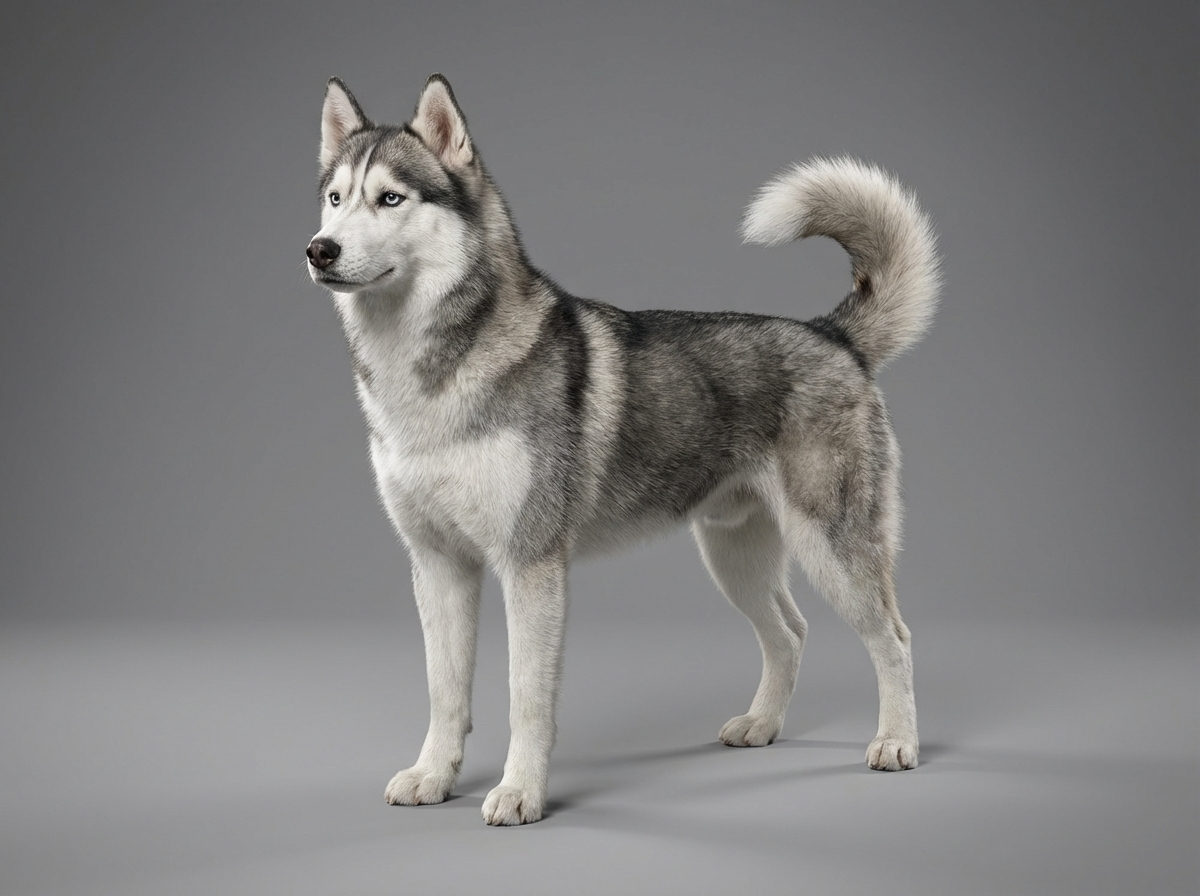
Health
What are quick tips for Siberian Husky most common genetic disorders?
Choose a responsible breeder and schedule regular vet visits to monitor your Husky's health.

Quick answer
What are quick tips for Siberian Husky most common genetic disorders?
Choose a responsible breeder and schedule regular vet visits to monitor your Husky's health.
Siberian Huskies are a beautiful breed but can face serious genetic disorders. Understanding these can help you make informed choices about care.

New Husky owners, busy families, or individuals unaware of these potential issues often struggle with managing their dog's health. It's essential for anyone considering a Husky to be aware of these common disorders.
This guide is not medical advice. If your dog shows pain, sudden behavior change, or worsening symptoms, consult a licensed veterinarian.
Some links may be affiliate links. We may earn a commission at no extra cost to you. We only suggest products we believe are helpful for dog owners.
We research and check what we publish, but we do not warrant that any figure, date, price, or statement is accurate, complete, or current, and we accept no liability for any loss, cost, injury, or other harm arising from the use of this site. Use it as one reference among several. You remain responsible for your own decisions and for your dog's care - confirm anything that matters with a licensed veterinarian or another qualified professional before you act on it. Full disclaimer.
Check this first
Not all genetic disorders in Siberian Huskies require immediate action. However, there are clear signs that indicate when you should call your vet right away. If your Husky shows severe symptoms, such as difficulty breathing, sudden weight loss, or loss of consciousness, you need to act quickly. Additionally, if your dog has persistent vomiting or diarrhea, or if they appear to be in extreme pain, these are red flags that must be addressed immediately.
On the other hand, if your Siberian Husky is experiencing mild symptoms, such as occasional itching or slight lethargy, you can monitor the situation at home. Keep a close eye on their behavior and consider keeping a journal of any changes. If the symptoms worsen or persist beyond a few days, it would be wise to consult your veterinarian for further evaluation. Regular check-ups can also help catch potential genetic disorders early, allowing for better management and treatment options.
Remember, being proactive can make a big difference. If you're ever in doubt, it's always a good idea to reach out to your vet. They can provide guidance specific to your dog's needs and help you understand when it's a situation that requires urgent care.
If any of these apply, call your vet or an emergency clinic now. The rest of this page is for the cases that are not an emergency.
Siberian Huskies are prone to several genetic disorders, which can impact their overall health and well-being. Common issues include hip dysplasia, progressive retinal atrophy, and hypothyroidism. These conditions often show symptoms that can disrupt daily life, such as difficulty moving, vision problems, or changes in energy levels.
Genetic disorders are fairly common in Siberian Huskies due to their breeding history. Many owners report instances of health issues, particularly in older dogs, making regular vet check-ups essential.
Siberian Huskies are prone to certain genetic disorders due to their breeding history. Common issues include hip dysplasia and progressive retinal atrophy. These conditions often result from inherited traits that affect their joints and eyesight.
Environmental factors can also influence the health of a Husky. Factors such as diet, exercise, and overall care play a significant role. Poor nutrition or lack of physical activity can exacerbate existing genetic issues.
If you notice symptoms such as limping, difficulty seeing, or unusual behavior, it’s important to talk to a vet. They can assess your Husky's health and recommend appropriate treatments or interventions.
Here are some common mistakes that can worsen genetic disorders in your Siberian Husky and what you can do instead.
See all Siberian Husky health problems, which breeds are prone to most common genetic disorders, or the full Siberian Husky breed guide for temperament, exercise needs and ownership costs.
Addressing Siberian Husky most common genetic disorders can take several months to years, depending on the specific disorder and treatment plan.
Success means managing the genetic disorders effectively, ensuring a better quality of life for your Husky, and maintaining regular vet check-ups to monitor their health.
Laura, a busy nurse in Seattle, adopted a Siberian Husky named Luna. Shortly after bringing her home, Luna was diagnosed with hip dysplasia. Laura felt overwhelmed, unsure how to manage Luna's condition. After consulting with a vet, Laura learned about physical therapy and weight management. Over the next year, with consistent care and adjustments to Luna's diet, her mobility improved significantly. Luna became more active and playful, and Laura felt more confident in caring for her furry friend.
Key takeaway: With the right support and resources, you can effectively manage your Siberian Husky's genetic disorders and enhance their quality of life.
Siberian Huskies are prone to several genetic disorders, including Hip Dysplasia, Progressive Retinal Atrophy, and Cataracts. Regular vet check-ups and screenings can help catch these issues early. This answer relates to Siberian Husky most common genetic disorders.
While you can't prevent genetic disorders entirely, choosing a reputable breeder who screens for health issues can reduce risks. Additionally, maintaining a healthy diet and regular exercise can contribute to overall well-being.
If your Siberian Husky displays symptoms like limping or vision problems, it's best to consult a veterinarian. Early diagnosis can lead to better management of conditions like hip dysplasia or cataracts.
Genetic disorders in Siberian Huskies often arise from inherited traits. Purebreds, like Huskies, are more susceptible to certain conditions due to limited genetic diversity.
Training can help manage behavioral issues linked to genetic disorders, such as anxiety or difficulty with mobility. Positive reinforcement techniques can ease stress and improve your Husky's overall behavior.
While no diet can cure genetic disorders, a balanced diet rich in vitamins and minerals can support overall health. Consult your vet for dietary recommendations tailored to your Husky's needs.
Yes, certain lines of Siberian Huskies may carry genetic predispositions to disorders like hypothyroidism or epilepsy. Researching the breeder's background and health testing records can help you make an informed choice.
To help prevent issues, focus on providing a balanced diet, regular veterinary check-ups, and appropriate exercise. These can promote overall health and potentially reduce the risk of genetic disorders.
Look for signs such as lethargy, difficulty standing, or unusual behavior changes. These may indicate underlying genetic disorders, and a vet should evaluate any concerning symptoms.
Training can indeed help manage some symptoms associated with genetic disorders. Consistent training and socialization can improve behavior, especially in Huskies prone to anxiety or behavioral issues.
Choose a responsible breeder and schedule regular vet visits to monitor your Husky's health.
Ensure your Husky gets daily exercise and a balanced diet to promote a long, healthy life.
Follow your vet's treatment plan and consider physical therapy options to improve mobility.
Training can alleviate anxiety and stress related to genetic disorders, making your Husky more comfortable.
A one-page prep sheet for this condition: the signs, the questions to ask, what to get priced. Unlocks here.
You get: Vet visit prep sheet
No spam. One-click unsubscribe. See our privacy policy.
Preview page 1 before you decide.